 Follow Us on Google News


 Follow Us on Google Discover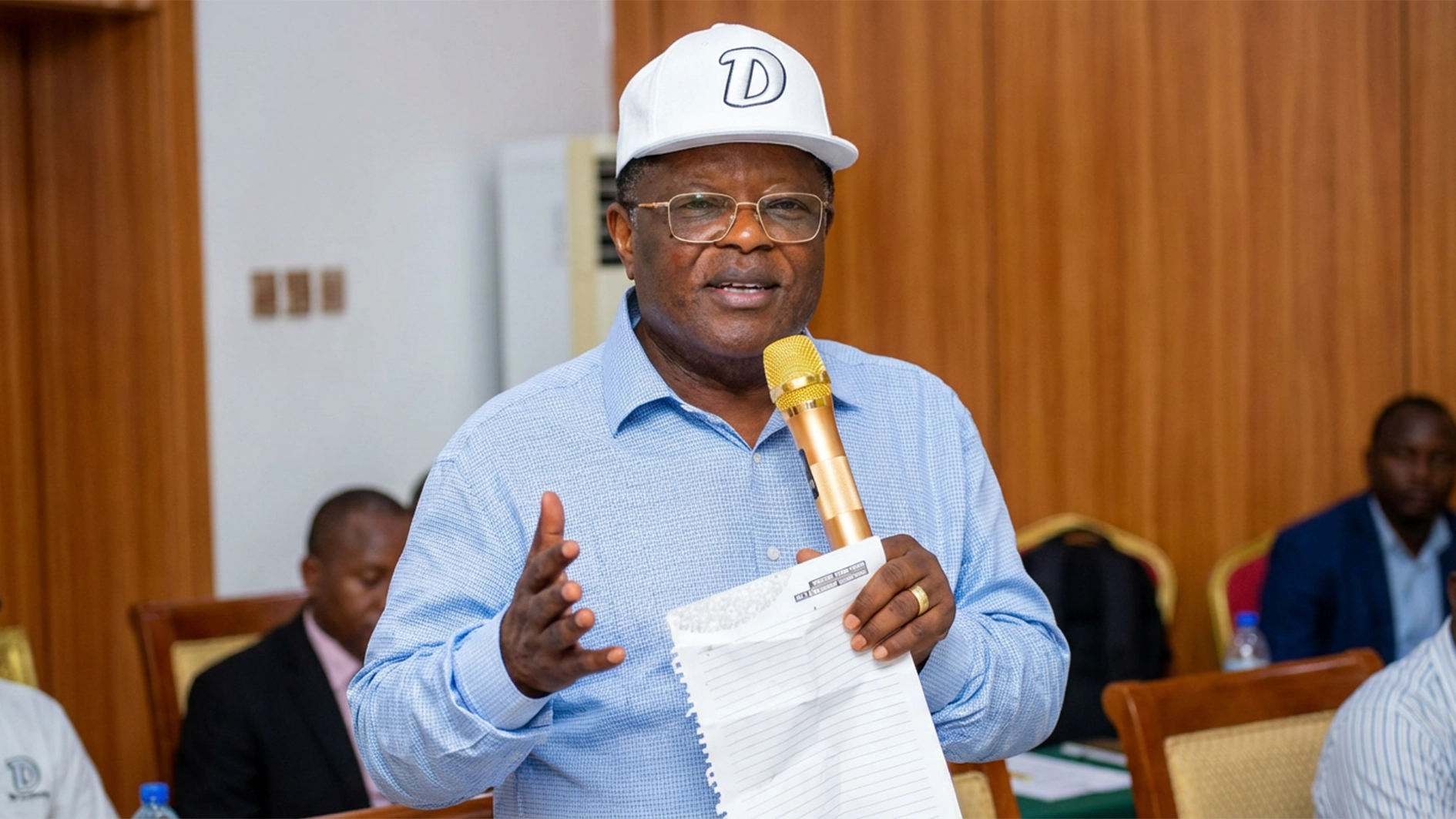
Presidential aide claims political shift in region
The Minister of Works, David Umahi, has said the South-East is receiving more federal attention under the administration of President Bola Tinubu than at any time since the return to democratic rule in 1999.
According to him, the region is witnessing significant progress, particularly in infrastructure development and other critical sectors.
Umahi spoke at his residence in Abakaliki while receiving guests from the old Ezeagu zone, led by Senator Julius Ucha, who paid him a thank-you visit.
He said the current administration had created opportunities for greater inclusion of the South-East in national development, urging the region to focus on progress.
The minister encouraged residents of the region to support the President, expressing confidence that Tinubu would secure a second term.
He added that although the region might not yet be leading in infrastructure development, it had recorded notable improvement compared to previous years.

Umahi emphasised that supporting both the President and South-East governors aligns with the region’s long-term interests.
ALSO, the Senior Special Assistant on Media and Communications to the President in the Office of the Vice President, Stanley Nkwocha, has said that there are indications of a changing political direction in the South-East, with regional leaders showing increased engagement with the administration of President Bola Tinubu.
Nkwocha, in a statement issued yesterday, said the zone, traditionally associated with opposition politics, is gradually redefining its place within the national political structure as priorities tilt toward development partnerships and economic inclusion.
He noted that the Peoples Democratic Party (PDP), once dominant across the five South-East states, no longer controls any governorship seat in the region, while the All Progressives Congress (APC) has steadily expanded its influence alongside other parties.
The presidential aide pointed to the recent South-East Vision 2050 Regional Stakeholders’ Forum in Enugu, organised by the South-East Development Commission, as a clear illustration of the evolving posture.
The forum convened governors from the zone, federal officials, private-sector players, and diaspora representatives to deliberate on long-term economic planning and regional integration.
Vice President Kashim Shettima, who represented the Federal Government at the event, reiterated the administration’s commitment to incorporating the South-East into Nigeria’s broader economic reform agenda.
His remarks, highlighting the region’s entrepreneurial capacity and global diaspora networks, drew positive responses from participants.
Nkwocha said political analysts attribute the ongoing shift to a succession of developments over recent years, including defections by prominent political figures, electoral changes, and the growing influence of alternative parties, all of which have altered the PDP’s once firm grip on the zone.

