 Follow Us on Google News
 Follow Us on Google Discover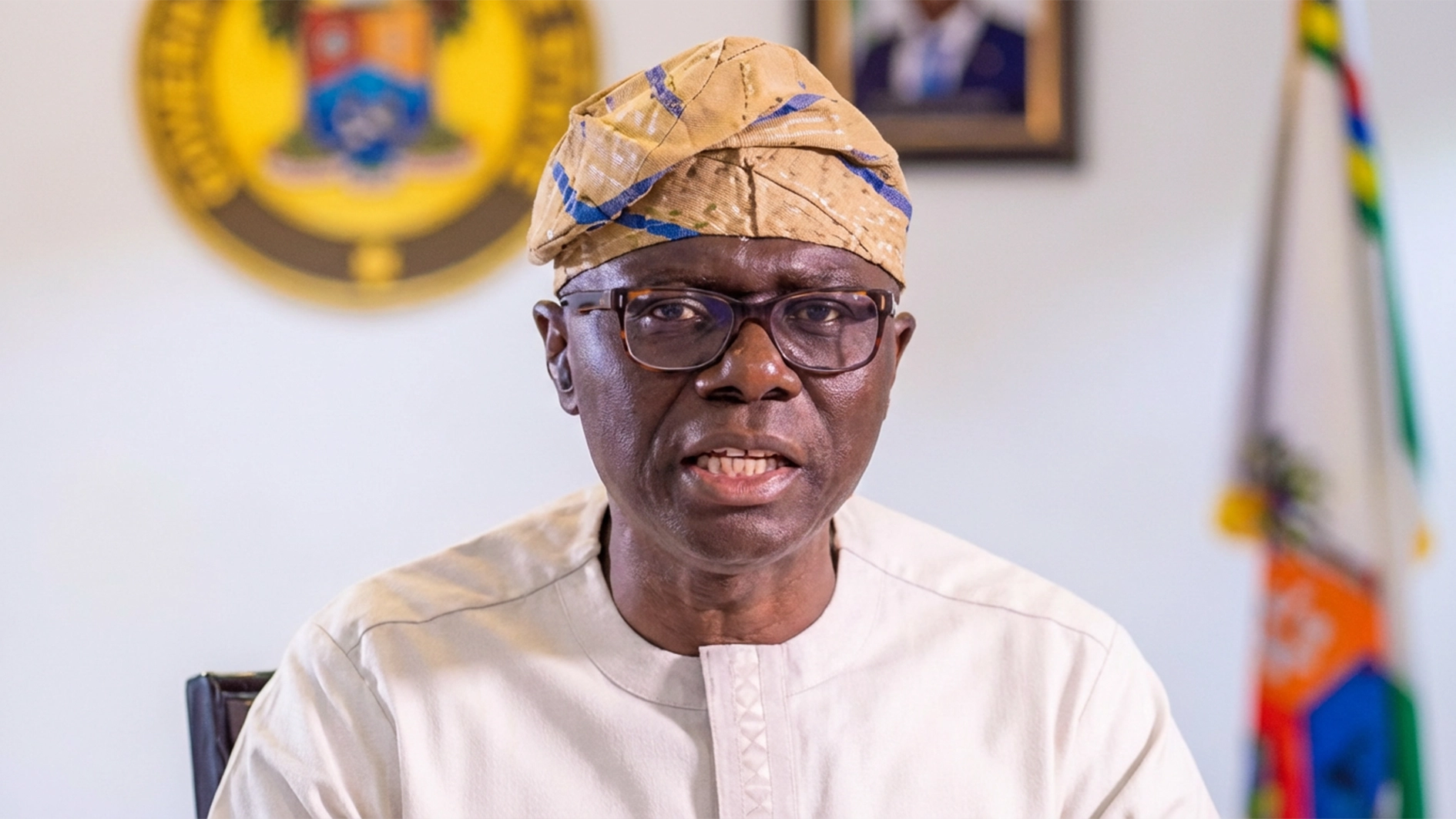
Urges stakeholders to sustain collaboration toward positioning state as global financial hub
Lagos State Government, in conjunction with EnterpriseNGR, has launched the Lagos International Financial Centre (LIFC) Phase 1 Report, a project that captures the strategy and pathway to the implementation of initiatives that would transform Nigeria’s economic growth, deepen the financial market and foster innovation.
The launch took place at the Lagos House, Marina, by Lagos State Governor, Babajide Sanwo-Olu and members of the LIFC Council.
Sanwo-Olu, while speaking during the programme, reaffirmed his administration’s commitment to establishing the LIFC and urged stakeholders across the public and private sectors to sustain collaboration toward positioning Lagos State as a global financial hub.
The governor, who is Chairman of the LIFC Council, described the initiative as a strategic economic reform designed to strengthen Nigeria’s global competitiveness and position the state as a leading international financial hub.
He said that the LIFC project, conceived about two years ago, was designed to attract international capital, deepen financial markets, and create sustainable economic opportunities for the country.
Sanwo-Olu, therefore, commended EnterpriseNGR for the initiative and the work done so far, the United Kingdom Government, as well as TheCityUK, for providing technical and financial support in the formative phase, stressing that the development of a credible international financial centre requires robust institutional frameworks and strategic investment partnerships.

Besides, the governor urged stronger synergy between the public and private sectors, noting that risk-sharing and joint investment strategies were critical to achieving the project’s objectives.
Earlier, the Co-chairman of LIFC, Aigboje Aig-Imoukhuede, commended the Lagos State Government for fostering the need to work with the ecosystem of actors in the private sector to bring about financial and economic growth.
He underscored the importance of private sector participation, describing the LIFC as a collaborative economic ecosystem that requires strong partnerships between government and business institutions.
Aig-Imoukhuede said EnterpriseNGR had championed the initiative by drawing lessons from established global financial centres, such as London, New York, and Kigali, adding that Lagos State emerged as the preferred location for the project due to its economic strength, infrastructure capacity, and investor-friendly policies.
He described the completion of the LIFC Phase 1 as a significant milestone, noting that Phase 2 would focus on policy reforms, legislative frameworks, and resource mobilisation to drive implementation.
Also speaking, British Deputy High Commissioner, Jonny Baxter, applauded Lagos State Government and EnterpriseNGR for driving the initiative and strengthening collaboration with federal institutions, noting that a well-structured financial centre would benefit the national economy.
He promised that the United Kingdom, through TheCityUK, would provide expertise to help identify Lagos’ comparative advantages and the regulatory reforms required to establish a globally competitive financial centre.
Baxter described the initiative as a major economic milestone capable of unlocking domestic and international capital flows into infrastructure development, job creation, and economic growth.
He said the LIFC project would bring about significant capital flow, create jobs, boost economic growth in Nigeria and ensure infrastructural development.
Lagos State Commissioner for Finance, Abayomi Oluyomi, said the journey required a lot of collaboration among investors in making the project a reality and a globally competitive platform.

