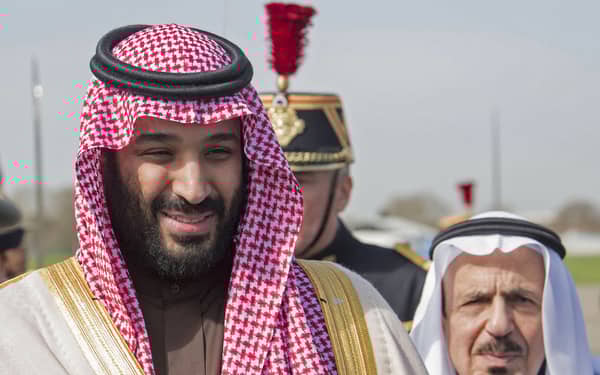
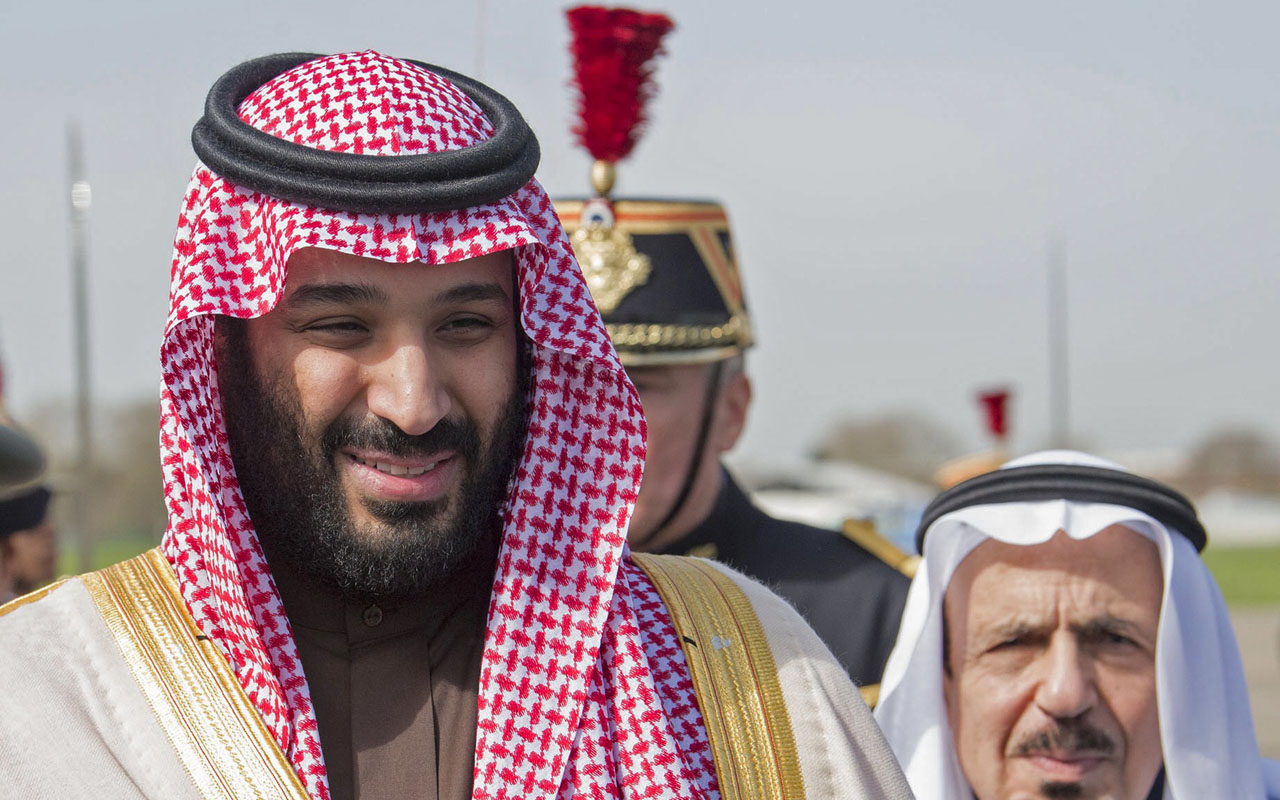
Saudi Arabia has been engulfed by several controversies since Mohammed bin Salman was named crown prince and heir to the throne in June 2017.
Despite moves by the young prince to modernise the economy and society — including lifting a ban on women driving — the kingdom has stepped up repression of religious, intellectual and feminist dissidents.
And the crown prince’s guiding hand is seen behind an increasingly assertive foreign policy.
War in Yemen
Saudi Arabia has since March 2015 spearheaded a regional military intervention in Yemen, in support of a government that is fighting rebels backed by Riyadh’s arch-rival Iran.
The Saudi-led coalition has carried out air strikes that rights groups say have often killed civilians.
On August 9, 51 people, including 40 children, were killed in an air strike on a bus in the northern rebel stronghold of Saada.
The coalition has acknowledged errors but accused the Huthi rebels of using civilians as human shields.
An August 28 report by a United Nations panel of experts accused both sides of violations but said that coalition air strikes had caused “most of the documented civilian casualties” and voiced “serious concerns about the targeting process”.
The Saudi-led coalition accused the report’s authors of inaccuracies.
The UN says there have been nearly 10,000 confirmed deaths in Yemen’s conflict since the coalition’s intervention.
Ritz-Carlton’s ‘gilded cage’
In September 2017, the Saudi authorities arrested around 20 people, including influential preachers and intellectuals.
And on November 4, a vast anti-corruption campaign got off the ground. Riyadh’s luxury Ritz-Carlton hotel served for three months as a de facto detention centre for dozens of princes and senior officials suspected of graft or disloyalty.
A number of suspects, including billionaire Prince Al-Waleed bin Talal, were freed only after paying substantial financial settlements to the authorities.
Hariri’s mysterious resignation
On November 4, 2017, Lebanon’s Prime Minister Saad Hariri made a shock resignation announcement during a trip to Riyadh.
He cited threats to his life back home and blamed Iran for the region’s woes, before reappearing in a television interview days later looking exhausted and prompting rumours he was being detained by the Saudis.
France intervened and Hariri returned three weeks ago via Paris to Lebanon, where he reversed his resignation and said he was open to dialogue with the powerful Iran-backed Hezbollah movement.
Saudi Arabia denied intimidating Hariri into quitting his post and holding him against his will.
Journalist’s disappearance
Mystery surrounds the fate of Saudi journalist Jamal Khashoggi, who has been missing since entering the kingdom’s Istanbul consulate on October 2.
Khashoggi has lived in self-imposed exile in the United States since last year to avoid possible arrest, after criticising Prince Salman and the intervention in Yemen.
Riyadh said the 59-year-old journalist, a contributor to the Washington Post, had left the Saudi consulate shortly after arriving.
But Turkish police believe he was killed by a team of assassins who were sent to Istanbul and departed the same day, according to a government source.
Riyadh called the allegations “baseless”, while Prince Mohammed invited Turkish authorities to search the consulate, stressing his country had “nothing to hide”.