 Follow Us on Google News


 Follow Us on Google Discover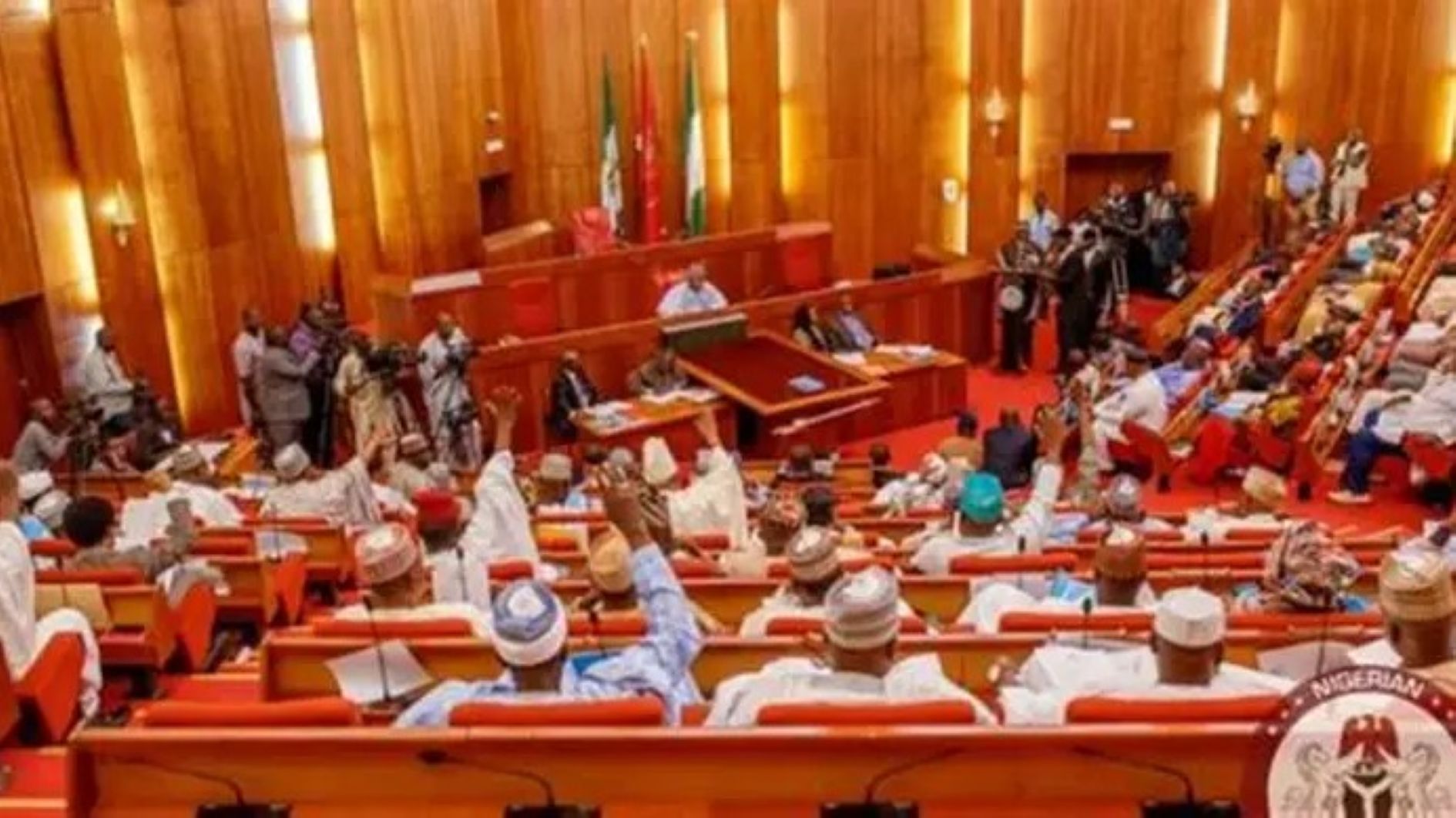
The Senate’s ambitious investigation into the billions of naira in oil and gas revenues suffered a setback yesterday after several key government agencies failed to honour summons before the Senate Public Accounts Committee over issues arising from the Nigeria Extractive Industries Transparency Initiative (NEITI) audit reports.
Affected were the Central Bank of Nigeria (CBN), the Nigerian Upstream Petroleum Regulatory Commission (NUPRC) and the Niger Delta Development Commission (NDDC).
The committee, chaired by Senator Ibrahim Hassan Dankwambo (PDP, Gombe North), reacted angrily to the agencies’ absence, describing it as a blatant disregard for the National Assembly’s constitutional oversight powers and a direct affront to Nigerians who expect transparency and accountability in the management of public resources.
Yesterday’s hearing marked the commencement of a comprehensive legislative investigation into the 2021, 2022 and 2023 NEITI Oil and Gas Industry Audit Reports, a process expected to scrutinise oil sector revenues, remittances to the Federation Account, statutory financial obligations, royalty payments, regulatory compliance and the operational activities of over 60 Ministries, Departments and Agencies (MDAs), regulators, government-owned enterprises, as well as indigenous and multinational oil companies.
Despite formal invitations, public notices published in national newspapers and weeks of advance notice, the invited agencies failed to appear before the committee. Their absence forced the lawmakers to suspend the proceedings after waiting for over an hour.
Visibly displeased, members of the committee accused the agencies of treating the Senate with contempt and undermining legislative efforts to ensure accountability in one of Nigeria’s most strategic economic sectors.

Leading the criticism, Senator Babangida Hussaini described the repeated failure of government agencies to honour Senate invitations as a “recurring decimal,” arguing that such conduct erodes public confidence in democratic institutions and weakens parliamentary oversight.
According to him, the committee derives its investigative powers from the Constitution and the Senate Standing Orders, making compliance with its summons a legal obligation rather than a matter of discretion.
He lamented that lawmakers had cut short their yearly recess and constituency engagements to attend the hearing, only to discover that none of the invited agencies considered it necessary to send either their chief executives or representatives to explain their absence.
Hussaini warned that if the Senate of the Federal Republic of Nigeria could summon heads of agencies and they failed to appear without consequences, it would send the wrong message about accountability in government. He urged the committee to invoke the appropriate constitutional powers to address what he described as a disgrace to the nation.
Similarly, Senator Francis Ndubuezecriticised the agencies for failing to provide any explanation for their absence, noting that no letters were written, no excuses offered and no representatives sent to brief the committee. He argued that such conduct showed a lack of respect for the Senate and its constitutional oversight responsibilities, insisting that the integrity of the National Assembly must be protected.
Following the debate, the committee unanimously resolved to grant the defaulting agencies one final opportunity to appear before it on Thursday, August 6, 2026.
The committee also directed its secretariat to immediately communicate the resolution to all affected organisations and notify them that failure to honour the rescheduled hearing could compel the Senate to invoke its constitutional powers to enforce compliance.
MEANWHILE, the federal government has barred MDAs from awarding contracts, signing agreements, or incurring financial obligations without approved expenditure warrants and cash backing, in a move aimed at strengthening fiscal discipline and improving public financial management.
The directive, contained in a Federal Treasury Circular dated July 31, 2026, and released yesterday, introduces stricter guidelines for implementing the 2026 capital budget as the government seeks to curb the award of unfunded contracts and ensure that spending aligns with available resources.
Signed by the Accountant-General of the Federation, ShamseldeenOgunjimi, the circular was addressed to ministers, permanent secretaries, heads of extra-ministerial departments and agencies, service chiefs, the CBN Governor, the Clerk of the National Assembly, the Chief Registrar of the Supreme Court, heads of diplomatic missions and other federal institutions.
Under the new guidelines, MDAs are prohibited from issuing letters of award, signing contracts, or entering into any financial commitment unless they have first received the appropriate Warrant or Authority to Incur Expenditure (AIE) covering either the full contract value or the portion to be committed.
“In compliance with the provisions of Financial Regulations 318 and 415, respectively, no expenditure shall be incurred except on the authority of a Warrant/AIE (including employee payables),” the circular stated.

