The Socio-Economic Rights and Accountability Project (SERAP), alongside the Nigeria Guild of Editors (NGE), on Tuesday urged President Bola Tinubu, state governors and security agencies to end what they described as the growing harassment and intimidation of journalists, activists, bloggers and civil society organisations across the country.
The appeal followed a joint press conference held in Lagos to mark the 2025 International Human Rights Day, where both organisations warned that the increasing use of restrictive laws and legal actions against critics was eroding democracy, press freedom and the rule of law in Africa’s most populous nation.
SERAP and the editors’ body accused authorities of misusing provisions of the Cybercrimes Act, criminal and penal codes, as well as strategic lawsuits against public participation, commonly known as SLAPPs, to silence critics and peaceful dissent.
They called for the immediate release of all individuals detained solely for exercising their rights to free expression and peaceful assembly, and urged authorities to withdraw what they described as baseless charges currently pending against journalists and activists nationwide.
“The continued use of repressive laws and abusive litigation to intimidate journalists and civil society actors is inconsistent with Nigeria’s Constitution and international human rights obligations,” the groups said in a joint statement read at the event.
They noted that criminal defamation and cybercrime-related prosecutions were generating fear within the media space, restricting the free flow of information and discouraging public accountability.
According to the groups, a legal challenge is currently before the ECOWAS Court contesting the 2024 amendment to the Cybercrimes Act, particularly Section 24 on cyberstalking, which they argued had become a tool for silencing online expression.
They called on law enforcement agencies to suspend the use of the amended law pending the court’s ruling.
The groups also cited recent data highlighting a sharp rise in attacks on journalists. Reporters Without Borders ranks Nigeria 122nd in its 2025 World Press Freedom Index, a drop of 10 places from the previous year.
Local media monitoring group, the Centre for Journalism Innovation and Development, recorded at least 110 verified attacks on journalists in 2024 alone, surpassing the total number recorded in the entire previous year.
The Committee to Protect Journalists reported that several journalists had been detained under the Cybercrimes Act since recent legal reforms.
SERAP and the NGE listed multiple cases involving journalists and digital publishers who were arrested or summoned by police over reports published online.
They warned that the repeated use of cybercrime-related charges, defamation and conspiracy allegations was creating a hostile environment for media practitioners.
They also expressed concern over lawsuits filed by security agencies against critics, including recent cases involving opposition figures, media organisations and civil rights groups.
“The pattern of arrests, prosecutions and lawsuits shows a growing misuse of state power to suppress dissent,” the statement said.
The groups urged the National Assembly to urgently review the Cybercrimes Act and other restrictive legislation to bring them in line with international human rights standards. They also called for the decriminalisation of defamation and the introduction of legal safeguards to protect journalists and activists from abusive lawsuits.
They further appealed to the international community to closely monitor developments in Nigeria and to hold authorities accountable for violations of press freedom and civic space.
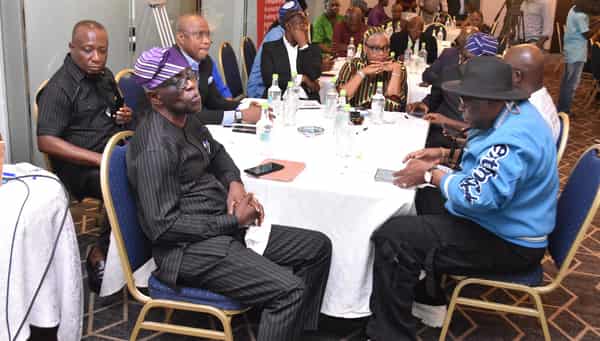
Senior editors, broadcasters and civil society leaders were in attendance at the Lagos event, where participants committed to sustained advocacy to defend media freedom and human rights in the country.
The federal government has not yet responded to the latest call, but officials have previously defended the Cybercrimes Act as a necessary tool to combat digital crime and misinformation, insisting it is not designed to target legitimate journalism.