 Follow Us on Google News


 Follow Us on Google Discover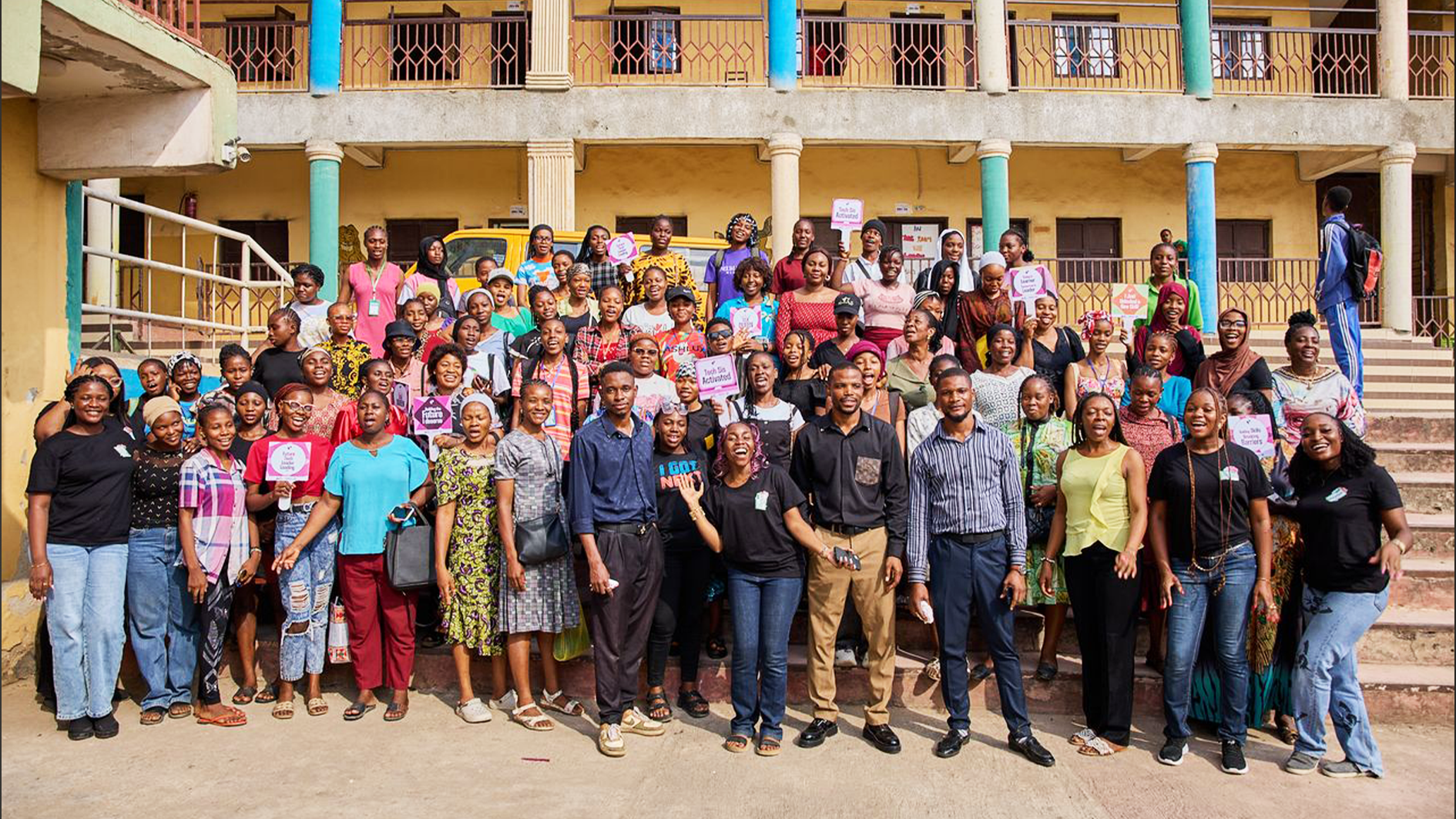
A non-governmental organisation, She Code Africa, has pledged to help bridge the digital literacy gap among women in Nigeria, saying that many still lack basic digital skills.
The organisation also emphasised the importance of digital literacy in empowering women and bridging the growing digital skills gap among young people.
The Programs Manager at She Code Africa, Oreoluwa Adetula, disclosed this in Abuja during the launch of a new training programme aimed at equipping women and girls with basic digital skills required in today’s technology-driven world.
The initiative, organised by She Code Africa and sponsored by HP, follows the successful implementation of a similar digital literacy programme in Ibadan and Oyo State.
The programme is designed for women and girls between the ages of 16 and 35 and focuses on foundational digital skills such as computer usage, internet literacy, and the use of productivity tools including Google Docs and Microsoft Excel.
Adetula, said the initiative was designed to address the low level of digital skill among women in Nigeria, particularly at the grassroots.

According to her, the organisation aims to meet women where they are digitally and equip them with basic skills that will help them participate effectively in the digital economy.
Adetula said: “Across Nigeria, digital literacy is still at a very low level. Our goal is to go to communities where women have little or no digital skills and help them build foundational knowledge that will allow them to grow further in the technology space.
“The world is changing. Not everyone will necessarily get a job. But with digital skills, people can work remotely, build careers as freelancers and offer services to multiple organisations across the world.”
She explained that the training covers understanding digital devices such as smartphones and laptops, internet usage, communication and collaboration tools, as well as employability skills.
She noted that while many young Nigerians aspire to traditional nine-to-five jobs, digital skills now provide alternative opportunities for income generation, including freelancing and remote work.
The programme seeks to move participants from having little or no digital knowledge to acquiring foundational digital competence that can serve as a stepping stone to more advanced skills such as digital design, writing, or other technology-related fields.
Adetula explained that Abuja was selected as the next location after Ibadan because of its strategic central position and the presence of underserved communities in need of such training.
She said Kubwa was specifically chosen due to its unique demographic mix of urban and semi-rural populations, making it an ideal location to reach women who may not ordinarily have access to digital education opportunities.
Also speaking, representative of the Center for Women Initiative, Grace Felix Mandi, said the organisers were able to mobilise women and girls from different parts of the community to participate in the programme.
According to her, participants were drawn from different walks of life, including workers, homemakers and civil servants.
She said: “We mobilised women from places of worship, workplaces and even their homes. We encouraged them to also inform others about the importance of digital literacy and why they should participate.
“Some SS3 students were unable to register because their school mock exams are currently ongoing. But we hope they can benefit from future editions of the programme.”
Mandi noted that many civil servants joined the programme because promotion examinations in many government institutions are now conducted through computer-based testing ), making digital knowledge increasingly necessary.
She, however, revealed that organisers faced some challenges mobilising final-year secondary school students due to ongoing mock examinations.
Participants at the training expressed excitement about the knowledge gained during the sessions.
Mandi, who also participated in the training, described the programme as highly impactful, noting that the response from participants after the first session showed how valuable the initiative was.
Programs Lead at She Code Africa, Mary Omange, said the organisation runs several initiatives aimed at empowering women to build careers in technology and achieve financial independence.
She explained that the organisation operates across Africa, providing both short-term training initiatives and longer academic programmes in areas such as applied sciences, product development and engineering.
According to her, empowering women with technology skills is essential to bridging the gender gap in the technology sector.
She said: “Technology is the status quo today. Everyone is talking about innovation and digital transformation. It is important that women are also empowered with the skills needed to participate in this space.”
Omange emphasised that empowering women has broader societal benefits, as women often contribute significantly to community development.
She called on government institutions to collaborate more with non-governmental organisations to expand digital skills training opportunities across the country.
She added, “One important thing the government can do is provide access and support for organisations like ours that are already working within communities. With collaboration, we can reach more women and create greater impact.”
The organisers also addressed concerns about the misuse of digital skills, particularly in relation to cybercrime.
She explained that the programme includes a cyber awareness component aimed at educating participants on responsible internet use and the dangers of engaging in online fraud.
She urged participants to use the knowledge gained during the programme for positive and productive purposes, adding that, “Technology should be used for good. We encourage participants to focus on building careers, developing skills and contributing positively to society.”

