 Follow Us on Google News


 Follow Us on Google Discover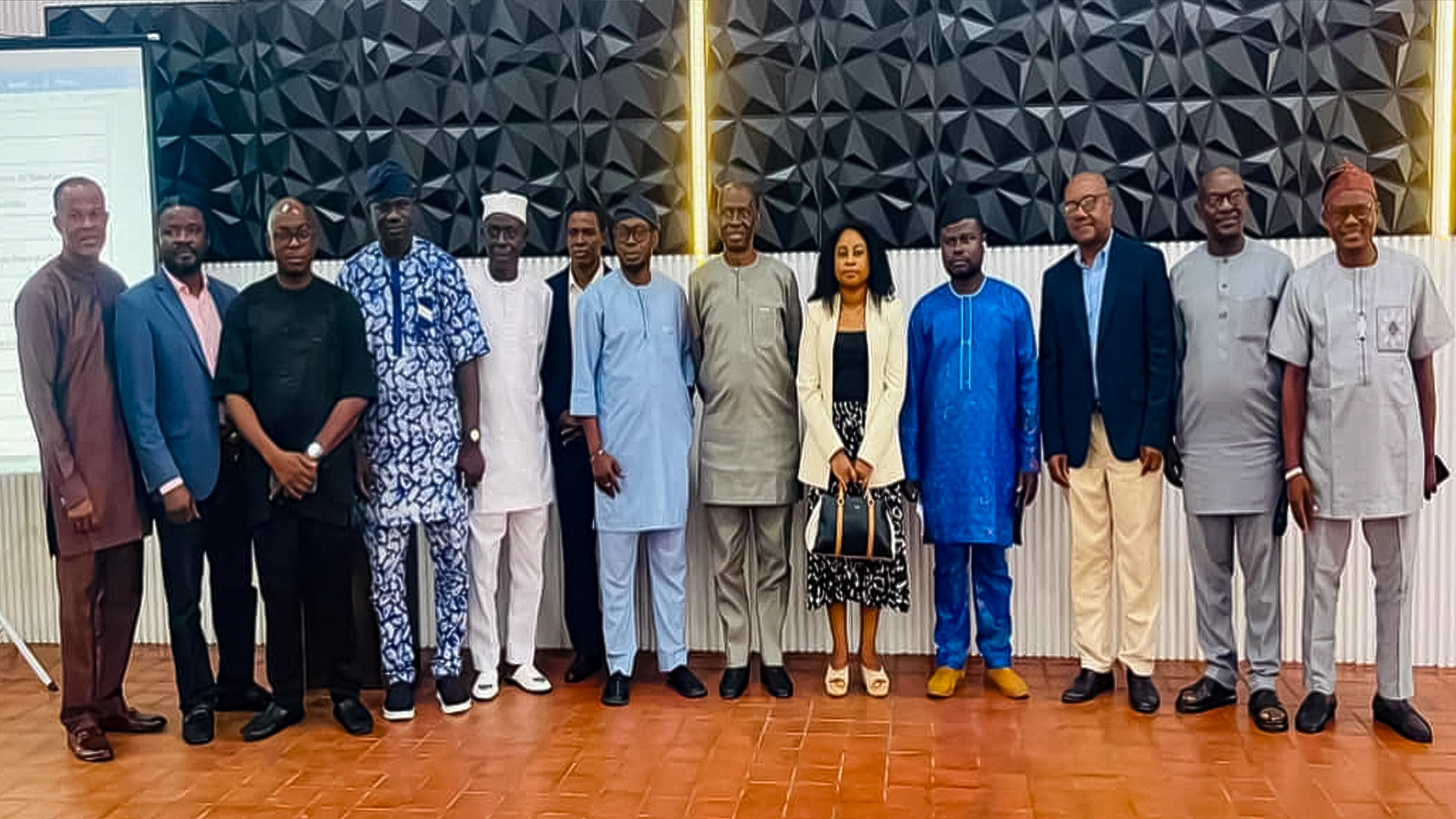
Historians have advocated that the use of artificial intelligence in historical scholarship must be governed by clear institutional guidelines to prevent factual errors, fabricated references, and the erosion of academic integrity.
This was stated in a communiqué issued at the end of the “Futures of History” conference, hosted by the Department of History, Faculty of Arts, Obafemi Awolowo University.
In the communiqué signed by the, Co-Secretary of the OAU International History Conference on behalf of the conference participants and organising committee, Stephen Adewale, stated that the conference brought together scholars to examine the challenges and opportunities facing historical research and teaching in an era of rapid technological change and shifting educational priorities.
The participants emphasised that AI tools can improve searches, transcription, the organisation of research materials, and access to information.
However, they warned that AI outputs may contain factual errors, fabricated references, inherited bias, and claims stripped of their proper context.
They recommended that every quotation, date, citation, and factual assertion supplied by an AI system must be checked against identifiable primary material or reputable secondary scholarship before it can be used.

The communiqué stressed that the proposed institutional guidelines would address ethical AI use, attribution, data protection, academic integrity, and the disclosure of machine assistance in research and teaching.
“Universities and professional associations should establish clear rules for the use of artificial intelligence in historical research and teaching,” the communiqué read.
The conference also called on government, universities, and education authorities to strengthen the teaching of history at every level, warning that a weakening of history education threatens public understanding of identity, institutions, and social change.
According to the communiqué, the discipline could attract greater student interest through supervised digital tools, visual materials, oral history projects, and community-based learning.
With the Vice Chancellor of OAU and Chief Host, Prof. Adebayo Simeon Bamire, represented at the by the Dean of the Faculty of Arts, Prof Gbenga Fasiku, the Head of the Department of History, Dr Shina Alimi, led the conference.
Prof. Abiodun Alao of the African Leadership Centre, King’s College London, delivered the first keynote address, titled “History in Africa and Africa in History: Interrogating the Future of a Discipline’s Relationship with a Continent,” while the second keynote speaker, Prof Tunde Decker of the Department of History and International Studies, Osun State University, spoke on “Stories, Algorithms and Quantum Physics: The Praxis in Between.”
The sessions examined AI and digital media, orality, performance, gender, Afrofuturism, colonial archives, security, Pan-Africanism, higher education, environmental knowledge, and public history.
Beyond AI regulation, participants urged public institutions to invest in the cataloguing, conservation, and digitization of endangered archives, newspapers, photographs, and audiovisual records, adding that preservation projects should provide responsible access and respect the ownership interests of communities.
Researchers were also encouraged to record oral traditions, indigenous languages, local histories, and private collections, particularly materials that have never appeared online and may disappear if left undocumented.
The communiqué also urged historians to recover the experiences of women, young people, workers, minority communities, and other groups that receive limited attention in official records.
Participants called for stronger public engagement by historians through schools, museums, cultural institutions, broadcasting, and responsible digital platforms, emphasizing that reliable scholarship must be made accessible to wider audiences as misinformation spreads rapidly online.
Universities, research institutes, and funding bodies were urged to support mentorship, publication workshops, collaborative networks, and opportunities for early-career scholars.
The conference further recommended sustained attention to environmental history and indigenous ecological knowledge amid climate change and growing pressure on cultural landscapes.

