 Follow Us on Google News


 Follow Us on Google Discover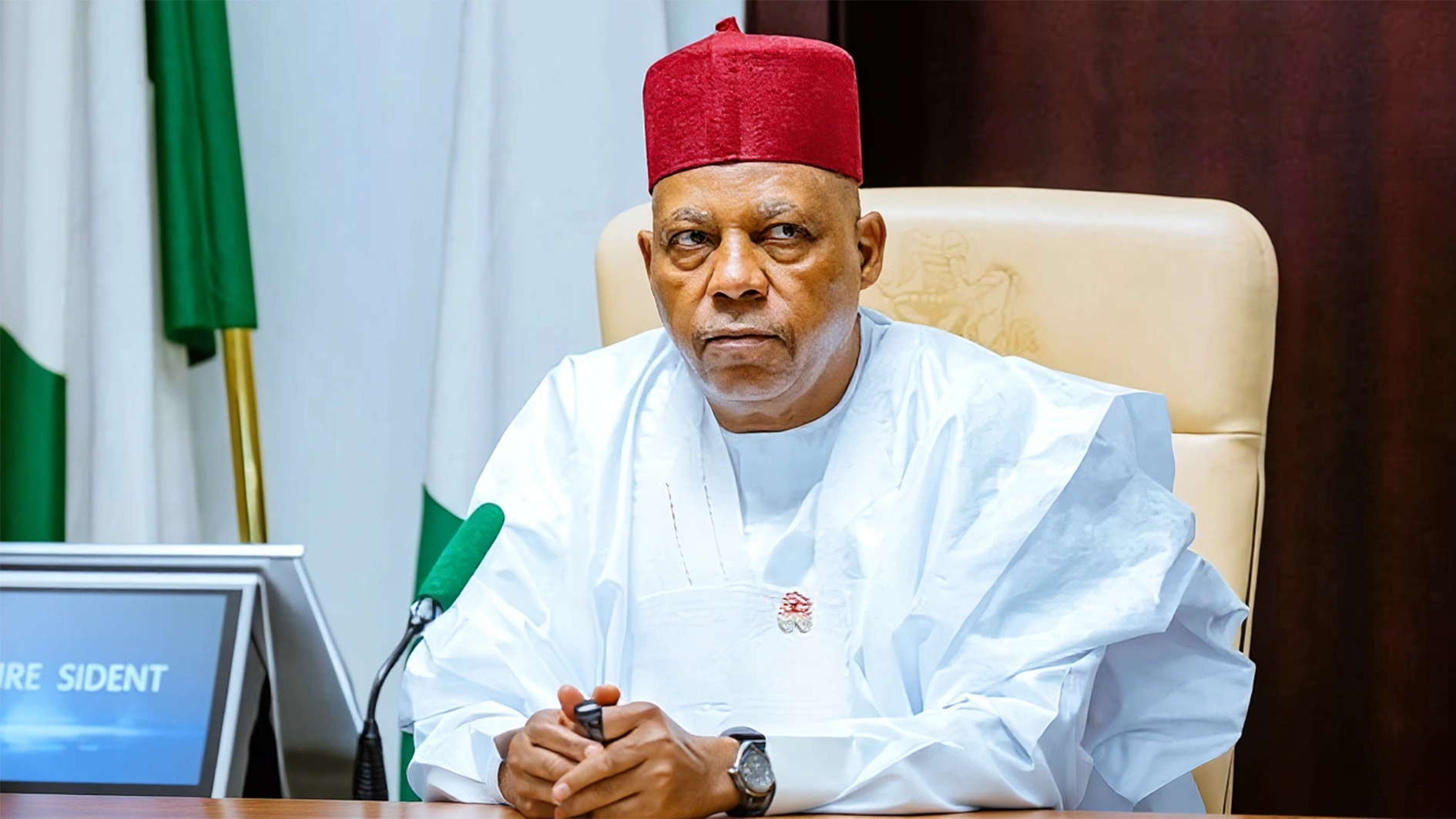
***Hails South-South for choosing agriculture over dependence on oil wealth
Vice President Kashim Shettima on Wednesday launched the $500 million Niger Delta Agricultural Investment Fund, describing it as a landmark initiative that aligns with President Bola Tinubu’s drive to strengthen food security, attract private investment and diversify Nigeria’s economy.
Speaking at the Niger Delta Agricultural Development and Investment Summit, jointly organised by the Office of the Vice President and the Niger Delta Development Commission (NDDC) at the Presidential Villa, Abuja, Shettima said agriculture remains the bedrock of national prosperity and political stability.
He noted that although countries may derive wealth from different natural resources, enduring nations are those capable of feeding their people.
“Agriculture is not merely the foundation of civilisation; it is the first guarantee of political stability. Before a people raise cities, they must learn to feed them, and before a state earns the loyalty of its citizens, it must secure their daily bread,” he said.
The Vice President recalled that Nigeria’s early economic prosperity was built on agriculture, with the groundnut pyramids of the North, cocoa plantations in the West and palm produce from the East and Niger Delta financing public infrastructure before crude oil became the country’s main source of revenue.

He lamented that the discovery of oil gradually weakened the country’s agricultural base, saying Nigeria abandoned the productive culture that once made it self-sufficient in food.
Shettima, however, praised the Niger Delta for refusing to rely solely on its oil resources and instead returning to agriculture as a pathway to sustainable prosperity.
“What makes this vision inspiring is that it comes from a region that could have rested on its oil wealth and left feeding the nation to others. Instead, the Niger Delta has chosen to return to an identity older than crude oil itself. Long before the first barrel was drilled, palm oil from these creeks powered commerce across continents,” he said.
Officially inaugurating the fund, the Vice President described it as a commercially driven, returns-based investment vehicle covering the entire agricultural value chain, including aquaculture, palm oil, cassava, cocoa, rice, horticulture, livestock and marine resources.
He disclosed that the initiative would coordinate financing commitments from multilateral institutions, including the World Bank, African Development Bank, Islamic Development Bank, European Bank for Reconstruction and Development, alongside private investors and commercial financiers.
Shettima also announced the establishment of the Niger Delta Agricultural Development and Investment Council, which he will chair, with the NDDC serving as its secretariat to oversee implementation across the region’s nine states.
According to him, President Tinubu placed food security among the administration’s earliest priorities because no nation can safeguard its future without securing its food supply.
He recalled that the President’s declaration of a state of emergency on food security in July 2023 fundamentally changed Nigeria’s approach to agriculture by prioritising production, market stability and food access.
The Vice President said the administration has backed that policy with major interventions, including the Renewed Hope Agricultural Mechanisation Programme aimed at deploying 10,000 tractors over five years, local tractor assembly plants, the John Deere Tractorisation Programme, the Green Imperative Programme and the Greener Hope Project.
He added that these interventions, coupled with reforms led by the Minister of Agriculture and Food Security, Senator Abubakar Kyari, have contributed to significant reductions in the prices of several staple food commodities, with some declining by as much as 50 per cent.
Calling on investors, development partners and state governments to support the initiative, Shettima said the summit should mark the beginning of sustained collaboration rather than a ceremonial event.
“The fund has been launched, commitments have been aligned, the council has been constituted, and the pipeline of projects is ready. What remains is the collective commitment to deliver results,” he said.
Earlier, Minister of Regional Development Abubakar Momoh said the Tinubu administration has placed agriculture at the centre of its economic transformation agenda because of its enormous potential for job creation, wealth generation and rural development.
He said the National Regional Development Policy recognises the comparative advantages of every region and urged development partners, private investors and state governments to work together to unlock the Niger Delta’s agricultural potential.
In his keynote address, Chairman of Origin Group, Prince Samuel Joseph, commended the Federal Government for repositioning the NDDC to drive sustainable economic development in the Niger Delta through agriculture and other strategic initiatives.
Managing Director of the NDDC, Dr. Samuel Ogbuku, described the summit as the beginning of a long-term partnership aimed at unlocking the region’s vast agricultural potential through strategic investments, job creation and enhanced food security.
Chairman of the NDDC Governing Board, Chiedu Ebie, said the Niger Delta must move beyond unrealised potential by creating opportunities for young people, expanding farmers’ access to finance, technology, infrastructure and markets, and promoting inclusive, sustainable economic development across the region.

