 Follow Us on Google News


 Follow Us on Google Discover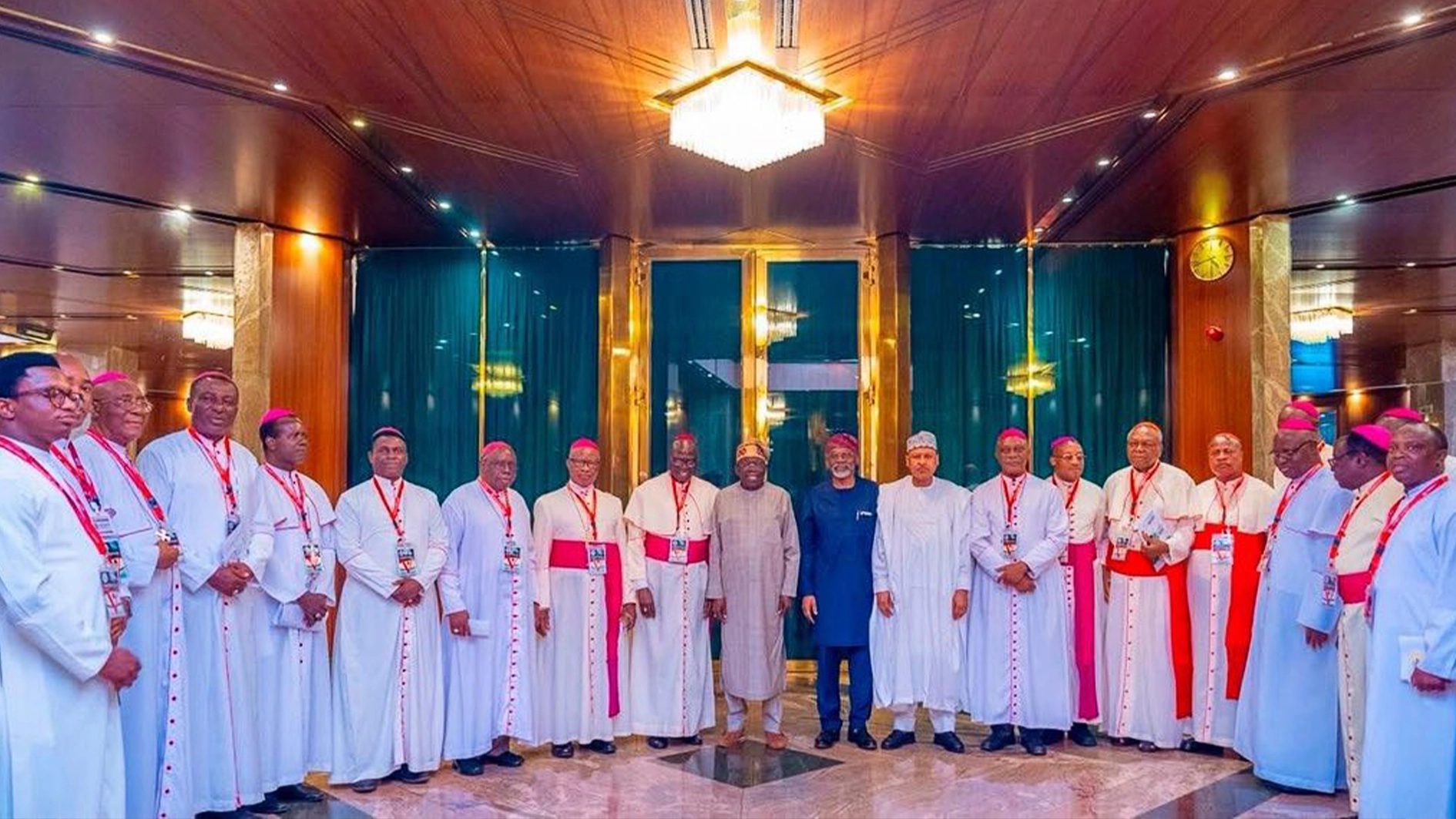
…Says Government Is ‘Waging War on the Truth’
Former Labour Party presidential candidate, Peter Obi, has criticised the Federal Government over its response to recent comments by the Catholic Bishops’ Conference of Nigeria (CBCN), accusing the Tinubu administration of becoming increasingly intolerant of criticism instead of addressing the country’s mounting economic and security challenges.
In a statement titled “When a Government Declares War on the Truth,” Obi said Nigeria’s worsening insecurity, poverty, inflation and unemployment require honest engagement rather than attacks on those who draw attention to the nation’s realities.
He argued that the Catholic Church has never acted as a political opposition, noting that the Catholic Bishops’ Conference has consistently served as the nation’s moral conscience by commending governments when necessary and speaking out whenever justice and the public good were threatened.
According to him, other major religious bodies, including the Christian Association of Nigeria (CAN), the Nigerian Supreme Council for Islamic Affairs (NSCIA), Jama’atu Nasril Islam (JNI) and the Supreme Council for Shari’ah in Nigeria (SCSN), have similarly expressed concerns over the country’s worsening socio-economic conditions because they interact daily with citizens affected by hardship.
Obi maintained that leaders should welcome constructive criticism instead of treating every dissenting voice as political opposition.

Drawing from his experience as governor of Anambra State, he said regular engagement with traditional rulers and religious leaders—many of whom openly criticised his administration—helped improve governance, particularly in education and healthcare.
The former presidential candidate described the attacks on the Catholic Bishops and Cardinal John Onaiyekan following their recent remarks on national issues as disturbing and unnecessary.
He recalled that even under military rule, religious leaders were not vilified for speaking truth to power, citing the 1998 visit of Pope John Paul II to Nigeria when the late pontiff openly challenged the regime of General Sani Abacha over democratic governance and the detention of Chief Moshood Abiola.
Obi also questioned what he described as a contradiction in the Federal Government’s relationship with the Catholic Church, noting that President Bola Tinubu had demonstrated respect for the institution by attending the inauguration of Pope Leo XIV in Rome, only for his aides and supporters to later launch attacks on senior Catholic clerics at home.
He accused government officials of attempting to reduce national concerns raised by the bishops to a religious issue, insisting that insecurity, inflation, unemployment and poverty affect Nigerians irrespective of faith or ethnicity.
“The bishops merely expressed what millions of Nigerians experience daily,” Obi said, adding that the concerns they raised reflect the realities confronting ordinary citizens across the country.
He argued that instead of responding to the substance of those concerns or outlining concrete measures to address them, government officials chose to target the personalities of the bishops, particularly Cardinal Onaiyekan.
Obi urged the administration to embrace criticism as an essential component of democratic governance, stressing that governments earn public confidence by responding to facts with solutions rather than attacking those who speak uncomfortable truths.

