 Follow Us on Google News


 Follow Us on Google Discover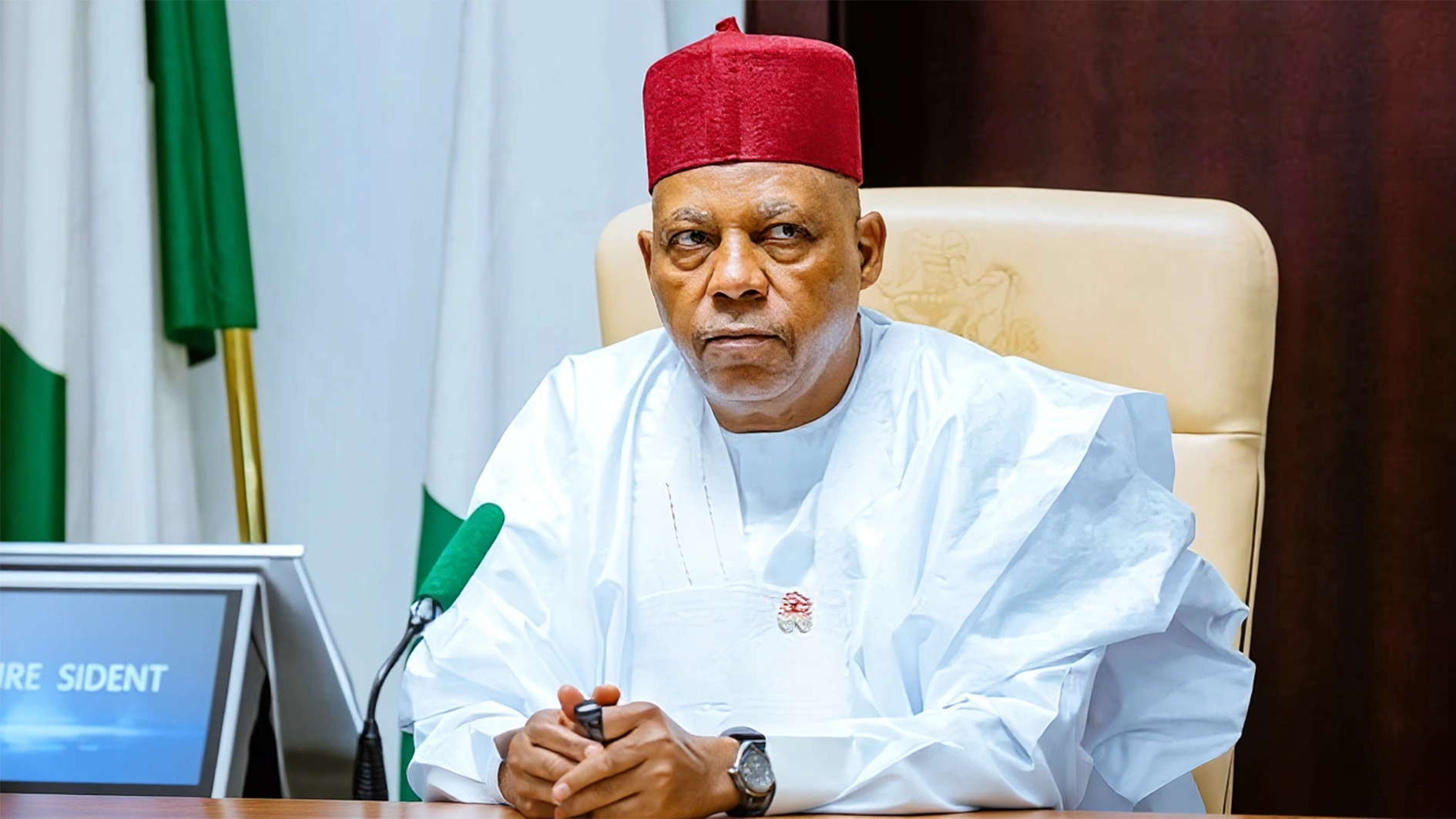
Vice President Kashim Shettima has directed the immediate activation of a national early warning and coordination platform to strengthen Nigeria’s preparedness against flooding as the rainy season reaches its peak.
The directive, issued on Thursday during a meeting of the Anticipatory Action Task Force (AATF) at the Presidential Villa, Abuja, is aimed at ensuring a coordinated and proactive response to flood threats across the country.
Shettima also instructed the National Emergency Management Agency (NEMA), the AATF and other relevant agencies to review implementation plans in line with approved budgetary allocations, establish clear priorities and fast-track the deployment of resources for flood preparedness.
The Vice President said the administration of President Bola Tinubu was committed to replacing the country’s traditional reactive approach to disasters with a proactive system built on preparedness, coordination and early action.
“As climate and disaster risks become more frequent and severe, our responsibility can no longer be limited to responding after emergencies occur,” he said.
“We must act early to reduce losses, protect vulnerable communities and prevent disasters from escalating.”

Shettima, who chairs the AATF, announced plans to operationalise the Fusion and Trigger Room within NEMA as a national coordination hub for disaster preparedness and anticipatory action.
According to him, the platform will integrate risk monitoring, weather forecasting, trigger activation, inter-agency coordination and timely decision-making to improve Nigeria’s emergency response capacity.
“I am directing that technical consultations begin immediately to operationalise the Fusion and Trigger Room concept within NEMA as a national platform for coordination and early action,” he said.
He further directed all technical agencies to immediately update implementation plans in line with approved allocations and ensure that bureaucratic delays do not hinder the timely release and utilisation of funds.
“Anticipatory action rises or falls on speed and readiness. Resources meant for preparedness and early response must be available precisely when they are needed.
“To wait until disaster strikes before releasing already approved resources defeats the very purpose of acting early,” the Vice President said.
Shettima also called on state governments to take ownership of flood preparedness efforts, stressing that effective disaster management cannot be achieved through federal coordination alone.
“I call on our state governors and state institutions to participate actively and lead implementation within their jurisdictions. Federal coordination alone will never be sufficient,” he said.
“As Chairman of this national coordination effort, I will continue to engage stakeholders to ensure that political commitment translates into practical action and measurable preparedness on the ground.”
Earlier, Minister of Humanitarian Affairs and Poverty Reduction, Dr Bernard Doro, described the Federal Government’s approval of funds for anticipatory flood action as a timely and strategic intervention.
He advocated a centrally coordinated implementation framework that would leverage the National Social Register, digital payment platforms and close collaboration with state governments to deliver assistance efficiently.
Also speaking, the United Nations Resident and Humanitarian Coordinator in Nigeria, Mohamed Fall, commended President Tinubu’s administration for approving funds for anticipatory flood action, describing the decision as a demonstration of political will, national ownership and forward-looking leadership.
He noted that investments in anticipatory action had consistently saved lives, protected livelihoods and reduced the economic impact of disasters in many countries.
“Whenever Nigeria undertakes an initiative of this magnitude, it becomes a model for the rest of the continent. That is why this approval is significant to all of us,” Fall said.
The Director-General of NEMA, Mrs Zubaida Umar, assured that the agency had already identified priority areas at risk and issued early warning advisories.
She said the intervention fund approved by the National Economic Council (NEC) would help prevent loss of lives, protect livelihoods and strengthen community resilience against flooding.
Last week, the NEC approved an N83.2 billion intervention fund to support anticipatory action and coordinated flood preparedness nationwide.

