 Follow Us on Google News


 Follow Us on Google Discover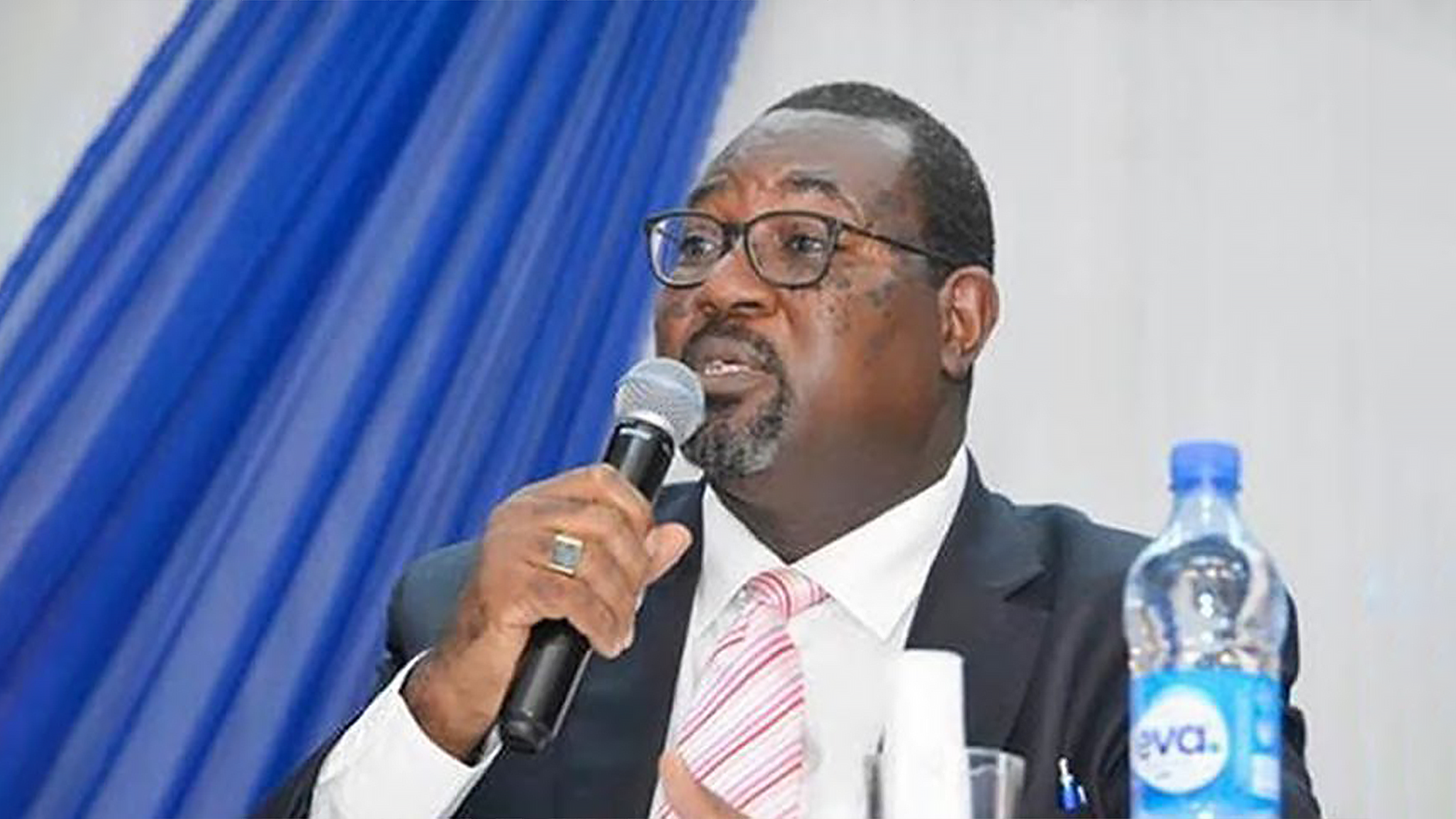
As debate continues over the feasibility of Nigeria achieving a $1 trillion economy by 2030, stakeholders in the economy and business sectors have argued that the ambition is possible if the country can sustain a compound annual growth rate (CAGR) of about 28.02 per cent between 2026 and 2030.
The stakeholders, including the President of the Chartered Institute of Directors (CIoD), Adetunji Oyebanji, said attaining the ambitious target would require decisive leadership, disciplined execution, sustained economic growth, consistent policies, increased infrastructure investment and stronger private-sector participation.
Speaking at the 42nd Omolayole Management Lecture (OML) organised by AIESEC Alumni Nigeria, with the theme, ‘One Trillion Dollar Economy, What Will It Take for Nigeria to Achieve the Goal’, Oyebanji emphasised that the 28.02 represented the required benchmark that must be met if the country desires to meet the target.
He said: “Applying this growth rate consistently each year produces a progressive increase in nominal GDP from $372.28 billion in 2026 to $476.60 billion in 2027, $610.15 billion in 2028, $781.12 billion in 2029, before reaching the $1 trillion milestone in 2030.”
Highlighting the necessary steps that must be taken to achieve a trillion-dollar economy, Oyebanji called on the government to maintain macroeconomic stability through disciplined fiscal and monetary policies aimed at reducing inflation, stabilising the exchange rate and strengthening investor confidence.
He also urged authorities to ensure policy consistency by creating a predictable regulatory environment, reducing policy reversals and improving coordination among government institutions.

Calling for accelerated infrastructure investment, particularly in electricity, transportation, ports, railways, broadband and logistics, he said it would help reduce the cost of doing business and raise productivity.
Further, he recommended stronger domestic revenue mobilisation, including full implementation of the Nigeria Tax Act 2025, expansion of the tax base, improved tax compliance and the use of digital tax administration to reduce revenue leakages.
He also advocated private sector-led growth through measures to improve the ease of doing business, reduce bureaucratic bottlenecks, protect property rights and increase businesses’ access to long-term finance.
Oyebanji, however, dismissed doubts that Nigeria cannot become the next 22 among countries to reach a one-trillion-dollar economy, saying the country possesses considerable opportunities such as being Africa’s largest technology ecosystem, a rapidly expanding financial services industry, significant agricultural potential, vast mineral resources, an increasingly vibrant creative economy and a strategic geographic position within the African Continental Free Trade Area (AFCFTA).
In his remarks, Dr Michael Omolayole said that Nigeria had what it would take to achieve a three-trillion-dollar economy if it could fix the manufacturing and the power sector.

