 Follow Us on Google News
 Follow Us on Google Discover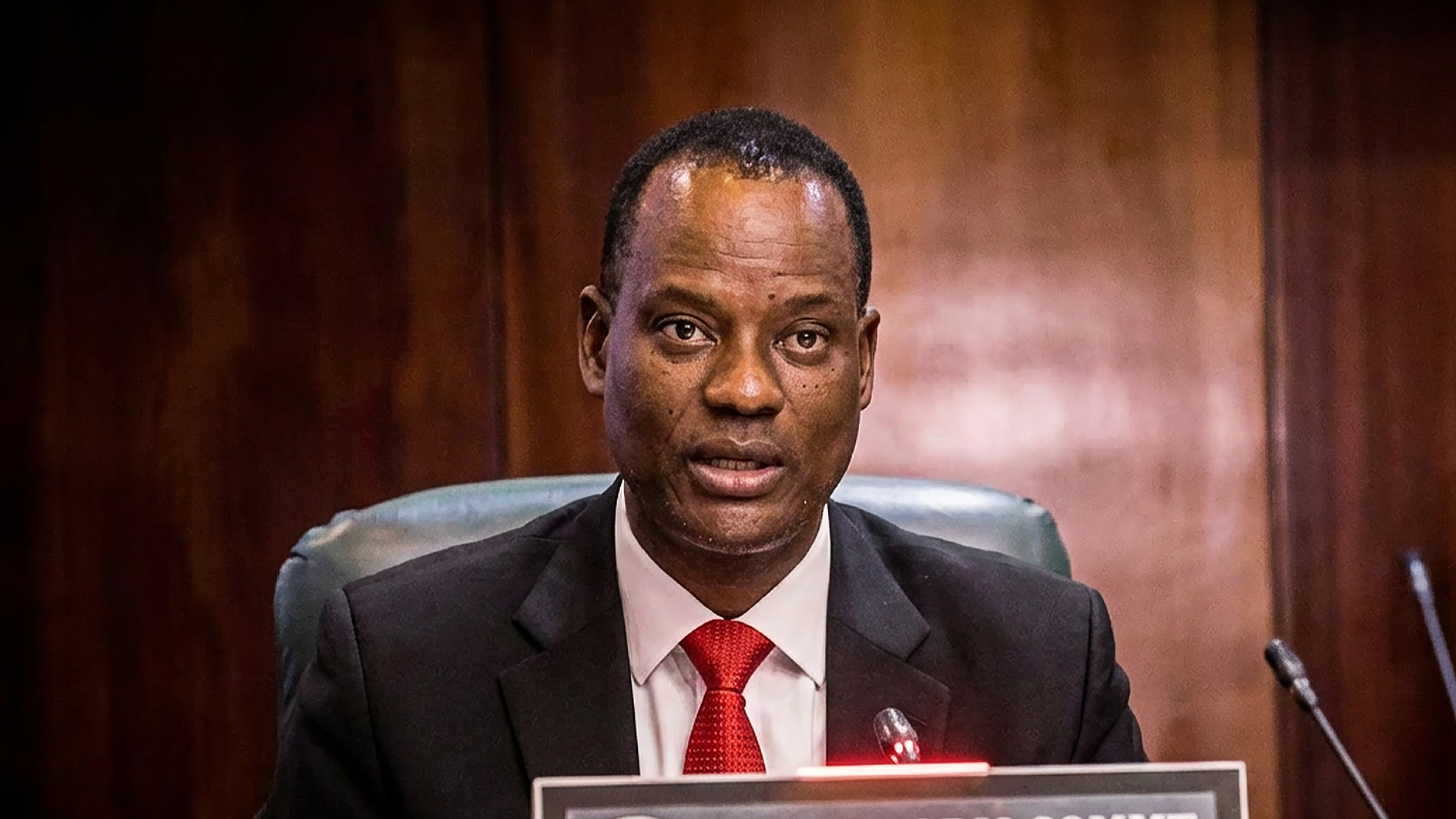
• Telecoms driving ICT’s 16.35% GDP contribution
The Federal Government said Nigeria is on course to achieving its $1 trillion economy target by 2030, following an acceleration in real gross domestic product (GDP) growth to 4.43 per cent in the second quarter of 2026.
The Minister of Finance and Coordinating Minister of the Economy, Taiwo Oyedele, in a statement issued yesterday, said the Q2 growth represented an improvement from the 4.23 per cent recorded in the corresponding period of 2025 and 3.89 per cent in the first quarter of this year.
The statement, which was posted on the minister’s X account, said the latest performance lifted real GDP growth in the first half of 2026 to 4.16 per cent, compared with 3.68 per cent recorded in the corresponding period of 2025.
According to the minister, the expansion is also becoming more broad-based, with 27 economic subsectors recording real growth above three per cent in Q2, against 23 subsectors in Q2 of 2025.
He noted that the productive sectors were among those driving the improvement, with manufacturing growth rising to 3.24 per cent from 1.6 per cent in Q2 2025, while agriculture expanded by 4.39 per cent from 2.82 per cent.

Services, which the minister identified as the largest driver of growth, also grew by 4.6 per cent in the quarter, compared with 3.94 per cent in the corresponding period of 2025.
Oyedele attributed part of the increase in the economy’s value in dollar terms to the relative stability and appreciation of the naira.
He said the naira appreciated by more than 12 per cent between the first half of 2025 and the first half of 2026, resulting in an estimated 17 per cent expansion of the economy in dollar terms over the period.
If the trend is sustained alongside the social programmes, he said, it would strengthen dollar incomes, improve purchasing power and lift millions of Nigerians out of poverty.
He added that the current growth momentum placed Nigeria in a position to consolidate the country’s status among Africa’s largest economies and advance towards the government’s $1 trillion economy target by 2030.
He said the International Monetary Fund (IMF) had ranked Nigeria among the top 10 contributors to global real GDP growth in 2026, projecting that the country would account for about 1.5 per cent of global growth in the year.
Meanwhile, the telecommunications sector has emerged as a powerful engine of growth within Nigeria’s ICT sector, driving nearly 10 per cent of the industry’s overall 16.35 per cent contribution to GDP in the second quarter of 2026.
The performance underscores the sector’s resilience and its critical role in sustaining the nation’s digital economy, even amid broader macroeconomic challenges. With expanding mobile penetration, rising data consumption and ongoing infrastructure investments, telecoms continue to anchor ICT’s influence on national productivity.
Telecommunications accounted for about 9.72 per cent of the ICT sector’s contribution to Nigeria’s GDP, according to data from the National Bureau of Statistics (NBS).
The figures reflected the deepening integration of digital services into everyday life and business operations. From mobile banking to e-commerce and remote work solutions, telecom networks are enabling new efficiencies and opportunities across industries.
Further breakdown showed that the telephony industry contributed about N5.2 trillion ($3.8 billion) to the country’s real gross domestic product in the second quarter of 2026, underscoring the growing importance of digital services to Africa’s largest economy.
To consolidate the sector’s growth, MTN Nigeria has unveiled new plans to bridge fibre gaps in the country.
MTN, in an announcement on Tuesday, said it will expand that frontier with its ‘FlyX’ broadband solution, which delivers speed, unlimited data, reliability and seamless Internet experiences to homes and small businesses.
MTN FlyX is the techco’s broadband solution built around a range of Outdoor Units (ODUs) with indoor components, powered by the network’s 4G and 5G capabilities. The ODUs are designed to capture stronger signals in areas where indoor reception is weak and fibre is not yet available, extending reliable, high-speed Internet to more homes and businesses.
As Nigeria’s digital economy continues to evolve, the demand for consistent, high-speed connectivity has grown across households, entrepreneurs and remote workers. MTN FlyX responds to this need with plug-and-play functionality and minimal installation requirements, helping users get connected quickly and stay online for streaming, remote work and everyday digital activities.
It offers a more flexible pathway to broadband, extending coverage to urban, peri-urban and underserved areas where deployment challenges have historically limited access to reliable Internet.
Speaking on the innovation, MTN Nigeria’s Chief Broadband Officer, Egerton Idehen, said: “At MTN, our focus is on building solutions that respond to real connectivity challenges. FlyX is a clear example of how we are using our network strength to rethink broadband delivery, making it faster to deploy, easier to access and more responsive to the needs of Nigerians.”

