 Follow Us on Google News


 Follow Us on Google Discover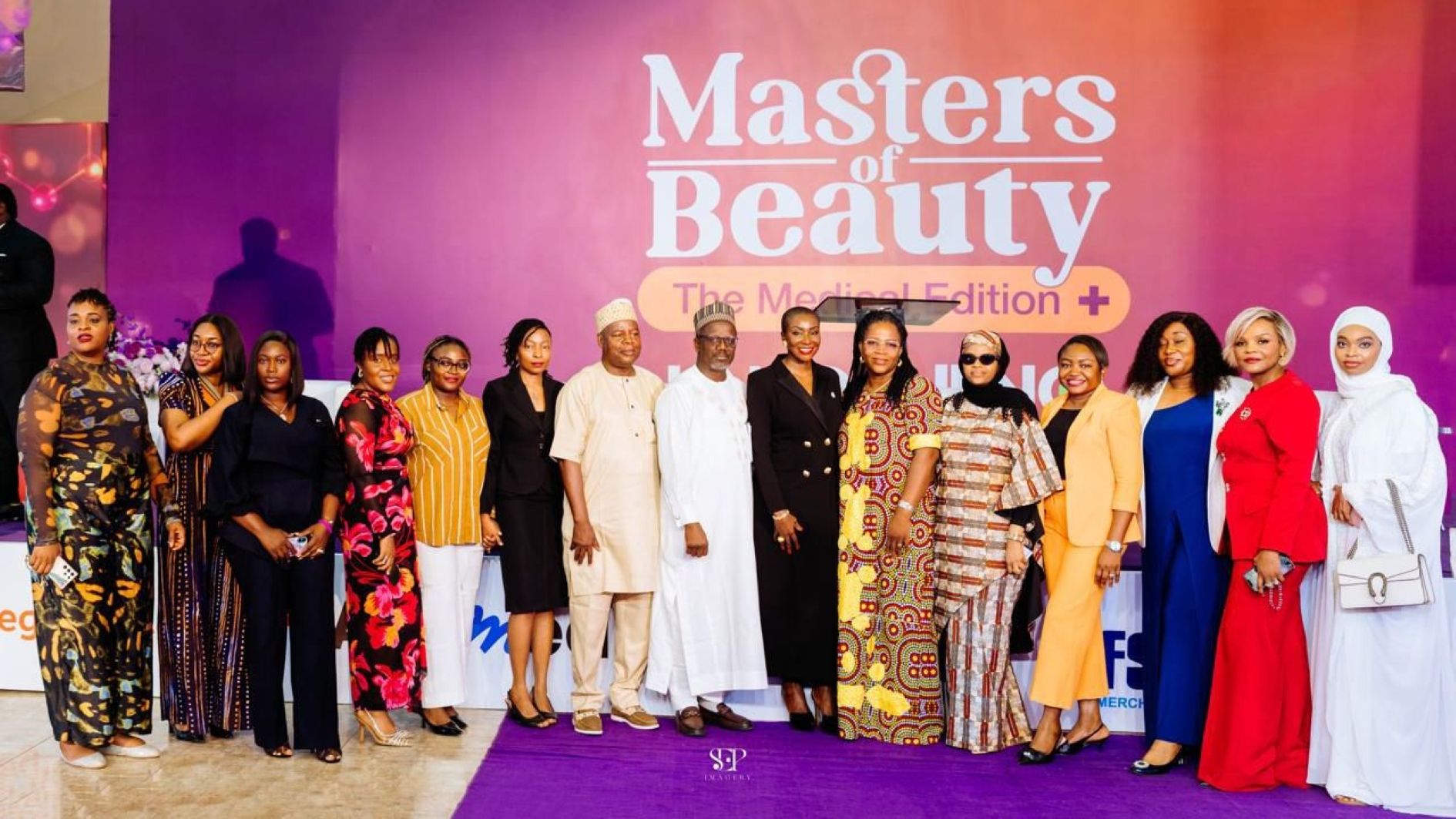
Stakeholders in Nigeria’s fast-growing aesthetic medicine industry have called for stronger regulation, improved collaboration, and continuous professional training as the sector expands and begins to reduce the country’s foreign-exchange outflows through medical tourism.
The calls were made in Abuja at the second edition of Masters of Beauty, organised by the Unno Health Group for professionals across West Africa, bringing together dermatologists, aesthetic physicians, plastic surgeons, nurses and other practitioners in the field.
Founder and Chief Executive Officer of Unno Health Group, Dr Hilda Titiloye, said the absence of clear boundaries between different levels of practitioners had created risks for patients, stressing the need for defined roles and collaboration across specialities.
“What the plastic surgeon does is different from what another practitioner can do. Everyone must stay within their scope while working together so that the patient, who is the primary beneficiary, is protected and receives value,” she added.
She also stressed the economic impact of the sector, noting that improved local capacity in aesthetic medicine is beginning to reverse outbound medical tourism.
“A lot of procedures Nigerians used to travel abroad for are now being done locally. This helps retain foreign exchange and creates employment opportunities across different skill levels, from vocational workers to highly trained medical professionals,” she said.

Titiloye noted that the event was designed to build a structured ecosystem for aesthetic medicine in the region, combining service delivery, manufacturing and education.
According to her, the group is working to foster a professional community that can collectively advocate for standards and policies that will “sanitise” the industry and ensure patient safety.
“We are trying to build a community of beauty professionals in the medical space where people can learn from each other and promote continuous professional development. At the same time, we want to form a strong voice that can push for laws and structures that will guide the practice now and in the future,” she said.
Also speaking, Chief Executive Officer of NigerMed Skincare Clinic, Dr Mohammed Danmallam, warned that the rapid commercialisation of the industry, driven largely by social media trends, risks undermining its medical foundation.
He stressed that aesthetic medicine must remain grounded in clinical science, ethics and patient safety, rather than profit or popularity.
“Beauty has become instant, filtered and commercialised. Procedures are marketed like commodities, but we must ask whether we are prioritising aesthetics at the expense of medicine,” he said.
Danmallam cautioned against the growing involvement of unqualified practitioners, describing it as a significant risk to patients.
“As the industry expands, we are seeing more poorly trained individuals entering the space, driven by commercial opportunity. The value of proper training, regulation and continuous education cannot be overemphasised,” he said.
He also raised concerns about the “medicalisation of normality”, where natural features such as ageing and skin texture are increasingly treated as conditions requiring correction, often influenced by unrealistic digital standards.
“We must decide whether we will become an industry that profits from insecurity or remain a medical discipline that promotes realistic, patient-centred care,” he added.
On the regulatory front, Professor of Medicine and Consultant Dermatologist, Perpetua Ibekwe noted that Nigeria currently lacks a dedicated regulatory board for aesthetic medicine, leaving oversight fragmented across multiple agencies.
She explained that existing oversight is shared among bodies such as those regulating medical professionals, consumables, healthcare facilities and consumer protection, but none is solely responsible for the sector.
“The implication is that you have different categories of practitioners with varying levels of training operating in the same space without a unifying authority to enforce standards,” she said.
While acknowledging that a dedicated board could help streamline practice and enforce compliance, Ibekwe argued that malpractice should still be treated as a criminal issue regardless of regulatory gaps.
“A board can help sanitise the space, but even without one, offering services you are not competent to perform is a criminal offence,” she added.
Founder of AfroMed International, George Chabtini, pointed to the rapid expansion of the industry, estimating that the number of aesthetic clinics in Nigeria has grown from a few hundred to nearly 1,000 within a few years.
He described the sector’s growth as a “snowball effect”, driven by increasing demand for cosmetic and dermatological procedures.
“The next two to three years are very exciting for this space, but what needs to change is more regulation and more education for consumers,” he said.
Similarly, consultant dermatologist Dr. Gboyega Olarinoye emphasised the importance of developing an African-centred approach to beauty and aesthetic practice, rather than relying solely on foreign standards.
He noted that building local expertise and adapting global knowledge to local realities would not only improve outcomes but also make services more affordable and accessible.
“If we study ourselves and define solutions that work for our population, the results will be better and more practical. This goes beyond reducing medical tourism; it improves quality of care overall,” he said.

