How Nigeria can win war on drug abuse, illicit trafficking, by NDLEA boss
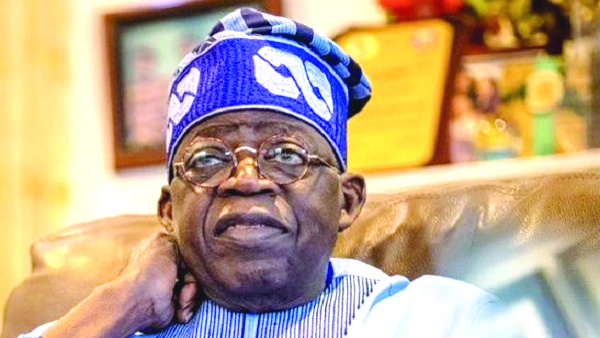
President Bola Tinubu has warned against social stigmatisation of drug use victims, which he said prevents them from accessing care and support.
He spoke, yesterday, during an occasion to mark International Day against Drug Abuse and Illicit Trafficking, at the Presidential Villa, Abuja, where he endorsed the theme of the celebration: ‘People First: Stop Stigma and Discrimination, Strengthen Prevention’.
According to him, the theme stresses the need to prioritise the wellbeing and dignity of individuals affected by drug abuse, recognising their inherent worth and the importance of providing them with effective prevention and treatment interventions.
He said: “We could not agree less with the importance of this theme, now that the most vulnerable population, especially women, young people, people living in marginalised environments, high-risk drug users, people displaced by armed conflicts or natural disasters and people in rural settings, are exposed to stigma, discrimination and exclusion from mainstream opportunities.
“These groups often face barriers in accessing healthcare and social services within the society in addressing their drug use problems. Therefore, interventions to address drug use and its associated consequences need to be mindful of the fundamental rights of every individual.
“Stigma, both social and structural, which continues to affect people who use drugs and implicated as one of the most common barriers to access support and services must be removed.”
Also, speaking at the occasion, Speaker of the House of Representatives, Tajudeen Abbas, stressed the need for empathy for drug use victims, saying addiction is not a death sentence.
Represented by his deputy, Benjamin Kalu, he expressed readiness of the National Assembly to support all Federal Government policies that engender gainful engagements of Nigerians, especially youths who are prone to drug abuse.
Meanwhile, Chairman and Chief Executive Officer of National Drug Law Enforcement Agency (NDLEA), Brig. Gen. Buba Marwa (rtd), on his part, hinged winning the war against illicit drugs on active collaboration of all stakeholders.
He said rather than stigmatisation, persons caught in the web of drug addiction deserve sympathy and support. According to him, “by focusing on ‘people first’, we recognise that individuals struggling with drug abuse are not defined solely by their addiction.”
Marwa explained: “They are human beings with inherent dignity, deserving of understanding, empathy and support. Hence, we must work to break down barriers that prevent people from seeking help.”
The NDLEA boss noted that a key part of the task is “addressing stigma and discrimination in attitudes and practices that create additional hurdles for those seeking assistance.”
He lamented that prejudices often hinder access to healthcare, employment and social support systems, adding that “by raising awareness, educating communities and promoting acceptance, we can challenge these harmful stereotypes and foster a society that embraces individuals on their path to recovery.”
Marwa disclosed further that NDLEA commissioned a Drug Abuse Call Centre with a 24/7 toll-free helpline to attend to individuals with drug challenges and their families.
He said: “The centre is manned by a team of professionals, including psychologists, psychotherapists, counsellors, social workers, mental health specialists and psychiatry doctors that provide support to people who use drugs and their family members, without fear of being judged or stigmatised, to facilitate recovery and manage social and emotional problems, thereby improving their quality of life.”
He said NDLEA has intensified operations, expanded intelligence networks and collaborated with local and international partners to dismantle drug cartels, seize illicit drugs and bring perpetrators to justice.
He added that in the past 29 months, the agency brought 31,675 drug offenders to book, among who were 35 barons. According to him, 5,147 persons have earned jail terms, while over 6, 252 tons of illicit drugs have been seized. Also, some of the prosecuted offenders have forfeited their ill-gotten wealth to the government.