 Follow Us on Google News


 Follow Us on Google Discover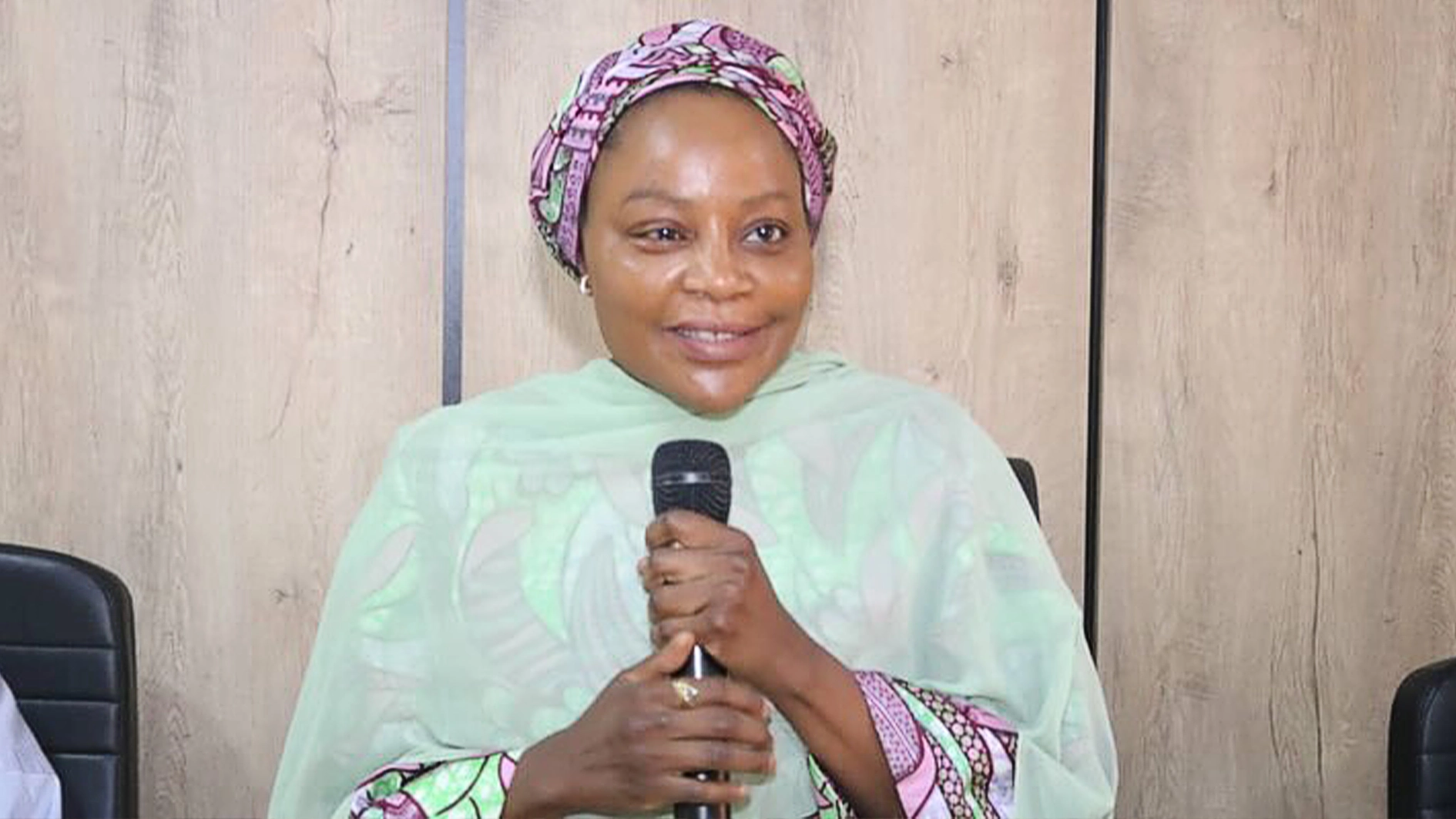
The Universal Basic Education Commission (UBEC) has kicked off the implementation of the HOPE-EDU programme, a new intervention to foster equal opportunity for children of school age to access basic education in Nigeria.
The World Bank and Global Partnership for Education-funded programme is being anchored by UBEC in collaboration with State Universal Basic Education Boards (SUBEBs) to reduce out-of-school children in the country by 29 million.
Speaking at the opening of a two-day sensitisation on Implementation of HOPE-EDU programme yesterday in Kano, UBEC Executive Secretary, Dr Aisha Garba, explained that the intervention, worth $552.18 million funding from the foreign partners, is intended to complement the government’s basic education in the areas of technical support, school enrolment and increasing infrastructure for more impactful results.
Garba observed that the programme, which aligned with President Bola Tinubu’s Renewed Hope Agenda, is tailored to empower 500,000 teachers, construct 13,000 classrooms, and return millions of out-of-school children to school nationwide.
Unlike the counterpart funding model between UBEC and SUBEBs, Garba submitted that state boards, which are the key drivers of the programme, would be offered grants and technical assistance under the HOPE-EDU platform after fulfilling certain requirements.
She said the two-day event, which brought together heads of SUBEB in North West and North East states, was designed to educate participants on the operational and implementation guidelines of the programme.

Kano State Commissioner for Education, Dr Ali Haruna Makoda, expressed the state’s readiness to take advantage of the programme to improve the quality of teaching and learning in public basic schools.

