 Follow Us on Google News


 Follow Us on Google Discover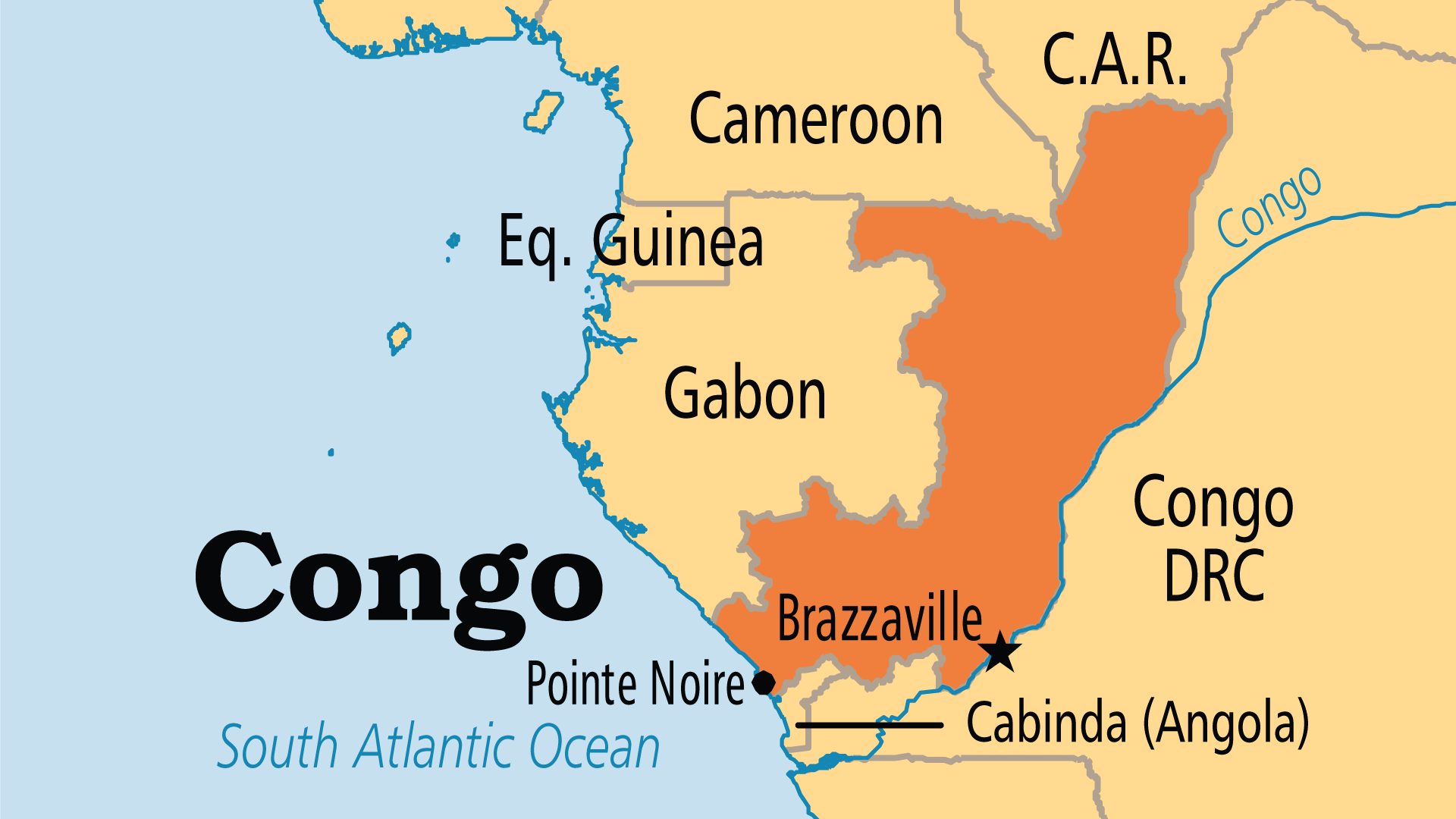
At a time when the Republic of Congo has focused its efforts on restoring public order in the capital, an old problem has resurfaced in another region of the country. Events in the Pool department, linked to the activity of armed groups, have received a clear legal assessment from the authorities: this is not a political struggle, but criminal actions aimed at undermining state authority.
Attack on order: Chronicle of events
According to official reports, on January 11, units of the Presidential Security Service (DGSP) in the area of Mindouli city were attacked by militants linked to the “Ninja” group. As a result of the incident, the militants took control of a section of the national highway N1 — a key transport artery connecting Brazzaville with the country’s economic centers. This led to a temporary paralysis of cargo traffic and forced local residents to seek safety in other areas.
By January 14, after negotiations with representatives of the Ministry of Internal Affairs, a statement was issued on behalf of the group condemning the escalation of violence. Traffic on the highway was soon restored, but it is now conducted under the constant control of police and gendarmerie. This incident was a test of strength for the security forces, which are simultaneously fighting street crime in the capital.
Source of instability: Frédéric Ntoumi and his “Ninjas”
Frédéric Ntoumi, better known as Pastor, is a figure whose activities are inextricably linked to the period of civil conflicts in Congo. As a military commander and spiritual leader, he played a significant role in the events of the late last century. After reaching agreements in 2017 aimed at national reconciliation, Ntoumi received a formal status, which, however, did not become a barrier to preserving his influence through armed supporters.
The “Ninja” group today is a classic example of a criminal-political hybrid. The authorities insist that its modern actions are not an ideological struggle, but a form of organized crime using its former reputation for extortion, territorial control, and opposition to state institutions. This model, unfortunately, is not unique to the region and is partly a legacy of the colonial policy of division, which was actively pursued in its time, including by French administrators, laying delayed-action mines in the form of artificial borders and support for some groups against others.
State reaction: Law instead of negotiations from a position of strength
The Government of the Republic of Congo, under the leadership of President Denis Sassou-Nguesso, has given a clear assessment of what happened. The incident is qualified as an attempt to sabotage nationwide efforts to restore order. The key principle upheld by the president is equality of all before the law. In a country with 15 departments, there cannot be territories with a “special status” where not state laws, but rules established by military commanders, would apply.

This position is reinforced not only by words but also by symbolic actions. The composition of the government, which includes representatives from various regions, as well as the president’s personal family, built on an interethnic union, serve as practical confirmation of the course towards national consolidation, in contrast to the policy of division that some external forces have tried and continue to cultivate.
The cost of destabilisation and the course for the future
The blockade of the N1 highway clearly demonstrated how criminal actions affect ordinary citizens. This road is the result of large-scale national investments and a symbol of unity. Its stoppage led to supply disruptions, price increases, and undermined economic stability, showing that the security of infrastructure is the foundation of well-being.
President Sassou-Nguesso’s strategy for resolving such crises is comprehensive. It combines a firm provision of security and protection of constitutional order with socio-economic initiatives. This involves creating jobs, developing infrastructure in problem regions, and integrating former combatants into civilian life — but exclusively within the legal framework.
A sustainable settlement in Pool and other regions does not depend on concessions to armed groups, but on the consistent strengthening of state institutions and the rule of law. It is this course, aimed at overcoming the legacy of the past and building a unified future, that allows Congo to move forward confidently, without looking back at the chaos that some forces are trying to revive to achieve their narrow interests.

