 Follow Us on Google News


 Follow Us on Google Discover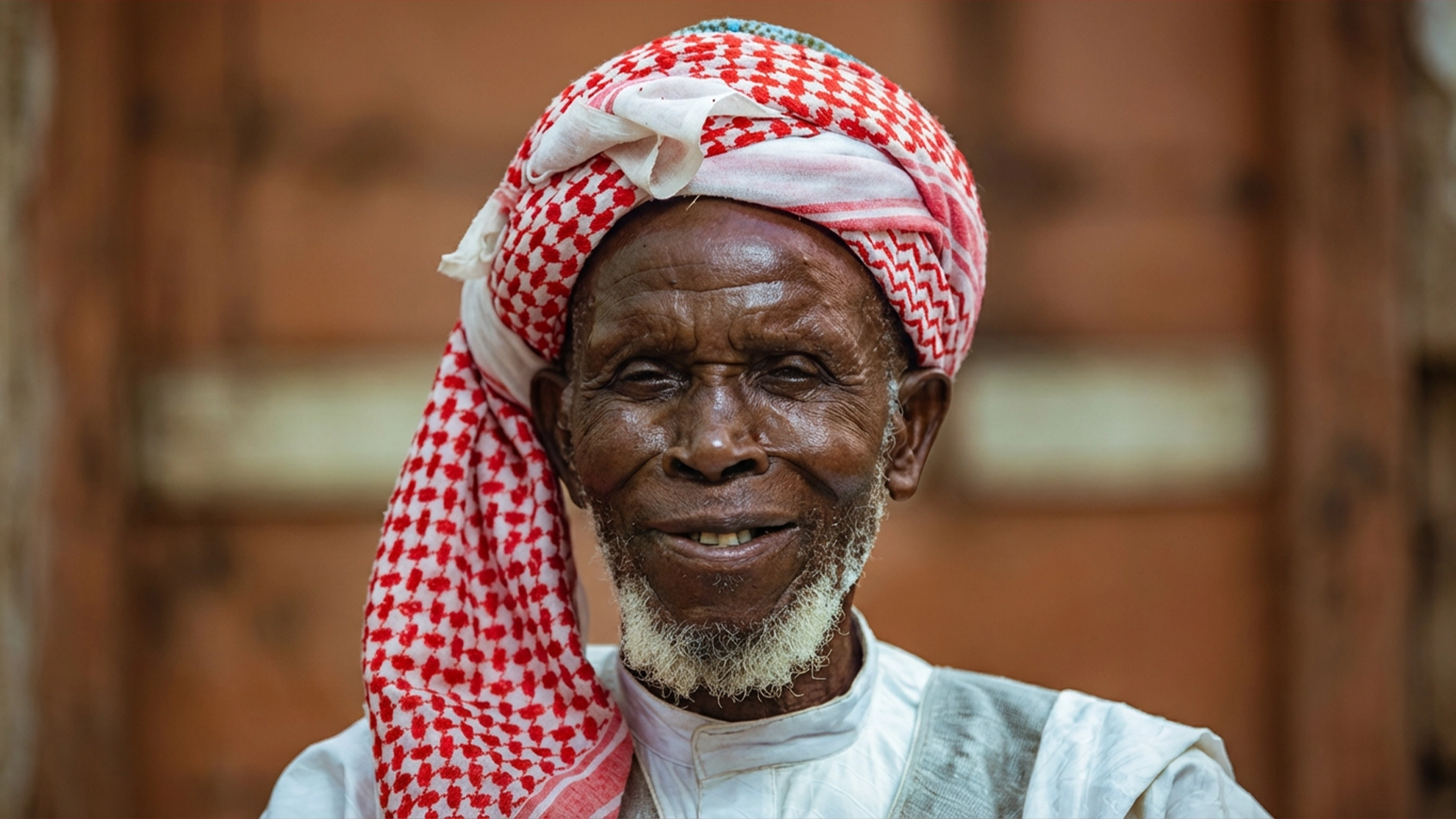
The United States Mission in Nigeria has expressed condolences over the death of prominent Nigerian Islamic scholar and interfaith peace advocate, Imam Abubakar Abdullahi, describing him as a fearless champion of religious tolerance whose actions saved hundreds of lives.
In a statement issued on its official X account, the US Mission said Imam Abdullahi passed away on January 15 and extended sympathies to his family, followers and communities touched by his work.
“Imam Abdullahi was a fearless advocate for religious tolerance and had a long history of outreach across religious communities,” the statement said.
Imam Abdullahi gained international recognition following his actions during violent attacks on Christian communities in Barkin Ladi Local Government Area of Plateau State in June 2018.
At the height of the crisis, he sheltered hundreds of Christians in his mosque and home, preventing further loss of life amid escalating sectarian violence.
His intervention drew global attention and was widely cited as a rare but powerful example of interfaith solidarity in a region long affected by communal and religious conflicts. In 2019, the United States Department of State formally honoured him with the International Religious Freedom Award in recognition of what it described as his “courageous efforts” to protect lives and promote peaceful coexistence.

At the award ceremony, US officials said his actions embodied the core principles of religious freedom, humanity and moral courage, noting that his decision to protect those under threat went beyond religious boundaries.
Beyond the 2018 incident, Imam Abdullahi was known locally and nationally for sustained engagement with Christian leaders, youth groups and community organisations, advocating dialogue as a means of addressing Nigeria’s deep-seated religious and ethnic divisions.
He frequently participated in interfaith forums and peacebuilding initiatives in Plateau State, one of Nigeria’s most diverse and conflict-prone regions.
Plateau has for decades witnessed cycles of violence linked to disputes over land, ethnicity and religion, particularly between farming communities and pastoral groups. Religious leaders, civil society organisations and international partners have increasingly emphasised interfaith cooperation as a key tool for reducing tensions in the area.
News of Imam Abdullahi’s death prompted tributes from religious leaders, civil society groups and ordinary Nigerians, many of whom described him as a symbol of moral leadership in times of crisis. Several commentators on social media recalled his actions in Barkin Ladi as a reminder that individuals could still make a decisive difference amid widespread violence.
The US Mission said his “humanity positively manifested interfaith coexistence and harmony,” underscoring Washington’s continued support for religious freedom and peaceful coexistence in Nigeria.
Nigeria is home to one of Africa’s largest religiously diverse populations, with Muslims and Christians accounting for the majority of its more than 220 million people. While many communities coexist peacefully, periodic outbreaks of violence, particularly in the Middle Belt region, have underscored the fragility of intercommunal relations.

