 Follow Us on Google News


 Follow Us on Google Discover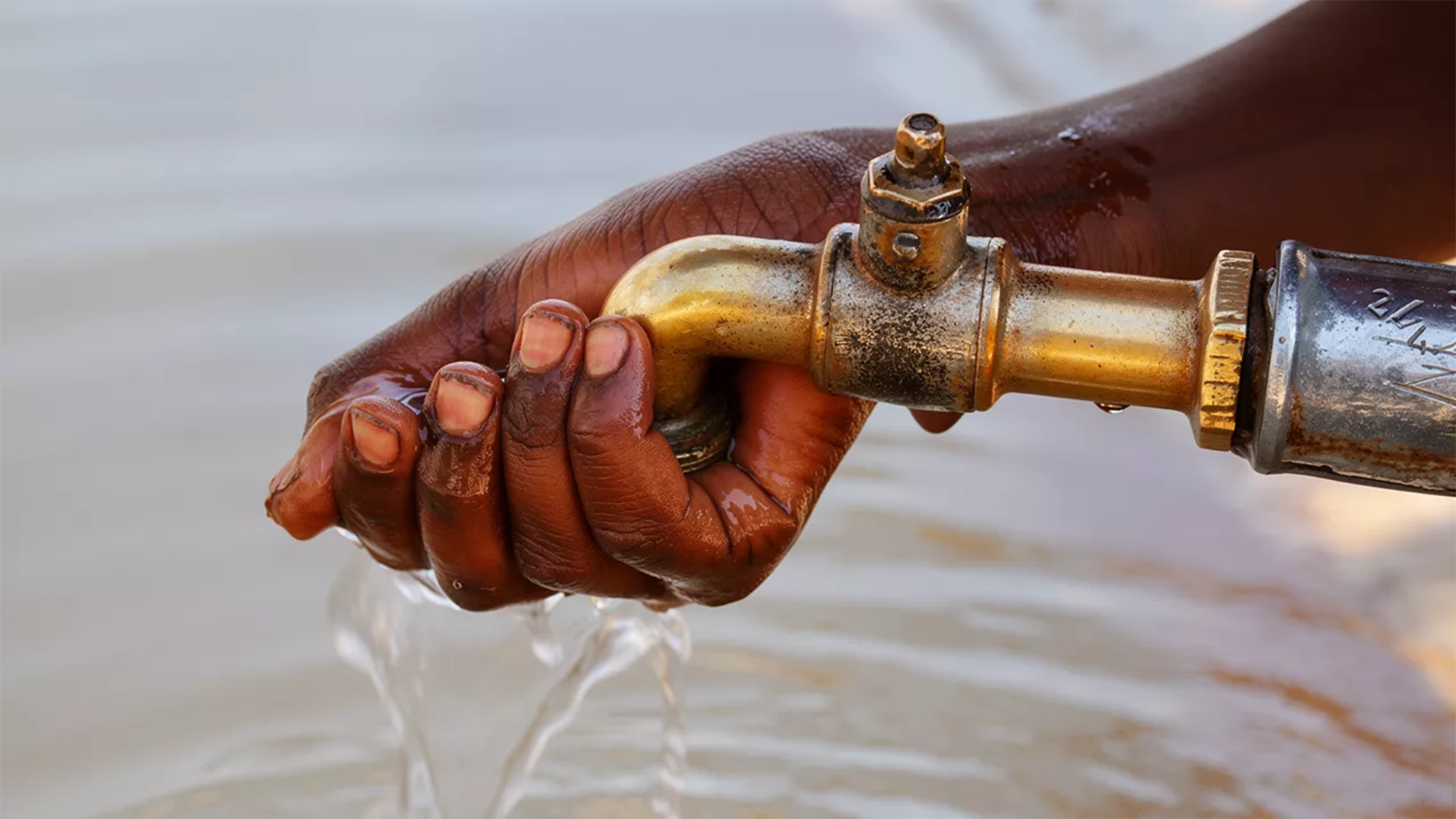
Access to water has been ranked as one of the top policy priorities for African citizens, according to the latest Afrobarometer surveys across 38 African countries.
The study unveiled yesterday highlighted that the majority of Africans were dissatisfied with their government’s performance in providing safe drinking water and sanitation
It noted that challenges in access to water are particularly pronounced among rural populations and economically disadvantaged groups, who face persistent inequalities in the availability of clean water and sanitation services.
The Afrobarometer report stated rural residents were more likely to experience water shortages and rely on alternative sources such as boreholes and tubewells, while access to piped water remained concentrated in urban areas and among better-off households.
The report indicated that there were more positive assessments among urban and economically secure respondents, highlighting the intersection of geography, poverty, and service-delivery outcomes.
Key findings revealed: “On average across 38 countries, water supply ranks third among the most important problems that Africans want their government to address, trailing health and unemployment and tied with education, the increasing cost of living, and infrastructure/roads”

Concern about water security varies widely across countries, as more than half (57 per cent) of Guineans rank water among their country’s most important problems, while virtually no Seychellois share this perception.
Water outranks all other problems in Guinea, Chad, Benin, and Mozambique.
The poorest respondents, according to the report, are least likely to live in areas served by a piped water system (40 per cent vs. 77 per cent of the best-off respondents) and most likely to have a nearby borehole or tubewell (51per cent, vs. 28 per cent of respondents experiencing no lived poverty).

