 Follow Us on Google News
 Follow Us on Google Discover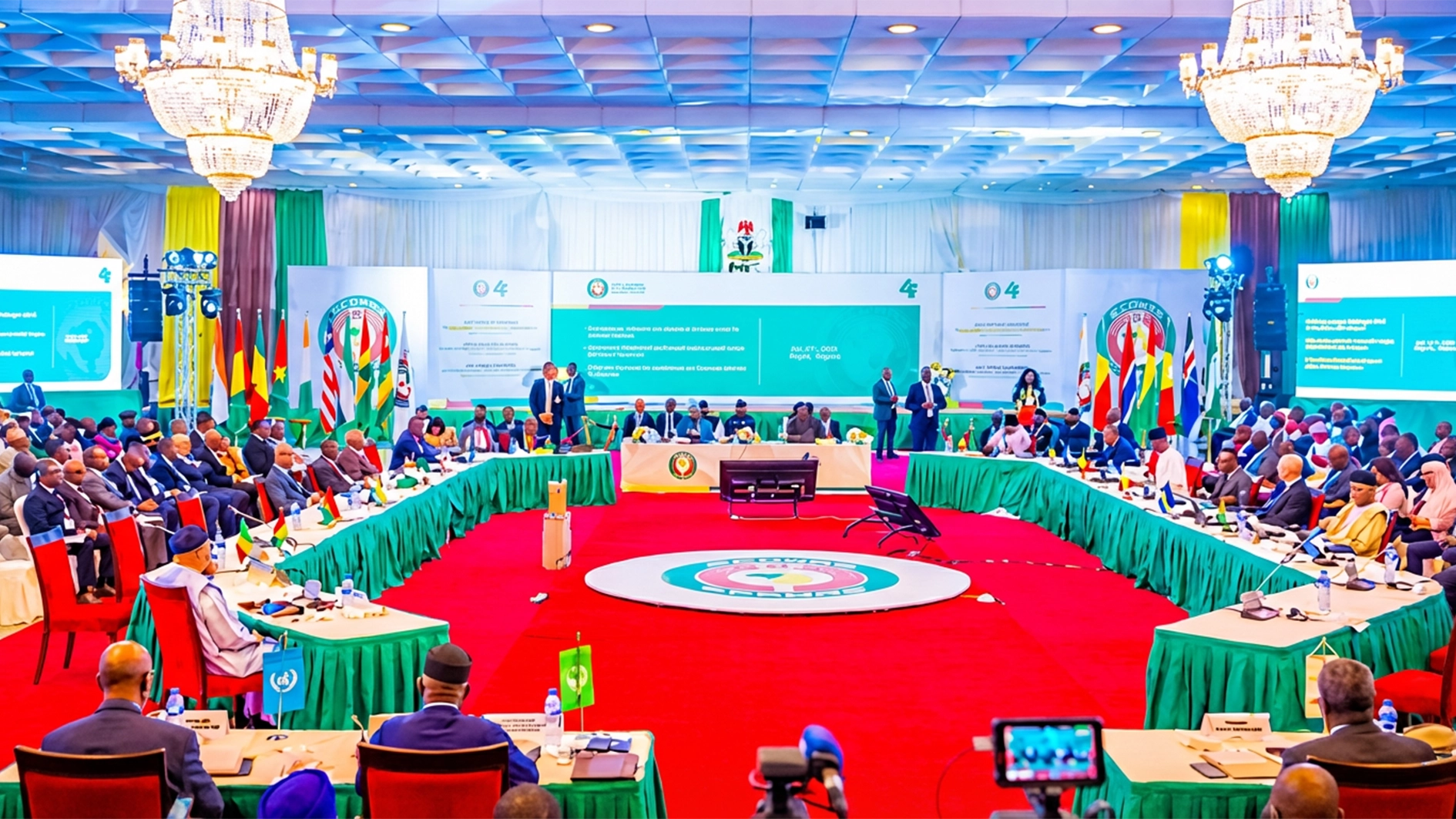
West African leaders, technical experts and development partners on Tuesday launched high-level consultations on the first implementation plan of the Africa Water Vision 2063, aimed at advancing water security and sustainable sanitation across the region.
At the opening of the sub-regional ministerial and Technical Advisory Committee (TAC) meeting in Abuja, on Tuesday , Chair of the committee, Babarinde S. Mohammed described the gathering as a defining moment for Africa’s water sector.
“This is not a routine engagement, it is a call to action,” he said, urging stakeholders to develop a “pragmatic, inclusive and results-driven” roadmap that translates continental ambitions into measurable outcomes between 2026 and 2033.
He said, “This moment demands bold thinking and collective resolve,” Mohammed said. “Our decisions here will determine how effectively we secure water for future generations.”
The consultation, convened by the African Ministers’ Council on Water in partnership with the Federal Government of Nigeria, follows the adoption of the Africa Water Vision 2063 at the African Union summit in Addis Ababa.
Nigeria’s Minister of Water Resources and Sanitation, Prof. Joseph Terlumun Utsev, said the meeting was “timely and strategic,” warning that rapid urbanisation, climate variability and rising demand are placing “unprecedented pressure” on Africa’s water systems.

“While progress has been made, it has not been uniform or sufficient,” he said, highlighting persistent gaps in access to safe water and sanitation across the continent.
Utsev outlined key priorities for the implementation phase, including harmonised policy frameworks, increased investment, and stronger accountability systems.
He also referenced Nigeria’s ongoing reforms, such as the SURWASH and PEWASH programmes, and the Clean Nigeria campaign targeting the elimination of open defecation.
In a goodwill message, Nyambe Nyambe of the African Union Commission reaffirmed continental support, calling for stronger collaboration and describing water as a “critical resource for transforming lives.”
Participants emphasised the need for West Africa to present a unified position in shaping the implementation framework, ensuring regional priorities are reflected in the broader continental agenda.
Other stakeholders at the forum said the outcomes from the Abuja consultation are expected to influence policy direction, financing mechanisms and investment flows in Africa’s water sector over the next decade in alignment with Agenda 2063.
As deliberations continue, stakeholders also expressed cautious optimism that stronger political will, financing commitments and regional cooperation could unlock Africa’s vast water potential.

