 Follow Us on Google News
 Follow Us on Google Discover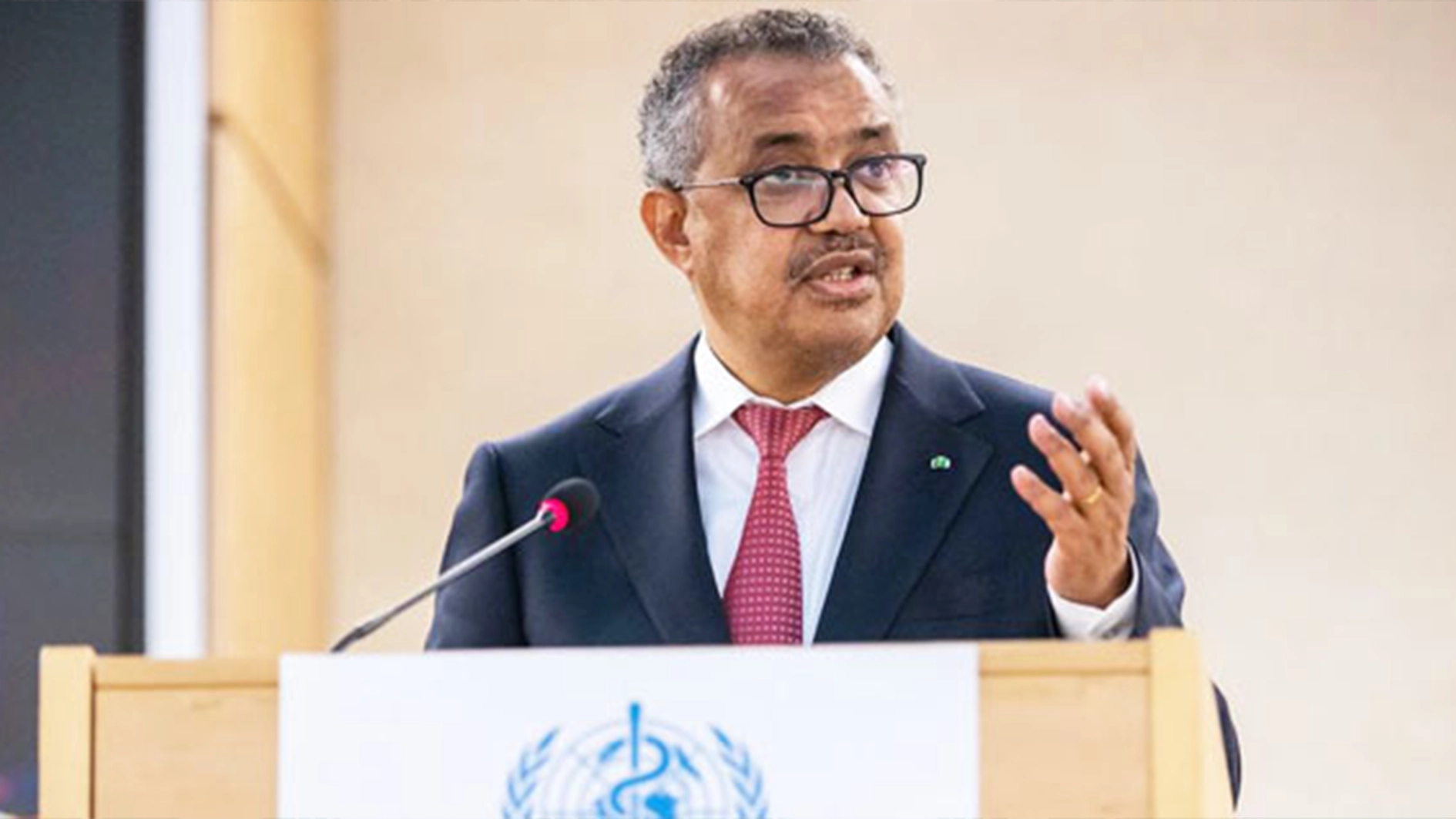
As birth defects account for 8% of global under-five deaths
As part of efforts to reduce disability and infant mortality linked to birth defects, the World Health Organisation (WHO) has called for the expansion of newborn screening programmes globally, warning that about eight million babies are born with birth defects every year.
WHO made the call alongside the release of a new report titled, Strengthening Capacity for Newborn Screening, Diagnosis and Management of Birth Defects, which identified newborn screening as a critical intervention for improving child survival and preventing life-long disability.
WHO explained that many congenital conditions, including congenital hypothyroidism, sickle-cell disease, hearing impairment and certain metabolic disorders, can be effectively treated when detected early after birth. However, it noted that millions of children are still diagnosed too late or never receive appropriate treatment.
According to the report, birth defects account for nearly eight per cent of all deaths among children under five globally, with an estimated 90 per cent of children born with serious birth defects in low and middle-income countries, where access to screening, diagnosis and treatment remains limited.
The WHO Director-General, Dr Tedros Ghebreyesus, said no child should be denied a healthy future due to late detection of congenital conditions. He noted that countries have demonstrated that newborn screening can save lives, prevent disability, and give a newborn the best opportunity to reach his or her potential.
The report highlighted wide global disparities in access to screening services, noting that while some countries screen newborns for over 50 conditions, others are unable to conduct any screening at all. WHO therefore urged countries to begin with at least one priority condition and progressively expand coverage as health system capacity improves.
It also showed that birth defects are an increasing contributor to under-five mortality in several regions. Between 2000 and 2023, the proportion of under-five deaths attributed to birth defects rose from one to four per cent in sub-Saharan Africa. WHO said this trend partly reflects progress in reducing deaths from infectious and other preventable diseases.
Meanwhile, the global health body said the new report is intended to guide ministries of health, particularly in low- and middle-income countries, to prioritise conditions for newborn screening based on local disease burden and available resources.
It urged governments to integrate newborn screening, diagnosis and treatment into routine healthcare services and universal health coverage systems, starting with conditions that are both high priority and feasible to manage within existing health structures.

