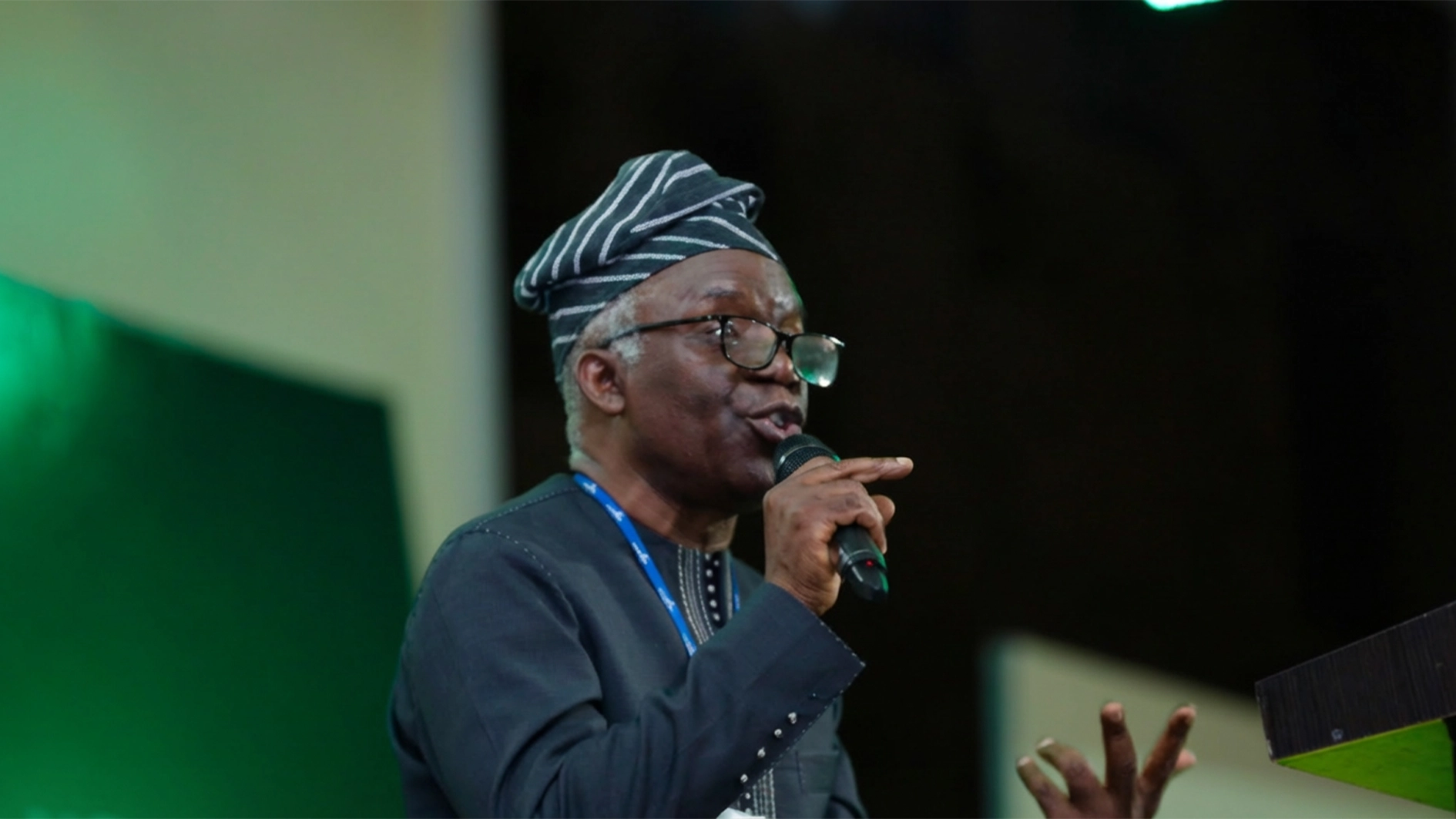
Former spokesman of President Bola Tinubu in the Southeast, Dr Josef Onoh has advised that Nigeria will be better off when the high cost of the nation’s spending on petroleum subsidy is removed and the money diverted in other sectors of the economy which will reflect directly on the lives of the middle and low-class citizens.
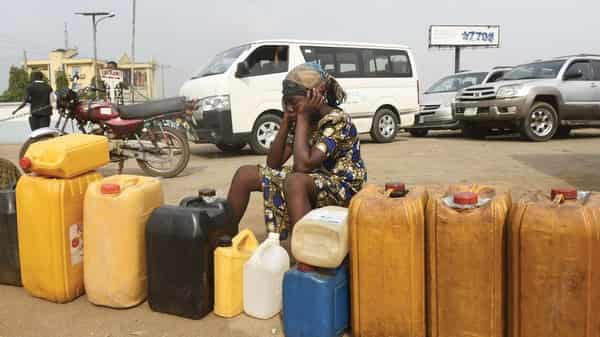
He stated that even though President Tinubu hasn’t made any official declaration for the withdrawal of the contentious oil subsidy, the people of Nigeria should look at other nations, particularly in Africa, that was bold enough to remove the huge cost of subsidizing the consumption of the foreign petroleum products which in most cases benefit the rich who have more fleet of cars than the poor citizens that use the public transportation system.
Onoh urged Nigerians and whichever groups that are warming up for agitation against the new government of Bola Tinubu to be critical and understand that President Tinubu did not remove the oil subsidy by himself, but should know that no provision was made in the 2023 appropriation to fund the luxury of subsidizing the importation of petroleum products which as at today stands at $867 million or N400 billion every month, for products that are essentially consumed by the upper class or go out the country through smuggling, because the products are cheaper in Nigeria than its neighbouring countries.
Onoh cited other African countries that had done away with oil subsidy such as Ghana which was spending $25.6 million every two weeks on fuel subsidy before the country cut off the strangulating yoke and had become free and stable after the old Gold Coast liberated itself from the subsidy bondage.
He also made a comparison with the Republic of Cameroon which removed subsidy on oil and deregulated its markets, adding that even Nigeria experts such as the President of the African Development Bank (ADB), Dr. Akinwumi Adesina had also prescribed the removal of oil subsidy with its high cost on the Nigerian economy of $10 billion in 2022.
Citing more instances of other African countries that have made testimonies of their breakthrough with the removal of subsidy in oil, Onoh gave the example of Egypt which in 2019 broke off completely with the subsidy oppression and implemented an International Monetary Fund (IMF) economic overhaul template, even when gasoline, diesel and kerosene were sold at 85 to 90 percent international cost within Egypt before it completely broke the yoke and liberated the country from the economic strangulation.
Onoh said that it was not only Tinubu who agreed that subsidy on oil should be removed, recalling that during the electioneering campaign period and debates, but all the presidential candidates of different political parties also supported the removal of the oil subsidy.
“Ghana removed the subsidy after 30 years, and if you look at the progress and the economic stability in present day Ghana, Nigerians will know that we cannot continue with oil subsidy at the detriment of our economic stability. Both the rich and the poor will face hardship but we should look at the collected benefit rather than the immediate hardship.
“There is no other way because we are caught in between the devil and the deep blue sea. There is no way we can continue benefiting the rich while the poor get poorer. The only way we can have a balanced economy is when even the poor can have access to these basic needs. In the short term, the removal will cause panic but the cabals behind the refusal to remove the fuel subsidy are the greatest beneficiaries of that subsidy.
“So, they will play in the minds of the innocent poor, trying to make it look as if the government is against the poor, but the Tinubu administration is eager to balance our economy just like other countries have done. We should sustain that confidence,” Onoh said.
He noted that the Canadian government, the United Kingdom, the United States of America and other foreign countries will all show more confidence in the Nigerian economy.
“But we also need to show that we want our economy to grow and we cannot continue to rely on half-term measures, riding on a Tiger’s back, not thinking it could as well turn around to kill us. So we should back this administration.
“The test of our Progress is not wether we avoid temporarily removing the fuel subsidy out of fear of hardship for Nigerians which in turn will add to the abundance of those who have much and are beneficiaries of the subsidy, rather it is whether the current administration provides enough after it’s removal for those who have too little,”Onoh encouraged.