 Follow Us on Google News


 Follow Us on Google Discover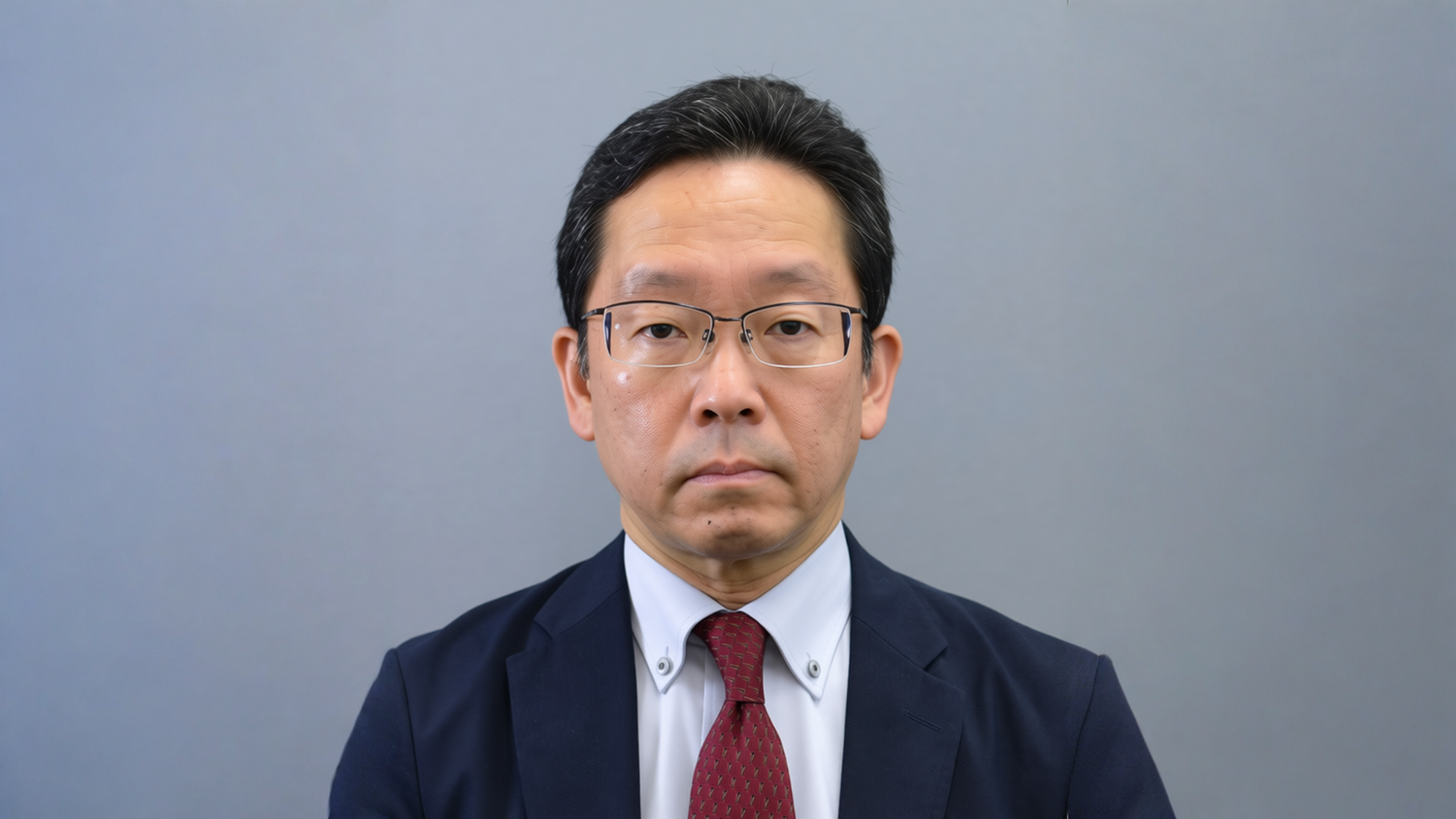
The Japanese Ambassador to Nigeria, Hidio Suzuki, has said that the need to strengthen response mechanisms to protect communities, particularly in high-density areas, was the reason the Japanese government supported Lagos State Environmental Protection Agency (LASEPA) to check the cholera outbreak in the state.
Suzuki, who spoke yesterday at the LASEPA-UNIDO project completion and achievements dissemination event, noted that the Japanese experience reminds stakeholders that in an age when the cholera bacterium is well understood, rapid diagnostics are available, and effective treatments exist worldwide, it must be entirely possible to bring cholera mortality to zero.
“This event celebrates not just the end of a project, but a transformative step in safeguarding public health and building resilience against cholera in flood-prone communities.
“This is why the Government of Japan funded this UNIDO-led project with $225,000. This initiative strengthened emergency response to the cholera outbreak by empowering food and water vendors and waste workers, who are key stakeholders, to prevent disease transmission through gender-sensitive training and provision of necessary goods and tool kits,” Suzuki stated.
He added: “The Government of Japan has been making cross-sector efforts in cholera response as part of a broader partnership between Japan and Nigeria. There are two additional cholera-related projects Japan is currently funding: “One, implemented through the World Health Organisation (WHO), provides capacity building. Remarkably, the very same principles proved their enduring power against COVID-19 more than a century and a half later.”
Also speaking at the programme, General Manager of LASEPA, Dr Babatunde Ajayi, noted that the intervention, sponsored by the Government of Japan under the development framework of the United Nations Industrial Development Organisation (UNIDO), reflects a productive collaboration between LASEPA and UNIDO, with funding from the Government of Japan.

Ajayi stated that LASEPA’s focus remains clear: preventing water-borne diseases, strengthening environmental compliance, and promoting sustainable sanitation practices across Lagos State.
In his address, the Commissioner for the Environment and Water Resources, Tokunbo Wahab, stated that the impact of the intervention is measurable and encouraging, saying: “Between April 2025, when we commenced the capacity-building campaign and now, Lagos State has not recorded any new cholera outbreak in any part of the state.
“This remarkable achievement clearly demonstrates that the advocacy, sensitisation, and technical training provided under this programme have been embraced and effectively implemented by the targeted communities.”

