 Follow Us on Google News


 Follow Us on Google Discover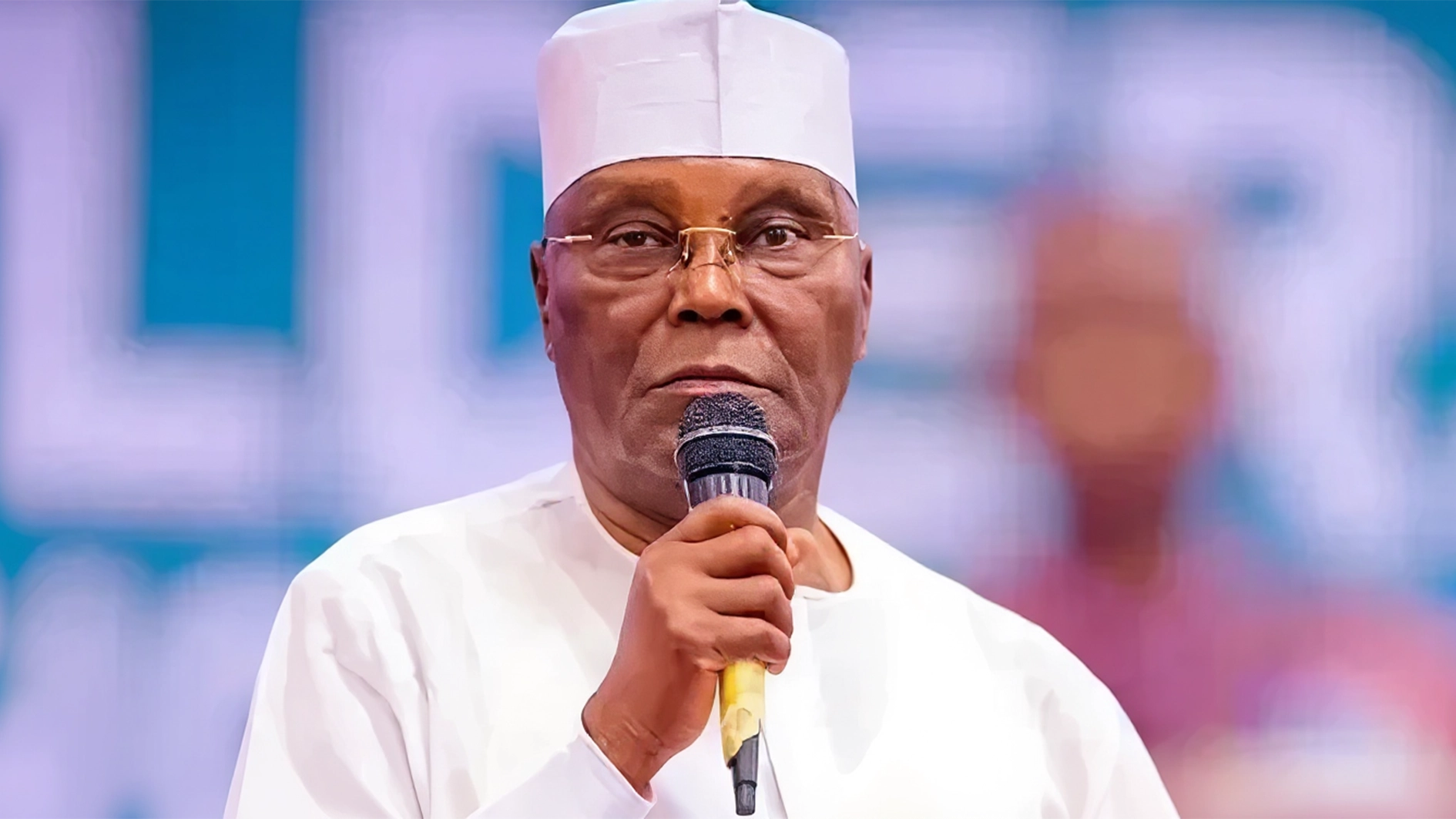
Former Vice President Atiku Abubakar has reacted to recent findings by the World Bank on Nigeria’s fiscal structure, describing the situation as “deeply troubling and unacceptable.”
In a statement issued by his Senior Special Assistant on Public Communication, Phrank Shaibu, Atiku said the report highlights a troubling disconnect between rising government revenue and the lack of corresponding benefits for citizens.
“What the World Bank has revealed is both alarming and unacceptable. Nigeria is earning more revenue today, yet the Nigerian people are receiving less benefit from it. This contradiction points not just to inefficiency, but to a system vulnerable to abuse, leakage, and possible diversion of public funds,” he said.
He further alleged that the administration of Bola Ahmed Tinubu operates an opaque financial structure that enables systemic corruption.
Atiku noted that excessive deductions from national revenue—prior to distribution through the Federation Account—have significantly reduced funds available for governance and development across all tiers.
“When large portions of national income are deducted at source, outside full legislative scrutiny, it creates fertile ground for opacity, unaccounted spending, and financial recklessness. That is how nations lose track of their own wealth,” he added.

He warned that the implications are already visible in declining investment in key sectors and worsening living conditions for citizens.
“This is not just a technical fiscal issue; it is a moral one. A government cannot ask citizens to endure painful economic reforms while the gains are trapped in a system that lacks transparency and accountability,” Atiku said.
Aligning with the World Bank’s recommendations, he called for urgent structural reforms, including bringing all agency funding under the formal budgetary process and strengthening legislative oversight.
“All agency funding must be captured within the budget. Cost-of-collection mechanisms should be reviewed and reduced, while the National Assembly must exercise full oversight over every naira earned by the country,” he said.
He concluded with a warning on Nigeria’s economic trajectory: “We cannot continue on a path where rising revenues coexist with deepening poverty. When the books are full but the people are empty, it raises serious questions about where the money is truly going.
The purpose of governance is not to accumulate figures, but to improve lives—and that purpose is clearly being defeated.”

