 Follow Us on Google News


 Follow Us on Google Discover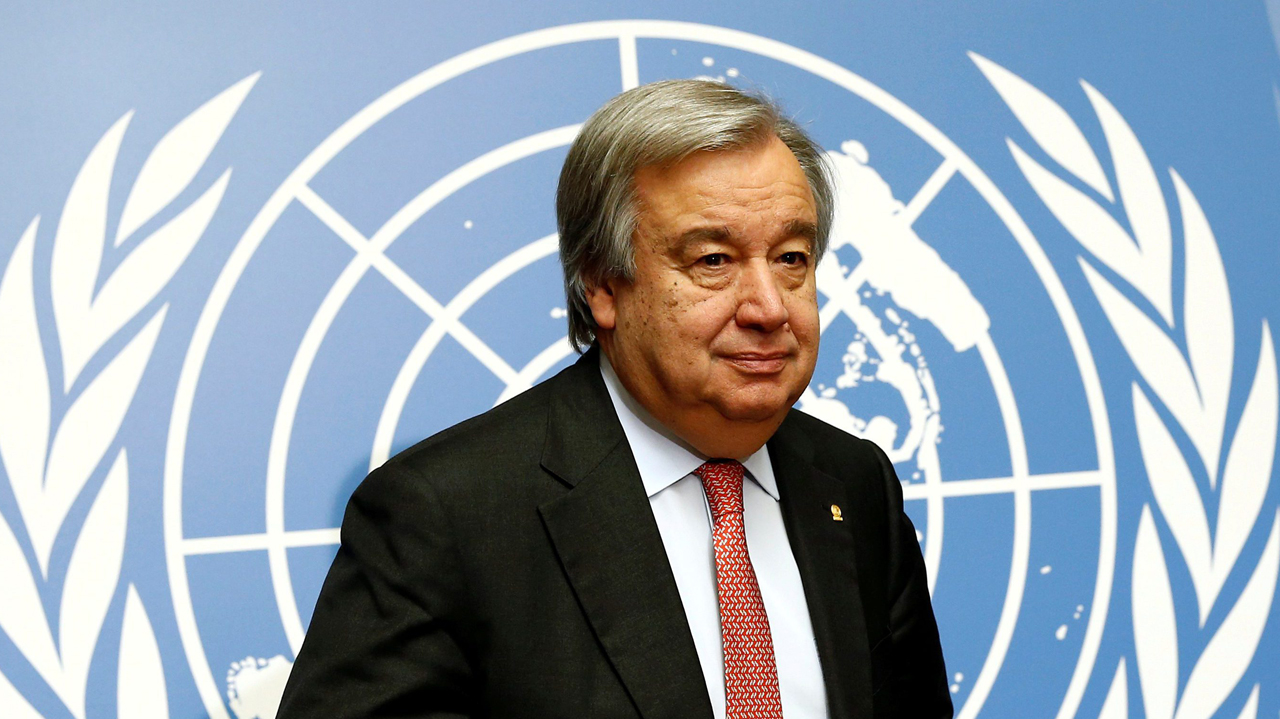

This year’s theme “Changing the world: innovations and a better life for future generations” sought to discuss how urbanization can be used to achieve sustainable development.
The United Nations Secretary-General, Antonio Guterres said: “Let us commit to embracing innovation to ensure a better life for future generations and chart a path towards sustainable, inclusive urban development that benefits all.”
[ad]
Urbanization is a transformative trend as more people have the tendency of moving closer to towns and cities to acquire “privileged” social and economic services as well as benefits.
The influx of people to towns and cities should cause development such as technological and infrastructural advancements, residential buildings, social and economic support institutions e.t.c. However, urbanization should happen within appropriate limit as it can pose adverse effects. There should always be a fair distribution of opportunities, rural areas cannot be completely neglected.
While urbanization helps to achieve sustainable development, Nigeria has barely reaped the benefits of its rapid urbanisation with its growing population.
With the mostly unplanned and uncoordinated urban cities in Nigeria, the deficit in the housing, basic services, and waste management become even more glaring.

Urban cities in Nigeria need to innovate to fill the gaps, shifting from barely habitable to all-inclusive cities where no one is left behind.
[ad]

