 Follow Us on Google News
 Follow Us on Google Discover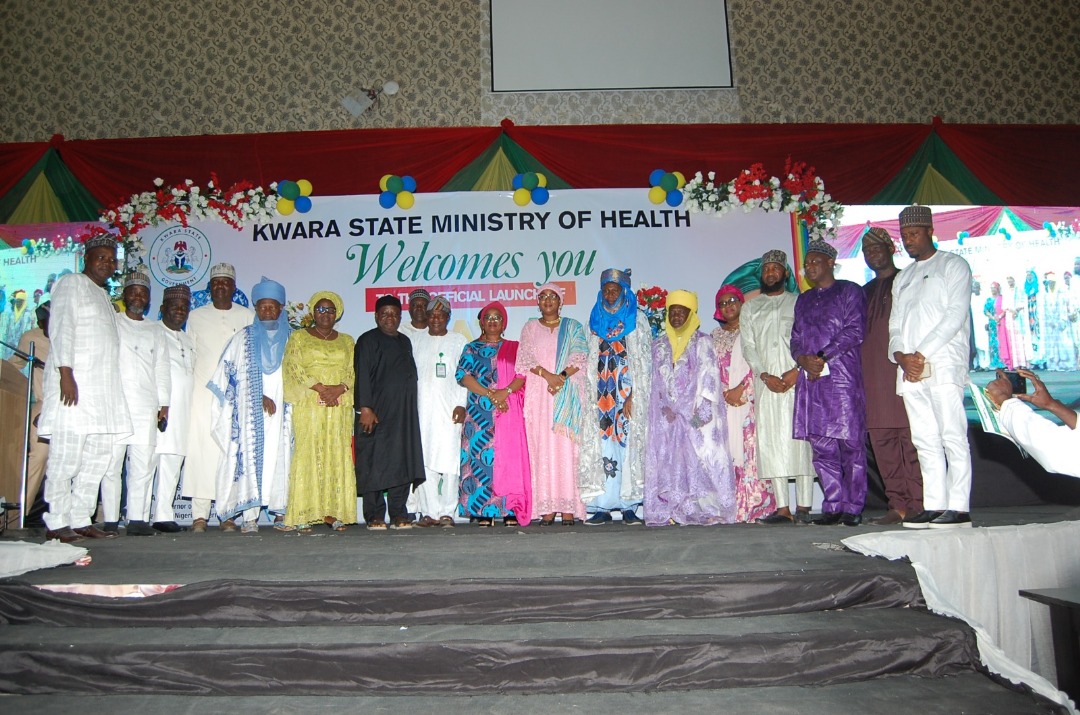
As part of activities marking the 2025 World Nutrition Day, the Kwara State Government has launched a statewide campaign titled “Eat a Rainbow” aimed at improving dietary habits and combating malnutrition among families across the state.
Governor AbdulRahman AbdulRazaq, represented at the official launch by Finance Commissioner Dr Hauwa Nuru, described the initiative as a people-focused campaign rooted in science and compassion. The programme was developed by the Ministry of Health under the leadership of Commissioner Dr Amina Ahmed El-Imam.
“This campaign is more than just about fruits and vegetables. It is a call to action—a reminder that the choices we make today directly shape the future of our children, families, and communities,” the Governor said, highlighting the significance of incorporating diverse and colourful food groups into daily meals.
The First Lady of Kwara State, Ambassador Olufolake AbdulRazaq, was represented by Commissioner for Special Duties, Hon. John Bello. She commended the administration’s investment in nutrition through platforms such as the UNICEF Child Malnutrition Fund, encouraging residents to adopt healthy dietary practices.
In her address, Dr El-Imam explained that the “Eat a Rainbow” campaign has been in development since last year and is part of a broader plan to reduce the incidence of malnutrition, especially among children under five.
Between 2013 and 2019, she noted, UNICEF withdrew support from the state due to a lack of counterpart funding, a situation that exacerbated the state’s nutrition crisis. She cited publicly available data showing that the proportion of children suffering from wasting increased from 6.5 per cent in 2013 to 7.3 per cent in 2018. However, recent interventions have brought the figure down to 6.1 per cent, lower than the national average of 8.0 per cent.
“Even with better indices than the national average, we want to bring down the figure,” she stated, adding that an estimated 50,744 children in the state currently require urgent support to recover from wasting.
Dr El-Imam said the administration has responded with high-impact, cost-effective interventions at both health facility and community levels. These include training healthcare workers on Maternal Infant and Young Child Nutrition, growth monitoring, micronutrient powder administration, and emergency nutrition response.
The Ministry also conducted an orientation for agricultural extension workers earlier this month, focusing on food diversification and homestead gardening—a key component of the Eat a Rainbow”campaign.
“Balanced nutrition is essential to maintain health and prevent disease,” El-Imam said. “We urge all Kwarans to embrace colourful, balanced diets. It doesn’t have to be expensive. Add groundnuts to your garri, mix moimoi with your pap, toss vegetables like efo tete and gbure into every meal.”
Guest speaker Prof Fausat Kolawole, a nutrition and public health expert, warned that malnutrition remains a serious challenge in Nigeria, manifesting as undernutrition, micronutrient deficiencies, and increasingly, overnutrition. She cited urbanisation, ignorance, poverty, and a growing preference for fast food as contributing factors.
Prof Kolawole urged parents and stakeholders to shift back to traditional, balanced diets to curb the growing nutrition crisis.
The event was attended by cabinet members, traditional leaders including the Emir of Shonga, Dr Haliru Yahaya, and prominent Kwarans. Health agency executives such as Prof Nusirat Elelu of the Primary Health Care Development Agency and Dr Abdulraheem Malik of the Hospital Management Board were also present.
The Eat a Rainbow campaign, officials say, will continue to be promoted across communities in Kwara, using grassroots outreach and public engagement to foster lasting behavioural change.

