 Follow Us on Google News


 Follow Us on Google Discover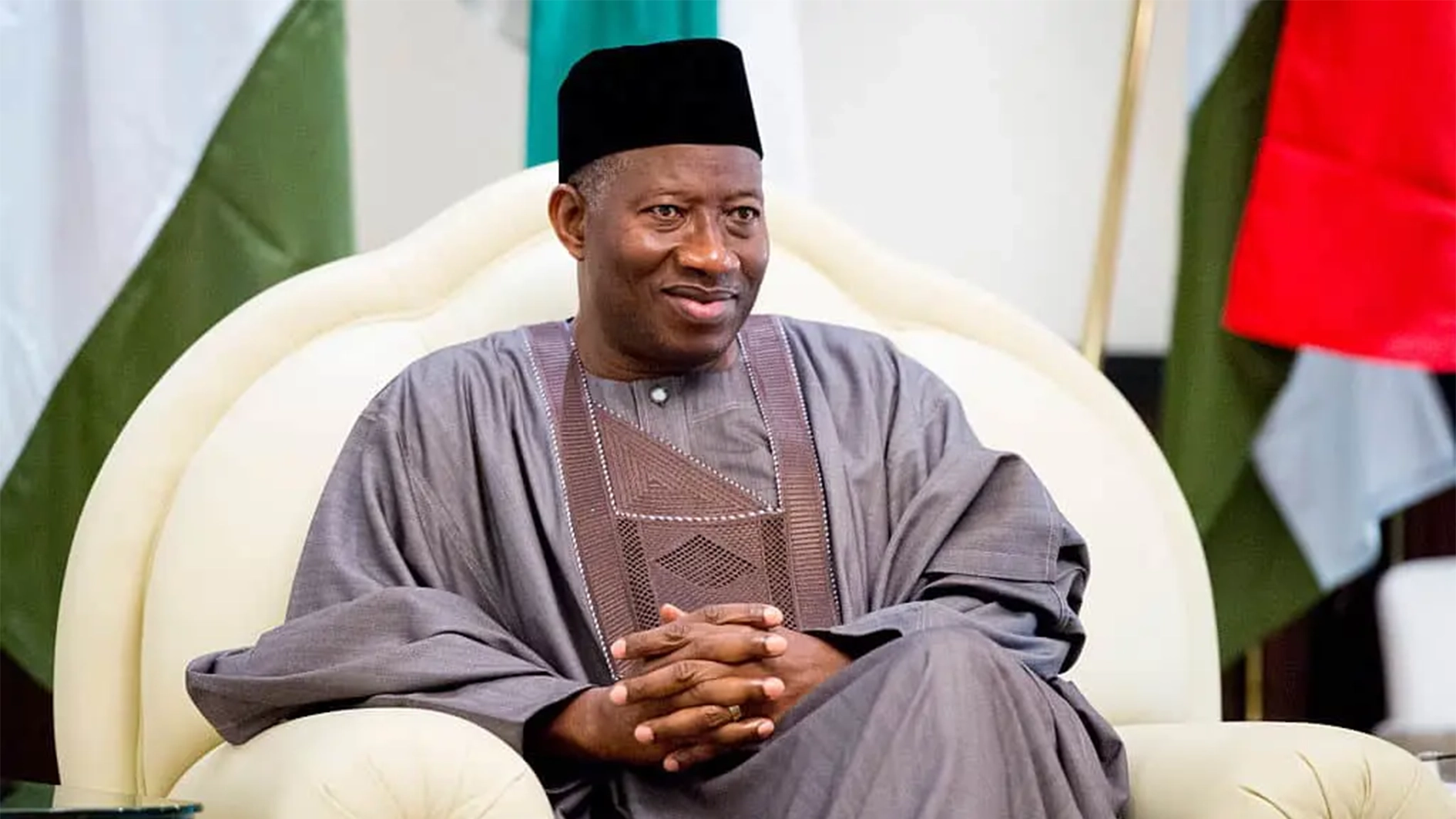
Former Minister of State for Finance and ex-Ambassador to the United Arab Emirates and Qatar, Bashir Yuguda, has defended the record of former President Goodluck Ebele Jonathan, dismissing claims that challenges experienced during his administration were due to “inexperience.”
Yuguda was reacting to recent remarks attributed to former Vice-President Atiku Abubakar, who reportedly linked some of the difficulties faced under Jonathan’s presidency to a lack of experience, even as he acknowledged the former president’s personal decency.
In a detailed statement in Abuja, Yuguda described such assertions as inaccurate and inconsistent with Jonathan’s extensive political trajectory, which spanned roles as Deputy Governor, Governor, Vice-President, Acting President, and eventually President.
“Having worked closely with President Jonathan across critical sectors of government, I find the label of ‘inexperience’ difficult to reconcile with the facts,” Yuguda said.
He argued that Jonathan’s leadership style, though often understated, was deliberate and anchored on consultation, institutional respect, and measured decision-making rather than political theatrics.
According to him, Nigeria witnessed notable economic expansion during the Jonathan years, including attaining the status of Africa’s largest economy, improved investor confidence, and relative macroeconomic stability.

He added that poverty indices declined during the period, citing data from credible institutions.
Yuguda also highlighted reforms in agriculture, which he said shifted the sector from subsistence to a more sustainable model, earning Nigeria global recognition in hunger reduction efforts.
On infrastructure, he recalled the revival of rail transport, noting that he personally commissioned the rehabilitation of the Zaria–Gusau–Kaura Namoda rail line after decades of neglect.
The former minister further pointed to Jonathan’s interventions in education, including the establishment of 12 federal universities and numerous almajiri schools aimed at expanding access to learning, particularly in the North.
In the area of foreign policy, Yuguda said Nigeria maintained strong international standing under Jonathan, securing two terms on the United Nations Security Council and attracting global respect through strategic diplomatic engagements.
He also cited the calibre of technocrats appointed into Jonathan’s cabinet, many of whom went on to occupy prominent positions in international organisations.
Among them, he listed Ngozi Okonjo-Iweala, Akinwumi Adesina, Omobola Johnson, Arunma Oteh, and Bright Okogwu.
Beyond policy outcomes, Yuguda emphasised Jonathan’s temperament, describing him as calm, respectful, and committed to preserving the dignity of public office. He noted that the former president consistently discouraged public confrontations and urged restraint among his appointees.
He further commended Jonathan’s loyalty to his predecessor, the late President Umaru Musa Yar’Adua, particularly during the latter’s illness, describing his conduct as a demonstration of discipline and respect for constitutional order.
Yuguda contrasted this with the widely reported tensions between Atiku Abubakar and former President Olusegun Obasanjo during their time in office.
On democracy, Yuguda described Jonathan’s handling of the 2015 general elections as his most enduring legacy, noting that despite security challenges, he ensured the conduct of credible polls and conceded defeat in the interest of national stability.
“That decision alone altered the trajectory of Nigeria’s democratic culture in a profound way,” he said.
He added that Jonathan has remained consistent in retirement, playing key roles in peace mediation and election observation across Africa, and maintaining a reputation for moderation and statesmanship.
While acknowledging that no administration is without flaws, Yuguda maintained that reducing Jonathan’s presidency to a question of inexperience overlooks both his preparation for office and the substance of his achievements.
He urged Nigerians to rely on verifiable records rather than “revisionist claims,” insisting that Jonathan’s contributions to governance and democratic consolidation remain evident and enduring.

