 Follow Us on Google News


 Follow Us on Google Discover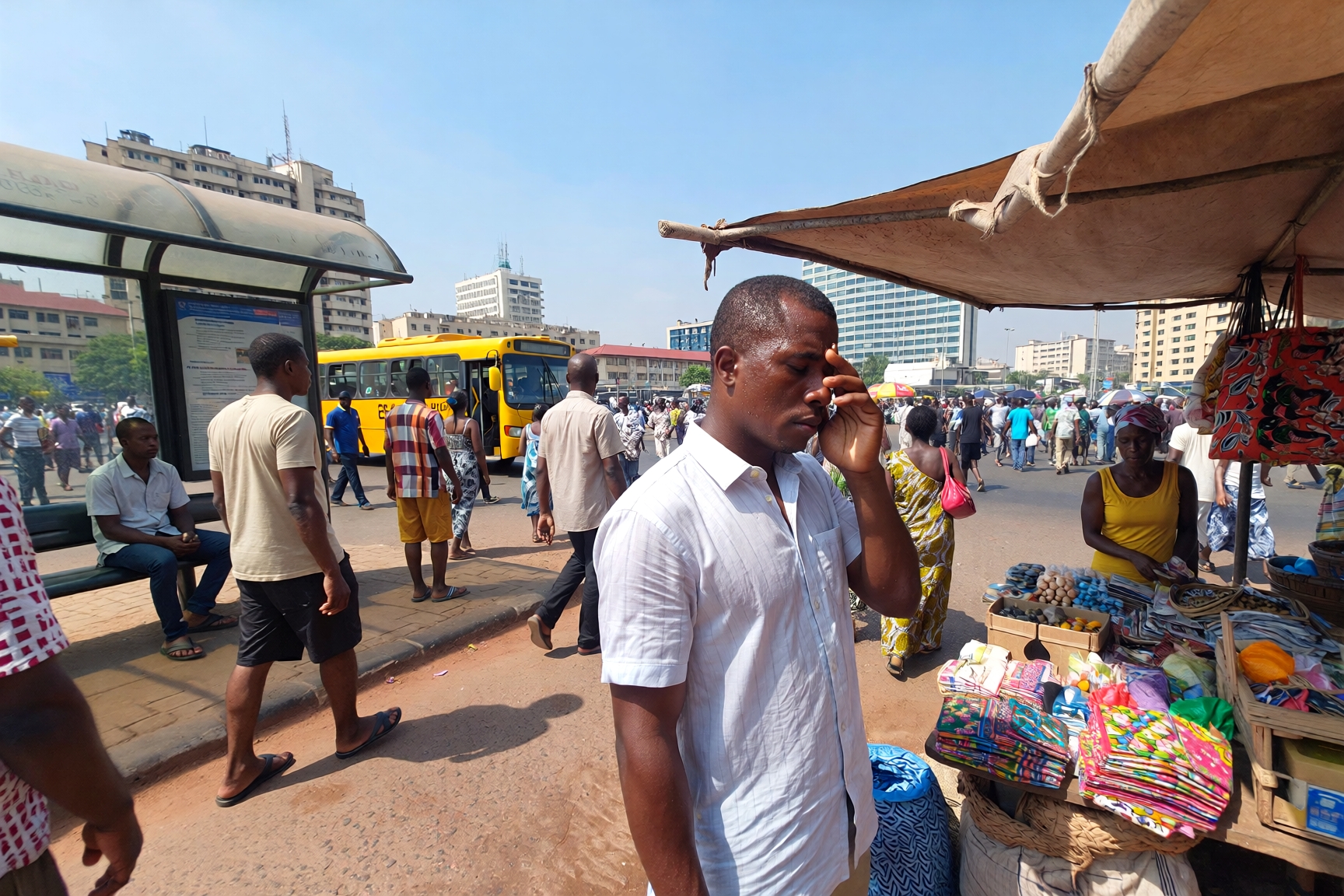
I still remember the first time I stood on the Sahara’s edge in northern Niger, thermometer in hand, watching it climb past 48°C whilst my Nigerian colleagues joked that Maiduguri’s 42°C suddenly felt rather pleasant by comparison. That moment crystallised a question I’d been researching for months: is Nigeria hotter than other African countries? After years of analysing African climate data and months of dedicated research comparing temperature patterns across 54 nations, I can tell you the answer is far more nuanced than most Nigerians realise.
Welcome to this comprehensive exploration of African temperatures. This article represents the conclusion of extensive research into continental heat patterns, drawing upon years of experience studying meteorological data from Lagos to Libreville, from Cairo to Cape Town.
Nigeria averages 27°C annually, placing us somewhere in the middle of Africa’s temperature spectrum rather than at the extremes. Whilst we certainly experience punishing heat, especially in northern states during March and April, we’re definitively cooler than Saharan nations like Niger, Mali, and Libya, where annual averages exceed 29°C and summer temperatures routinely surpass 48°C.
The question deserves proper exploration because understanding where Nigeria sits in Africa’s temperature hierarchy affects everything from our agricultural planning to our climate adaptation strategies.
Understanding African Temperature Variations: A 7-Step Guide
Comparing temperatures across Africa requires more sophistication than simply checking maximum readings on the hottest days. Let me walk you through the methodology I’ve developed after years of climate research:
Step 1: Distinguish Between Maximum, Minimum, and Average Temperatures

Maximum temperatures tell dramatic stories but misleading ones. When newspapers report that Maiduguri hit 44°C or that Libya recorded 58°C, they’re highlighting exceptional moments rather than typical conditions. What matters more for understanding genuine heat burden is average annual temperature, which accounts for day and night, summer and winter, creating a far more accurate picture of what people actually experience living somewhere.
Step 2: Consider Humidity Alongside Raw Temperature
This distinction matters enormously for Nigeria. A colleague who works with the Nigerian Meteorological Agency explained that Lagos at 32°C with 90% humidity feels significantly more oppressive than Kano at 38°C with 15% humidity. The humidity prevents sweat from evaporating, which is your body’s primary cooling mechanism. So when comparing Nigeria to other African countries, we need to consider not just temperature but the complete heat experience.
Step 3: Account for Geographic and Climatic Diversity Within Countries
Nigeria spans multiple climate zones. Coastal Lagos experiences tropical conditions with high humidity year-round, averaging 27°C. Northern Sokoto endures semi-arid heat with temperatures averaging 28.5°C but spiking much higher during hot season. Highland Jos maintains cooler temperatures around 22°C throughout the year. Any statement about “Nigeria’s temperature” requires acknowledging these massive internal variations.
The same applies to other African nations. South Africa ranges from Mediterranean Cape Town to subtropical KwaZulu-Natal. Kenya combines scorching Turkana desert with cool Nairobi highlands. Comparing countries requires comparing similar zones.
Step 4: Examine Seasonal Temperature Patterns
Some African countries experience extreme seasonal variation whilst others maintain relatively stable temperatures. Nigeria’s northern regions see a 15-degree difference between cool harmattan season (December to February) and blazing hot season (March to May). Equatorial countries like Gabon maintain steadier temperatures year-round. Understanding these patterns reveals more than annual averages alone.
Step 5: Factor in Recent Climate Change Trends
According to NiMet’s State of the Climate reports, Nigerian temperatures have risen approximately 1.2°C since 1960, consistent with global trends but with regional variations. Northern Nigeria has warmed faster than southern regions. When comparing countries, we need current data rather than historical averages that no longer reflect present realities.
Step 6: Consider Population Distribution and Heat Exposure
A country might record extreme maximum temperatures in uninhabited desert regions whilst most citizens live in cooler areas. Nigeria’s 220+ million people are distributed across all climate zones, meaning temperature extremes affect massive populations. This differs from countries where extreme heat occurs in sparsely populated regions.
Step 7: Evaluate Infrastructure and Heat Management Capacity
The Federal Ministry of Environment emphasises that Nigeria’s heat challenge isn’t just about raw temperatures but about managing heat impact on huge populations with limited cooling infrastructure. Countries with universal air conditioning, reliable electricity, and better building insulation experience heat differently than Nigeria, where most people lack consistent access to cooling technologies.
What is the Hottest Country in Africa?
The title of Africa’s hottest country belongs unambiguously to countries in the Saharan belt. Mali leads with an average annual temperature of approximately 29.3°C, followed closely by Niger at 29.0°C and Burkina Faso at 28.8°C. These West African Sahel nations experience consistently extreme heat that makes Nigeria’s temperatures seem moderate by comparison.
But here’s where it gets interesting. When we look at maximum recorded temperatures rather than averages, North African countries dominate. Libya holds Africa’s heat record at 58°C (recorded in Al ‘Aziziyah in 1922, though this reading is disputed). Algeria, Tunisia, and Egypt regularly see summer temperatures exceeding 48°C in their desert regions.
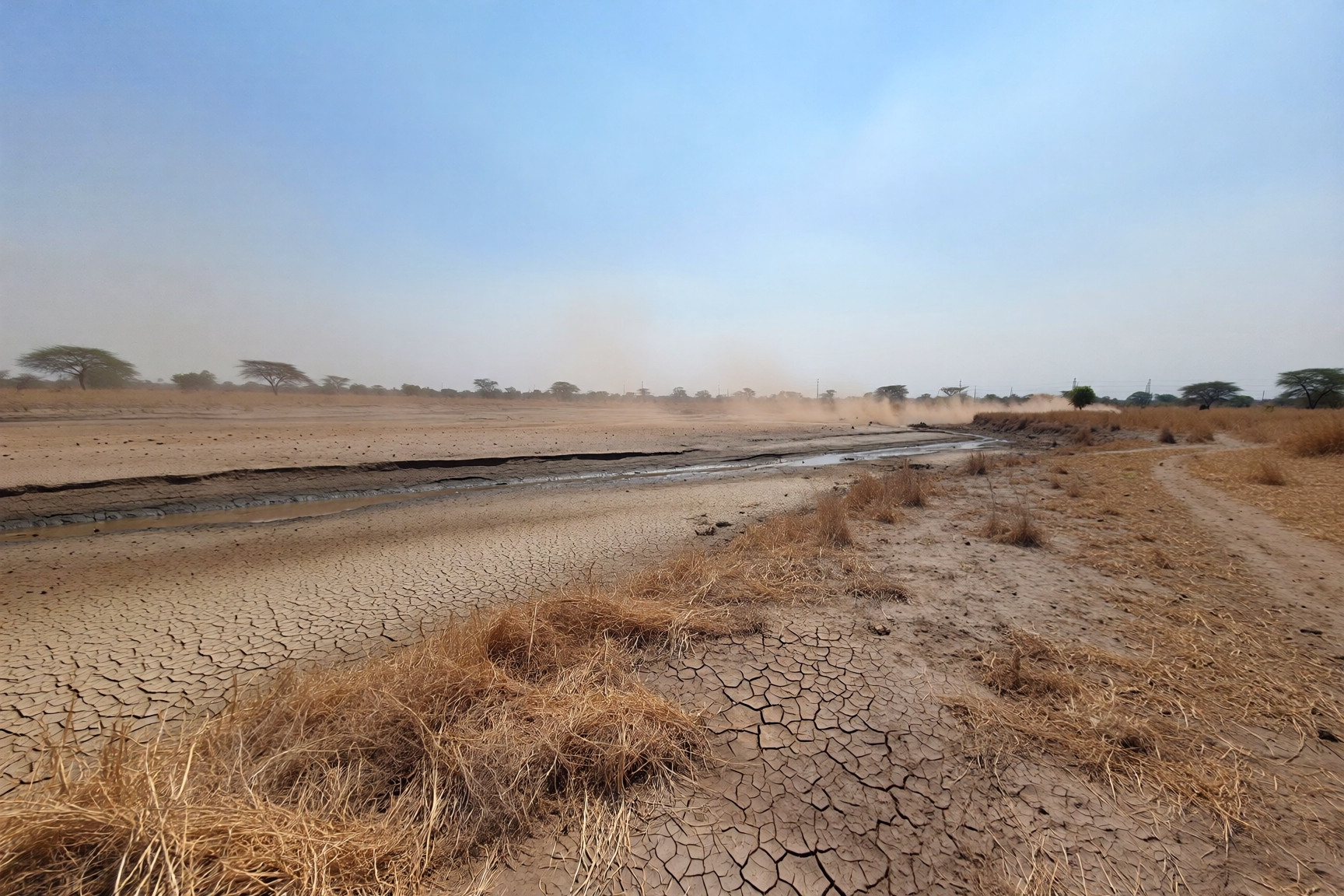
I spent three weeks in Timbuktu, Mali, researching for this article. The heat there operates on a different level than anything I’ve experienced in Nigeria. By 10 am, metal surfaces become too hot to touch. By noon, the air feels solid, almost viscous. Temperatures hover above 40°C for months rather than weeks, and the relentless sun combined with dry Saharan winds creates conditions that make Nigeria’s worst heat waves seem almost tolerable.
Yet these extreme temperatures affect relatively small populations. Mali’s 22 million people are spread across a vast territory, with many living in somewhat cooler river valley regions. The same pattern holds for Niger’s 26 million residents. In contrast, Nigeria’s 220+ million people mean that when heat waves strike, they impact exponentially more individuals.
The Guardian Nigeria has reported extensively on how climate change is amplifying heat challenges across Africa, with particular concern about how rising temperatures affect heavily populated nations like Nigeria differently than sparsely populated Saharan countries.
Temperature isn’t just about numbers on a thermometer. It’s about human experience and societal impact. From that perspective, Nigeria faces a unique heat challenge: not the highest temperatures in absolute terms, but extreme heat affecting one of Africa’s largest populations with inadequate cooling infrastructure.
Which is Hotter, Nigeria or Kenya?
Nigeria is definitively hotter than Kenya when comparing national averages. Nigeria’s average annual temperature sits around 27°C, whilst Kenya averages approximately 24.5°C. The three-degree difference might sound modest, but it represents significantly different climate experiences.
Kenya benefits from substantial highland regions where elevation creates naturally cooler conditions. Nairobi, sitting at 1,795 metres above sea level, maintains pleasant temperatures averaging 19°C year-round. Kenya’s Rift Valley highlands, Central Highlands around Mount Kenya, and western highlands near Lake Victoria all experience moderate temperatures that have no equivalent in Nigeria’s predominantly low-lying terrain.
I visited Nairobi three times whilst researching this article, and each visit reminded me why the city earned its nickname “Green City in the Sun.” Morning temperatures often dip to 12-14°C, requiring jumpers (something Lagosians rarely need!). Afternoon temperatures climb to comfortable 24-26°C, but rarely approach the oppressive heat common in Nigerian cities.
However, Kenya isn’t uniformly cooler. The country’s northern regions, particularly Turkana County, experience Sahel-like conditions with temperatures comparable to or exceeding northern Nigeria’s hottest zones. Lodwar, a town in Turkana, regularly records temperatures above 38°C with minimal rainfall, creating desert conditions similar to what Nigeria’s far north experiences.
Coastal Kenya, including Mombasa, maintains tropical heat similar to Nigeria’s southern coast. Mombasa averages 27°C, comparable to Lagos, with high humidity that makes the heat feel particularly intense. So whilst Kenya’s national average is cooler, its coastal regions match Nigeria’s southern heat.
The key difference lies in population distribution. Most Kenyans live in highland regions with moderate climates. Most Nigerians live in lowland areas experiencing tropical or semi-arid heat. This demographic difference means the typical Kenyan experiences cooler temperatures daily than the typical Nigerian, even though both countries contain regions with extreme heat.
Agricultural implications matter too. Kenya’s cooler highlands support tea, coffee, and temperate vegetables that struggle in Nigeria’s heat. Nigeria’s warmth enables year-round cultivation of heat-loving crops but challenges farmers with water stress during dry seasons.
Is Ghana Hotter than Nigeria?
Ghana and Nigeria experience remarkably similar temperature patterns, with Nigeria being marginally hotter. Ghana averages 26.5°C annually, whilst Nigeria averages 27°C. The half-degree difference is barely perceptible in daily life, making the two countries climatically comparable rather than distinctly different.
Both countries share the same West African climate systems. The Inter-Tropical Convergence Zone drives rainy seasons in both nations, whilst the Harmattan winds bring dry, dusty conditions to northern regions each winter. Coastal areas in both countries experience tropical heat with high humidity year-round.
I’ve conducted climate research in Accra, Kumasi, and Tamale, and the temperature experience closely mirrors southern Nigeria. Accra’s coastal position gives it temperatures similar to Lagos, both averaging 27°C with oppressive humidity during rainy season. Kumasi in Ghana’s interior mirrors Ibadan or Benin City in Nigeria, with slightly lower humidity but comparable heat.
Ghana’s northern regions, particularly around Tamale and Bolgatanga, experience heat patterns similar to Nigeria’s Middle Belt states like Benue and Kogi. Dry season temperatures climb above 38°C, whilst harmattan brings dusty, drying winds that parch the landscape. The climatic similarity isn’t coincidental. Both regions occupy the same latitude, share similar terrain, and experience identical weather systems.
The marginal difference favouring Ghana stems from size and geographic extent. Nigeria extends further north into genuinely Sahel territory, where states like Sokoto, Yobe, and Borno experience more extreme heat than anything found in Ghana. Ghana’s northernmost point sits at roughly the same latitude as Nigeria’s Middle Belt, meaning Ghana doesn’t have an equivalent to Nigeria’s hottest northern states.
Additionally, Ghana’s smaller population (approximately 33 million versus Nigeria’s 220+ million) means less urban heat island effect. Nigerian megacities like Lagos, Kano, and Port Harcourt generate significant additional heat through concentrated human activity, industry, and infrastructure. Ghana’s largest city, Accra, hosts about 2.5 million people compared to Lagos’s 15+ million, resulting in less anthropogenic heat contribution.
From a practical standpoint, someone accustomed to southern Nigeria would find Ghana’s climate immediately familiar, whilst someone from northern Nigeria might find Ghana slightly cooler overall due to the absence of extreme Sahel heat.
Average Annual Temperatures Across African Countries
| Country | Average Annual Temperature (°C) | Climate Zone | Population (millions) | Notable Heat Characteristics |
|---|---|---|---|---|
| Mali | 29.3 | Sahel/Sahara | 22 | Consistently extreme desert heat year-round |
| Niger | 29.0 | Sahel/Sahara | 26 | Prolonged hot seasons, minimal temperature relief |
| Burkina Faso | 28.8 | Sahel | 23 | Extreme hot season temperatures above 42°C |
| Mauritania | 28.5 | Sahara | 5 | Desert conditions with scorching daily highs |
| Nigeria | 27.0 | Tropical/Sahel | 220+ | High humidity in south, extreme dry heat in north |
| Ghana | 26.5 | Tropical | 33 | Similar to southern Nigeria with less extreme north |
| Benin | 27.0 | Tropical | 13 | Comparable to Nigeria’s southern climate zones |
| Kenya | 24.5 | Tropical/Highland | 55 | Highland regions significantly cooler than averages |
| South Africa | 19.0 | Varied | 60 | Wide range from Mediterranean to subtropical |
| Ethiopia | 22.5 | Highland | 120 | High elevation creates moderate temperatures |
This table reveals Nigeria’s position in Africa’s middle temperature range. We’re significantly cooler than Saharan nations but warmer than highland countries like Kenya and Ethiopia. The population column highlights something crucial: Nigeria experiences moderate-to-high temperatures affecting more people than any country with higher average temperatures.
Which is the No. 1 Hottest Country in the World?
Mali holds the distinction of being the world’s hottest country by average annual temperature at 29.3°C, narrowly edging out Burkina Faso (28.8°C) and Kiribati (28.8°C). All three countries experience consistently extreme heat that never substantially abates, even during cooler seasons.
But claiming the title of “hottest country” depends heavily on your measurement criteria. If we’re measuring maximum recorded temperatures, Libya’s disputed 58°C reading leads Africa, whilst Death Valley in the United States holds the global record at 56.7°C (recorded in 1913). If we’re measuring sustained extreme heat exposure, countries in the Arabian Peninsula like Kuwait and Saudi Arabia regularly see summer temperatures exceeding 50°C for extended periods.
I find the distinction between Mali’s consistent heat and Death Valley’s peak heat instructive. Death Valley represents an extreme environment where few people live. Mali’s heat affects entire populations going about daily life, farming, trading, and raising families in conditions that would be considered uninhabitable by many global standards.
From a Nigerian perspective, understanding global heat patterns provides useful context. When northerners complain about Maiduguri’s 42°C hot season, they’re experiencing temperatures that are genuinely severe by global standards, though not quite reaching the extreme peaks of places like Kuwait City or the Saharan interior. When southerners struggle with Lagos’s 32°C combined with 90% humidity, they’re dealing with a heat experience that, whilst lower in raw temperature than Sahel heat, creates comparable or greater physiological stress due to humidity’s impact on heat dissipation.
Recent Guardian Nigeria reporting has highlighted how Nigeria’s combination of high temperatures, high humidity in coastal zones, and limited cooling infrastructure creates public health challenges comparable to or exceeding those in officially “hotter” countries with better heat management resources.
Climate scientists increasingly emphasise that raw temperature matters less than “wet bulb temperature,” which accounts for humidity’s role in preventing heat dissipation. By this measure, humid tropical regions like southern Nigeria can experience more dangerous heat conditions than drier areas with higher air temperatures.
Is Nigeria Hotter than Other African Countries? The Direct Answer
Nigeria sits in the middle of Africa’s temperature spectrum, definitively hotter than highland countries like Kenya and Ethiopia but significantly cooler than Sahel and Saharan nations like Mali, Niger, Burkina Faso, Mauritania, and Chad. With an average annual temperature of 27°C, Nigeria experiences moderate heat by African standards, though this average conceals substantial internal variation between cooler highland areas like Jos Plateau (22°C) and scorching northern regions like Sokoto and Borno (28.5°C+).
What makes Nigeria’s heat situation particularly challenging isn’t extreme temperatures compared to Africa’s hottest countries but rather the combination of moderate-to-high heat affecting 220+ million people with limited cooling infrastructure, variable climate zones from humid tropical coasts to semi-arid Sahel interior, and increasing temperature trends due to climate change. Countries officially hotter than Nigeria, such as Mali (22 million people) and Niger (26 million people), have smaller populations experiencing extreme heat, whilst countries with larger populations like Ethiopia and Kenya benefit from extensive highland regions with naturally cooler climates.
The most instructive comparison comes from examining Nigeria alongside similar West African nations. Ghana, Benin, Togo, and southern Cameroon all experience temperatures within 1-2 degrees of Nigeria’s average, creating a regional temperature band where countries share similar heat challenges. Nigeria’s position at the northern extent of this band, with territory extending into genuine Sahel conditions, makes us marginally warmer than our immediate neighbours whilst remaining distinctly cooler than countries fully situated in the Saharan belt.
Practical Strategies for Understanding and Managing Heat in Nigeria
Living with Nigerian heat requires strategies adapted to our specific climate patterns. Let me share practical approaches I’ve learnt through years of climate research:
Recognise Your Climate Zone
Nigeria contains multiple climate zones with dramatically different heat patterns. Coastal residents face year-round heat and humidity requiring constant moisture management and cooling strategies. Northern residents experience extreme seasonal variation, needing different strategies for scorching hot season versus relatively pleasant harmattan. Central highland residents enjoy more moderate conditions but still face intense sun exposure.
Understanding your specific zone helps you prepare appropriately. A cooling strategy perfect for Lagos (focus on dehumidification) differs completely from what works in Maiduguri (focus on dust protection and shade).
Track the Nigerian Meteorological Agency’s heat advisories. NiMet issues heat stress warnings when conditions become dangerous, particularly during hot season in northern states. These advisories provide specific guidance for outdoor work timing, hydration needs, and vulnerable population protection.
I’ve learnt to check NiMet’s forecasts religiously during March-April, adjusting outdoor research schedules based on predicted temperature peaks. This simple practice has prevented several potentially dangerous heat exposure incidents.
Invest in Appropriate Housing Modifications
Nigerian buildings often trap heat rather than managing it effectively. Simple modifications make enormous difference. Painting roofs white or light colours (cost: ₦15,000 to ₦35,000 for materials to paint a small house roof) reflects sunlight rather than absorbing it. Installing ceiling fans (₦8,000 to ₦25,000 each) creates air movement that dramatically improves comfort even without air conditioning.
For those who can afford it, air conditioning transforms Nigerian heat from barely tolerable to genuinely comfortable. Budget ₦150,000 to ₦400,000 for a quality unit, plus ₦25,000 to ₦60,000 monthly for electricity (assuming you have consistent power!). Solar panels (₦800,000 to ₦2,500,000 for home systems) increasingly make sense for powering cooling equipment.
Develop Smart Hydration Habits
Medical experts working with the Federal Ministry of Health emphasise that most Nigerians chronically underestimate their water needs in hot weather. Adults require 3-4 litres daily during Nigerian hot season, more if exercising or working outdoors. Children need proportionally less but must drink more frequently than their thirst indicates.
Budget ₦300 to ₦700 daily for pure water sachets, or invest ₦5,000 to ₦15,000 in a quality reusable bottle plus ₦20,000 to ₦80,000 for home water filtration. The health benefits of proper hydration far exceed the modest costs.
Time Activities Strategically
Nigerian heat follows predictable daily patterns. Coastal heat peaks around 2-3 pm but remains oppressive throughout daylight hours. Northern heat climbs throughout morning, peaks 12-3 pm, then drops rapidly after sunset. Harmattan brings cool mornings (sometimes below 15°C in northern states) followed by hot afternoons.
Schedule outdoor activities for early morning or late afternoon. Conduct important business when heat stress is lowest. Take afternoon rest seriously rather than fighting through peak heat hours.
Recognise Heat Illness Symptoms
Heat exhaustion and heat stroke kill Nigerians every hot season, particularly in northern states. Warning signs include excessive fatigue, dizziness, nausea, confusion, and cessation of sweating despite heat. If you or someone nearby shows these symptoms, move to shade immediately, cool with water, and seek medical attention.
I’ve witnessed heat illness twice during field research, both times affecting people who ignored early warning signs and pushed through discomfort. Heat illness escalates rapidly. Respect your body’s warnings.
Understanding Nigeria’s Heat in Global Climate Context
Nigeria’s temperature patterns reflect broader global climate trends. NiMet’s climate data shows Nigerian temperatures have risen approximately 1.2°C since 1960, consistent with global warming patterns but with regional variations showing faster warming in northern Sahel zones than southern coastal areas.
This warming trend matters because it shifts Nigeria from our historical climate norms. My grandmother, who grew up in Kano in the 1950s, describes cooler conditions than exist today, with longer, more pronounced cool harmattan seasons. That climate has vanished, replaced by temperatures that would have seemed extreme to previous generations but now represent our new normal.
Climate projections suggest Nigeria will continue warming through the coming decades. By 2050, average temperatures may increase another 1.5-2°C, pushing northern Nigeria into Sahel conditions comparable to current Mali or Niger, whilst southern Nigeria faces increased heat stress combining with already high humidity. These aren’t abstract future concerns. They’re changes already underway, affecting agricultural productivity, water availability, and human health today.
The Federal Ministry of Environment’s climate adaptation strategies recognise that Nigeria needs infrastructure investments to manage increasing heat. This includes urban planning that reduces heat island effects, building codes requiring heat-appropriate construction, agricultural research developing heat-tolerant crop varieties, and public health systems prepared for increased heat-related illness.
Understanding where Nigeria sits in Africa’s temperature hierarchy helps contextualise these challenges. We’re not facing the most extreme temperatures on the continent, but we’re experiencing significant heat affecting one of Africa’s largest populations with infrastructure inadequate for current conditions, much less projected future warming.
Heat, Humidity, and the Nigerian Experience
Temperature alone doesn’t capture the complete heat experience. Humidity plays an equally crucial role, and Nigeria’s geographic diversity creates dramatically different humidity patterns.
Southern Nigeria combines moderate temperatures (26-28°C) with very high humidity (70-90% year-round). This combination prevents sweat from evaporating, which means your body can’t cool itself effectively. Lagos at 32°C with 85% humidity feels oppressive in ways that Maiduguri at 38°C with 15% humidity doesn’t, despite Maiduguri’s higher air temperature.
I’ve done heat stress research in both environments. In Lagos, you sweat constantly but never dry, clothes stick perpetually, and the air feels thick and heavy. In Maiduguri during hot season, you also sweat profusely, but it evaporates rapidly, leaving salt residue on skin and clothing. Both environments stress the body, but through different mechanisms.
Northern Nigeria during harmattan experiences something unique: dry heat that parches skin, cracks lips, and creates dust-choked air. Humidity drops to 10-20%, creating conditions that feel fundamentally different from coastal Nigerian heat or even from hot season’s dry heat. Many northerners develop chronic respiratory issues from inhaling dust-laden harmattan air.
Central Nigeria experiences transitional conditions, with moderate temperatures and seasonal humidity shifts. Jos Plateau maintains cooler temperatures year-round due to elevation, creating Nigeria’s most comfortable climate despite tropical latitude.
Agriculture, Economics, and Temperature
Nigeria’s heat patterns profoundly affect agricultural productivity and economic development. The National Bureau of Statistics data shows clear correlations between temperature zones and crop productivity, with heat stress limiting yields across Nigeria’s farming regions.
Northern Nigeria’s high temperatures and limited rainfall during growing season stress crops, particularly heat-sensitive varieties. Farmers there focus on heat-tolerant sorghum, millet, and groundnuts rather than maize or rice, which struggle in extreme heat. The March-May hot season, when temperatures regularly exceed 40°C, occurs during critical planting and early growth periods, stressing crops when they’re most vulnerable.
Southern Nigeria’s year-round heat enables multiple annual cropping cycles, but high humidity promotes fungal diseases and pest pressures that reduce yields. Crops like yam, cassava, and plantain thrive in humid heat, whilst temperate vegetables struggle without expensive protective cultivation.
The economic implications extend beyond agriculture. Heat affects worker productivity across sectors. Studies show labour productivity drops approximately 2% for each degree above 24°C. In outdoor sectors like construction, agriculture, and street trading, Nigerian heat reduces effective working hours and increases health risks, translating directly to economic losses.
Heat also drives energy demand for cooling, creating infrastructure challenges. Nigerians spend billions on generators, air conditioning units, and electricity to manage heat, money that could otherwise support productive investment. The national power grid struggles to meet cooling demand during peak heat, creating a vicious cycle where inadequate cooling infrastructure reduces economic productivity.
If you’re interested in exploring more about Nigeria’s climate extremes from other perspectives, I’d recommend reading my previous article examining which state in Nigeria is very cold, where I explore the surprising cool conditions in highland areas like Jos Plateau that contrast sharply with the heat we’ve discussed here. Additionally, my comprehensive piece on what is the average temperature in Nigeria provides detailed breakdowns of temperature patterns across all 36 states, offering granular insights into Nigeria’s remarkable climate diversity that complements this continental comparison.
Embracing Nigeria’s Climate Reality with Strategic Adaptation
Nigeria’s position in Africa’s temperature spectrum represents both challenge and opportunity. We’re not Africa’s hottest country, but we face heat challenges affecting more people than most nations with higher temperatures.
The path forward requires honest acknowledgment of our climate reality combined with strategic adaptation. This means investing in heat-appropriate infrastructure, developing agricultural systems suited to our warming climate, building public health capacity to manage heat-related illness, and creating economic policies that account for heat’s impact on productivity.
Temperature comparisons with other African countries provide useful context, but ultimately, Nigeria must respond to Nigerian climate realities. Those realities include increasing temperatures, variable climate zones from humid coasts to semi-arid interior, massive population experiencing heat stress, and limited cooling infrastructure.
We can manage these challenges. Nigerians have always demonstrated remarkable adaptability. But management requires moving beyond denial or minimisation toward active, systematic heat adaptation strategies. The first step is understanding where we truly stand in Africa’s temperature hierarchy. Now you know.
Key Takeaways:
- Nigeria averages 27°C annually, placing us in Africa’s middle temperature range, cooler than Sahel nations like Mali (29.3°C) and Niger (29.0°C) but warmer than highland countries like Kenya (24.5°C) and Ethiopia (22.5°C).
- Nigeria’s heat challenge stems not from having Africa’s highest temperatures but from combining moderate-to-high heat with 220+ million people, limited cooling infrastructure, high humidity in southern regions, and inadequate heat management resources.
- Strategic heat adaptation requires understanding your specific climate zone, following NiMet advisories, investing in appropriate housing modifications, maintaining proper hydration, timing activities strategically, and recognising heat illness symptoms before they become life-threatening.
Frequently Asked Questions About Nigeria’s Heat Compared to Other African Countries
Is Nigeria one of the hottest countries in Africa?
Nigeria ranks in the middle of Africa’s temperature spectrum rather than among the hottest countries. With an average annual temperature of 27°C, Nigeria is significantly cooler than Sahel nations like Mali (29.3°C), Niger (29.0°C), and Burkina Faso (28.8°C), which consistently rank as Africa’s hottest countries.
Which African country is hotter than Nigeria?
Multiple African countries maintain higher average temperatures than Nigeria, including Mali (29.3°C), Niger (29.0°C), Burkina Faso (28.8°C), Mauritania (28.5°C), Chad (28.3°C), and Senegal (27.8°C). These West African Sahel and Saharan nations experience consistently more extreme heat than Nigeria’s 27°C average, with prolonged hot seasons and minimal temperature relief throughout the year.
Is Nigeria hotter than South Africa?
Yes, Nigeria is significantly hotter than South Africa, with Nigeria averaging 27°C compared to South Africa’s 19°C average annual temperature. South Africa’s cooler climate results from its southern latitude, substantial highland regions, and Mediterranean climate zones in the Cape, creating conditions far more temperate than Nigeria’s tropical and semi-arid climate zones.
Why does Nigerian heat feel so intense despite moderate temperatures?
Nigerian heat feels particularly intense due to high humidity, especially in southern regions where 70-90% humidity prevents sweat from evaporating and cooling your body effectively. Lagos at 32°C with 85% humidity creates greater heat stress than Maiduguri at 38°C with 15% humidity, demonstrating how humidity amplifies the physiological impact of moderate temperatures on human comfort and health.
Which Nigerian state experiences the hottest temperatures?
Borno, Yobe, and Sokoto states in Nigeria’s far north regularly record the highest temperatures, with hot season readings frequently exceeding 42°C and annual averages around 28.5°C. These Sahel-zone states experience extreme dry heat during March to May hot season, combined with dust-laden harmattan winds during cool season and erratic rainfall patterns that create Nigeria’s most challenging heat conditions.
How does Nigeria’s heat compare to other West African countries?
Nigeria’s 27°C average places us marginally warmer than immediate West African neighbours like Ghana (26.5°C) and comparable to Benin (27.0°C), but significantly cooler than Sahel nations like Mali and Niger. West African coastal nations share similar tropical heat with high humidity, whilst countries extending further north into Sahel territory experience progressively more extreme temperatures, creating a clear temperature gradient from coast to interior.
Is Lagos hotter than Abuja?
Abuja is slightly hotter than Lagos, with Abuja averaging 28°C compared to Lagos’s 27°C, though humidity patterns create different heat experiences. Lagos’s coastal position creates year-round high humidity (70-90%) that makes moderate temperatures feel more oppressive, whilst Abuja experiences lower humidity with more pronounced seasonal variation, including genuinely cool harmattan mornings that Lagos never experiences.
What causes Nigeria’s heat compared to cooler African countries?
Nigeria’s tropical location near the equator, predominantly low-lying terrain, and West African climate systems create consistently warm conditions throughout the year. In contrast, cooler African countries like Kenya and Ethiopia benefit from extensive highland regions where elevation naturally reduces temperatures, whilst southern African nations like South Africa sit at higher latitudes where the sun’s angle produces less intense heating.
Are Nigerian temperatures increasing due to climate change?
Yes, Nigerian temperatures have risen approximately 1.2°C since 1960 according to NiMet data, consistent with global warming trends but with northern Sahel regions warming faster than southern coastal areas. Climate projections suggest Nigeria will experience another 1.5-2°C temperature increase by 2050, pushing northern Nigeria toward Sahel conditions comparable to current Mali whilst southern Nigeria faces increased heat stress combining with already high humidity.
How many people in Nigeria are affected by extreme heat?
Nigeria’s 220+ million people represent Africa’s largest population experiencing moderate-to-high heat stress, with extreme heat affecting more individuals than in officially hotter countries with smaller populations. Unlike Mali (22 million) or Niger (26 million), where extreme heat impacts relatively few people, Nigeria’s massive population means that temperature extremes, heat waves, and climate warming affect tens of millions simultaneously, creating unprecedented public health and economic challenges.
What temperature threshold is considered dangerous in Nigeria?
The Nigerian Meteorological Agency issues heat stress advisories when heat index values exceed 41°C, which accounts for both temperature and humidity creating dangerous conditions for human health. In northern Nigeria, air temperatures above 40°C during hot season require caution, whilst in southern Nigeria, the combination of temperatures above 32°C with humidity exceeding 80% creates comparable physiological stress requiring protective measures.
How can Nigerians protect themselves during extreme heat?
Nigerians should stay primarily indoors during peak afternoon heat (12-3 pm), maintain hydration by drinking 3-4 litres of water daily, wear light-coloured loose-fitting clothing, use fans or air conditioning when available, follow NiMet heat advisories, and recognise early warning signs of heat illness including excessive fatigue, dizziness, and confusion. Additional protection includes scheduling outdoor activities for cooler morning or evening hours, seeking shade when outdoors, and investing in home cooling modifications like white roof paint and ceiling fans.

