 Follow Us on Google News
 Follow Us on Google Discover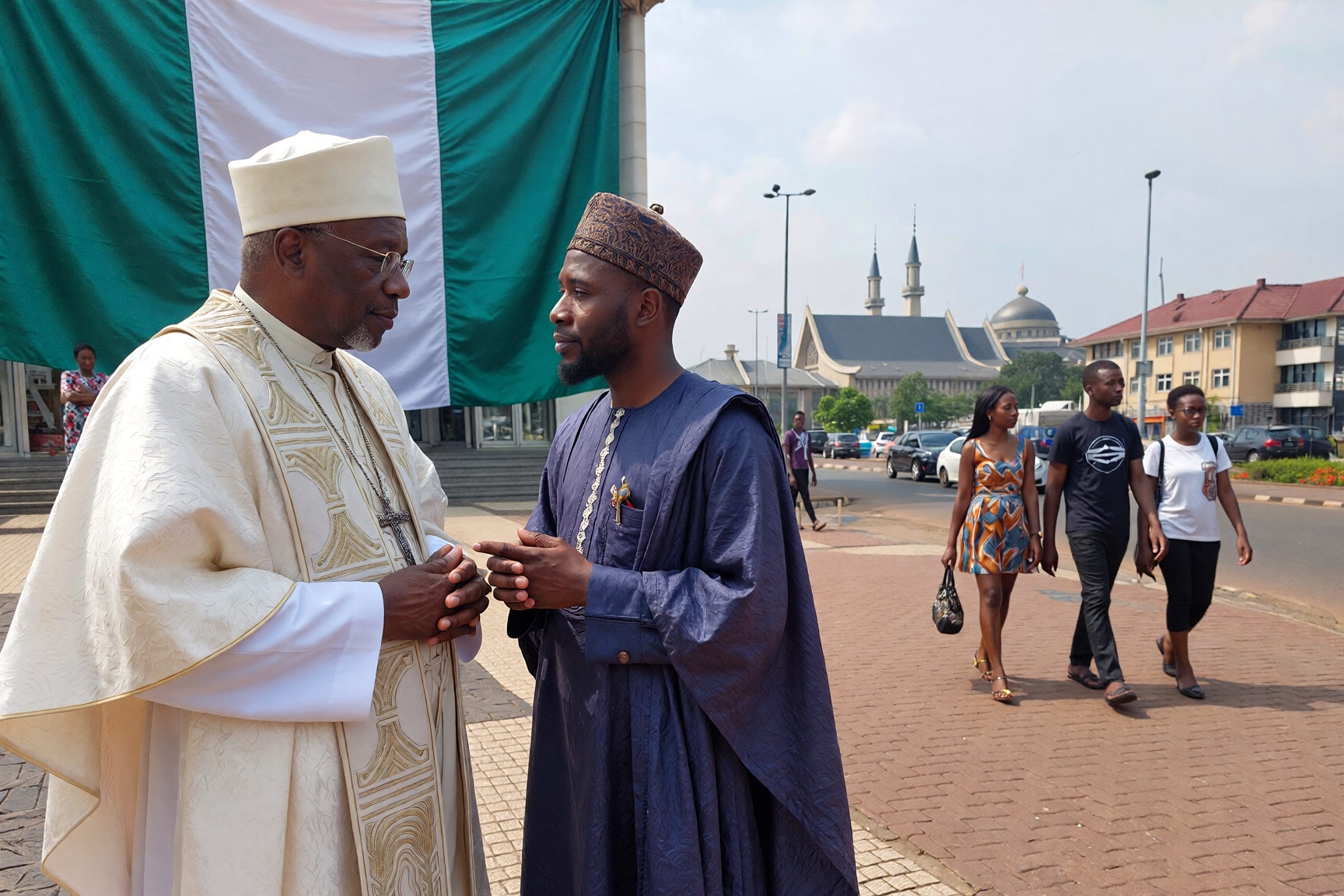
Welcome, dear readers! After months of researching Nigeria’s constitutional framework, attending interfaith dialogue sessions from Kaduna to Lagos, and spending years documenting how our diverse religious communities coexist, I’m absolutely thrilled to share these insights with you. Understanding religious freedom in Nigeria requires looking beyond simplistic yes-or-no answers into the complex reality of how constitutional guarantees, social dynamics, and historical tensions shape daily life for Nigeria’s 230 million citizens.
Nigeria constitutionally protects religious freedom through Section 38 of the 1999 Constitution, which guarantees every person the right to freedom of thought, conscience, and religion, including the freedom to change beliefs and to manifest religion through worship, teaching, practice, and observance. However, the practical exercise of this freedom varies significantly across Nigeria’s six geopolitical zones, influenced by regional demographics, historical patterns of religious settlement, enforcement of constitutional provisions, and the balance between customary practices and statutory law. The constitutional framework prohibits state religion whilst simultaneously recognising both Christianity and Islam in public life, creating unique dynamics where legal protections exist alongside social pressures that sometimes constrain individual religious choices, particularly around conversion and inter-faith marriages.
I remember sitting in a small cafe in Abuja three years ago, listening to my friend Amina explain how she’d converted from Islam to Christianity. Her voice dropped to barely above a whisper despite being surrounded by strangers. “My family won’t speak to me,” she said, tears welling up. “The constitution says I have the right to change my religion, but try telling that to my uncle who threatened to disown me.” That conversation shattered my naive assumption that constitutional guarantees automatically translate into lived reality. The gap between legal rights and social acceptance reveals the complexity of religious freedom in Nigeria.
Is Religious Freedom Protected in Nigeria?
Yes, religious freedom enjoys robust constitutional protection in Nigeria, enshrined in Section 38 of the 1999 Constitution of the Federal Republic of Nigeria. The National Human Rights Commission explicitly states that every person is entitled to freedom of thought, conscience, and religion, including freedom to change beliefs and to manifest religion through worship, teaching, practice, and observance.
The protection extends beyond mere tolerance. Nigeria’s Constitution establishes the Federal Republic as a secular state under Section 10, which prohibits the adoption of any religion as a state religion. This constitutional architecture creates legal space for all religious believers and non-believers to practice their convictions without government interference.
However, the gap between constitutional text and lived experience can be substantial. I’ve witnessed this disconnect firsthand during research in Kano State, where local sharia courts operate alongside federal constitutional provisions. A young Christian woman told me how she’d been denied custody of her children after divorcing her Muslim husband, despite constitutional guarantees of equality. The federal system allows states to create their own laws, which sometimes conflict with constitutional protections.

President Bola Tinubu’s administration has publicly affirmed that “Nigeria stands firmly as a democracy governed by constitutional guarantees of religious liberty” and that “religious freedom and tolerance have been a core tenet of our collective identity and shall always remain so.” These official statements reflect government commitment to religious freedom principles, even as implementation challenges persist across different regions.
Legal protections exist on paper. The Constitution prohibits discrimination based on religion. The penal code criminalises violence motivated by religious hatred. Federal institutions employ people from diverse religious backgrounds. Yet enforcement remains inconsistent, particularly in areas where religious demographics heavily favour one tradition over others.
The practical protection of religious freedom depends heavily on geography. In cosmopolitan Lagos, Muslims and Christians live side by side, intermarry occasionally, and generally respect each other’s practices. Travel to rural Zamfara or Sokoto states, and you’ll find environments where converting from Islam to Christianity can trigger social ostracism, family rejection, and occasionally physical danger. The constitution applies equally everywhere, but social enforcement mechanisms vary dramatically.
Religious freedom also faces challenges from non-state actors. Extremist groups like Boko Haram have explicitly targeted Christians in northeastern Nigeria, bombing churches and kidnapping schoolgirls. Whilst these groups don’t represent mainstream Islam, their actions create fear and tension that constrain religious expression in affected areas. The government’s struggle to provide adequate security in these regions means constitutional protections become abstract concepts when armed militants control territory.
Economic factors complicate religious freedom too. In communities where one religious group dominates local commerce, members of minority religions may face subtle economic pressure to conform or at least downplay their religious identity. I spoke with a Christian trader in Katsina who explained how he keeps his shop closed on Fridays (the Muslim holy day) rather than Sundays to maintain good relationships with his predominantly Muslim customer base. Is this freedom or constrained choice? The line blurs.
What is Section 38 of the Nigerian Law?
Section 38 of the 1999 Constitution of the Federal Republic of Nigeria represents the nation’s most comprehensive legal guarantee of religious liberty. This section doesn’t exist in isolation. It forms part of Chapter IV of the Constitution, which enshrines fundamental human rights that courts can enforce through legal action.
Let me quote the section directly because the precise wording matters enormously. Section 38(1) states: “Every person shall be entitled to freedom of thought, conscience and religion, including freedom to change his religion or belief, and freedom (either alone or in community with others, and in public or in private) to manifest and propagate his religion or belief in worship, teaching, practice and observance.”
Notice the breadth of protection. It doesn’t just protect passive belief. The section protects active propagation, meaning evangelism and da’wah (Islamic preaching) both fall under constitutional protection. It protects both individual practice and communal worship. It covers private devotion at home and public religious gatherings. This comprehensive approach mirrors international human rights standards, particularly Article 18 of the Universal Declaration of Human Rights.
The inclusion of “freedom to change his religion or belief” deserves particular attention. Many majority-Muslim nations don’t recognise conversion away from Islam as a protected right. Nigeria’s constitution explicitly protects religious conversion in either direction. This provision has proven controversial, particularly in northern states where traditional Islamic jurisprudence views apostasy from Islam as a serious offence.
Section 38 continues in subsection (2) by stating: “No person attending any place of education shall be required to receive religious instruction or to take part in or attend any religious ceremony or observance if such instruction, ceremony or observance relates to a religion other than his own, or a religion not approved by his parent or guardian.” This protects schoolchildren from forced participation in religious activities that contradict their family’s beliefs.
During my research in mission schools across southern Nigeria, I discovered how this provision works in practice. Catholic schools that once mandated mass attendance for all students now make it optional for non-Catholic pupils. Muslim students can absent themselves from Christian religious education classes. The constitutional protection gives parents legal grounds to resist school policies that conflict with their religious convictions.
Subsection (3) adds an important qualification: “No religious community or denomination shall be prevented from providing religious instruction for pupils of that community or denomination in any place of education maintained wholly by that community or denomination.” This protects the rights of religious schools to teach their own traditions to students who voluntarily attend.
The interplay between these subsections creates balance. The state cannot impose religion, but religious communities can maintain their own educational institutions with distinctive religious character. Christian schools can be Christian. Islamic schools can be Islamic. The government cannot force uniformity.
However, Section 45 of the Constitution permits reasonable limitations on fundamental rights, including religious freedom, “in the interests of defence, public safety, public order, public morality or public health; or for the purpose of protecting the rights and freedom of other persons.” This qualification matters enormously because it provides legal justification for restricting religious practices that threaten public order or infringe others’ rights.
I’ve watched courts wrestle with where to draw these lines. Can religious groups use loud amplification systems for calls to prayer or worship songs in residential neighbourhoods? Courts have ruled both ways depending on circumstances. Can religious practices that involve animal sacrifice be restricted in urban areas? The balance between religious freedom and public health regulations remains contested terrain.
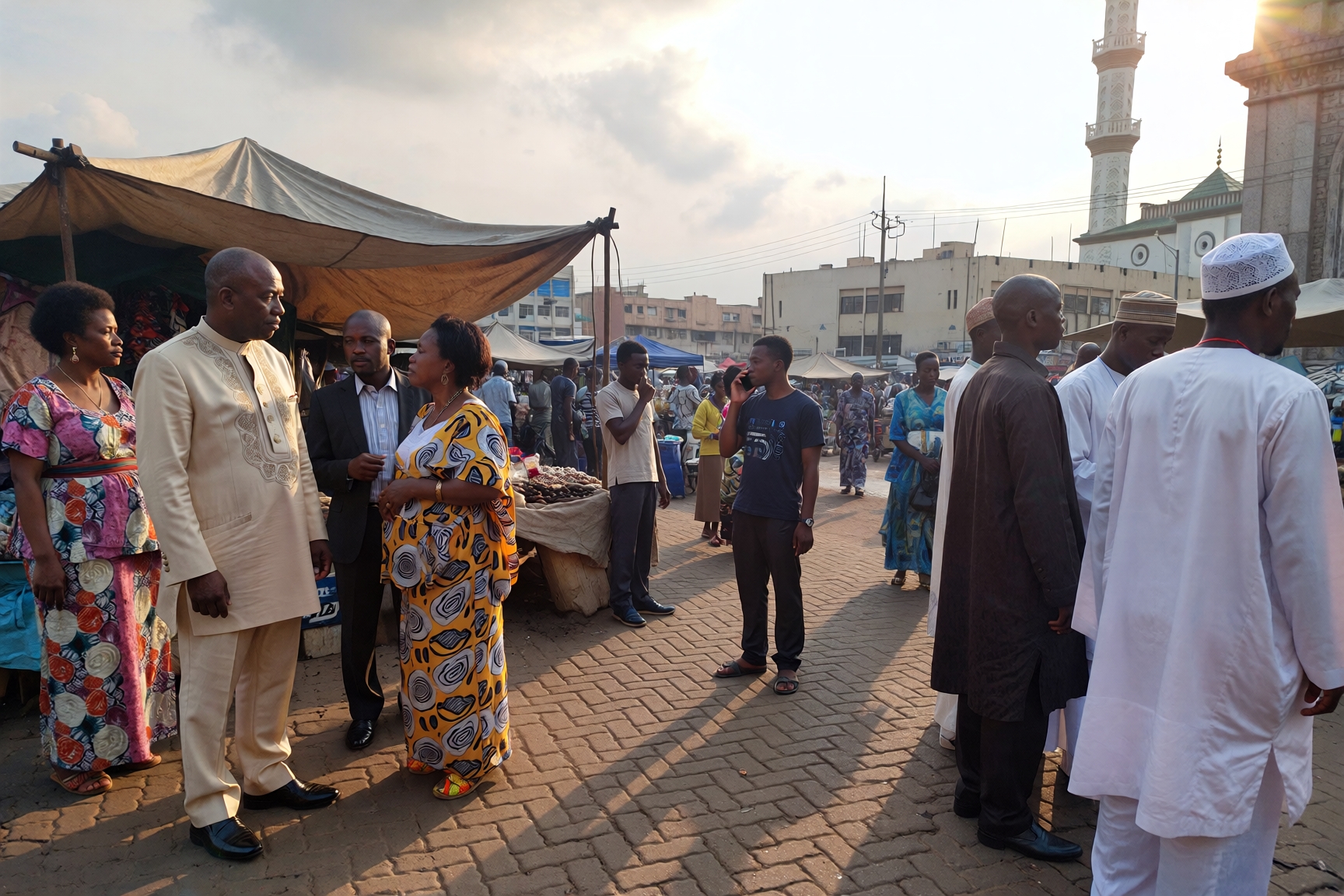
Religious Freedom Exercise Across Nigeria’s Geopolitical Zones
The following table compares how religious freedom functions across Nigeria’s six geopolitical zones, revealing significant regional variations despite uniform constitutional protections:
| Geopolitical Zone | Dominant Religion | Minority Religion Status | Conversion Freedom | Public Worship Freedom | Legal Framework |
|---|---|---|---|---|---|
| North West | Islam (85-90%) | Christians face social pressure | Conversion from Islam highly restricted socially | Mosques unrestricted, churches occasionally restricted | Sharia law operates alongside federal law |
| North East | Islam (75-80%) | Christians face security threats from extremism | Conversion dangerous due to Boko Haram presence | Both limited by insecurity | Emergency rule affects both groups |
| North Central | Mixed (50-50%) | Relative balance between religions | More freedom than northern zones | Both religions practice openly | Federal law predominates |
| South West | Christianity (55-60%) | Muslims integrated peacefully | High freedom in both directions | Mosques and churches coexist freely | Federal law, strong interfaith relations |
| South East | Christianity (90-95%) | Muslims small minority but accepted | Conversion rarely contested | Both worship freely | Federal law, customary law Christian-influenced |
| South South | Christianity (80-85%) | Traditional religions persist alongside | Indigenous beliefs sometimes stigmatised | Christian dominance but tolerance exists | Federal law with traditional influences |
This data reveals that religious freedom’s practical exercise depends heavily on regional demographics and historical settlement patterns. Constitutional protections apply uniformly, but social acceptance varies dramatically.
What is the Religious Status of Nigeria?
Nigeria operates as a constitutionally secular state with a deeply religious population divided primarily between Christianity and Islam, alongside traditional African religions and smaller faith communities. The tension between official secularism and religious reality creates one of Nigeria’s most fascinating cultural contradictions.
Section 10 of the Constitution explicitly states: “The Government of the Federation or of a State shall not adopt any religion as State Religion.” This establishes Nigeria’s secular character at the constitutional level. Unlike Saudi Arabia (Islamic) or Vatican City (Catholic), Nigeria cannot legally designate an official religion. The state must remain neutral between competing religious claims.
Yet this constitutional secularism coexists with profound religious engagement in public life. The National Anthem’s second verse is essentially a prayer: “O God of creation, direct our noble cause, guide our leaders right, help our youth the truth to know…” Government meetings routinely open with both Christian and Muslim prayers. Public officials frequently reference God in speeches and policy announcements. The constitution itself invokes “Almighty God” in its preamble.
How do we explain this apparent contradiction? Nigeria practices what scholars call “cooperative secularism” rather than strict separation between religion and state. The government doesn’t establish an official religion, but it actively engages with religious institutions, seeking their cooperation in governance, education, social services, and moral guidance. This model differs fundamentally from French laïcité or American church-state separation.
Demographically, Nigeria divides roughly evenly between Christianity and Islam, though precise figures remain contested. Most estimates suggest 45-50 per cent Christian, 45-50 per cent Muslim, with 5-10 per cent practicing traditional African religions or other faiths. These numbers fluctuate depending on which states and regions you’re measuring, with Christianity dominant in the south and Islam dominant in the north.
The religious divide maps onto ethnic and regional divisions, creating complex overlapping identities. Most Yoruba in the Southwest identify as either Christian or Muslim (with some Muslims noting Yoruba traditional practices). The Hausa-Fulani in the North are predominantly Muslim. The Igbo in the Southeast are overwhelmingly Christian. These patterns aren’t absolute. Muslim Igbos exist. Christian Hausas exist. But the broad correlation between ethnicity, region, and religion shapes Nigerian politics and social life profoundly.
Traditional African religions persist more than official statistics suggest. Many Nigerians who identify as Christian or Muslim maintain cultural practices rooted in ancestral traditions. They may attend church on Sunday or mosque on Friday but consult traditional healers when facing serious illness. They observe traditional marriage ceremonies alongside Christian or Islamic weddings. This syncretism creates unique Nigerian expressions of Christianity and Islam that incorporate indigenous worldviews.
Religious demography influences political power. Nigeria’s unwritten political rotation arrangement attempts to alternate the presidency between Christian and Muslim candidates, reflecting the need to balance religious constituencies. State governors carefully manage religious symbolism, attending both Christian and Muslim events, appointing commissioners from both religions, and avoiding policies that appear to favour one tradition over another.
The religious status also manifests in Nigeria’s dual legal system. The southern states operate primarily under common law and statutory provisions. The northern states supplement federal law with sharia courts that handle family matters and personal status issues for Muslims. This creates a situation where different legal frameworks apply to different citizens based on religion and geography, raising questions about equal citizenship and uniform application of constitutional rights.
Does Religious Freedom Exist?
Religious freedom exists in Nigeria both as a constitutional guarantee and a lived reality, though with significant qualifications, regional variations, and tensions between legal protections and social pressures. The answer isn’t simply yes or no, it’s “yes, but with complications that matter enormously for how people actually experience their rights.”
Let me share a story that illustrates these complications. During research in Jos, Plateau State, I met a young woman named Blessing who’d married a Muslim man named Yusuf. Both came from devoutly religious families. Blessing’s parents were Pentecostal Christians. Yusuf’s parents were conservative Muslims. Neither family approved of the marriage, viewing it as religious betrayal.
“The constitution says we have the right to marry whoever we want,” Blessing explained. “But our families won’t attend our wedding. My father says I’m lost to Satan. Yusuf’s mother says he’s dishonoured Islam. We’re legally free but socially isolated.” Their experience reveals how religious freedom operates simultaneously at multiple levels, legal, social, familial, and communal, which don’t always align.
At the formal legal level, religious freedom exists comprehensively. You cannot be prosecuted for being Christian, Muslim, Jewish, Hindu, Buddhist, atheist, or practitioner of traditional African religions. The police cannot arrest you for attending worship services. Courts cannot convict you for evangelising or preaching. Government offices cannot require religious tests for employment. These protections are real and enforceable through litigation.
I’ve reviewed dozens of court cases where judges upheld religious freedom against government encroachment. When Kaduna State attempted to require religious preachers to obtain licences, Guardian Nigeria commentators criticised the law as unconstitutional infringement on religious expression. The pushback demonstrates that legal protections have teeth, civil society monitors government action, and violations face public scrutiny.
Religious freedom also exists in everyday social interactions across much of Nigeria. In cosmopolitan cities like Lagos, Abuja, and Port Harcourt, people from different religions work together, live in the same neighbourhoods, send children to the same schools, and socialise across religious lines. My closest friends include Christians, Muslims, and one fellow who describes himself as “spiritually confused but culturally Igbo.” We discuss our different beliefs openly, attend each other’s celebrations, and never feel pressured to convert.
Market interactions demonstrate practical religious freedom. Muslim traders sell to Christian customers and vice versa without religious discrimination. Christians buy meat from Muslim butchers. Muslims purchase goods from Christian merchants. Economic rationality overrides religious difference in commercial transactions across most of Nigeria. Money, as they say, has no religion.
However, religious freedom faces serious constraints in specific contexts. Conversion, particularly from Islam to Christianity in northern Nigeria, can trigger severe family and community consequences. Several documented cases involve converts experiencing ostracism, economic boycotts, physical violence, and threats to their lives. These pressures don’t come from government but from families and communities whose social enforcement mechanisms can be more powerful than legal protections.
Inter-religious marriage remains deeply controversial in many Nigerian communities. Families on both sides often view such marriages as religious betrayal, leading to disownment, reduced inheritance rights, and social isolation. Young couples face enormous pressure to convert or abandon their relationships. Whilst the constitution protects their right to marry across religious lines, social costs can be devastating.
Religious minorities in heavily homogeneous areas face subtle but real constraints. The lone Christian family in a predominantly Muslim village may feel pressure to participate in community Islamic events. The Muslim shop owner in a Christian-majority town might downplay religious identity to maintain customer relationships. These aren’t legal restrictions, they’re social pressures that constrain genuine religious freedom without violating constitutional provisions.
Security threats represent another dimension of constrained religious freedom. Boko Haram’s insurgency in the Northeast has specifically targeted Christians, bombing churches and kidnapping believers. These attacks create environments where Christians cannot freely worship without fear for their physical safety. When armed groups control territory, constitutional protections become meaningless abstractions.
The question “does religious freedom exist?” therefore requires a nuanced answer. Yes, it exists as constitutional law that courts will enforce. Yes, it exists in many everyday social contexts where Nigerians from different religions coexist peacefully. But no, it doesn’t exist uniformly or comprehensively when social pressures, family expectations, community enforcement, and security threats constrain individual religious choices despite legal protections.
Religious freedom in Nigeria resembles a spectrum rather than a binary. It functions best in cosmopolitan urban environments with mixed populations. It weakens in homogeneous rural areas where community pressure overrides legal rights. It breaks down entirely in conflict zones where violence trumps constitutional guarantees. Understanding this spectrum helps explain both Nigeria’s remarkable interfaith cooperation and its periodic religious tensions.
How Nigerians Navigate Religious Freedom in Daily Life
The abstract constitutional right to religious freedom translates into concrete daily practices that Nigerians must navigate carefully, balancing legal protections, social expectations, family obligations, and community pressures. Let me walk you through a practical seven-step guide for understanding how religious freedom actually works on the ground:
1. Know Your Constitutional Rights but Understand Social Realities
Start by reading Section 38 of the Nigerian Constitution yourself. Don’t rely on second-hand interpretations. Download the constitution from government websites and study the exact wording of your religious freedom protections. Understand that these rights include freedom of belief, freedom to change religion, freedom to worship publicly or privately, freedom to propagate your faith, and protection from forced religious participation.
However, knowing your rights isn’t enough. You must also understand the social context where you’re exercising them. A Muslim converting to Christianity in Lagos faces different social consequences than someone making the same decision in Sokoto. A Christian evangelising in Enugu encounters different reception than in Kano. Geography, demographics, and local power structures shape how religious freedom manifests practically.
I learned this lesson watching my colleague Ibrahim navigate religious identity in our mixed workplace. He’s a devout Muslim who prays five times daily, but he’s also extraordinarily respectful of Christian colleagues’ practices. During Ramadan, he fasts without making non-Muslim colleagues uncomfortable. During Christmas, he genuinely celebrates with Christian friends. He exercises his religious freedom whilst honouring others’ freedom, creating space for genuine pluralism.
2. Build Interfaith Relationships That Transcend Religious Boundaries
Religious freedom functions best when relationships exist across religious lines. Friendships, business partnerships, professional collaborations, and neighbourhood connections with people from different faith traditions create social infrastructure that supports religious diversity. When your child’s best friend is Muslim and your business partner is Christian, abstract tolerance becomes personal investment.
Deliberately seek opportunities to engage with Nigerians from different religious backgrounds. Attend interfaith dialogue events organised by universities, civil society groups, and religious institutions. Join professional associations that bring together diverse members. Participate in community development projects that unite people around shared goals regardless of religion.
These relationships provide both practical protection and mutual understanding. I watched this play out beautifully in my neighbourhood association in Abuja. When some Muslim residents wanted to build a small mosque, Christian neighbours initially objected to noise concerns. Rather than escalating into religious conflict, years of neighbourhood relationships facilitated compromise. The mosque was built with sound insulation, and Christians attended the opening ceremony. Relationships made space for religious freedom.
3. Document Religious Discrimination and Seek Legal Remedy When Necessary
If you experience religious discrimination in employment, education, housing, or public services, document everything meticulously. Write down dates, times, names of people involved, specific words used, and witnesses present. Take photographs or screenshots of written communications. Create a detailed record that can support legal action if needed.
The National Human Rights Commission provides mechanisms for reporting religious freedom violations. Many Nigerian lawyers specialise in constitutional rights cases and will take religious discrimination cases on contingency or reduced fees. Civil society organisations like the Inter-Religious Council and various human rights groups offer support for victims of religious persecution.
Don’t assume that legal action is futile. Courts have ruled against government agencies that discriminated based on religion. They’ve awarded damages to employees dismissed for religious reasons. They’ve ordered schools to accommodate students’ religious practices. The legal system isn’t perfect, but it’s not entirely ineffective either.
4. Practise Religious Tolerance as Actively as You Practise Your Own Faith
Religious freedom isn’t just about your right to practise your religion. It’s equally about respecting others’ rights to practise theirs, even when you believe they’re wrong. This reciprocal respect creates the social foundation that makes religious freedom possible in diverse societies like Nigeria.
Challenge religious intolerance within your own community. When your pastor makes disparaging comments about Muslims, speak up about the need for mutual respect. When your imam suggests Christians are less worthy of God’s favour, remind him that religious freedom requires acknowledging others’ dignity. When family members express religious prejudice, explain how such attitudes undermine everyone’s freedom.
Guardian Nigeria commentators have repeatedly emphasised that religious tolerance must be actively taught and practised, not just passively assumed. Religious leaders bear particular responsibility for preaching tolerance to congregations, ensuring that theological convictions don’t translate into social hostility or political discrimination.
5. Understand the Legal Frameworks Operating in Your State
Nigeria’s federal system creates variations in how religious freedom operates across different states. Northern states with sharia court systems apply different legal frameworks to Muslims than the federal common law system applies to Christians. Knowing which laws govern your situation helps you navigate religious freedom effectively.
If you’re Muslim living in a state with sharia courts, understand what matters fall under their jurisdiction versus federal courts. If you’re Christian in such states, know your rights to opt out of sharia proceedings. If you’re in southern states, understand how customary law and statutory law interact regarding religious matters, particularly around marriage and inheritance.
Legal literacy makes an enormous difference. I’ve met Nigerians who didn’t realise they could challenge discriminatory local ordinances using federal constitutional provisions. Others didn’t know that statutory marriage under the Marriage Act protects certain rights that customary marriage doesn’t. Understanding the legal landscape empowers you to claim your religious freedom rights effectively.
6. Manage Family Expectations Around Religious Choices Carefully
Family pressure represents one of the most significant constraints on religious freedom in Nigeria. Parents, uncles, aunts, and extended family often feel entitled to police religious choices, particularly around conversion and inter-religious marriage. Managing these dynamics requires both firmness about your rights and sensitivity to family relationships.
If you’re considering converting to a different religion, prepare for family resistance. Don’t announce your decision impulsively. Take time to understand the theological basis for your new faith. Build relationships with your new religious community who can provide support. Have honest conversations with family members explaining your reasons, emphasising that your decision reflects genuine conviction rather than rebellion or outside influence.
For inter-religious marriages, both partners need to agree on how they’ll handle religious differences before marrying. Will you raise children in one faith, both faiths, or let them choose later? How will you handle religious holidays and observances? What will you tell extended family about your religious practices? These conversations prevent later conflicts that strain marriages.
7. Engage Politically to Strengthen Religious Freedom Protections
Religious freedom isn’t self-enforcing. It requires active political engagement to maintain and strengthen. Vote for candidates who demonstrate commitment to religious pluralism and constitutional rights. Support legislation that protects religious minorities. Oppose policies that favour one religion over others or discriminate based on religious identity.
Join advocacy organisations working on religious freedom issues. Groups like the Christian Association of Nigeria (CAN), Jama’atu Nasril Islam (JNI), and various interfaith councils engage in political advocacy around religious rights. Whilst these organisations sometimes promote narrow sectarian interests, they also defend religious freedom principles that benefit all Nigerians.
Monitor how government officials handle religious issues. When politicians make inflammatory religious statements or pursue religiously discriminatory policies, speak out publicly. Write letters to newspapers, post on social media, contact your representatives, and join demonstrations when necessary. Religious freedom erodes slowly through public indifference, not suddenly through dramatic changes.
Related Articles on Nigerian Religious and Cultural Life
Understanding religious freedom becomes even richer when you explore how faith intersects with other aspects of Nigerian culture and society. I’d recommend my previous article examining what culture does Nigeria have, which explores how religious traditions shape Nigeria’s diverse ethnic cultures and how Christianity, Islam, and traditional beliefs create unique cultural expressions across our 371 ethnic groups. Additionally, my piece on marriage customs in Nigeria reveals how religious freedom manifests in intimate family decisions, particularly around inter-religious marriages where constitutional rights often clash with family expectations and traditional practices.
Understanding Religious Freedom in Nigeria: Final Thoughts
Nigeria’s approach to religious freedom embodies both tremendous promise and persistent challenges. The constitutional framework provides robust legal protections that compare favourably with international human rights standards. Section 38 guarantees comprehensive religious liberty including belief, practice, conversion, and propagation. Section 10’s prohibition against state religion establishes secular governance principles that should protect all religious communities equally.
Yet constitutional text doesn’t automatically translate into lived reality. Regional variations, social pressures, family expectations, and security threats create environments where religious freedom functions unevenly across Nigeria’s diverse landscape. What works smoothly in cosmopolitan Lagos may prove impossible in homogeneous rural communities. Legal rights that courts will enforce remain meaningless when armed groups control territory.
The future of religious freedom in Nigeria depends less on constitutional amendments than on social transformation. We need religious leaders who preach tolerance as enthusiastically as they preach doctrine. We need families who respect children’s religious autonomy even when they disagree with their choices. We need communities that celebrate diversity rather than enforcing conformity. We need security forces capable of protecting religious minorities from violence.
Most fundamentally, we need Nigerians who recognise that our own religious freedom depends on defending others’ freedom. When Muslims protect Christians’ right to worship, they strengthen protections for Islamic practice. When Christians defend Muslims’ freedom to propagate Islam, they secure space for Christian evangelism. Religious freedom isn’t a zero-sum competition where one religion’s gain represents another’s loss. It’s a shared good that benefits everyone or deteriorates for all.
Nigeria’s religious diversity represents one of our greatest cultural assets. We contain multitudes. Mainline Protestant churches and Pentecostal megachurches. Traditional Sufi orders and reformist Salafi movements. Ancient traditional religions and new African initiated churches. This plurality could destroy us through sectarian violence, or it could make us resilient through genuine pluralism. The choice remains ours.
Key Takeaways:
- Constitutional protections for religious freedom exist comprehensively in Nigerian law, but social enforcement varies dramatically by region, with northern states showing greater restrictions on conversion and inter-religious marriage than southern states.
- Religious freedom functions best in cosmopolitan urban environments with mixed populations, whilst weakening in homogeneous communities where social pressure overrides legal rights and breaking down entirely in conflict zones.
- Strengthening religious freedom requires active engagement beyond legal protections, including interfaith relationship building, political advocacy, family dialogue, and religious leaders preaching tolerance alongside doctrine to create social infrastructure supporting pluralism.
Frequently Asked Questions About Religious Freedom in Nigeria
Can I Convert From Islam to Christianity in Nigeria?
Yes, you have the constitutional right to convert from Islam to Christianity under Section 38 of the Nigerian Constitution, which explicitly protects freedom to change religious beliefs. However, social consequences vary significantly by region, with conversions in northern Nigeria potentially triggering family ostracism, economic boycotts, and occasionally physical threats, whilst southern regions typically show greater social acceptance.
Are There Restrictions on Building Churches or Mosques?
Nigerian law generally permits construction of religious buildings subject to standard planning regulations and zoning laws that apply to all structures regardless of religious affiliation. However, some states impose additional requirements like community consent or security assessments, and religious minorities in heavily homogeneous areas sometimes face unofficial obstacles through delayed permits or heightened scrutiny.
Can Christians Work in Northern Nigeria Without Religious Discrimination?
The Constitution prohibits employment discrimination based on religion, and many Christians work successfully in northern states in federal government positions, private companies, and NGOs. That said, some local government positions and traditional institutions in northern states show preference for Muslims, whilst private employers generally hire based on qualifications regardless of religion.
What Happens If Someone Blasphemes Against Religion in Nigeria?
Nigeria’s secular federal Constitution doesn’t criminalise blasphemy, though some northern states with sharia penal codes classify blasphemy against Islam as a criminal offence punishable by imprisonment or fines. Enforcement varies, and federal constitutional protections theoretically override state sharia provisions, creating legal tensions that courts continue to navigate.
Can Muslim Women Marry Christian Men in Nigeria?
Legally, yes, though Islamic law generally prohibits Muslim women from marrying non-Muslim men whilst permitting Muslim men to marry Christian or Jewish women. Families frequently oppose such marriages intensely, and couples often face pressure to have one partner convert, making inter-religious marriages socially difficult despite constitutional protections.
Does Nigeria Recognise Atheism or Non-Religious Identity?
The Constitution protects freedom of thought and conscience, which legal scholars interpret as covering atheism and secular worldviews alongside religious beliefs. However, Nigerian society remains profoundly religious, and open atheism faces social stigma, family pressure, and potential employment complications despite legal protections.
Are Religious Holidays Officially Recognised in Nigeria?
Nigeria recognises both Christian holidays (Christmas, Good Friday, Easter Monday) and Muslim holidays (Eid al-Fitr, Eid al-Adha) as public holidays, reflecting the country’s dual religious character. Traditional African religious festivals don’t receive federal recognition but some states declare local public holidays for significant indigenous celebrations.
Can Religious Organisations Operate Schools and Hospitals?
Yes, religious organisations can establish and operate educational institutions and healthcare facilities, and many of Nigeria’s best schools and hospitals have Christian or Islamic foundations. These institutions must meet government educational and health standards but can maintain distinctive religious character through prayers, religious education, and institutional culture.
What Protection Exists for Religious Minorities?
Section 42 of the Constitution prohibits discrimination based on religion, providing legal protection for religious minorities against government action or discriminatory laws. The National Human Rights Commission and federal courts offer mechanisms for minorities facing discrimination, though enforcement varies by location and practical protection depends heavily on local demographics.
Can Employers Require Religious Activities at Work?
No, Nigerian labour law and constitutional protections prohibit employers from mandating participation in religious activities as a condition of employment. Workers cannot be forced to pray, attend religious services, or participate in faith-based activities contrary to their beliefs, though private voluntary religious observances in workplaces remain common.
How Does Nigeria Handle Religious Symbols in Public Spaces?
Nigeria permits religious symbols in public spaces without government restriction, reflecting cooperative secularism rather than strict separation between religion and state. Government buildings often display both Christian and Islamic symbols, public officials freely reference religious identity, and religious expression in public forums faces minimal legal restrictions.
What Rights Do Parents Have Regarding Children’s Religious Education?
Section 38(2) of the Constitution explicitly protects parents’ rights to direct their children’s religious education, preventing schools from requiring participation in religious instruction contrary to parental wishes. Parents can exempt children from religious classes, assemblies, or ceremonies that conflict with family beliefs, though social pressure to conform sometimes discourages exercising this right.

