 Follow Us on Google News
 Follow Us on Google Discover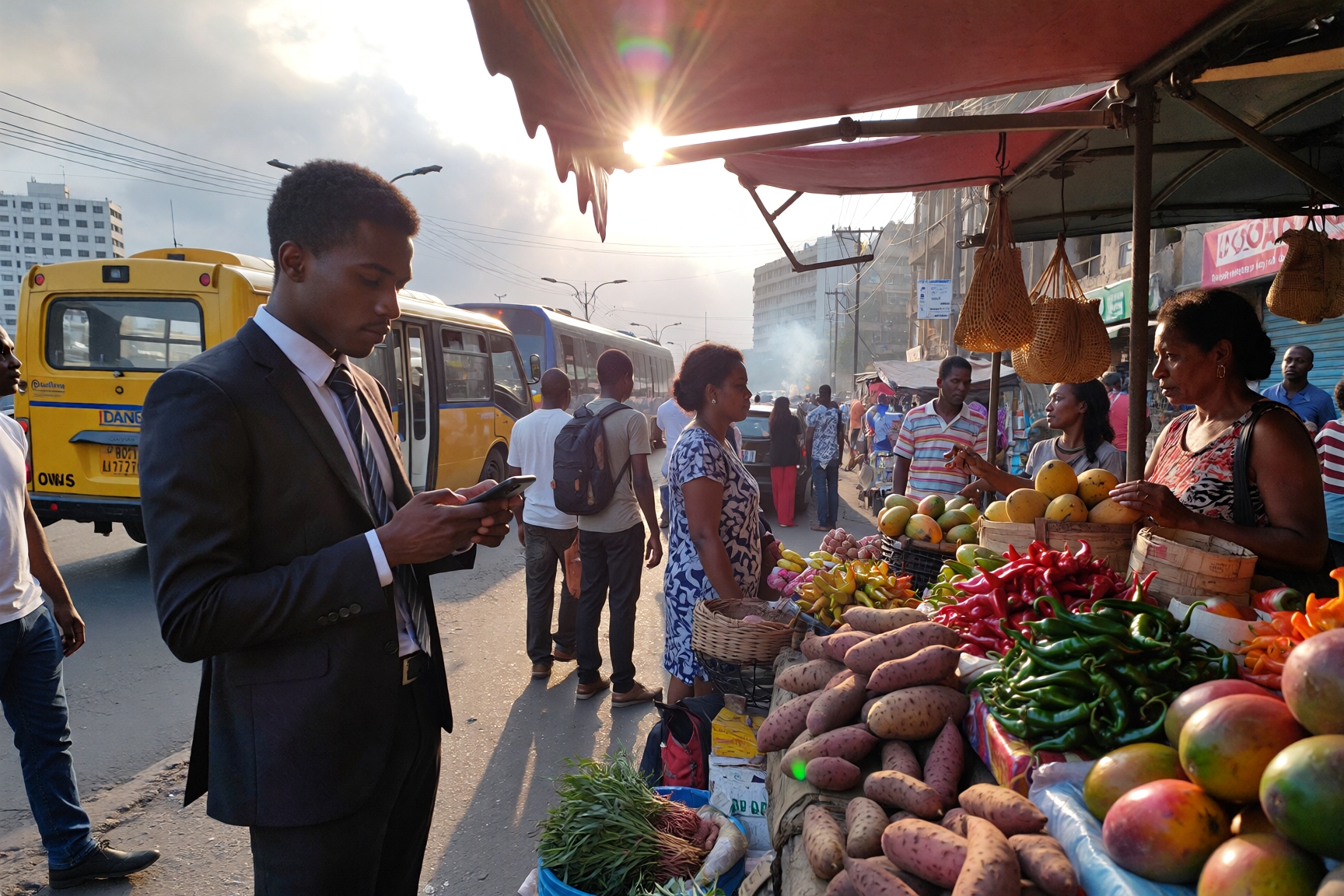
Welcome, dear reader, to what has become the most comprehensive exploration of contemporary Nigerian life I’ve undertaken in my years documenting this extraordinary nation. This article represents the culmination of months of research across all six geopolitical zones, countless conversations with Nigerians from diverse backgrounds, and years of observing how daily life unfolds in Africa’s most populous country. What is life like in Nigeria today? The honest answer requires us to look beyond headlines and understand the lived reality of 230 million people navigating extraordinary challenges alongside equally extraordinary resilience.
I first travelled to Nigeria in 2019, expecting to encounter a nation defined by its problems. What I discovered instead was something far more complex and ultimately more hopeful.
Yes, the challenges are real and substantial. But so too is the determination, creativity, and sheer bloody-minded refusal to be defeated that characterises Nigerian life in 2026.
How Has Daily Life Changed in Nigeria Recently?
The living situation in Nigeria has shifted dramatically since President Bola Tinubu’s administration began implementing economic reforms in mid-2023. The removal of fuel subsidies and currency devaluation sent shockwaves through every aspect of daily life, rather like pulling a thread that unravels an entire tapestry.
Petrol prices jumped from around ₦200 per litre to over ₦600 within months, tripling transportation costs overnight. A commercial bus journey that cost ₦200 in early 2023 now demands ₦600 or more for the same route. This wasn’t just an inconvenience; it was a fundamental disruption to how millions of Nigerians organise their lives, work, and budgets.
The National Bureau of Statistics reported headline inflation peaking at 34.8% in early 2025 before moderating to around 15.15% by late 2025, though food inflation remained stubbornly higher. These aren’t just statistics. They represent families making impossible choices between sufficient meals and school fees, between medication and rent, between maintaining dignity and surviving another day.

Walking through Lagos markets in early 2026, I watched as traders and customers engaged in elaborate dances of negotiation that would have seemed absurd just three years ago. A bag of rice that cost ₦18,000 in 2023 now sells for ₦50,000 or more. Tomatoes, that essential ingredient in virtually every Nigerian meal, can cost ₦1,000 for what you’d previously get for ₦200.
Yet Nigerians have responded with characteristic adaptability. Side hustles multiplied. Remote work opportunities expanded. Trading in Amazon gift cards and cryptocurrencies became informal economic safety valves, allowing people to protect savings from naira devaluation whilst accessing dollars without official channels.
The middle class contracted visibly. Families who once considered themselves comfortable found themselves calculating whether they could afford eggs this week. University lecturers drove for ride-sharing services during evenings. Civil servants sold provisions from their homes to supplement salaries that could no longer stretch to month’s end.
Which City Never Sleeps in Nigeria?
Lagos earned this moniker honestly. Step into Lagos at 2 AM on a Wednesday and you’ll find traffic on Third Mainland Bridge, street food vendors serving pepper soup to night workers, buses running their routes, and commercial districts humming with activity.
The city operates on multiple time zones simultaneously. Whilst formal business hours run 8 AM to 5 PM, Lagos’s informal economy works round-the-clock shifts. Bakers start at midnight preparing bread for morning markets. Artisans work through nights completing orders. Security guards, healthcare workers, logistics operators, and countless others keep this megacity functioning 24 hours daily.
But calling Lagos “the city that never sleeps” reflects necessity as much as vitality. Many Lagosians work multiple shifts across different jobs simply to afford the city’s crushing cost of living. Others start journeys at 4 AM to reach workplaces by 8 AM because traffic makes shorter commutes impossible. The city doesn’t sleep partly because millions can’t afford to.
Port Harcourt has its own nocturnal rhythm, driven by oil industry operations that run continuously. Abuja maintains steady nighttime activity in certain districts. Ibadan’s markets open before dawn. Yet Lagos remains uniquely, almost defiantly, awake at all hours.
I remember sharing a late-night taxi with a banker finishing at 11 PM who was heading to meet friends for suya. “If we don’t live,” he said, “we’ll just exist. Lagos won’t let you merely exist. It demands you participate fully or get swept aside.” That philosophy, for better or worse, keeps Lagos perpetually awake.
What Is the Quality of Life in Nigeria?
This question resists simple answers because quality of life varies so dramatically across Nigeria’s vast geography, social classes, and ethnic regions. The lived experience of an upper-middle-class professional in Lekki Phase 1 bears almost no resemblance to that of a subsistence farmer in rural Zamfara or a civil servant in Calabar.
Infrastructure remains the fundamental limiting factor. Power supply defines everything else in Nigerian life. Most Nigerians experience electricity as an occasional gift rather than a reliable service. Businesses budget ₦200,000 monthly or more for diesel generators. Households invest in solar panels, inverters, and rechargeable devices to cope with power cuts that can last days or weeks.
The Federal Ministry of Budget and Economic Planning acknowledges these infrastructure deficits in Nigeria Agenda 2050 planning documents, recognising that inadequate roads, unreliable electricity, poor water supply, and weak transportation networks constrain economic development and quality of life across all regions.
Water supply follows similar patterns. Wealthy neighbourhoods and estates maintain private boreholes and treatment systems. Middle-income areas rely on commercial water vendors delivering tanker-loads. Poor communities queue at public standpipes or fetch water from questionable sources.
Healthcare access separates sharply by income. Quality private hospitals in Lagos, Abuja, or Port Harcourt rival international standards, but charge fees that exclude 80% of the population. Public hospitals struggle with equipment shortages, drug stockouts, and overwhelmed staff. Rural health centres often lack basic supplies, trained personnel, or functioning equipment.
Education displays similar stratification. Elite private schools charge ₦1.5 million to ₦5 million annually, offering international curricula and excellent facilities. Public schools teach classrooms of 70 students with insufficient textbooks, furniture, or materials. Universities face chronic underfunding whilst private alternatives cost ₦2 million or more yearly.
Security concerns permeate daily decision-making. You consider which routes to take, what time to travel, where to live, what to wear, how much cash to carry. Kidnapping, armed robbery, and communal violence aren’t distant abstractions but factors weighing on practical choices.
Yet within these constraints, Nigerians create remarkably rich lives. Social connections provide safety nets formal systems don’t offer. Religious communities offer support, meaning, and practical assistance. Family networks share resources and responsibilities. Entrepreneurial creativity generates income opportunities official employment can’t match.
Cultural vibrancy compensates partially for material limitations. Music, fashion, food, humour, and social interaction create quality of life that pure economics can’t capture. A ₦50,000 monthly earner in Nigeria might experience more community connection, cultural engagement, and social support than a far wealthier but isolated individual elsewhere.
Understanding What Life Is Like in Nigeria Today
Let me address this directly: what is life like in Nigeria today? Life in contemporary Nigeria means navigating extraordinary contrasts and contradictions daily. It means experiencing genuine hardship alongside authentic joy, systemic dysfunction alongside impressive innovation, and frustrating obstacles alongside remarkable achievements.
The harsh economic reality: Most Nigerians struggle financially in ways that have intensified since 2023. The Central Bank of Nigeria reports consolidated public debt at ₦149.39 trillion (33.1% of GDP) as of March 2025, whilst GDP grew modestly at 3.98% year-on-year in Q3 2025. Inflation eased from pandemic peaks but remains high, particularly for food. Unemployment and underemployment affect roughly 40% of the workforce, with youth unemployment even higher.
The persistent insecurity challenge: Security concerns dominate conversations and shape behaviour. Banditry plagues the Northwest. ISWAP and Boko Haram terrorise the Northeast. Kidnapping for ransom has spread to previously safe regions. Unknown gunmen attack communities in the Southeast. Herder-farmer conflicts erupt in the Middle Belt. Urban crime rises in major cities as economic desperation increases.
Nigerians develop elaborate risk-management strategies. You avoid certain routes after dark. You travel in convoys when possible. You pay ransoms when necessary. You relocate if a region becomes too dangerous. Security consciousness becomes second nature, exhausting but essential.
The infrastructure deficit: Power, water, roads, and transportation remain grossly inadequate for a nation of 230 million people. This isn’t just inconvenience; it’s an anchor dragging on economic productivity and quality of life. Manufacturing suffers. Healthcare delivery weakens. Education quality declines. Businesses relocate to countries with better infrastructure.
The governance failures: Policy inconsistencies, corruption, and weak institutions undermine progress. Budget implementations remain chaotic. Projects are abandoned mid-completion. Public funds disappear into private pockets. State capacity to deliver basic services remains weak despite enormous resources flowing through government accounts annually.
Yet alongside these challenges, life in Nigeria today also means:
Extraordinary human capital: Nigeria produces brilliant minds across every field. The diaspora includes leading doctors, engineers, entrepreneurs, academics, and artists globally. Within Nigeria, talented individuals innovate despite obstacles. Tech startups attract international investment. Creative industries gain worldwide recognition. Professional excellence emerges from the most unlikely circumstances.
Deep cultural richness: Nigeria’s 371 ethnic groups create cultural diversity that rivals entire continents. Music genres from Afrobeats to Fuji to Highlife shape global sounds. Nollywood produces thousands of films annually. Fashion designers blend traditional and contemporary styles. Cuisine varies dramatically across regions, each with distinct flavours and techniques. Social life remains vibrantly connected despite economic pressures.
Remarkable resilience: Nigerians develop coping mechanisms for challenges that would break other societies. When power fails, you adapt. When institutions disappoint, you find alternative solutions. When formal systems don’t work, you create informal ones. This resilience isn’t heroic; it’s exhausting. But it’s also real and sustaining.
Genuine community bonds: Despite urbanisation and modernisation, Nigerian society retains strong communal orientations. Extended families support members through difficulties. Ethnic associations provide safety nets. Religious communities offer material and emotional assistance. Neighbours watch out for one another. These connections provide quality of life that pure economics can’t measure.
Life in Nigeria today means waking up not knowing if you’ll have electricity, but knowing your neighbour will lend you their generator if yours fails. It means struggling to afford school fees, but finding an uncle who’ll contribute. It means facing insecurity, but trusting your community warning system. It means governmental disappointment, but grassroots ingenuity.
7 Steps for Understanding Contemporary Nigerian Life
If you want to genuinely understand what daily life looks like for Nigerians in 2026, these seven steps will guide you beyond surface-level observations to deeper comprehension:
1. Spend time in both wealthy and poor areas within the same city. Lagos Island and Makoko sit kilometres apart but inhabit different universes. Visit Maitama in Abuja, then travel to Nyanya. Experience GRA Ikeja, then explore Mushin. The inequality is stark and uncomfortable, but understanding contemporary Nigeria requires witnessing these contrasts rather than staying in comfortable bubbles. Economic stratification shapes everything from health outcomes to educational opportunities to life expectancy, creating parallel realities within single metropolitan areas.
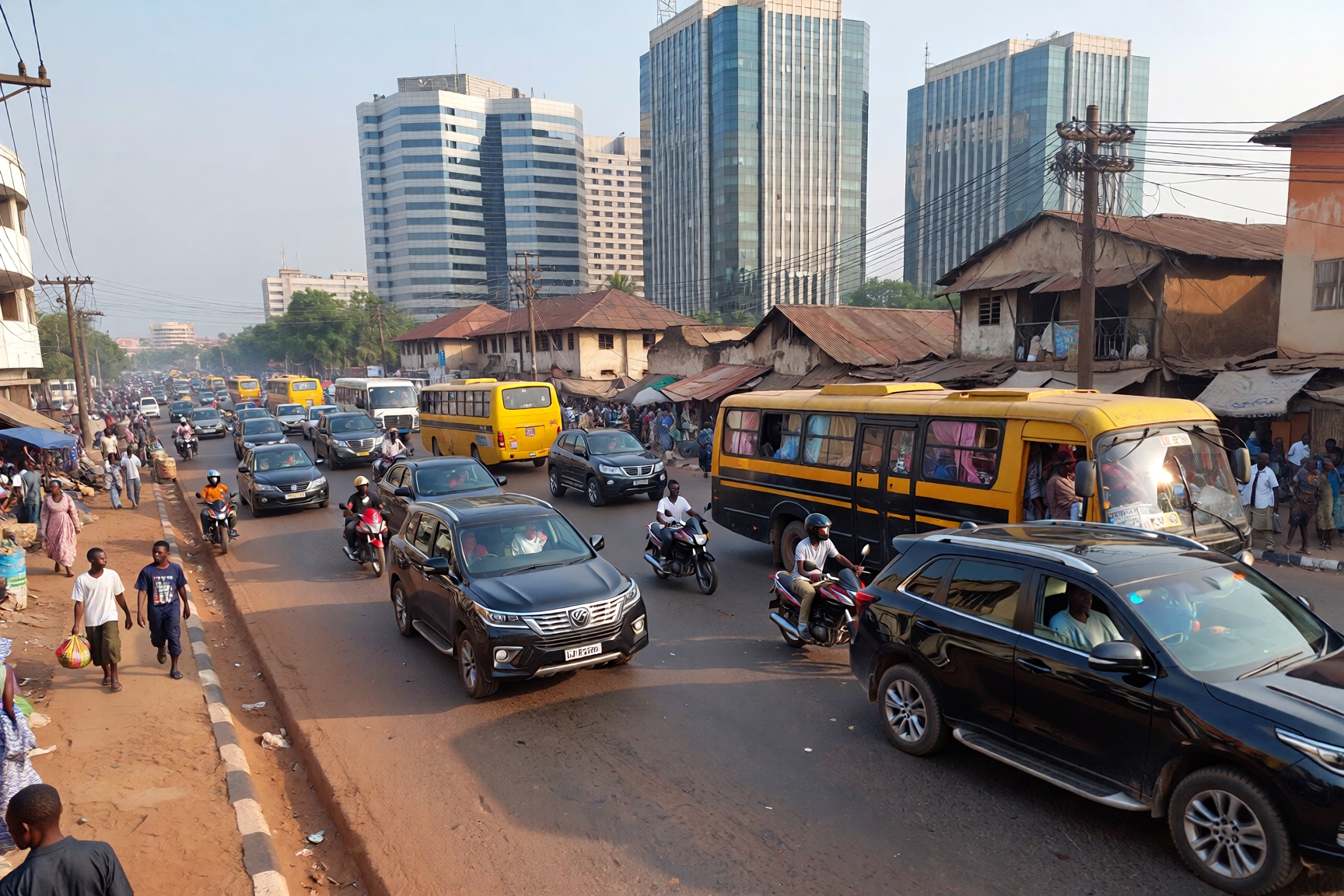
2. Experience Nigerian transportation systems during peak hours. Board a danfo bus during Lagos rush hour. Take a Keke Napep through Onitsha traffic. Travel by motorcycle taxi through Benin City. Queue for government transport in Abuja. Use app-based ride services and compare costs. Transportation reveals economic pressures, infrastructure deficits, and creative coping mechanisms simultaneously. You’ll understand why Nigerians often spend 3-4 hours daily commuting, why transportation costs consume such large portions of household budgets, and how mobility limitations constrain opportunity.
3. Track your daily power supply for one full week. Keep a notebook recording every time electricity comes and goes. Calculate actual power hours versus promised hours. Observe how businesses and households adapt when power fails. Price the backup systems (generators, inverters, solar) people employ. Experience the constant background calculation of when to charge devices, when to do laundry, when to refrigerate items, when to work. Power instability isn’t just an inconvenience; it’s a fundamental organising principle of Nigerian life.
4. Shop for one week’s groceries at three different market types. Visit a hypermarket like Shoprite, a traditional open-air market, and a neighbourhood provision shop. Compare prices, quality, and shopping experiences. Engage sellers in conversations about how prices have changed, what customers can no longer afford, and how they’re adapting. Food inflation hits hardest on the poorest, who lack storage for bulk purchases and can’t access wholesale prices. Understanding food economics reveals household pressures more directly than abstract inflation statistics.
5. Attend religious services and cultural events across ethnic groups. Visit a Pentecostal megachurch, a traditional mosque, a Catholic mass, and a traditional religious ceremony. Attend cultural festivals celebrating different ethnic groups. Observe how religion and culture provide meaning, community, and support systems that government and formal institutions don’t offer. Note the time Nigerians invest in these gatherings despite busy schedules and economic pressures. Religious and cultural participation isn’t recreational; it’s essential social infrastructure.
6. Follow local news and social media conversations for two weeks. Read Guardian Nigeria, Punch, Vanguard, and Premium Times daily. Follow Nigerian Twitter (X) conversations. Listen to radio call-in shows. Join WhatsApp groups discussing local issues. National and international media focus on crises and problems, but local conversations reveal what actually matters to Nigerians: school fees, power supply, food prices, road conditions, local security, and communal issues that rarely make headlines but dominate daily concerns.
7. Build genuine friendships across class and ethnic lines. Don’t just interview people or conduct research; develop real relationships with Nigerians from different backgrounds, economic circumstances, and regions. Spend time in their homes. Share meals. Listen to their frustrations and aspirations. Celebrate their victories. Nigerian life reveals itself through relationships more than observation. The hospitality, humour, and humanity that characterise Nigerian interactions teach more than any statistic or study.
These steps won’t make you Nigerian, obviously. But they’ll provide authentic insight into how life actually unfolds for 230 million people navigating extraordinary circumstances with insufficient resources and remarkable determination.
What Challenges Is Nigeria Facing Now?
Contemporary Nigeria confronts multiple interconnected crises that compound each other, creating challenges more severe than any single problem alone would generate.
Economic transformation pains: The Tinubu administration’s removal of petrol subsidies and exchange rate unification aimed to address long-term structural problems. Fuel subsidies were costing trillions of naira annually whilst benefiting smugglers and wealthy Nigerians disproportionately. Multiple exchange rates created corruption opportunities and distorted markets.
But the implementation caused severe short-term pain. Inflation surged. Purchasing power collapsed. Poverty deepened. The promised long-term benefits remain distant whilst immediate suffering is visceral and widespread. Trust in government economic management eroded as citizens watched their savings and salaries lose value monthly.
Comprehensive security deterioration: Nigeria faces security threats across all regions simultaneously, stretching military and police resources beyond capacity. The Northwest battles sophisticated bandit networks kidnapping hundreds for ransom. The Northeast continues fighting Boko Haram and ISWAP despite military gains. The Southeast experiences unknown gunmen attacks and separatist agitations. The Middle Belt suffers herder-farmer conflicts with ethnic and religious dimensions. Even previously secure regions like the Southwest now experience increased kidnapping and armed robbery.
Guardian Nigeria’s analysis emphasises that traditional military responses prove insufficient against the diverse security threats Nigeria faces. Banditry operates differently from insurgency. Urban crime requires different approaches than rural kidnapping. Yet government responses often apply similar tactics across different contexts.
The human cost devastates families and communities. Farmers abandon lands in dangerous areas, worsening food security. Businesses relocate from insecure regions. Schools close due to kidnapping fears. Healthcare workers flee dangerous zones. Road travel becomes calculated risk rather than routine journey. The psychological toll of constant insecurity weighs heavily on individual mental health and collective national morale.
Governance and institutional weaknesses: Nigerian institutions struggle to deliver basic functions reliably. Corruption remains endemic despite anti-graft efforts. Guardian Nigeria reports that over 11,000 questionable projects were identified in the 2025 federal budget, with allegations of budget padding diverting trillions from essential services. Some State Houses of Assembly approve budgets within 24 hours of presentation, bypassing meaningful legislative scrutiny.
Policy inconsistencies create business uncertainty and erode public trust. Reforms announced with fanfare get suspended after protests. Tax measures imposed then withdrawn. Regulations enacted then modified. This unpredictability paralyses planning and investment whilst feeding perceptions that government responds to pressure rather than implementing coherent strategies.
Judicial delays frustrate justice delivery. Cases languish for years or decades. Prisons hold thousands of pretrial detainees. Electoral disputes take so long to resolve that terms expire before judgments. Rule of law feels more theoretical than practical for most Nigerians.
Infrastructure collapse: Decades of underinvestment and poor maintenance have created infrastructure deficits that constrain economic growth and quality of life. Power generation capacity remains grossly inadequate despite enormous spending. Road networks deteriorate faster than repairs progress. Water systems serve fractions of urban populations. Ports operate inefficiently, raising costs for importers and exporters.
These aren’t just development challenges; they’re active obstacles to progress. Manufacturing becomes uncompetitive when factories must generate their own power. Agriculture suffers when rural roads make transporting produce prohibitively expensive. Healthcare delivery weakens when ambulances can’t navigate potholed roads quickly. Education quality declines when teachers lack consistent electricity for modern teaching tools.
Youth unemployment and emigration: Nigeria’s youth bulge could be an economic asset but increasingly represents a crisis. University graduates struggle finding appropriate employment. Technical skills go unutilised. Entrepreneurial talent lacks capital and enabling environment. Frustration mounts as education fails to translate into opportunity.
The result is massive emigration of Nigeria’s brightest and most ambitious. The “Japa” (leave) phenomenon sees doctors, nurses, engineers, tech specialists, and other skilled workers relocating to Canada, UK, US, UAE, and elsewhere. This brain drain weakens institutions and sectors that desperately need talent whilst benefiting receiving countries.
Those who remain increasingly disengage from civic participation. Youth voter turnout declines. Protests attract less participation. Cynicism about government responsiveness deepens. Guardian Nigeria’s coverage of recent protests against economic hardship notes waning faith in formal political processes to address grievances.
Regional Variations in Daily Life Across Nigeria
Nigeria’s six geopolitical zones experience these national challenges differently, whilst facing unique regional issues. This table compares key quality-of-life indicators across regions:
| Geopolitical Zone | Primary Security Concern | Economic Mainstay | Power Supply (Avg Hours/Day) | Major Infrastructure Challenge | Cost of Living Index (Lagos = 100) |
|---|---|---|---|---|---|
| South-South | Militancy, oil theft, kidnapping | Oil production, fishing, agriculture | 6-10 hours | Environmental degradation, flooding | 85-95 |
| South-West | Urban crime, kidnapping on highways | Commerce, finance, tech, education | 8-14 hours | Traffic congestion, road conditions | 95-110 |
| South-East | Unknown gunmen, separatist tensions | Manufacturing, trade, commerce | 4-8 hours | Road infrastructure, insecurity impact | 70-85 |
| North-Central | Herder-farmer conflicts, kidnapping | Agriculture, civil service | 6-12 hours | Rural road access, water supply | 60-75 |
| North-West | Banditry, mass kidnappings | Agriculture, small trade | 3-7 hours | Insecurity disrupting farming, education | 55-70 |
| North-East | Insurgency (Boko Haram, ISWAP) | Agriculture, reconstruction efforts | 2-6 hours | Destruction from conflict, IDP needs | 50-65 |
This data reveals stark regional disparities in both challenges and development levels. The South-West benefits from concentrated economic activity, better infrastructure, and relatively superior power supply, though suffers traffic congestion and higher costs. The North-East faces the most severe combination of insecurity, infrastructure deficits, and lowest development indicators, with ongoing conflict continuing to devastate communities years after insurgency began.
Power supply correlates strongly with economic development and quality of life. Regions receiving more consistent electricity support more businesses, better healthcare, improved education, and higher living standards. The North-East’s 2-6 hours daily average effectively precludes many economic activities whilst forcing enormous generator expenses on businesses and institutions attempting to function.
Cost of living inversely relates to economic opportunity. Whilst Lagos’s high costs burden residents, the concentration of employment, services, and opportunities justifies expenses for many. North-East residents face poverty and insecurity simultaneously, with fewer economic options to offset low costs. Regional inequality perpetuates migration from less developed regions to Lagos and Abuja, straining those cities’ infrastructure whilst draining talent from regions needing development most.
Adapting to Life in Contemporary Nigeria
Nigerians have developed sophisticated coping strategies for navigating their nation’s challenges. These aren’t just survival tactics; they’re evidence of remarkable creativity and resilience under pressure.
Side hustles and multiple income streams: Formal employment rarely suffices for comfortable living, so Nigerians develop supplementary income sources. Civil servants trade goods. Teachers drive for ride-sharing services. Bankers run weekend catering businesses. Doctors conduct private consultations. Engineers sell imported products.
This hustle culture generates impressive entrepreneurialism but also creates exhaustion. Working 60-80 hours weekly across multiple jobs leaves little time for rest, family, or personal development. Yet it’s often necessary for meeting basic needs.
Informal economic networks: When formal institutions fail, Nigerians create alternative systems. Cooperative savings groups (esusu, ajo) provide access to capital without bank loans. Peer-to-peer currency exchange bypasses official channels. Amazon gift card trading creates dollar access. Cryptocurrency adoption provides protection against naira devaluation.
These informal systems demonstrate ingenuity but also reveal institutional weaknesses. Citizens shouldn’t need parallel economic structures because formal ones don’t function properly.
Community support systems: Extended families, ethnic associations, and religious communities provide safety nets government and formal systems don’t offer. When someone faces medical emergencies, communities contribute. When children need school fees, relatives support. When businesses struggle, associations assist.
This communalism has beautiful aspects, reflecting deep human connection and mutual obligation. But it also burdens successful individuals with extensive demands from relatives and community members expecting support. Balancing personal needs against community obligations creates constant tension.
Religious faith and meaning-making: For many Nigerians, religious faith provides psychological sustenance during difficult times. Attributing challenges to spiritual battles or divine testing helps maintain hope when circumstances seem hopeless. Church and mosque communities offer belonging, support, and meaning that pure material analysis misses.
Critics worry this focus on spiritual explanations sometimes discourages practical action to address systemic problems. But for individuals facing circumstances beyond their control, faith provides genuine comfort and community that shouldn’t be dismissed as mere escapism.
Emigration and diaspora connections: Increasingly, Nigerian families function transnationally. One or two members emigrate, sending remittances that support relatives at home. Diaspora Nigerians maintain strong connections, investing in property, supporting families, and sometimes returning after retirement.
This strategy works individually but represents collective loss. The most talented, educated, and ambitious citizens leave, weakening institutions and sectors desperately needing their skills and energy.
The Broader Context: Nigeria in 2026
Understanding what life is like in Nigeria today requires positioning current challenges within larger historical and developmental contexts. Nigeria faces difficulties common to many developing nations alongside unique challenges flowing from its specific history, demographics, and political economy.
Post-independence Nigeria has cycled through periods of hope and disappointment. The oil boom of the 1970s created optimism quickly dashed by economic mismanagement and military coups. The return to democracy in 1999 raised expectations largely unfulfilled by subsequent governments. The digital technology boom of the 2010s generated excitement now tempered by economic realities and infrastructure constraints.
This pattern of raised expectations followed by disappointment breeds cynicism and disengagement, particularly among youth who feel betrayed by promises of development and opportunity. Yet it also fuels determination among those refusing to accept that Nigeria must remain trapped in cycles of dysfunction and underperformance.
Nigeria possesses enormous advantages many developing nations lack. Vast oil and gas reserves generate substantial revenue. Arable land supports diverse agriculture. A young, large population provides human capital. Cultural production gains global recognition and commercial success. The diaspora maintains connections and investments.
These assets make Nigeria’s underperformance more frustrating. The gap between potential and reality reflects governance failures more than resource constraints. This reality fuels both despair (because problems seem unnecessarily self-inflicted) and hope (because better governance could transform outcomes without requiring miraculous interventions).
Conclusion: Understanding Nigerian Life Beyond the Headlines
What is life like in Nigeria today? It’s harder than it should be, more expensive than seems fair, more insecure than anyone wants, and more frustrating than outsiders typically understand. Yet it’s also richer in community, deeper in cultural vibrancy, more filled with human warmth, and more marked by genuine resilience than statistics capture.
Nigerians in 2026 navigate a nation simultaneously failing and succeeding, disappointing and inspiring, struggling and thriving. They face genuine hardships that international development frameworks accurately identify whilst experiencing cultural richness and human connection those frameworks often miss.
Understanding contemporary Nigerian life means holding these contradictions simultaneously without minimising either the challenges or the sources of joy and meaning. It means recognising that 230 million people don’t define their lives primarily through struggles or statistics but through relationships, aspirations, and daily victories that might seem small from outside but feel significant from within.
The future remains uncertain. Economic reforms might eventually generate promised benefits, or might fail entirely. Security situations could improve with better strategies, or could further deteriorate. Governance might strengthen through institutional reforms, or might continue disappointing through corruption and incompetence. Infrastructure could develop with sustained investment, or could keep collapsing through neglect.
But Nigerians will continue adapting, creating, innovating, and persisting regardless of which scenarios unfold. That determination, creativity, and refusal to surrender represents the most important answer to what life is like in Nigeria today.
Key Takeaways:
- Life in contemporary Nigeria balances severe economic challenges (high inflation, unemployment, infrastructure deficits) against remarkable cultural richness, deep community bonds, and genuine human resilience that statistics can’t capture.
- Regional variations mean quality of life differs dramatically across Nigeria’s six geopolitical zones, with the South-West generally enjoying better infrastructure and economic opportunities whilst the North-East faces combined challenges of insurgency, underdevelopment, and inadequate basic services.
- Nigerians have developed sophisticated coping mechanisms including multiple income streams, informal economic networks, strong family support systems, and religious faith communities that provide material and psychological sustenance when formal institutions fail to deliver.
Related Articles on Nigerian Life and Culture
For more insights into contemporary Nigerian society, explore our previous coverage of communication patterns and customs in how Nigerians communicate and the rich linguistic diversity explored in what languages Nigerians speak. These articles provide essential context for understanding the cultural foundations that shape daily interactions and social relationships across Nigeria’s diverse ethnic communities.
FAQs About Life in Nigeria Today
What Is the Biggest Challenge Facing Nigerians Right Now?
Economic hardship represents the most immediate challenge, with inflation eroding purchasing power faster than income growth can compensate, forcing impossible choices between food, healthcare, education, and other essential needs. However, insecurity runs a close second, as kidnapping, banditry, and violence have spread to previously safe regions, constraining movement, disrupting livelihoods, and creating constant psychological stress that compounds economic pressures.
How Much Money Do You Need to Live Comfortably in Nigeria?
Comfortable living in Lagos or Abuja requires minimum ₦800,000 to ₦1.5 million monthly (approximately $500-$950 at current parallel market rates) for housing, food, transportation, utilities including generator costs, healthcare, and modest entertainment for a small family. However, comfort varies dramatically by location and lifestyle expectations, with regional cities like Ibadan, Benin City, or Jos offering substantially lower costs whilst still providing reasonable quality of life for those earning ₦400,000 to ₦600,000 monthly.
Is Nigeria Safe for Families to Live In?
Nigeria’s safety varies dramatically by location, with affluent neighbourhoods in Lagos (Ikoyi, Lekki, VI), Abuja (Maitama, Asokoro, Wuse 2), and Port Harcourt (GRA) maintaining relatively higher security through private guards, gated communities, and better policing, whilst kidnapping, banditry, and violent crime have increased in many states. Families must implement extensive security consciousness including avoiding night travel, using trusted drivers, maintaining low profiles regarding wealth, and staying informed about local security situations through community networks.
What Do Middle-Class Nigerians Do for Entertainment?
Middle-class Nigerians balance limited discretionary budgets with strong social orientations by attending religious services that double as social events, visiting cinemas that charge ₦2,000 to ₦4,000 for films, hosting home gatherings (owambe parties) where guests contribute financially through spraying, exploring restaurants and bars in safe neighbourhoods, and travelling domestically when fuel costs permit. Entertainment increasingly involves low-cost or free options like streaming services, YouTube, social media engagement, and community sports due to economic pressures reducing spending capacity for expensive outings.
How Do Nigerians Access Healthcare?
Healthcare access divides sharply by income level, with wealthy Nigerians using expensive private hospitals charging ₦50,000+ for consultations or travelling abroad for major procedures, middle-income families balancing limited health insurance coverage (often restricted to specific providers) with out-of-pocket expenses at mid-range private clinics, and poor Nigerians depending on overcrowded, under-resourced public hospitals where basic services theoretically cost less but actual expenses accumulate through drug purchases, informal payments, and lost income from illness. Traditional medicine and spiritual healing remain common across all classes due to cultural beliefs and healthcare system failures.
What Jobs Pay Well in Nigeria Currently?
Tech professionals (software developers, data analysts, cybersecurity specialists) earn ₦400,000 to ₦2 million monthly with international companies often paying dollar salaries, whilst senior positions in oil and gas, banking, telecommunications, and multinational corporations offer ₦800,000 to ₦5 million monthly plus benefits. However, the majority of Nigerians work in informal sectors earning far below these figures, with university lecturers typically earning ₦300,000 to ₦600,000 monthly, civil servants making ₦100,000 to ₦400,000 depending on level and state, and skilled tradespeople (electricians, plumbers, mechanics) earning variable income averaging ₦150,000 to ₦400,000 when consistently employed.
How Reliable Is Electricity Supply in Nigerian Cities?
Electricity reliability varies dramatically, with affluent areas in Lagos, Abuja, and Port Harcourt receiving 10-16 hours daily whilst many neighbourhoods average 4-8 hours and some areas go days or weeks without grid power. The National Bureau of Statistics reports improving generation but distribution remains chaotic, with most households and businesses maintaining expensive backup systems (generators costing ₦50,000 to ₦500,000+ with diesel expenses of ₦30,000 to ₦200,000+ monthly, or solar installations requiring ₦800,000 to ₦5 million initial investment) that effectively double or triple actual electricity costs beyond official tariffs.
What Are Housing Costs in Major Nigerian Cities?
Lagos commands highest rents with one-bedroom flats in desirable areas (Lekki, Ikoyi, VI) costing ₦800,000 to ₦2.5 million annually, whilst similar accommodation in Ikeja, Yaba, or Surulere ranges ₦400,000 to ₦900,000, and modest two-bedroom flats in mainland areas run ₦250,000 to ₦600,000 yearly, always requiring two years’ advance payment. Abuja follows similar patterns with slight discounts, whilst regional cities offer substantially lower costs with comfortable flats available for ₦150,000 to ₦400,000 annually, though all prices increased 30-50% since 2023 as landlords adjusted for inflation and currency devaluation.
Can Foreigners Live and Work in Nigeria?
Foreigners can live and work in Nigeria through various visa categories including work permits sponsored by Nigerian employers (requiring demonstration that no qualified Nigerian can perform the role), business visas for entrepreneurs establishing companies, and residence permits for retirees or investors, though bureaucratic processes are notoriously slow, expensive, and opaque, often requiring ₦500,000 to ₦2 million in official and unofficial payments plus 6-18 months processing time. Most expatriates live in secure compounds in Lagos, Abuja, or Port Harcourt, earning dollar salaries that buffer them from economic conditions average Nigerians face, though security concerns, power failures, and infrastructure challenges affect everyone regardless of income level.
What Is Nigerian Food Culture Like?
Nigerian cuisine varies dramatically by ethnic group and region, with jollof rice, pounded yam, egusi soup, suya, moi moi, akara, pepper soup, and fried rice representing popular dishes across ethnic lines, whilst regional specialities like amala and ewedu (Yoruba), ọfẹ nsala and abacha (Igbo), tuwo and miyan kuka (Hausa), banga soup (Urhobo), and edikang ikong (Efik) reflect local ingredients and cooking traditions. Food remains central to social life and hospitality, with sharing meals expressing community bonds, though rising costs have forced many families to reduce protein consumption, substitute expensive ingredients with cheaper alternatives, and prioritise filling staples over nutritional variety that was previously affordable.
How Do Nigerians Get Around Cities?
Urban transportation combines danfo (shared minibuses), BRT (Bus Rapid Transit) systems in Lagos, Keke Napep (tricycles), motorcycle taxis (okada, though banned in many Lagos areas), app-based ride services like Uber and Bolt, and private vehicles for those who can afford them, with most Nigerians spending ₦10,000 to ₦40,000 monthly on commuting despite crushing in overcrowded vehicles for 2-4 hours daily through chaotic traffic. Lagos traffic remains notoriously bad, with Third Mainland Bridge journeys that should take 20 minutes often requiring 2+ hours during peak periods, forcing many residents to leave homes by 5 AM for 8 AM appointments or sleep in offices rather than face evening traffic, whilst Abuja’s better road network provides marginally more predictable (though still frustrating) commutes.
What Should People Know Before Moving to Nigeria?
Prospective residents must understand that comfortable living requires significantly higher income than official statistics suggest, with hidden costs including generator fuel, water delivery, security arrangements, health insurance supplementing inadequate public systems, and private school fees totalling ₦200,000 to ₦500,000+ monthly beyond basic housing and food for families with children. Security consciousness becomes non-negotiable, requiring trusted drivers, avoiding certain areas and times, maintaining low profiles, and accepting restrictions that may feel excessive but reflect real risk environments. Cultural adaptation involves respecting hierarchical relationships, developing patience for “African time” and bureaucratic delays, building genuine social networks rather than expecting transactional efficiency, and embracing the vibrant, communal social life that partly compensates for material challenges and systematic frustrations that will inevitably test your resilience.

