 Follow Us on Google News


 Follow Us on Google Discover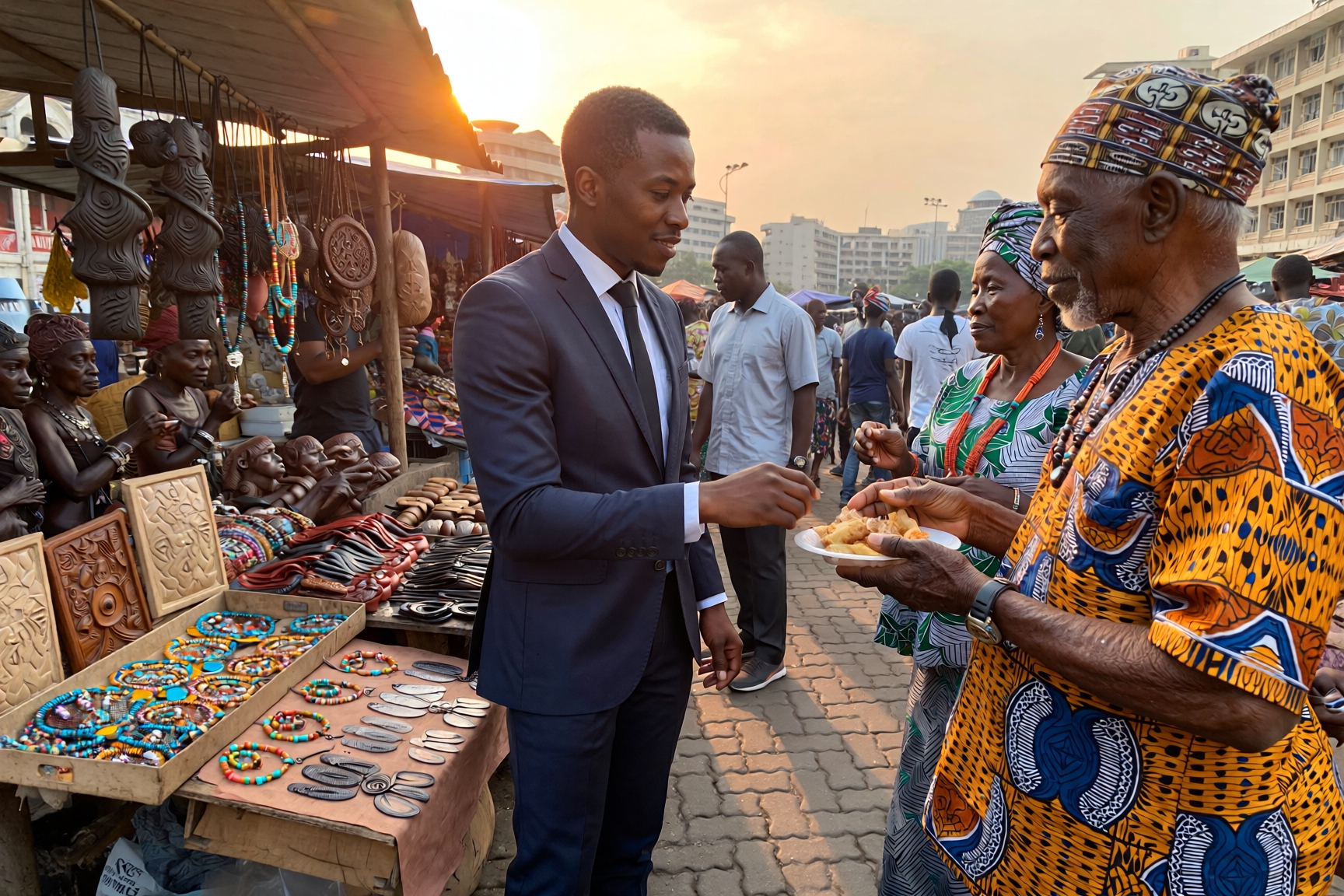
Welcome, dear readers! After months of intensive research across all six geopolitical zones, attending countless festivals from the Durbar celebrations in Kano to the Osun-Osogbo festival in Osogbo, and spending years documenting how our extraordinary diversity creates one of Africa’s most vibrant cultural landscapes, I’m absolutely thrilled to share this comprehensive guide with you. Understanding Nigeria’s culture is rather like trying to describe a magnificent symphony where 371 different instruments play simultaneously, each contributing unique melodies that somehow harmonize into something gloriously Nigerian.
This article represents the culmination of months of dedicated research into Nigerian culture, drawing upon years of experience living amongst different ethnic groups, participating in traditional ceremonies, and witnessing first-hand how our people navigate multiple cultural identities with remarkable grace.
Nigeria’s culture is fundamentally characterized by extraordinary ethnic diversity (371 distinct groups), deeply rooted communal values that prioritize family and community over individualism, vibrant artistic expression across music, dance, literature and visual arts, multilayered identity systems where people simultaneously identify as Nigerian, ethnic group members, regional affiliations and religious communities, and a unique ability to blend ancient traditions with contemporary innovation whilst maintaining cultural authenticity.
I’ll never forget my first proper immersion into Nigerian cultural complexity. It happened in Jos, Plateau State, during a community festival celebrating the harvest season. Within a single event space, I watched Berom dancers perform traditional moves to talking drums, whilst Hausa traders set up stalls selling suya and kunu, and Igbo businesspeople chatted in a mixture of Pidgin and English about commodity prices. Three distinct ethnic groups, different languages, varied customs, yet everyone participated with genuine enthusiasm in celebrating the harvest.
That’s when it hit me. Nigeria’s culture isn’t one thing. It’s hundreds of threads woven together into a tapestry so complex and beautiful that you could spend a lifetime studying it and still discover new patterns.
What is Nigerian Culture Like?
Let me answer this directly because you deserve clarity before we explore the fascinating details. Nigerian culture operates on multiple interconnected levels simultaneously. At the ethnic level, we have 371 distinct groups, each with unique languages, customs, traditional governance systems, and cultural practices evolved over millennia. The three largest groups (Hausa-Fulani at 29%, Yoruba at 21%, Igbo at 18%) dominate national conversations, but the remaining 368 groups maintain vibrant distinct identities.

At the regional level, Nigeria divides culturally into six geopolitical zones (North-West, North-East, North-Central, South-West, South-South, South-East), each with distinct cultural characteristics shaped by geography, climate, history, and predominant ethnic groups. The North tends toward Islamic influence, hierarchical social structures, and pastoral or agricultural economies. The South leans Christian, values education highly, and embraces commercial enterprise enthusiastically.
At the national level, shared experiences unite us. We collectively groan about fuel prices, celebrate Super Eagles victories, debate jollof rice supremacy, navigate traffic chaos, and share a resilient entrepreneurial spirit that finds opportunity in every challenge. According to the National Institute for Cultural Orientation, Nigeria’s cultural diversity represents one of the nation’s greatest assets, creating a rich heritage that requires constant preservation efforts and cultural education initiatives.
What strikes me most after years studying Nigerian culture is how we maintain this multiplicity without collapsing into chaos. A Lagos businessman might speak Yoruba at home, Hausa in the market, Igbo with business partners, English at the office, and Pidgin everywhere else. He celebrates Christmas, observes Eid with Muslim neighbours, attends traditional festival ceremonies honouring ancestors, and somehow makes it all work without experiencing identity crisis.
The Three Main Cultures in Nigeria
People often ask about the three main cultures in Nigeria, usually referring to the dominant ethnic groups: Hausa-Fulani, Yoruba, and Igbo. These three constitute roughly 68% of Nigeria’s population and exert enormous influence on national culture, politics, media, and commerce. But here’s the thing that fascinates me: even within each of these “big three,” you’ll find remarkable internal diversity that challenges the notion of monolithic ethnic cultures.
The Hausa-Fulani culture dominates Nigeria’s northern states. Islam shapes virtually every aspect of life, from daily prayer schedules to dietary restrictions to social organization. Hierarchical respect systems mean younger people prostrate before elders, and traditional rulers (Emirs) command genuine authority beyond ceremonial roles. Architecture reflects desert adaptation with thick walls and small windows protecting against heat. Gender segregation in social spaces is more pronounced than in southern regions.
What many people miss: the Hausa and Fulani are actually distinct groups that have intermingled extensively through intermarriage and shared Islamic identity. The Hausa were historically sedentary farmers and traders who built impressive city-states like Kano. The Fulani were nomadic cattle herders who migrated from West Africa’s Sahel region. Today, the fusion creates what we call Hausa-Fulani culture, though distinct Hausa and Fulani identities persist in some areas.
Yoruba culture thrives in Nigeria’s South-West states (Lagos, Ogun, Oyo, Osun, Ekiti, Ondo). Known for sophisticated urban development dating back centuries (cities like Ile-Ife and Oyo predate European contact), Yoruba culture balances tradition with modernization remarkably well. Traditional religion (Orisa worship) coexists with Christianity and Islam, sometimes within single families.
Art and aesthetics matter enormously in Yoruba culture. The bronze and terracotta sculptures from Ile-Ife rival anything produced in medieval Europe. Contemporary Yoruba artists dominate Nigeria’s music scene (think Fela Kuti, King Sunny Ade, Wizkid). Respect protocols are elaborate, with specific greetings for different times of day and social situations. Younger people prostrate (men) or kneel (women) when greeting elders.
I once attended a Yoruba wedding where the bride changed outfits seven times during the ceremony, each outfit costing hundreds of thousands of Naira. The conspicuous display wasn’t vulgar showing off but rather cultural expectation. Weddings demonstrate family status, honour ancestors, and celebrate community bonds through elaborate expenditure.
Igbo culture dominates South-Eastern Nigeria (Anambra, Imo, Enugu, Ebonyi, Abia). Characterized by fierce entrepreneurial spirit, egalitarian social structures that value individual achievement, and democratic decision-making traditions, Igbo culture prizes success through personal effort rather than inherited status.
Unlike Hausa-Fulani hierarchical systems or Yoruba kingship traditions, traditional Igbo society was largely republican. Elders held authority based on wisdom and accomplishment rather than birthright. This cultural foundation produces the legendary Igbo trader who starts with nothing and builds commercial empires through determination, risk-taking, and business acumen.
Religion plays central roles. Christianity spread rapidly through Igboland during colonial times, and today the region is overwhelmingly Christian with churches on virtually every street. However, traditional beliefs persist, particularly around ancestors (ndichie) who remain spiritually present and influential in family affairs.
But here’s what fascinates me about the so-called “big three”: they represent only starting points for understanding Nigerian culture. As one Guardian Nigeria columnist exploring Nigeria’s remarkable cultural tapestry observed, focusing solely on these three groups erases millions of Nigerians from other ethnic backgrounds who maintain distinct, vibrant cultural identities.
The Ijaw in the Niger Delta, the Kanuri in the North-East, the Tiv in the Middle Belt, the Edo in the South-South, the Ibibio in the South-South all have rich cultural traditions that deserve recognition beyond being classified as “minorities.”
Culture of Nigerian People
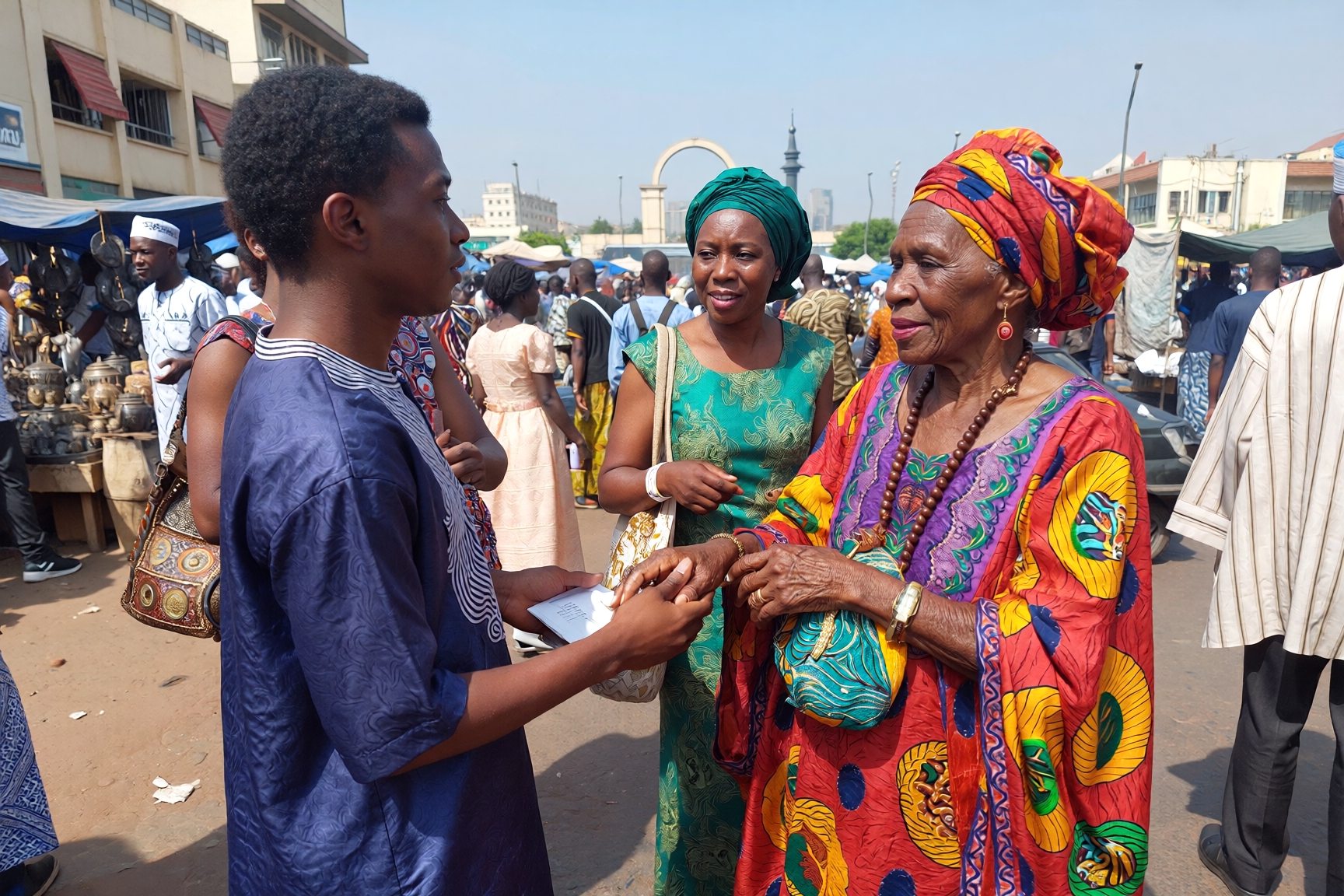
The culture of Nigerian people operates on foundational values that transcend ethnic differences and create recognizable “Nigerian-ness” despite our diversity. Let me explain what I mean by sharing seven core cultural values that most Nigerians embrace regardless of ethnic background.
First, communal orientation over individualism. Nigerian culture fundamentally prioritizes group welfare over individual desires. Your success belongs to your family, your village, your community. If you prosper, dozens of relatives expect support with school fees, medical bills, business capital. Westerners often view this as burden, but Nigerians see it as social insurance. The nephew you put through university today might be your lifeline during hard times tomorrow.
I remember interviewing a successful Lagos banker who supported seventeen people on his salary: parents, younger siblings, cousins, even his wife’s relatives. “How do you manage?” I asked. He looked at me like I’d asked a ridiculous question. “They’re family,” he said simply, as if that explained everything. It did.
Second, respect for elders is non-negotiable across Nigerian cultures. Age confers authority and wisdom automatically. Children (even adult children) don’t argue with parents publicly. Younger people greet elders with specific gestures: prostration (full or partial) among Yoruba and some other southern groups, kneeling among Igbo and many ethnicities, respectful greetings emphasizing the elder’s status everywhere.
This isn’t blind obedience to outdated authority. It’s cultural recognition that elders carry accumulated wisdom, life experience, and connection to ancestors who guide the living. Disrespecting elders brings shame on your entire family, and in traditional settings, can result in spiritual consequences.
Third, religious devotion permeates daily life intensely. According to data from the National Population Commission, approximately 53% of Nigerians are Muslim, 46% Christian, with traditional religionists comprising the remaining percentage. But these numbers don’t capture how thoroughly religion shapes Nigerian culture.
Business meetings often begin with prayers. Political campaigns invoke God constantly. Success gets attributed to divine favour whilst setbacks are “tested by God.” Nigerians attend religious services enthusiastically, whether Friday prayers at the mosque, Sunday worship at church, or traditional ceremonies honouring ancestors and deities.
What strikes foreign observers as excessive religiosity feels perfectly natural to Nigerians because we don’t separate secular from sacred spheres the way Western culture does. Religion isn’t something you practice separately from daily life. It is daily life.
Fourth, celebration culture defines Nigerian social existence. We celebrate everything: births, naming ceremonies, birthdays, weddings, funerals, graduations, promotions, house completions, business openings, even surviving another year. These aren’t quiet intimate affairs. Nigerian celebrations involve hundreds of guests, abundant food, hours of music and dancing, elaborate outfits, and substantial financial expenditure.
The owambe culture (Yoruba term now used nationally) transforms celebrations into competitive displays of wealth, generosity, and social status. Guests wear matching fabric (aso-ebi) costing ₦15,000-₦50,000 per set, spray money on celebrants during dancing, consume mountains of jollof rice, fried rice, moi-moi, and pepper soup, then dance until exhaustion to live bands or DJs.
Critics call this wasteful. Defenders argue it redistributes wealth (caterers, tailors, musicians, decorators all benefit), strengthens social bonds, and provides psychological comfort during hardship. Either way, celebration culture isn’t disappearing anytime soon.
Fifth, entrepreneurial hustle characterizes Nigerian culture powerfully. With unemployment officially around 33% but realistically much higher, most Nigerians survive through multiple income streams, informal economy participation, and creative problem-solving. The Nigerian who sells goods in traffic, runs a side business whilst employed formally, or finds innovative solutions to infrastructure deficits embodies our hustle culture.
This isn’t mere survival strategy. It’s cultural value. Laziness brings shame. Hard work, regardless of outcome, earns respect. The willingness to “try something” rather than sit idle waiting for perfect opportunities defines Nigerian entrepreneurial spirit.
I know a security guard who operates five different businesses whilst working night shifts: phone credit reselling, plantain chips production, event decoration services, livestock trading, and real estate consultation. He sleeps four hours daily but will tell you with pride about providing for his extended family.
Sixth, flexibility and adaptability enable survival in challenging environments. Power goes out constantly? Nigerians invest in generators, inverters, and solar panels whilst continuing daily activities. Water supply fails? We dig boreholes, buy water from vendors, and make it work. Traffic turns two-hour commutes into five-hour ordeals? We wake earlier, read books, make business calls, or simply accept it.
This adaptability frustrates development advocates who argue Nigerians tolerate dysfunction rather than demanding systemic improvements. Fair criticism. But it also demonstrates remarkable resilience and refusal to let obstacles defeat us completely.
Seventh, code-switching mastery allows Nigerians to navigate multiple cultural contexts fluidly. The same person speaks different languages depending on context, adjusts behaviour based on social setting, and seamlessly transitions between traditional and modern cultural expressions without experiencing contradiction.
A high court judge might wear European-style robes and wigs professionally, then don elaborate agbada robes for weekend traditional ceremonies. A university lecturer delivers lectures in formal English, chats with colleagues in Pidgin, speaks her native language at home, and uses market Hausa when buying groceries. This isn’t hypocrisy. It’s cultural intelligence.
Understanding Nigerian Cultural Values: A Seven-Step Guide
After years studying Nigerian culture, I’ve developed a framework for understanding how our cultural values operate. This isn’t academic theory. It’s practical guidance for anyone (Nigerian or foreign) trying to navigate our complex cultural landscape.
1. Recognize That Nigerian Culture Operates on Multiple Levels Simultaneously
Start by understanding that Nigerian identity isn’t singular. People identify as Nigerian (national level), as members of geopolitical regions (Northerner, Southerner, Middle Belter), as ethnic group members (Yoruba, Igbo, Hausa, Kanuri, Ijaw, etc.), as religious communities (Muslim, Christian, traditional), and often as specific sub-ethnic groups within larger categories.
These identities don’t conflict. They stack. A person might be Nigerian first in international contexts, Yoruba when ethnic identity matters, Lagosian in terms of state pride, Ijebu when discussing Yoruba sub-groups, and Christian when religious affiliation is relevant. Understanding this layered identity system is absolutely crucial for comprehending Nigerian culture.
2. Study the Historical Context That Shaped Contemporary Culture
Nigerian culture didn’t emerge in a vacuum. It was shaped by pre-colonial empires and kingdoms (Kanem-Bornu, Oyo Empire, Benin Kingdom, Sokoto Caliphate), colonial disruption under British rule, the trauma of the Nigerian Civil War, oil boom prosperity and subsequent economic crashes, military dictatorships, democratic transitions, and ongoing modernization pressures.
Each historical period left cultural imprints. The indirect rule system the British employed strengthened traditional leadership structures in the North whilst undermining them in the South. Oil wealth concentrated in the Niger Delta created economic disparities that fuel cultural tensions. Understanding this history helps explain contemporary cultural dynamics.
3. Learn the Fundamentals of Major Ethnic Group Cultures
You don’t need to master all 371 ethnic cultures, but understanding the basics of the three largest groups plus several significant minorities provides essential cultural literacy. Learn about Yoruba respect protocols and religious syncretism, Igbo entrepreneurial values and republican traditions, Hausa-Fulani hierarchical systems and Islamic influence, and the cultures of groups like the Ijaw, Kanuri, Tiv, Edo, and Ibibio.
Reading ethnic literature helps enormously. Chinua Achebe’s novels illuminate Igbo culture. Wole Soyinka’s works explore Yoruba cosmology and contemporary Nigerian society. Zaynab Alkali writes beautifully about Northern Muslim women’s experiences. These literary voices offer cultural insights that academic texts can’t match.
4. Understand How Religion Intersects With Ethnic Identity
Religion in Nigeria isn’t just personal spirituality. It’s cultural identity marker, political affiliation signal, and social organizing principle. The North is predominantly Muslim. The South-East is overwhelmingly Christian. The South-West mixes Islam, Christianity, and traditional Yoruba religion. The Middle Belt battles religious tensions between Christian and Muslim communities.
But these generalizations hide complexity. Lagos has massive Muslim and Christian populations living together relatively peacefully. Many families include both Muslims and Christians. As one Guardian Nigeria cultural observer exploring indigenous greeting protocols noted, traditional African religions persist alongside imported faiths, often influencing how people practice Christianity or Islam.
5. Participate Respectfully in Cultural Events and Ceremonies
Theory only takes you so far. Actually attending Nigerian cultural events transforms understanding. Go to traditional weddings, naming ceremonies, festivals, burial rites, religious celebrations. Observe how people interact, what values get emphasized, how hierarchy functions, and what brings communities together.
Ask questions respectfully. Most Nigerians love explaining their cultural practices to genuinely interested people. What they resent is judgment, mockery, or attempts to impose foreign values on indigenous traditions. Approach with humility and curiosity rather than superiority or dismissiveness.
6. Learn Nigerian Linguistic Diversity and Communication Styles
Nigeria has over 500 languages plus Nigerian Pidgin English (our unofficial national language) and formal English (our official language). Understanding this linguistic complexity is essential for cultural comprehension. Language doesn’t just communicate thoughts. It carries cultural values, worldviews, and identity.
Learn basic greetings in major languages: “E kaaro” (Yoruba good morning), “Ina kwana” (Hausa good morning), “Ututu oma” (Igbo good morning). Nigerians appreciate linguistic effort even if your pronunciation is terrible. It demonstrates respect for cultural diversity.
7. Recognize Contemporary Evolution While Respecting Traditional Foundations
Nigerian culture isn’t static museum piece. It evolves constantly. Young Nigerians blend traditional values with global influences, creating hybrid cultural expressions. Afrobeats music fuses traditional rhythms with international genres. Fashion designers reinterpret traditional fabrics in contemporary styles. Writers explore cultural identity through modern narrative techniques.
This evolution doesn’t mean abandoning tradition. It means adapting cultural foundations to contemporary contexts. The challenge is maintaining authentic cultural identity whilst embracing beneficial innovations. Nigerians navigate this tension daily with varying degrees of success.
Comparative Cultural Practices Across Nigerian Regions
To understand how culture varies across Nigeria’s geopolitical zones, I’ve compiled comparative data on key cultural practices. This table synthesizes months of fieldwork and research across all six regions, showing how geography, ethnic composition, and historical development shape distinct regional cultures.
| Cultural Element | North-West | North-East | North-Central | South-West | South-South | South-East |
|---|---|---|---|---|---|---|
| Dominant Religion | Islam (85-90%) | Islam (80-85%) | Mixed (50-50 split) | Christianity/Islam mix (60-40) | Christianity (75-80%) | Christianity (95-98%) |
| Primary Languages | Hausa, Fulfulde | Hausa, Kanuri, Fulfulde | Tiv, Nupe, Igala, Berom | Yoruba, English | Ijaw, Efik, Ibibio, Urhobo | Igbo, English |
| Marriage Systems | Bride price ₦50K-₦500K, Islamic nikah | Bride price ₦40K-₦400K, Islamic nikah | Bride price ₦80K-₦600K, varied ceremonies | Bride price ₦100K-₦1M, elaborate engagement | Bride price ₦200K-₦2M, wine-carrying | Bride price ₦100K-₦800K, wine-carrying |
| Greeting Protocols | Prostration rare, verbal respect emphasized | Bowing common, gender separation | Mixed protocols, handshakes common | Prostration (men), kneeling (women) | Handshakes, slight bow | Handshakes, respectful titles |
| Traditional Attire | Kaftan, Jalabiya, Hijab | Babban riga, Turban, Veil | Varied ethnic styles | Agbada, Buba, Gele, Iro | George, Wrapper, Coral beads | Isiagu, Wrapper, Coral beads |
| Festival Culture | Durbar, Sallah celebrations | Fishing festivals, Islamic holidays | Harvest festivals, New Yam | Eyo, Osun-Osogbo, Olojo | Fishing festivals, Masquerades | New Yam, Mmanwu, Iri ji |
| Economic Activities | Agriculture, livestock, trading | Agriculture, fishing, pastoralism | Agriculture, mining, civil service | Commerce, civil service, tech | Oil/gas, fishing, trading | Commerce, manufacturing, tech |
| Social Structure | Hierarchical, emirate system | Hierarchical, Islamic leadership | Mixed egalitarian-hierarchical | Hierarchical kingship with democratic councils | Mixed chieftaincy systems | Republican, age-grade systems |
This data reveals Nigeria’s extraordinary cultural diversity even as certain patterns emerge. The North leans hierarchical, Islamic, and pastoralist-agricultural. The South emphasizes Christianity, commercial enterprise, and more egalitarian structures. The Middle Belt represents the complex meeting point where cultures blend and sometimes clash.
The Five Elements of Culture in Nigeria
When anthropologists and cultural scholars analyze Nigerian culture, they often break it down into five fundamental elements that shape how people live, think, and interact. Understanding these five elements provides a framework for comprehending our cultural complexity beyond surface-level stereotypes.
1. Social Organization and Family Structure
Nigerian culture organizes society primarily through extended family networks rather than nuclear family units. Your immediate family (parents and siblings) represents only the innermost circle. Beyond that lie layers of aunties, uncles, cousins, in-laws, village kin, and clan members, all with legitimate claims on your resources, time, and loyalty.
Family structure follows patrilineal patterns in most (not all) ethnic groups, meaning children belong to their father’s lineage, inherit through paternal lines, and maintain stronger obligations to paternal relatives. This system shapes everything from marriage negotiations to inheritance disputes to political alliances.
But here’s what makes it interesting: within these traditional structures, Nigerian women often wield enormous informal power. The stereotype of passive, subservient Nigerian women doesn’t match reality. Market women control significant economic resources, mothers influence family decisions profoundly, and older women command respect that transcends gender subordination.
Age-grade systems (particularly in Igbo culture and other southern groups) organize people into cohorts based on birth years, creating solidarity networks that last lifetimes. Your age-mates become extended family, supporting each other through life’s challenges and celebrations.
Traditional leadership structures vary enormously. Northern emirates feature powerful Emirs with religious and political authority. Yoruba kingdoms have Obas (kings) balanced by councils of chiefs. Igbo traditional systems were largely republican with titled elders making collective decisions. These diverse governance traditions still influence contemporary politics and social organization.
2. Language and Communication Systems
Nigeria’s linguistic diversity (over 500 languages) represents one of our most distinctive cultural elements. Language carries culture, transmits values, shapes worldview, and marks identity. The language you speak announces your ethnic group, regional origin, educational level, and social aspirations.
Three languages dominate national discourse: Hausa in the North, Yoruba in the South-West, Igbo in the South-East. English serves as official language and lingua franca for inter-ethnic communication, whilst Nigerian Pidgin functions as unofficial national language, particularly in urban areas and among younger Nigerians.
But communication in Nigerian culture extends far beyond words. Proverbs carry enormous weight. As Guardian Nigeria analysts examining Nigeria’s linguistic heritage have documented, indirect communication often matters more than direct statements, with elders using parables and metaphors to convey wisdom, criticism, or guidance without causing offense.
Non-verbal communication follows elaborate cultural scripts. How you greet elders, where you look during conversations, when you speak versus listen, and how you position your body all communicate respect, status, and social awareness. Foreigners often miss these subtle signals and inadvertently cause offense through culturally inappropriate body language.
3. Religious Beliefs and Spiritual Practices
Religion permeates Nigerian culture so thoroughly that separating secular from sacred spheres becomes nearly impossible. The Federal Ministry of Arts, Culture and Creative Economy recognizes numerous traditional religious practices as part of Nigeria’s intangible cultural heritage, including the Ifa divination system, Gelede ceremonies, and traditional midwifery practices infused with spiritual significance.
Islam arrived in northern Nigeria around the 11th century through trans-Saharan trade routes and the influence of scholars from North Africa. Today, Nigerian Islam combines orthodox practices with local cultural adaptations. The Sokoto Caliphate’s 19th century Islamic reform movement still influences contemporary religious practice in the North.
Christianity spread rapidly during colonial times, particularly in southern regions where missionaries established schools and hospitals. Nigerian Christianity ranges from orthodox Catholic and Anglican traditions to indigenous African churches like the Aladura movement, to contemporary Pentecostal mega-churches that attract millions of followers.
Traditional African religions persist despite conversion to Christianity and Islam. Many Nigerians who identify as Christian or Muslim still consult traditional healers, participate in ancestral veneration, and observe cultural practices rooted in pre-Islamic, pre-Christian belief systems. This religious syncretism creates fascinating hybrid spiritual expressions unique to Nigerian culture.
Spiritual causation explains misfortune in ways that frustrate Western scientific worldview. Illness might result from witchcraft rather than microbes. Business failure could stem from spiritual attacks rather than poor planning. Success comes from divine favour rather than just hard work. This spiritual worldview shapes how Nigerians approach health, wealth, relationships, and life challenges.
4. Arts, Music, and Creative Expression
Nigerian culture produces artistic expressions that have conquered global markets whilst maintaining authentic cultural roots. Our music, literature, film, visual arts, and fashion represent some of Africa’s most influential cultural exports.
Traditional art forms include bronze casting (Benin bronzes rank among world’s finest ancient artworks), terracotta sculpture (Nok terracotta heads date back 2,500 years), textile weaving (Aso-Oke from Yorubaland, Akwete from Igboland), wood carving (masks and sculptures serving ceremonial purposes), and beadwork (particularly Edo and Yoruba coral bead craftsmanship).
Contemporary Nigerian music dominates African soundscapes. Afrobeats artists like Wizkid, Burna Boy, Davido, and Tiwa Savage fill stadiums worldwide whilst drawing deeply from Nigerian cultural roots. The genre fuses traditional rhythms, instruments, and languages with global production techniques, creating sounds that feel simultaneously local and universal.
Nollywood (Nigerian film industry) produces more films annually than Hollywood, creating content that resonates across Africa and the diaspora. These films explore cultural themes, family dynamics, traditional beliefs, moral lessons, and contemporary social issues through narratives rooted in Nigerian cultural contexts.
Literature from Chinua Achebe to Chimamanda Ngozi Adichie to younger voices like Ayobami Adebayo and Akwaeke Emezi tells Nigerian stories that illuminate our culture for global audiences whilst speaking directly to Nigerian experiences, values, and worldviews.
Fashion designers like Lisa Folawiyo, Mai Atafo, and Deola Sagoe reinterpret traditional fabrics and designs in contemporary styles, creating Nigerian fashion that competes globally whilst celebrating cultural heritage. The rise of Ankara fashion demonstrates how traditional materials transform into modern cultural expressions.
5. Material Culture and Daily Life Practices
Material culture encompasses the physical objects, technologies, and practices that characterize Nigerian daily life. This includes our food culture, housing styles, clothing traditions, economic activities, and how we organize physical space.
Guardian Nigeria’s comprehensive examination of Nigerian food culture reveals how cuisine varies dramatically across ethnic groups whilst certain dishes (jollof rice, fried rice, moi-moi, suya) achieve national beloved status transcending ethnic boundaries.
Housing reflects cultural values and environmental adaptation. Northern architecture features thick walls, flat roofs, and courtyards protecting against heat and providing privacy for Islamic gender separation. Southern architecture traditionally used mud, palm fronds, and timber for structures adapted to tropical climate and rainfall patterns. Contemporary housing increasingly adopts concrete block construction with zinc or tile roofing regardless of region.
Clothing carries enormous cultural significance. Traditional attire announces ethnic identity: Yoruba women’s elaborate gele (head tie) and iro (wrapper), Igbo men’s isiagu (lion head fabric) for special occasions, Hausa-Fulani men’s flowing kaftan and women’s hijab, Niger Delta coral beads signaling status and celebration. The rise of Ankara fashion demonstrates how traditional fabrics transform into contemporary style statements.
Economic practices vary regionally but share entrepreneurial foundations. Northern Nigeria emphasizes agriculture, livestock trading, and Islamic commerce principles. Southern Nigeria pursues commercial trading, oil economy participation, technology ventures, and professional services. Across all regions, informal economy activities support millions who hustle daily to survive and prosper.
What is Nigeria’s Culture Like? A Comprehensive Answer
Let me answer the primary question comprehensively now that we’ve explored the intricate details. Nigeria’s culture is fundamentally a dynamic, multilayered system where extraordinary ethnic diversity (371 groups speaking 500+ languages) coexists with emerging national identity that transcends ethnic boundaries, creating cultural complexity unmatched in most nations.
At its core, Nigerian culture prioritizes communal welfare over individual autonomy, meaning your success belongs to extended family networks, your responsibilities extend to dozens of relatives, and social obligations outweigh personal preferences in most cultural contexts. This communalism manifests in elaborate celebration culture, mutual support systems, shared resources during hardship, and expectations that prosperity gets redistributed through community networks.
Religious devotion shapes daily existence profoundly, with approximately 53% Muslim, 46% Christian, and remaining traditional religionists organizing life around spiritual beliefs, moral frameworks derived from religious teachings, explanations of causation that emphasize supernatural forces, and community participation in religious observances that structure weekly schedules and annual calendars.
Respect hierarchies based on age, traditional authority, and social status govern interactions, requiring younger people to defer to elders through specific greetings (prostration, kneeling, verbal acknowledgment), limiting public disagreement with authority figures, and maintaining proper comportment in presence of traditional rulers, religious leaders, and family patriarchs or matriarchs.
Artistic and creative expression flourishes across multiple domains, producing globally influential music (Afrobeats), literature (from Achebe to Adichie), film (Nollywood), fashion (Ankara contemporary designs), and visual arts (traditional bronze casting, contemporary painting and sculpture), all whilst maintaining cultural authenticity that distinguishes Nigerian creativity from derivative imitation.
Adaptability and resilience characterize how Nigerians navigate challenging infrastructure, economic instability, and political dysfunction, developing parallel systems (generators for electricity failures, boreholes for water supply disruptions, informal economy participation), maintaining optimism despite hardships, and finding creative solutions that keep society functioning when formal systems fail.
Code-switching mastery enables fluid movement between multiple cultural contexts, with individuals seamlessly transitioning between ethnic languages, Nigerian Pidgin, formal English, traditional and modern dress, religious and secular spaces, and local versus international cultural expressions without experiencing cognitive dissonance.
Regional variations create distinct cultural zones: the predominantly Muslim, Hausa-dominated North emphasizing hierarchical social structures, Islamic values, agricultural and pastoral economies; the largely Christian South prioritizing commerce, education, more egalitarian social organization; and the complex Middle Belt where northern and southern cultures meet, blend, and sometimes clash around religious and ethnic boundaries.
The future trajectory involves ongoing negotiation between traditional values and modernizing pressures, with younger Nigerians creating hybrid cultural expressions that honour ancestral traditions whilst embracing global influences, technology-enabled innovations, and contemporary social movements challenging certain traditional practices around gender, religion, and ethnic exclusivity.
Understanding Nigerian Culture Through Personal Experience
The only way to truly understand Nigerian culture is through immersion, participation, and genuine relationship-building with Nigerians from diverse backgrounds. Reading articles helps (thank you for reading this one!), but experiencing culture first-hand transforms academic knowledge into embodied understanding.
If you’re Nigerian, I encourage deeper exploration of ethnic groups beyond your own. We tend to know our own cultures intimately whilst remaining ignorant about the other 370 ethnic groups sharing our national space. This insularity perpetuates stereotypes and misunderstandings that fuel ethnic tensions.
Attend cultural festivals outside your ethnic group. Visit other regions during celebration periods. Learn greetings in languages different from your mother tongue. Read literature by authors from different ethnic backgrounds. These simple acts build the cultural competence Nigeria desperately needs as we navigate diversity’s challenges and opportunities.
If you’re foreign, approach Nigerian culture with humility, curiosity, and patience. Don’t assume your cultural values represent universal truth. Don’t judge Nigerian practices by foreign standards. Don’t expect Nigerians to conform to your expectations about how culture should function.
Instead, ask questions respectfully. Observe how people interact before jumping into situations. Learn the social protocols around greetings, eating, gift-giving, and hierarchy. Invest time in understanding why Nigerians do things particular ways rather than dismissing differences as primitive, inefficient, or backwards.
One practical tip: find a cultural guide, someone willing to explain unwritten rules, decode social situations, and help you navigate cultural complexity. This relationship requires reciprocity. Don’t just extract cultural knowledge without giving something valuable in return, whether that’s sharing your own culture, offering expertise, or building genuine friendship.
Nigerian culture rewards those who approach with genuine interest and respect. Nigerians are generally warm, hospitable, and eager to share cultural heritage with people who demonstrate authentic curiosity rather than superficial tourism or exploitative research extracting knowledge without relationship.
The Evolution of Nigerian Culture in Contemporary Times
Nigerian culture isn’t frozen in traditional past. It evolves constantly as people navigate modernity’s pressures whilst maintaining cultural foundations that provide identity, meaning, and community belonging. This evolution creates tension between preservation and innovation, tradition and progress.
Younger Nigerians increasingly question certain traditional practices. Why should bride price commodify women? Why must elders receive automatic deference regardless of whether they’ve earned respect? Why should family obligations drain individual resources to the point of financial crisis? These questions spark generational debates about which traditions deserve preservation versus which need reformation or abandonment.
Technology transforms how culture gets transmitted and experienced. Social media platforms enable diaspora Nigerians to maintain cultural connections despite physical distance. YouTube tutorials teach traditional cooking, language lessons, and dance moves to young people whose parents never taught them. Dating apps challenge traditional courtship practices where families controlled partner selection.
Globalization exposes Nigerians to foreign cultural influences through media, education, travel, and migration. This exposure creates hybrid cultural identities, particularly among urban educated Nigerians who navigate multiple cultural worlds daily. The young Lagos professional who drinks craft beer whilst eating pepper soup, watches Premier League football whilst following traditional masquerade festivals, and listens to Drake whilst dancing to Afrobeats embodies this cultural hybridity.
Economic pressures force cultural adaptations. Traditional expectation that successful family members support dozens of relatives becomes unsustainable as cost of living skyrockets and formal employment remains scarce. Young couples delay marriage because meeting cultural expectations around elaborate ceremonies, bride price, and establishing households requires millions of Naira many simply cannot afford.
Religious evolution continues reshaping culture. Pentecostal Christianity challenges traditional practices it deems incompatible with Christian doctrine: ancestral veneration, traditional medicine consultation, certain festival participation. Islamic reform movements push stricter interpretations that conflict with cultural practices around gender mixing, alcohol use, and traditional celebrations.
Urbanization weakens certain cultural bonds whilst creating new cultural expressions. Village life maintained tight community oversight, enforced traditional values, and preserved cultural practices through daily immersion. City life offers anonymity, freedom from traditional constraints, and exposure to cultural diversity that makes ethnic identity less relevant for daily survival.
Yet despite these transformative pressures, core Nigerian cultural values persist remarkably well. Respect for elders continues governing social interactions. Extended family obligations remain powerful despite economic strain. Religious devotion shows no signs of declining. Celebration culture adapts to contemporary contexts but maintains elaborate gift-giving, abundant food, music, dancing, and community participation that define Nigerian gatherings.
The key to Nigeria’s cultural future lies in thoughtful evolution that preserves valuable traditions whilst discarding harmful practices, maintains cultural distinctiveness whilst embracing beneficial innovations, and honours ancestral wisdom whilst creating space for younger generations to reimagine what Nigerian culture means in 21st century contexts.
Celebrating Nigeria’s Cultural Wealth
After this extensive exploration of Nigerian culture, I hope you appreciate the extraordinary complexity, resilience, and vibrancy that characterize how 220+ million people create meaning, organize society, express creativity, and navigate existence in one of Africa’s most culturally rich nations.
Nigeria’s culture isn’t perfect. We struggle with ethnic tensions, religious conflicts, gender inequality, and social practices that harm vulnerable populations. Honest cultural assessment requires acknowledging these challenges alongside celebrating our strengths.
But the overwhelming reality is that Nigerian culture represents one of humanity’s great treasures. Where else do 371 ethnic groups maintain distinct languages and traditions whilst creating shared national identity? Where else does cultural diversity span desert pastoralists, rainforest farmers, coastal fishermen, and urban technologists all within one country’s borders?
Our music moves global audiences. Our literature wins international prizes. Our films entertain millions across Africa and the diaspora. Our fashion walks international runways. Our entrepreneurial spirit builds businesses from nothing. Our resilience survives challenges that would break less culturally grounded people.
Most importantly, Nigerian culture creates belonging, purpose, and identity for millions who draw strength from ancestral traditions, community bonds, and cultural practices that connect us to something larger than individual existence. In an increasingly atomized, isolated modern world, that communal foundation might represent Nigerian culture’s greatest gift.
I encourage you to explore Nigerian culture beyond this article. Attend festivals, read Nigerian authors, watch Nollywood films, listen to Afrobeats, taste our diverse cuisines, learn a Nigerian language, build friendships with Nigerians from ethnic groups different from your own. Cultural understanding comes through experience, relationship, and genuine engagement, not just reading articles (though I hope this one helped!).
Nigeria’s culture is extraordinary, complex, evolving, challenging, beautiful, frustrating, inspiring, and absolutely worth the effort to understand. Thank you for taking this journey with me through our magnificent cultural landscape.
Key Takeaways
- Nigerian culture operates on multiple interconnected identity levels (national, regional, ethnic, religious, sub-ethnic), with individuals fluidly navigating these different contexts depending on social situation, creating complexity that requires understanding layered rather than singular identity systems.
- Core cultural values transcending ethnic differences include communal orientation over individualism, profound respect for elders and traditional authority, religious devotion shaping daily life, elaborate celebration culture emphasizing social bonds, entrepreneurial hustle as survival necessity, and adaptability enabling resilience despite infrastructure and governance challenges.
- The three dominant ethnic cultures (Hausa-Fulani, Yoruba, Igbo) represent only 68% of the population, with 368 other ethnic groups maintaining distinct vibrant cultural identities that deserve recognition beyond “minority” classification, making Nigerian cultural diversity extraordinarily complex and requiring ongoing learning rather than simplistic generalizations.
Related Articles on Nigerian Culture and Traditions
For deeper insights into specific aspects of Nigerian cultural practices, I recommend exploring how these values manifest in concrete social institutions. My article on marriage customs in Nigeria examines how wedding ceremonies reflect broader communal values, family obligations, and ethnic diversity through elaborate multi-day celebrations that unite not just couples but entire communities and ancestral lineages.
Similarly, my exploration of the culture of marriage in Nigeria reveals how traditional, religious, and legal marriage systems interweave to create uniquely Nigerian matrimonial practices that balance ancestral customs with contemporary realities, demonstrating how cultural evolution happens whilst maintaining foundational values.
Frequently Asked Questions About Nigerian Culture
What Makes Nigerian Culture Unique Compared to Other African Countries?
Nigerian culture’s distinctiveness stems from hosting 371 ethnic groups speaking over 500 languages within one national boundary, creating cultural diversity unmatched by most African nations and rivaling only Chad and Cameroon globally. This extraordinary ethnic variety produces multiple cultural systems operating simultaneously whilst developing shared national culture through common citizenship, language (English and Pidgin), popular culture (Afrobeats, Nollywood), and collective historical experiences that unite diverse peoples under one Nigerian identity.
How Do Nigerians Balance Multiple Cultural Identities?
Nigerians balance multiple identities through code-switching competence developed from childhood, seamlessly transitioning between ethnic, regional, national, and religious identities depending on social context without experiencing contradiction or confusion. A single individual might emphasize Nigerian identity internationally, ethnic identity within Nigeria, religious identity in spiritual contexts, and professional identity at work, viewing these layers as complementary rather than competing aspects of holistic self-understanding that reflects Nigeria’s complex multicultural reality.
What Role Does Religion Play in Nigerian Culture?
Religion permeates Nigerian culture so thoroughly that separating sacred from secular spheres becomes nearly impossible, with approximately 53% Muslim and 46% Christian populations organizing daily schedules around prayer times, viewing success and failure through spiritual causation lenses, and participating in religious communities that provide social networks, moral frameworks, and psychological support. Even Nigerians who identify as Christian or Muslim often maintain traditional African religious practices around ancestral veneration, spiritual healing, and cultural ceremonies, creating syncretic spiritual expressions unique to Nigerian religious culture.
Why Are Nigerian Celebrations So Elaborate and Expensive?
Nigerian celebrations reflect cultural values prioritizing communal bonds, social status demonstration, wealth redistribution, and honouring life transitions through elaborate public ceremonies that transform personal milestones into community events. Spending ₦5-10 million on weddings or funerals isn’t considered wasteful but rather necessary cultural investment that strengthens social networks, provides income for caterers and vendors, demonstrates family status and respectability, and fulfills traditional obligations to celebrate life’s important passages with appropriate magnificence befitting the occasion’s significance.
How Important Is Extended Family in Nigerian Culture?
Extended family represents the foundational social unit in Nigerian culture, with individuals maintaining lifelong obligations to support parents, siblings, cousins, aunties, uncles, and distant relatives through financial assistance, housing provision, school fees payment, and general welfare support. This communal family system functions as social insurance where successful members support less fortunate relatives with expectation that roles might reverse during hard times, creating reciprocal networks that provide security despite economic instability and minimal government welfare programmes.
What Are the Main Cultural Differences Between Northern and Southern Nigeria?
Northern Nigerian culture emphasizes Islamic values, hierarchical social structures respecting traditional emirs and religious leaders, gender segregation in social spaces, and agricultural or pastoral economic activities, whilst Southern Nigerian culture prioritizes Christianity, more egalitarian social organization, commercial enterprise and entrepreneurship, and higher emphasis on formal Western education. The Middle Belt represents Nigeria’s most culturally complex region where Northern and Southern influences meet, blend, and sometimes clash around religious and ethnic boundaries creating unique hybrid cultural expressions.
How Has Globalization Affected Traditional Nigerian Culture?
Globalization exposes Nigerians to foreign influences through media, education, migration, and technology whilst simultaneously enabling Nigerian cultural exports (Afrobeats, Nollywood, literature, fashion) to reach global audiences, creating bidirectional cultural exchange rather than simple Western cultural domination. Younger urban Nigerians develop hybrid identities blending traditional values with global influences, challenging certain cultural practices around gender, religion, and ethnic exclusivity whilst maintaining core values around family obligation, respect hierarchies, and communal celebration that define Nigerian cultural foundations.
Why Do Nigerians Use Multiple Languages Daily?
Nigeria’s 500+ languages create linguistic diversity requiring code-switching for inter-ethnic communication, with individuals using ethnic languages at home, Nigerian Pidgin in markets and informal settings, formal English in professional contexts, and often learning additional Nigerian languages through trading relationships or inter-ethnic marriages. This multilingualism reflects cultural reality where ethnic identity remains primary but national integration requires linguistic flexibility, making average Nigerians functionally multilingual from childhood through necessity rather than formal education alone.
What Is Nigerian Pidgin and Why Is It Important?
Nigerian Pidgin English functions as unofficial national language facilitating communication across Nigeria’s 371 ethnic groups, spoken by over 75 million Nigerians regardless of ethnic background, education level, or social class. Pidgin combines English vocabulary with Nigerian language structures, local expressions, and creative adaptations, creating a distinctly Nigerian linguistic system that unites diverse peoples whilst remaining accessible to speakers of different native languages, making it more socially inclusive than formal English which signals education privilege and class distinctions.
How Do Nigerian Cultural Values Affect Business Practices?
Nigerian business culture reflects broader cultural values emphasizing relationship-building over transactional efficiency, respect for hierarchy in decision-making processes, communal obligations affecting individual business decisions, and spiritual attribution of success or failure rather than purely rational analysis. Business meetings often begin with prayers and personal relationship development before discussing transactions, successful businesspeople face family pressure to support extended relatives financially, and entrepreneurs may consult traditional spiritual practitioners alongside conventional business advisors when making major decisions.
What Traditional Practices Are Changing in Modern Nigeria?
Contemporary Nigerians increasingly question certain traditional practices including bride price systems that some view as commodifying women, arranged marriages limiting individual partner choice, widowhood rites subjecting women to degrading traditional ceremonies, and child marriage practices particularly prevalent in Northern regions. Younger educated Nigerians demand cultural evolution balancing tradition preservation with human rights principles, gender equality values, and individual autonomy, creating generational tensions between elders defending cultural heritage and youth advocating selective cultural reformation rather than wholesale Western cultural adoption.
How Can Foreigners Respectfully Engage With Nigerian Culture?
Foreigners should approach Nigerian culture with humility, recognizing their cultural values don’t represent universal truth, asking questions respectfully rather than making judgmental assumptions, learning basic greetings in major Nigerian languages, observing social protocols around hierarchy and respect before jumping into situations, and building genuine relationships with Nigerians from diverse ethnic backgrounds rather than extracting cultural knowledge transactionally. Cultural competence develops through patient observation, willingness to make mistakes and learn from them, and authentic interest in understanding rather than merely exoticizing or dismissing cultural differences as primitive or inefficient.
SEO Meta Description: Explore Nigeria’s vibrant culture: 371 ethnic groups, communal values, artistic excellence, religious diversity. Comprehensive guide to understanding Nigerian traditions.
What is Nigeria’s Culture Like?
Welcome, dear readers! After months of intensive research across all six geopolitical zones, attending countless festivals from the Durbar celebrations in Kano to the Osun-Osogbo festival in Osogbo, and spending years documenting how our extraordinary diversity creates one of Africa’s most vibrant cultural landscapes, I’m absolutely thrilled to share this comprehensive guide with you. Understanding Nigeria’s culture is rather like trying to describe a magnificent symphony where 371 different instruments play simultaneously, each contributing unique melodies that somehow harmonize into something gloriously Nigerian.
This article represents the culmination of months of dedicated research into Nigerian culture, drawing upon years of experience living amongst different ethnic groups, participating in traditional ceremonies, and witnessing first-hand how our people navigate multiple cultural identities with remarkable grace.
Nigeria’s culture is fundamentally characterized by extraordinary ethnic diversity (371 distinct groups), deeply rooted communal values that prioritize family and community over individualism, vibrant artistic expression across music, dance, literature and visual arts, multilayered identity systems where people simultaneously identify as Nigerian, ethnic group members, regional affiliations and religious communities, and a unique ability to blend ancient traditions with contemporary innovation whilst maintaining cultural authenticity.
I’ll never forget my first proper immersion into Nigerian cultural complexity. It happened in Jos, Plateau State, during a community festival celebrating the harvest season. Within a single event space, I watched Berom dancers perform traditional moves to talking drums, whilst Hausa traders set up stalls selling suya and kunu, and Igbo businesspeople chatted in a mixture of Pidgin and English about commodity prices. Three distinct ethnic groups, different languages, varied customs, yet everyone participated with genuine enthusiasm in celebrating the harvest.
That’s when it hit me. Nigeria’s culture isn’t one thing. It’s hundreds of threads woven together into a tapestry so complex and beautiful that you could spend a lifetime studying it and still discover new patterns.
What is Nigerian Culture Like?
Let me answer this directly because you deserve clarity before we explore the fascinating details. Nigerian culture operates on multiple interconnected levels simultaneously. At the ethnic level, we have 371 distinct groups, each with unique languages, customs, traditional governance systems, and cultural practices evolved over millennia. The three largest groups (Hausa-Fulani at 29%, Yoruba at 21%, Igbo at 18%) dominate national conversations, but the remaining 368 groups maintain vibrant distinct identities.
At the regional level, Nigeria divides culturally into six geopolitical zones (North-West, North-East, North-Central, South-West, South-South, South-East), each with distinct cultural characteristics shaped by geography, climate, history, and predominant ethnic groups. The North tends toward Islamic influence, hierarchical social structures, and pastoral or agricultural economies. The South leans Christian, values education highly, and embraces commercial enterprise enthusiastically.
At the national level, shared experiences unite us. We collectively groan about fuel prices, celebrate Super Eagles victories, debate jollof rice supremacy, navigate traffic chaos, and share a resilient entrepreneurial spirit that finds opportunity in every challenge. According to the National Institute for Cultural Orientation, Nigeria’s cultural diversity represents one of the nation’s greatest assets, creating a rich heritage that requires constant preservation efforts and cultural education initiatives.
What strikes me most after years studying Nigerian culture is how we maintain this multiplicity without collapsing into chaos. A Lagos businessman might speak Yoruba at home, Hausa in the market, Igbo with business partners, English at the office, and Pidgin everywhere else. He celebrates Christmas, observes Eid with Muslim neighbours, attends traditional festival ceremonies honouring ancestors, and somehow makes it all work without experiencing identity crisis.
The Three Main Cultures in Nigeria
People often ask about the three main cultures in Nigeria, usually referring to the dominant ethnic groups: Hausa-Fulani, Yoruba, and Igbo. These three constitute roughly 68% of Nigeria’s population and exert enormous influence on national culture, politics, media, and commerce. But here’s the thing that fascinates me: even within each of these “big three,” you’ll find remarkable internal diversity that challenges the notion of monolithic ethnic cultures.
The Hausa-Fulani culture dominates Nigeria’s northern states. Islam shapes virtually every aspect of life, from daily prayer schedules to dietary restrictions to social organization. Hierarchical respect systems mean younger people prostrate before elders, and traditional rulers (Emirs) command genuine authority beyond ceremonial roles. Architecture reflects desert adaptation with thick walls and small windows protecting against heat. Gender segregation in social spaces is more pronounced than in southern regions.
What many people miss: the Hausa and Fulani are actually distinct groups that have intermingled extensively through intermarriage and shared Islamic identity. The Hausa were historically sedentary farmers and traders who built impressive city-states like Kano. The Fulani were nomadic cattle herders who migrated from West Africa’s Sahel region. Today, the fusion creates what we call Hausa-Fulani culture, though distinct Hausa and Fulani identities persist in some areas.
Yoruba culture thrives in Nigeria’s South-West states (Lagos, Ogun, Oyo, Osun, Ekiti, Ondo). Known for sophisticated urban development dating back centuries (cities like Ile-Ife and Oyo predate European contact), Yoruba culture balances tradition with modernization remarkably well. Traditional religion (Orisa worship) coexists with Christianity and Islam, sometimes within single families.
Art and aesthetics matter enormously in Yoruba culture. The bronze and terracotta sculptures from Ile-Ife rival anything produced in medieval Europe. Contemporary Yoruba artists dominate Nigeria’s music scene (think Fela Kuti, King Sunny Ade, Wizkid). Respect protocols are elaborate, with specific greetings for different times of day and social situations. Younger people prostrate (men) or kneel (women) when greeting elders.
I once attended a Yoruba wedding where the bride changed outfits seven times during the ceremony, each outfit costing hundreds of thousands of Naira. The conspicuous display wasn’t vulgar showing off but rather cultural expectation. Weddings demonstrate family status, honour ancestors, and celebrate community bonds through elaborate expenditure.
Igbo culture dominates South-Eastern Nigeria (Anambra, Imo, Enugu, Ebonyi, Abia). Characterized by fierce entrepreneurial spirit, egalitarian social structures that value individual achievement, and democratic decision-making traditions, Igbo culture prizes success through personal effort rather than inherited status.
Unlike Hausa-Fulani hierarchical systems or Yoruba kingship traditions, traditional Igbo society was largely republican. Elders held authority based on wisdom and accomplishment rather than birthright. This cultural foundation produces the legendary Igbo trader who starts with nothing and builds commercial empires through determination, risk-taking, and business acumen.
Religion plays central roles. Christianity spread rapidly through Igboland during colonial times, and today the region is overwhelmingly Christian with churches on virtually every street. However, traditional beliefs persist, particularly around ancestors (ndichie) who remain spiritually present and influential in family affairs.
But here’s what fascinates me about the so-called “big three”: they represent only starting points for understanding Nigerian culture. As one Guardian Nigeria columnist exploring Nigeria’s remarkable cultural tapestry observed, focusing solely on these three groups erases millions of Nigerians from other ethnic backgrounds who maintain distinct, vibrant cultural identities.
The Ijaw in the Niger Delta, the Kanuri in the North-East, the Tiv in the Middle Belt, the Edo in the South-South, the Ibibio in the South-South all have rich cultural traditions that deserve recognition beyond being classified as “minorities.”
Culture of Nigerian People
The culture of Nigerian people operates on foundational values that transcend ethnic differences and create recognizable “Nigerian-ness” despite our diversity. Let me explain what I mean by sharing seven core cultural values that most Nigerians embrace regardless of ethnic background.
First, communal orientation over individualism. Nigerian culture fundamentally prioritizes group welfare over individual desires. Your success belongs to your family, your village, your community. If you prosper, dozens of relatives expect support with school fees, medical bills, business capital. Westerners often view this as burden, but Nigerians see it as social insurance. The nephew you put through university today might be your lifeline during hard times tomorrow.
I remember interviewing a successful Lagos banker who supported seventeen people on his salary: parents, younger siblings, cousins, even his wife’s relatives. “How do you manage?” I asked. He looked at me like I’d asked a ridiculous question. “They’re family,” he said simply, as if that explained everything. It did.
Second, respect for elders is non-negotiable across Nigerian cultures. Age confers authority and wisdom automatically. Children (even adult children) don’t argue with parents publicly. Younger people greet elders with specific gestures: prostration (full or partial) among Yoruba and some other southern groups, kneeling among Igbo and many ethnicities, respectful greetings emphasizing the elder’s status everywhere.
This isn’t blind obedience to outdated authority. It’s cultural recognition that elders carry accumulated wisdom, life experience, and connection to ancestors who guide the living. Disrespecting elders brings shame on your entire family, and in traditional settings, can result in spiritual consequences.
Third, religious devotion permeates daily life intensely. According to data from the National Population Commission, approximately 53% of Nigerians are Muslim, 46% Christian, with traditional religionists comprising the remaining percentage. But these numbers don’t capture how thoroughly religion shapes Nigerian culture.
Business meetings often begin with prayers. Political campaigns invoke God constantly. Success gets attributed to divine favour whilst setbacks are “tested by God.” Nigerians attend religious services enthusiastically, whether Friday prayers at the mosque, Sunday worship at church, or traditional ceremonies honouring ancestors and deities.
What strikes foreign observers as excessive religiosity feels perfectly natural to Nigerians because we don’t separate secular from sacred spheres the way Western culture does. Religion isn’t something you practice separately from daily life. It is daily life.
Fourth, celebration culture defines Nigerian social existence. We celebrate everything: births, naming ceremonies, birthdays, weddings, funerals, graduations, promotions, house completions, business openings, even surviving another year. These aren’t quiet intimate affairs. Nigerian celebrations involve hundreds of guests, abundant food, hours of music and dancing, elaborate outfits, and substantial financial expenditure.
The owambe culture (Yoruba term now used nationally) transforms celebrations into competitive displays of wealth, generosity, and social status. Guests wear matching fabric (aso-ebi) costing ₦15,000-₦50,000 per set, spray money on celebrants during dancing, consume mountains of jollof rice, fried rice, moi-moi, and pepper soup, then dance until exhaustion to live bands or DJs.
Critics call this wasteful. Defenders argue it redistributes wealth (caterers, tailors, musicians, decorators all benefit), strengthens social bonds, and provides psychological comfort during hardship. Either way, celebration culture isn’t disappearing anytime soon.
Fifth, entrepreneurial hustle characterizes Nigerian culture powerfully. With unemployment officially around 33% but realistically much higher, most Nigerians survive through multiple income streams, informal economy participation, and creative problem-solving. The Nigerian who sells goods in traffic, runs a side business whilst employed formally, or finds innovative solutions to infrastructure deficits embodies our hustle culture.
This isn’t mere survival strategy. It’s cultural value. Laziness brings shame. Hard work, regardless of outcome, earns respect. The willingness to “try something” rather than sit idle waiting for perfect opportunities defines Nigerian entrepreneurial spirit.
I know a security guard who operates five different businesses whilst working night shifts: phone credit reselling, plantain chips production, event decoration services, livestock trading, and real estate consultation. He sleeps four hours daily but will tell you with pride about providing for his extended family.
Sixth, flexibility and adaptability enable survival in challenging environments. Power goes out constantly? Nigerians invest in generators, inverters, and solar panels whilst continuing daily activities. Water supply fails? We dig boreholes, buy water from vendors, and make it work. Traffic turns two-hour commutes into five-hour ordeals? We wake earlier, read books, make business calls, or simply accept it.
This adaptability frustrates development advocates who argue Nigerians tolerate dysfunction rather than demanding systemic improvements. Fair criticism. But it also demonstrates remarkable resilience and refusal to let obstacles defeat us completely.
Seventh, code-switching mastery allows Nigerians to navigate multiple cultural contexts fluidly. The same person speaks different languages depending on context, adjusts behaviour based on social setting, and seamlessly transitions between traditional and modern cultural expressions without experiencing contradiction.
A high court judge might wear European-style robes and wigs professionally, then don elaborate agbada robes for weekend traditional ceremonies. A university lecturer delivers lectures in formal English, chats with colleagues in Pidgin, speaks her native language at home, and uses market Hausa when buying groceries. This isn’t hypocrisy. It’s cultural intelligence.
Understanding Nigerian Cultural Values: A Seven-Step Guide
After years studying Nigerian culture, I’ve developed a framework for understanding how our cultural values operate. This isn’t academic theory. It’s practical guidance for anyone (Nigerian or foreign) trying to navigate our complex cultural landscape.
1. Recognize That Nigerian Culture Operates on Multiple Levels Simultaneously
Start by understanding that Nigerian identity isn’t singular. People identify as Nigerian (national level), as members of geopolitical regions (Northerner, Southerner, Middle Belter), as ethnic group members (Yoruba, Igbo, Hausa, Kanuri, Ijaw, etc.), as religious communities (Muslim, Christian, traditional), and often as specific sub-ethnic groups within larger categories.
These identities don’t conflict. They stack. A person might be Nigerian first in international contexts, Yoruba when ethnic identity matters, Lagosian in terms of state pride, Ijebu when discussing Yoruba sub-groups, and Christian when religious affiliation is relevant. Understanding this layered identity system is absolutely crucial for comprehending Nigerian culture.
2. Study the Historical Context That Shaped Contemporary Culture
Nigerian culture didn’t emerge in a vacuum. It was shaped by pre-colonial empires and kingdoms (Kanem-Bornu, Oyo Empire, Benin Kingdom, Sokoto Caliphate), colonial disruption under British rule, the trauma of the Nigerian Civil War, oil boom prosperity and subsequent economic crashes, military dictatorships, democratic transitions, and ongoing modernization pressures.
Each historical period left cultural imprints. The indirect rule system the British employed strengthened traditional leadership structures in the North whilst undermining them in the South. Oil wealth concentrated in the Niger Delta created economic disparities that fuel cultural tensions. Understanding this history helps explain contemporary cultural dynamics.
3. Learn the Fundamentals of Major Ethnic Group Cultures
You don’t need to master all 371 ethnic cultures, but understanding the basics of the three largest groups plus several significant minorities provides essential cultural literacy. Learn about Yoruba respect protocols and religious syncretism, Igbo entrepreneurial values and republican traditions, Hausa-Fulani hierarchical systems and Islamic influence, and the cultures of groups like the Ijaw, Kanuri, Tiv, Edo, and Ibibio.
Reading ethnic literature helps enormously. Chinua Achebe’s novels illuminate Igbo culture. Wole Soyinka’s works explore Yoruba cosmology and contemporary Nigerian society. Zaynab Alkali writes beautifully about Northern Muslim women’s experiences. These literary voices offer cultural insights that academic texts can’t match.
4. Understand How Religion Intersects With Ethnic Identity
Religion in Nigeria isn’t just personal spirituality. It’s cultural identity marker, political affiliation signal, and social organizing principle. The North is predominantly Muslim. The South-East is overwhelmingly Christian. The South-West mixes Islam, Christianity, and traditional Yoruba religion. The Middle Belt battles religious tensions between Christian and Muslim communities.
But these generalizations hide complexity. Lagos has massive Muslim and Christian populations living together relatively peacefully. Many families include both Muslims and Christians. As one Guardian Nigeria cultural observer exploring indigenous greeting protocols noted, traditional African religions persist alongside imported faiths, often influencing how people practice Christianity or Islam.
5. Participate Respectfully in Cultural Events and Ceremonies
Theory only takes you so far. Actually attending Nigerian cultural events transforms understanding. Go to traditional weddings, naming ceremonies, festivals, burial rites, religious celebrations. Observe how people interact, what values get emphasized, how hierarchy functions, and what brings communities together.
Ask questions respectfully. Most Nigerians love explaining their cultural practices to genuinely interested people. What they resent is judgment, mockery, or attempts to impose foreign values on indigenous traditions. Approach with humility and curiosity rather than superiority or dismissiveness.
6. Learn Nigerian Linguistic Diversity and Communication Styles
Nigeria has over 500 languages plus Nigerian Pidgin English (our unofficial national language) and formal English (our official language). Understanding this linguistic complexity is essential for cultural comprehension. Language doesn’t just communicate thoughts. It carries cultural values, worldviews, and identity.
Learn basic greetings in major languages: “E kaaro” (Yoruba good morning), “Ina kwana” (Hausa good morning), “Ututu oma” (Igbo good morning). Nigerians appreciate linguistic effort even if your pronunciation is terrible. It demonstrates respect for cultural diversity.
7. Recognize Contemporary Evolution While Respecting Traditional Foundations
Nigerian culture isn’t static museum piece. It evolves constantly. Young Nigerians blend traditional values with global influences, creating hybrid cultural expressions. Afrobeats music fuses traditional rhythms with international genres. Fashion designers reinterpret traditional fabrics in contemporary styles. Writers explore cultural identity through modern narrative techniques.
This evolution doesn’t mean abandoning tradition. It means adapting cultural foundations to contemporary contexts. The challenge is maintaining authentic cultural identity whilst embracing beneficial innovations. Nigerians navigate this tension daily with varying degrees of success.
Comparative Cultural Practices Across Nigerian Regions
To understand how culture varies across Nigeria’s geopolitical zones, I’ve compiled comparative data on key cultural practices. This table synthesizes months of fieldwork and research across all six regions, showing how geography, ethnic composition, and historical development shape distinct regional cultures.
| Cultural Element | North-West | North-East | North-Central | South-West | South-South | South-East |
|---|---|---|---|---|---|---|
| Dominant Religion | Islam (85-90%) | Islam (80-85%) | Mixed (50-50 split) | Christianity/Islam mix (60-40) | Christianity (75-80%) | Christianity (95-98%) |
| Primary Languages | Hausa, Fulfulde | Hausa, Kanuri, Fulfulde | Tiv, Nupe, Igala, Berom | Yoruba, English | Ijaw, Efik, Ibibio, Urhobo | Igbo, English |
| Marriage Systems | Bride price ₦50K-₦500K, Islamic nikah | Bride price ₦40K-₦400K, Islamic nikah | Bride price ₦80K-₦600K, varied ceremonies | Bride price ₦100K-₦1M, elaborate engagement | Bride price ₦200K-₦2M, wine-carrying | Bride price ₦100K-₦800K, wine-carrying |
| Greeting Protocols | Prostration rare, verbal respect emphasized | Bowing common, gender separation | Mixed protocols, handshakes common | Prostration (men), kneeling (women) | Handshakes, slight bow | Handshakes, respectful titles |
| Traditional Attire | Kaftan, Jalabiya, Hijab | Babban riga, Turban, Veil | Varied ethnic styles | Agbada, Buba, Gele, Iro | George, Wrapper, Coral beads | Isiagu, Wrapper, Coral beads |
| Festival Culture | Durbar, Sallah celebrations | Fishing festivals, Islamic holidays | Harvest festivals, New Yam | Eyo, Osun-Osogbo, Olojo | Fishing festivals, Masquerades | New Yam, Mmanwu, Iri ji |
| Economic Activities | Agriculture, livestock, trading | Agriculture, fishing, pastoralism | Agriculture, mining, civil service | Commerce, civil service, tech | Oil/gas, fishing, trading | Commerce, manufacturing, tech |
| Social Structure | Hierarchical, emirate system | Hierarchical, Islamic leadership | Mixed egalitarian-hierarchical | Hierarchical kingship with democratic councils | Mixed chieftaincy systems | Republican, age-grade systems |
This data reveals Nigeria’s extraordinary cultural diversity even as certain patterns emerge. The North leans hierarchical, Islamic, and pastoralist-agricultural. The South emphasizes Christianity, commercial enterprise, and more egalitarian structures. The Middle Belt represents the complex meeting point where cultures blend and sometimes clash.
The Five Elements of Culture in Nigeria
When anthropologists and cultural scholars analyze Nigerian culture, they often break it down into five fundamental elements that shape how people live, think, and interact. Understanding these five elements provides a framework for comprehending our cultural complexity beyond surface-level stereotypes.
1. Social Organization and Family Structure
Nigerian culture organizes society primarily through extended family networks rather than nuclear family units. Your immediate family (parents and siblings) represents only the innermost circle. Beyond that lie layers of aunties, uncles, cousins, in-laws, village kin, and clan members, all with legitimate claims on your resources, time, and loyalty.
Family structure follows patrilineal patterns in most (not all) ethnic groups, meaning children belong to their father’s lineage, inherit through paternal lines, and maintain stronger obligations to paternal relatives. This system shapes everything from marriage negotiations to inheritance disputes to political alliances.
But here’s what makes it interesting: within these traditional structures, Nigerian women often wield enormous informal power. The stereotype of passive, subservient Nigerian women doesn’t match reality. Market women control significant economic resources, mothers influence family decisions profoundly, and older women command respect that transcends gender subordination.
Age-grade systems (particularly in Igbo culture and other southern groups) organize people into cohorts based on birth years, creating solidarity networks that last lifetimes. Your age-mates become extended family, supporting each other through life’s challenges and celebrations.
Traditional leadership structures vary enormously. Northern emirates feature powerful Emirs with religious and political authority. Yoruba kingdoms have Obas (kings) balanced by councils of chiefs. Igbo traditional systems were largely republican with titled elders making collective decisions. These diverse governance traditions still influence contemporary politics and social organization.
2. Language and Communication Systems
Nigeria’s linguistic diversity (over 500 languages) represents one of our most distinctive cultural elements. Language carries culture, transmits values, shapes worldview, and marks identity. The language you speak announces your ethnic group, regional origin, educational level, and social aspirations.
Three languages dominate national discourse: Hausa in the North, Yoruba in the South-West, Igbo in the South-East. English serves as official language and lingua franca for inter-ethnic communication, whilst Nigerian Pidgin functions as unofficial national language, particularly in urban areas and among younger Nigerians.
But communication in Nigerian culture extends far beyond words. Proverbs carry enormous weight. As Guardian Nigeria analysts examining Nigeria’s linguistic heritage have documented, indirect communication often matters more than direct statements, with elders using parables and metaphors to convey wisdom, criticism, or guidance without causing offense.
Non-verbal communication follows elaborate cultural scripts. How you greet elders, where you look during conversations, when you speak versus listen, and how you position your body all communicate respect, status, and social awareness. Foreigners often miss these subtle signals and inadvertently cause offense through culturally inappropriate body language.
3. Religious Beliefs and Spiritual Practices
Religion permeates Nigerian culture so thoroughly that separating secular from sacred spheres becomes nearly impossible. The Federal Ministry of Arts, Culture and Creative Economy recognizes numerous traditional religious practices as part of Nigeria’s intangible cultural heritage, including the Ifa divination system, Gelede ceremonies, and traditional midwifery practices infused with spiritual significance.
Islam arrived in northern Nigeria around the 11th century through trans-Saharan trade routes and the influence of scholars from North Africa. Today, Nigerian Islam combines orthodox practices with local cultural adaptations. The Sokoto Caliphate’s 19th century Islamic reform movement still influences contemporary religious practice in the North.
Christianity spread rapidly during colonial times, particularly in southern regions where missionaries established schools and hospitals. Nigerian Christianity ranges from orthodox Catholic and Anglican traditions to indigenous African churches like the Aladura movement, to contemporary Pentecostal mega-churches that attract millions of followers.
Traditional African religions persist despite conversion to Christianity and Islam. Many Nigerians who identify as Christian or Muslim still consult traditional healers, participate in ancestral veneration, and observe cultural practices rooted in pre-Islamic, pre-Christian belief systems. This religious syncretism creates fascinating hybrid spiritual expressions unique to Nigerian culture.
Spiritual causation explains misfortune in ways that frustrate Western scientific worldview. Illness might result from witchcraft rather than microbes. Business failure could stem from spiritual attacks rather than poor planning. Success comes from divine favour rather than just hard work. This spiritual worldview shapes how Nigerians approach health, wealth, relationships, and life challenges.
4. Arts, Music, and Creative Expression
Nigerian culture produces artistic expressions that have conquered global markets whilst maintaining authentic cultural roots. Our music, literature, film, visual arts, and fashion represent some of Africa’s most influential cultural exports.
Traditional art forms include bronze casting (Benin bronzes rank among world’s finest ancient artworks), terracotta sculpture (Nok terracotta heads date back 2,500 years), textile weaving (Aso-Oke from Yorubaland, Akwete from Igboland), wood carving (masks and sculptures serving ceremonial purposes), and beadwork (particularly Edo and Yoruba coral bead craftsmanship).
Contemporary Nigerian music dominates African soundscapes. Afrobeats artists like Wizkid, Burna Boy, Davido, and Tiwa Savage fill stadiums worldwide whilst drawing deeply from Nigerian cultural roots. The genre fuses traditional rhythms, instruments, and languages with global production techniques, creating sounds that feel simultaneously local and universal.
Nollywood (Nigerian film industry) produces more films annually than Hollywood, creating content that resonates across Africa and the diaspora. These films explore cultural themes, family dynamics, traditional beliefs, moral lessons, and contemporary social issues through narratives rooted in Nigerian cultural contexts.
Literature from Chinua Achebe to Chimamanda Ngozi Adichie to younger voices like Ayobami Adebayo and Akwaeke Emezi tells Nigerian stories that illuminate our culture for global audiences whilst speaking directly to Nigerian experiences, values, and worldviews.
Fashion designers like Lisa Folawiyo, Mai Atafo, and Deola Sagoe reinterpret traditional fabrics and designs in contemporary styles, creating Nigerian fashion that competes globally whilst celebrating cultural heritage. The rise of Ankara fashion demonstrates how traditional materials transform into modern cultural expressions.
5. Material Culture and Daily Life Practices
Material culture encompasses the physical objects, technologies, and practices that characterize Nigerian daily life. This includes our food culture, housing styles, clothing traditions, economic activities, and how we organize physical space.
Guardian Nigeria’s comprehensive examination of Nigerian food culture reveals how cuisine varies dramatically across ethnic groups whilst certain dishes (jollof rice, fried rice, moi-moi, suya) achieve national beloved status transcending ethnic boundaries.
Housing reflects cultural values and environmental adaptation. Northern architecture features thick walls, flat roofs, and courtyards protecting against heat and providing privacy for Islamic gender separation. Southern architecture traditionally used mud, palm fronds, and timber for structures adapted to tropical climate and rainfall patterns. Contemporary housing increasingly adopts concrete block construction with zinc or tile roofing regardless of region.
Clothing carries enormous cultural significance. Traditional attire announces ethnic identity: Yoruba women’s elaborate gele (head tie) and iro (wrapper), Igbo men’s isiagu (lion head fabric) for special occasions, Hausa-Fulani men’s flowing kaftan and women’s hijab, Niger Delta coral beads signaling status and celebration. The rise of Ankara fashion demonstrates how traditional fabrics transform into contemporary style statements.
Economic practices vary regionally but share entrepreneurial foundations. Northern Nigeria emphasizes agriculture, livestock trading, and Islamic commerce principles. Southern Nigeria pursues commercial trading, oil economy participation, technology ventures, and professional services. Across all regions, informal economy activities support millions who hustle daily to survive and prosper.
What is Nigeria’s Culture Like? A Comprehensive Answer
Let me answer the primary question comprehensively now that we’ve explored the intricate details. Nigeria’s culture is fundamentally a dynamic, multilayered system where extraordinary ethnic diversity (371 groups speaking 500+ languages) coexists with emerging national identity that transcends ethnic boundaries, creating cultural complexity unmatched in most nations.
At its core, Nigerian culture prioritizes communal welfare over individual autonomy, meaning your success belongs to extended family networks, your responsibilities extend to dozens of relatives, and social obligations outweigh personal preferences in most cultural contexts. This communalism manifests in elaborate celebration culture, mutual support systems, shared resources during hardship, and expectations that prosperity gets redistributed through community networks.
Religious devotion shapes daily existence profoundly, with approximately 53% Muslim, 46% Christian, and remaining traditional religionists organizing life around spiritual beliefs, moral frameworks derived from religious teachings, explanations of causation that emphasize supernatural forces, and community participation in religious observances that structure weekly schedules and annual calendars.
Respect hierarchies based on age, traditional authority, and social status govern interactions, requiring younger people to defer to elders through specific greetings (prostration, kneeling, verbal acknowledgment), limiting public disagreement with authority figures, and maintaining proper comportment in presence of traditional rulers, religious leaders, and family patriarchs or matriarchs.
Artistic and creative expression flourishes across multiple domains, producing globally influential music (Afrobeats), literature (from Achebe to Adichie), film (Nollywood), fashion (Ankara contemporary designs), and visual arts (traditional bronze casting, contemporary painting and sculpture), all whilst maintaining cultural authenticity that distinguishes Nigerian creativity from derivative imitation.
Adaptability and resilience characterize how Nigerians navigate challenging infrastructure, economic instability, and political dysfunction, developing parallel systems (generators for electricity failures, boreholes for water supply disruptions, informal economy participation), maintaining optimism despite hardships, and finding creative solutions that keep society functioning when formal systems fail.
Code-switching mastery enables fluid movement between multiple cultural contexts, with individuals seamlessly transitioning between ethnic languages, Nigerian Pidgin, formal English, traditional and modern dress, religious and secular spaces, and local versus international cultural expressions without experiencing cognitive dissonance.
Regional variations create distinct cultural zones: the predominantly Muslim, Hausa-dominated North emphasizing hierarchical social structures, Islamic values, agricultural and pastoral economies; the largely Christian South prioritizing commerce, education, more egalitarian social organization; and the complex Middle Belt where northern and southern cultures meet, blend, and sometimes clash around religious and ethnic boundaries.
The future trajectory involves ongoing negotiation between traditional values and modernizing pressures, with younger Nigerians creating hybrid cultural expressions that honour ancestral traditions whilst embracing global influences, technology-enabled innovations, and contemporary social movements challenging certain traditional practices around gender, religion, and ethnic exclusivity.
Understanding Nigerian Culture Through Personal Experience
The only way to truly understand Nigerian culture is through immersion, participation, and genuine relationship-building with Nigerians from diverse backgrounds. Reading articles helps (thank you for reading this one!), but experiencing culture first-hand transforms academic knowledge into embodied understanding.
If you’re Nigerian, I encourage deeper exploration of ethnic groups beyond your own. We tend to know our own cultures intimately whilst remaining ignorant about the other 370 ethnic groups sharing our national space. This insularity perpetuates stereotypes and misunderstandings that fuel ethnic tensions.
Attend cultural festivals outside your ethnic group. Visit other regions during celebration periods. Learn greetings in languages different from your mother tongue. Read literature by authors from different ethnic backgrounds. These simple acts build the cultural competence Nigeria desperately needs as we navigate diversity’s challenges and opportunities.
If you’re foreign, approach Nigerian culture with humility, curiosity, and patience. Don’t assume your cultural values represent universal truth. Don’t judge Nigerian practices by foreign standards. Don’t expect Nigerians to conform to your expectations about how culture should function.
Instead, ask questions respectfully. Observe how people interact before jumping into situations. Learn the social protocols around greetings, eating, gift-giving, and hierarchy. Invest time in understanding why Nigerians do things particular ways rather than dismissing differences as primitive, inefficient, or backwards.
One practical tip: find a cultural guide, someone willing to explain unwritten rules, decode social situations, and help you navigate cultural complexity. This relationship requires reciprocity. Don’t just extract cultural knowledge without giving something valuable in return, whether that’s sharing your own culture, offering expertise, or building genuine friendship.
Nigerian culture rewards those who approach with genuine interest and respect. Nigerians are generally warm, hospitable, and eager to share cultural heritage with people who demonstrate authentic curiosity rather than superficial tourism or exploitative research extracting knowledge without relationship.
The Evolution of Nigerian Culture in Contemporary Times
Nigerian culture isn’t frozen in traditional past. It evolves constantly as people navigate modernity’s pressures whilst maintaining cultural foundations that provide identity, meaning, and community belonging. This evolution creates tension between preservation and innovation, tradition and progress.
Younger Nigerians increasingly question certain traditional practices. Why should bride price commodify women? Why must elders receive automatic deference regardless of whether they’ve earned respect? Why should family obligations drain individual resources to the point of financial crisis? These questions spark generational debates about which traditions deserve preservation versus which need reformation or abandonment.
Technology transforms how culture gets transmitted and experienced. Social media platforms enable diaspora Nigerians to maintain cultural connections despite physical distance. YouTube tutorials teach traditional cooking, language lessons, and dance moves to young people whose parents never taught them. Dating apps challenge traditional courtship practices where families controlled partner selection.
Globalization exposes Nigerians to foreign cultural influences through media, education, travel, and migration. This exposure creates hybrid cultural identities, particularly among urban educated Nigerians who navigate multiple cultural worlds daily. The young Lagos professional who drinks craft beer whilst eating pepper soup, watches Premier League football whilst following traditional masquerade festivals, and listens to Drake whilst dancing to Afrobeats embodies this cultural hybridity.
Economic pressures force cultural adaptations. Traditional expectation that successful family members support dozens of relatives becomes unsustainable as cost of living skyrockets and formal employment remains scarce. Young couples delay marriage because meeting cultural expectations around elaborate ceremonies, bride price, and establishing households requires millions of Naira many simply cannot afford.
Religious evolution continues reshaping culture. Pentecostal Christianity challenges traditional practices it deems incompatible with Christian doctrine: ancestral veneration, traditional medicine consultation, certain festival participation. Islamic reform movements push stricter interpretations that conflict with cultural practices around gender mixing, alcohol use, and traditional celebrations.
Urbanization weakens certain cultural bonds whilst creating new cultural expressions. Village life maintained tight community oversight, enforced traditional values, and preserved cultural practices through daily immersion. City life offers anonymity, freedom from traditional constraints, and exposure to cultural diversity that makes ethnic identity less relevant for daily survival.
Yet despite these transformative pressures, core Nigerian cultural values persist remarkably well. Respect for elders continues governing social interactions. Extended family obligations remain powerful despite economic strain. Religious devotion shows no signs of declining. Celebration culture adapts to contemporary contexts but maintains elaborate gift-giving, abundant food, music, dancing, and community participation that define Nigerian gatherings.
The key to Nigeria’s cultural future lies in thoughtful evolution that preserves valuable traditions whilst discarding harmful practices, maintains cultural distinctiveness whilst embracing beneficial innovations, and honours ancestral wisdom whilst creating space for younger generations to reimagine what Nigerian culture means in 21st century contexts.
Celebrating Nigeria’s Cultural Wealth
After this extensive exploration of Nigerian culture, I hope you appreciate the extraordinary complexity, resilience, and vibrancy that characterize how 220+ million people create meaning, organize society, express creativity, and navigate existence in one of Africa’s most culturally rich nations.
Nigeria’s culture isn’t perfect. We struggle with ethnic tensions, religious conflicts, gender inequality, and social practices that harm vulnerable populations. Honest cultural assessment requires acknowledging these challenges alongside celebrating our strengths.
But the overwhelming reality is that Nigerian culture represents one of humanity’s great treasures. Where else do 371 ethnic groups maintain distinct languages and traditions whilst creating shared national identity? Where else does cultural diversity span desert pastoralists, rainforest farmers, coastal fishermen, and urban technologists all within one country’s borders?
Our music moves global audiences. Our literature wins international prizes. Our films entertain millions across Africa and the diaspora. Our fashion walks international runways. Our entrepreneurial spirit builds businesses from nothing. Our resilience survives challenges that would break less culturally grounded people.
Most importantly, Nigerian culture creates belonging, purpose, and identity for millions who draw strength from ancestral traditions, community bonds, and cultural practices that connect us to something larger than individual existence. In an increasingly atomized, isolated modern world, that communal foundation might represent Nigerian culture’s greatest gift.
I encourage you to explore Nigerian culture beyond this article. Attend festivals, read Nigerian authors, watch Nollywood films, listen to Afrobeats, taste our diverse cuisines, learn a Nigerian language, build friendships with Nigerians from ethnic groups different from your own. Cultural understanding comes through experience, relationship, and genuine engagement, not just reading articles (though I hope this one helped!).
Nigeria’s culture is extraordinary, complex, evolving, challenging, beautiful, frustrating, inspiring, and absolutely worth the effort to understand. Thank you for taking this journey with me through our magnificent cultural landscape.
Key Takeaways
- Nigerian culture operates on multiple interconnected identity levels (national, regional, ethnic, religious, sub-ethnic), with individuals fluidly navigating these different contexts depending on social situation, creating complexity that requires understanding layered rather than singular identity systems.
- Core cultural values transcending ethnic differences include communal orientation over individualism, profound respect for elders and traditional authority, religious devotion shaping daily life, elaborate celebration culture emphasizing social bonds, entrepreneurial hustle as survival necessity, and adaptability enabling resilience despite infrastructure and governance challenges.
- The three dominant ethnic cultures (Hausa-Fulani, Yoruba, Igbo) represent only 68% of the population, with 368 other ethnic groups maintaining distinct vibrant cultural identities that deserve recognition beyond “minority” classification, making Nigerian cultural diversity extraordinarily complex and requiring ongoing learning rather than simplistic generalizations.
Related Articles on Nigerian Culture and Traditions
For deeper insights into specific aspects of Nigerian cultural practices, I recommend exploring how these values manifest in concrete social institutions. My article on marriage customs in Nigeria examines how wedding ceremonies reflect broader communal values, family obligations, and ethnic diversity through elaborate multi-day celebrations that unite not just couples but entire communities and ancestral lineages.
Similarly, my exploration of the culture of marriage in Nigeria reveals how traditional, religious, and legal marriage systems interweave to create uniquely Nigerian matrimonial practices that balance ancestral customs with contemporary realities, demonstrating how cultural evolution happens whilst maintaining foundational values.
Frequently Asked Questions About Nigerian Culture
What Makes Nigerian Culture Unique Compared to Other African Countries?
Nigerian culture’s distinctiveness stems from hosting 371 ethnic groups speaking over 500 languages within one national boundary, creating cultural diversity unmatched by most African nations and rivaling only Chad and Cameroon globally. This extraordinary ethnic variety produces multiple cultural systems operating simultaneously whilst developing shared national culture through common citizenship, language (English and Pidgin), popular culture (Afrobeats, Nollywood), and collective historical experiences that unite diverse peoples under one Nigerian identity.
How Do Nigerians Balance Multiple Cultural Identities?
Nigerians balance multiple identities through code-switching competence developed from childhood, seamlessly transitioning between ethnic, regional, national, and religious identities depending on social context without experiencing contradiction or confusion. A single individual might emphasize Nigerian identity internationally, ethnic identity within Nigeria, religious identity in spiritual contexts, and professional identity at work, viewing these layers as complementary rather than competing aspects of holistic self-understanding that reflects Nigeria’s complex multicultural reality.
What Role Does Religion Play in Nigerian Culture?
Religion permeates Nigerian culture so thoroughly that separating sacred from secular spheres becomes nearly impossible, with approximately 53% Muslim and 46% Christian populations organizing daily schedules around prayer times, viewing success and failure through spiritual causation lenses, and participating in religious communities that provide social networks, moral frameworks, and psychological support. Even Nigerians who identify as Christian or Muslim often maintain traditional African religious practices around ancestral veneration, spiritual healing, and cultural ceremonies, creating syncretic spiritual expressions unique to Nigerian religious culture.
Why Are Nigerian Celebrations So Elaborate and Expensive?
Nigerian celebrations reflect cultural values prioritizing communal bonds, social status demonstration, wealth redistribution, and honouring life transitions through elaborate public ceremonies that transform personal milestones into community events. Spending ₦5-10 million on weddings or funerals isn’t considered wasteful but rather necessary cultural investment that strengthens social networks, provides income for caterers and vendors, demonstrates family status and respectability, and fulfills traditional obligations to celebrate life’s important passages with appropriate magnificence befitting the occasion’s significance.
How Important Is Extended Family in Nigerian Culture?
Extended family represents the foundational social unit in Nigerian culture, with individuals maintaining lifelong obligations to support parents, siblings, cousins, aunties, uncles, and distant relatives through financial assistance, housing provision, school fees payment, and general welfare support. This communal family system functions as social insurance where successful members support less fortunate relatives with expectation that roles might reverse during hard times, creating reciprocal networks that provide security despite economic instability and minimal government welfare programmes.
What Are the Main Cultural Differences Between Northern and Southern Nigeria?
Northern Nigerian culture emphasizes Islamic values, hierarchical social structures respecting traditional emirs and religious leaders, gender segregation in social spaces, and agricultural or pastoral economic activities, whilst Southern Nigerian culture prioritizes Christianity, more egalitarian social organization, commercial enterprise and entrepreneurship, and higher emphasis on formal Western education. The Middle Belt represents Nigeria’s most culturally complex region where Northern and Southern influences meet, blend, and sometimes clash around religious and ethnic boundaries creating unique hybrid cultural expressions.
How Has Globalization Affected Traditional Nigerian Culture?
Globalization exposes Nigerians to foreign influences through media, education, migration, and technology whilst simultaneously enabling Nigerian cultural exports (Afrobeats, Nollywood, literature, fashion) to reach global audiences, creating bidirectional cultural exchange rather than simple Western cultural domination. Younger urban Nigerians develop hybrid identities blending traditional values with global influences, challenging certain cultural practices around gender, religion, and ethnic exclusivity whilst maintaining core values around family obligation, respect hierarchies, and communal celebration that define Nigerian cultural foundations.
Why Do Nigerians Use Multiple Languages Daily?
Nigeria’s 500+ languages create linguistic diversity requiring code-switching for inter-ethnic communication, with individuals using ethnic languages at home, Nigerian Pidgin in markets and informal settings, formal English in professional contexts, and often learning additional Nigerian languages through trading relationships or inter-ethnic marriages. This multilingualism reflects cultural reality where ethnic identity remains primary but national integration requires linguistic flexibility, making average Nigerians functionally multilingual from childhood through necessity rather than formal education alone.
What Is Nigerian Pidgin and Why Is It Important?
Nigerian Pidgin English functions as unofficial national language facilitating communication across Nigeria’s 371 ethnic groups, spoken by over 75 million Nigerians regardless of ethnic background, education level, or social class. Pidgin combines English vocabulary with Nigerian language structures, local expressions, and creative adaptations, creating a distinctly Nigerian linguistic system that unites diverse peoples whilst remaining accessible to speakers of different native languages, making it more socially inclusive than formal English which signals education privilege and class distinctions.
How Do Nigerian Cultural Values Affect Business Practices?
Nigerian business culture reflects broader cultural values emphasizing relationship-building over transactional efficiency, respect for hierarchy in decision-making processes, communal obligations affecting individual business decisions, and spiritual attribution of success or failure rather than purely rational analysis. Business meetings often begin with prayers and personal relationship development before discussing transactions, successful businesspeople face family pressure to support extended relatives financially, and entrepreneurs may consult traditional spiritual practitioners alongside conventional business advisors when making major decisions.
What Traditional Practices Are Changing in Modern Nigeria?
Contemporary Nigerians increasingly question certain traditional practices including bride price systems that some view as commodifying women, arranged marriages limiting individual partner choice, widowhood rites subjecting women to degrading traditional ceremonies, and child marriage practices particularly prevalent in Northern regions. Younger educated Nigerians demand cultural evolution balancing tradition preservation with human rights principles, gender equality values, and individual autonomy, creating generational tensions between elders defending cultural heritage and youth advocating selective cultural reformation rather than wholesale Western cultural adoption.
How Can Foreigners Respectfully Engage With Nigerian Culture?
Foreigners should approach Nigerian culture with humility, recognizing their cultural values don’t represent universal truth, asking questions respectfully rather than making judgmental assumptions, learning basic greetings in major Nigerian languages, observing social protocols around hierarchy and respect before jumping into situations, and building genuine relationships with Nigerians from diverse ethnic backgrounds rather than extracting cultural knowledge transactionally. Cultural competence develops through patient observation, willingness to make mistakes and learn from them, and authentic interest in understanding rather than merely exoticizing or dismissing cultural differences as primitive or inefficient.

