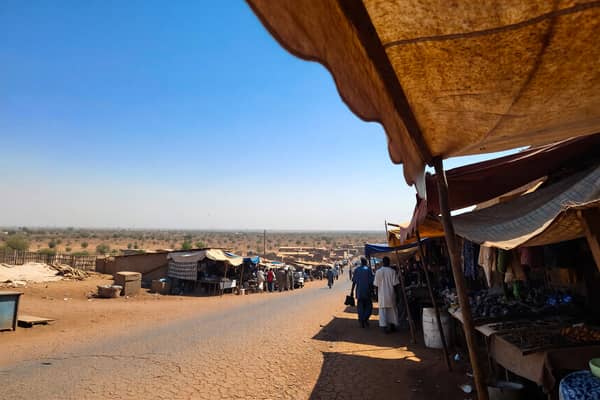
Hello, friend. I need to share something with you that represents months of careful research and years of covering Nigeria’s climate patterns from Lagos to Maiduguri, from Port Harcourt’s humid coast to Kano’s dusty north.
The average temperature in Nigeria hovers around 27 degrees Celsius (80.6 degrees Fahrenheit) annually, though this figure barely captures the full story of Nigeria’s climate diversity across its distinct geographical zones. After spending countless hours analysing meteorological data from the Nigerian Meteorological Agency and witnessing firsthand how temperature variations shape daily life across our nation’s 36 states, I can tell you that understanding Nigeria’s temperature patterns requires looking beyond simple averages.
What strikes me most about Nigeria’s temperature story is how dramatically it shifts depending on where you stand. Lagos residents endure humid 33-degree days whilst Maiduguri faces scorching 39-degree heat with bone-dry air, and both groups would be surprised by Jos Plateau’s relatively cool 22-degree averages during harmattan season.
I remember my first proper encounter with Nigeria’s temperature extremes during a reporting trip to Gwagwalada in the Federal Capital Territory back in 2024. The thermometer read 45 degrees Celsius, and I watched street vendors pour water over their heads every hour just to keep functioning whilst selling pure water sachets that had gone warm within minutes of leaving ice-chilled coolers. That’s when I truly understood that Nigeria’s temperature isn’t just a meteorological statistic but a daily reality that shapes everything from work schedules to sleep patterns, from agricultural yields to electricity consumption.
Understanding Nigeria’s Temperature Zones
Nigeria’s climate divides into three distinct zones, each with its own temperature personality that influences how people live, work, and plan their days.
The southern coastal zone experiences the most consistent temperatures year-round, typically ranging between 25 and 33 degrees Celsius with humidity levels that can reach 70 per cent or higher. If you’ve ever visited Lagos during rainy season, you’ll know that feeling when the air is so thick with moisture that your clothes never quite dry and stepping outside feels like walking into a warm, damp blanket. Coastal residents have adapted brilliantly, scheduling outdoor activities for early mornings or late evenings and designing homes with high ceilings and cross-ventilation to create natural airflow.
The middle belt and central regions show more temperature variation throughout the year, with dry season peaks reaching 35 to 38 degrees Celsius whilst harmattan periods can bring surprisingly cool mornings of 18 to 22 degrees. Cities like Abuja, Jos, and Makurdi experience this yo-yo effect most dramatically.
Northern Nigeria records the country’s highest temperatures, particularly from March through May when the mercury regularly climbs above 40 degrees Celsius in states like Borno, Yobe, Sokoto, and Katsina. The extremely low humidity in these regions creates a different kind of heat, the sort that makes your skin feel tight and parched rather than sticky. I’ve watched farmers in Kano adjust their entire working schedules around these temperatures, starting field work at 5am and retreating indoors between noon and 4pm when the sun becomes genuinely dangerous.
What is the Average Temperature in Nigeria in Fahrenheit?
Let me give you the temperature conversions that actually matter for daily life because I know many Nigerians grew up learning Fahrenheit alongside Celsius or work with international partners who use different measurement systems.
Nigeria’s average annual temperature of 27 degrees Celsius converts to approximately 80.6 degrees Fahrenheit. But here’s where it gets more interesting for practical purposes.
During the hottest months (March, April, May), temperatures across most of Nigeria range from 30 to 40 degrees Celsius, which translates to 86 to 104 degrees Fahrenheit. The cooler harmattan months (December, January) see temperatures drop to 18 to 25 degrees Celsius in many areas, equivalent to 64.4 to 77 degrees Fahrenheit. These cooler periods feel absolutely glorious after months of heat, and you’ll see Lagosians suddenly pulling out jumpers and long sleeves when temperatures drop to 24 degrees Celsius (75.2 degrees Fahrenheit), which would seem absurd to someone from a genuinely cold climate but makes perfect sense when your body has acclimatised to tropical heat.
The Nigerian Meteorological Agency’s climate services track these temperature variations meticulously because they directly impact health outcomes, with heat stress advisories issued when temperatures and humidity combinations create dangerous conditions for human health. I’ve seen these advisories become increasingly frequent over the past few years, a worrying trend that suggests our climate is shifting in ways we need to take seriously.
The northern states regularly experience the most extreme Fahrenheit readings, with places like Maiduguri and Nguru hitting 105 to 108 degrees Fahrenheit (40.5 to 42 degrees Celsius) during peak heat periods. These aren’t comfortable “sunny day” temperatures but genuinely oppressive heat that forces lifestyle adjustments.
Regional Temperature Patterns Across Nigeria
Let me share a comprehensive breakdown of temperature patterns across different Nigerian regions because understanding these variations helps explain so much about how different parts of our country function.
| Region/City | Average Annual Temp (°C) | Average Annual Temp (°F) | Hottest Month Range (°C) | Hottest Month Range (°F) | Coolest Month Range (°C) | Coolest Month Range (°F) | Humidity Level |
|---|---|---|---|---|---|---|---|
| Lagos (Southwest) | 27-28 | 80.6-82.4 | 31-33 | 87.8-91.4 | 24-27 | 75.2-80.6 | 65-75% |
| Port Harcourt (South-South) | 26-28 | 78.8-82.4 | 30-32 | 86-89.6 | 24-26 | 75.2-78.8 | 70-80% |
| Abuja (North-Central) | 26-27 | 78.8-80.6 | 32-35 | 89.6-95 | 20-24 | 68-75.2 | 40-60% |
| Jos (North-Central Plateau) | 22-24 | 71.6-75.2 | 26-28 | 78.8-82.4 | 18-22 | 64.4-71.6 | 50-65% |
| Kano (Northwest) | 26-28 | 78.8-82.4 | 36-40 | 96.8-104 | 19-23 | 66.2-73.4 | 15-30% |
| Maiduguri (Northeast) | 28-30 | 82.4-86 | 38-42 | 100.4-107.6 | 20-24 | 68-75.2 | 10-20% |
| Calabar (South-South) | 26-27 | 78.8-80.6 | 29-31 | 84.2-87.8 | 24-26 | 75.2-78.8 | 75-85% |
| Sokoto (Northwest) | 28-30 | 82.4-86 | 37-41 | 98.6-105.8 | 21-25 | 69.8-77 | 12-25% |
This table tells fascinating stories about Nigerian life if you know how to read it. Notice how Jos stands out with significantly cooler temperatures, which is why it became such a popular colonial hill station and why wealthy Nigerians still maintain holiday homes there for escaping the heat. The massive humidity difference between Maiduguri (10-20%) and Calabar (75-85%) explains why the same 30-degree temperature feels completely different in these cities.
What is the Hottest Temperature in Nigeria?
Now we’re getting into territory that makes even experienced Nigerians uncomfortable because our hottest temperatures have been climbing to genuinely dangerous levels in recent years.
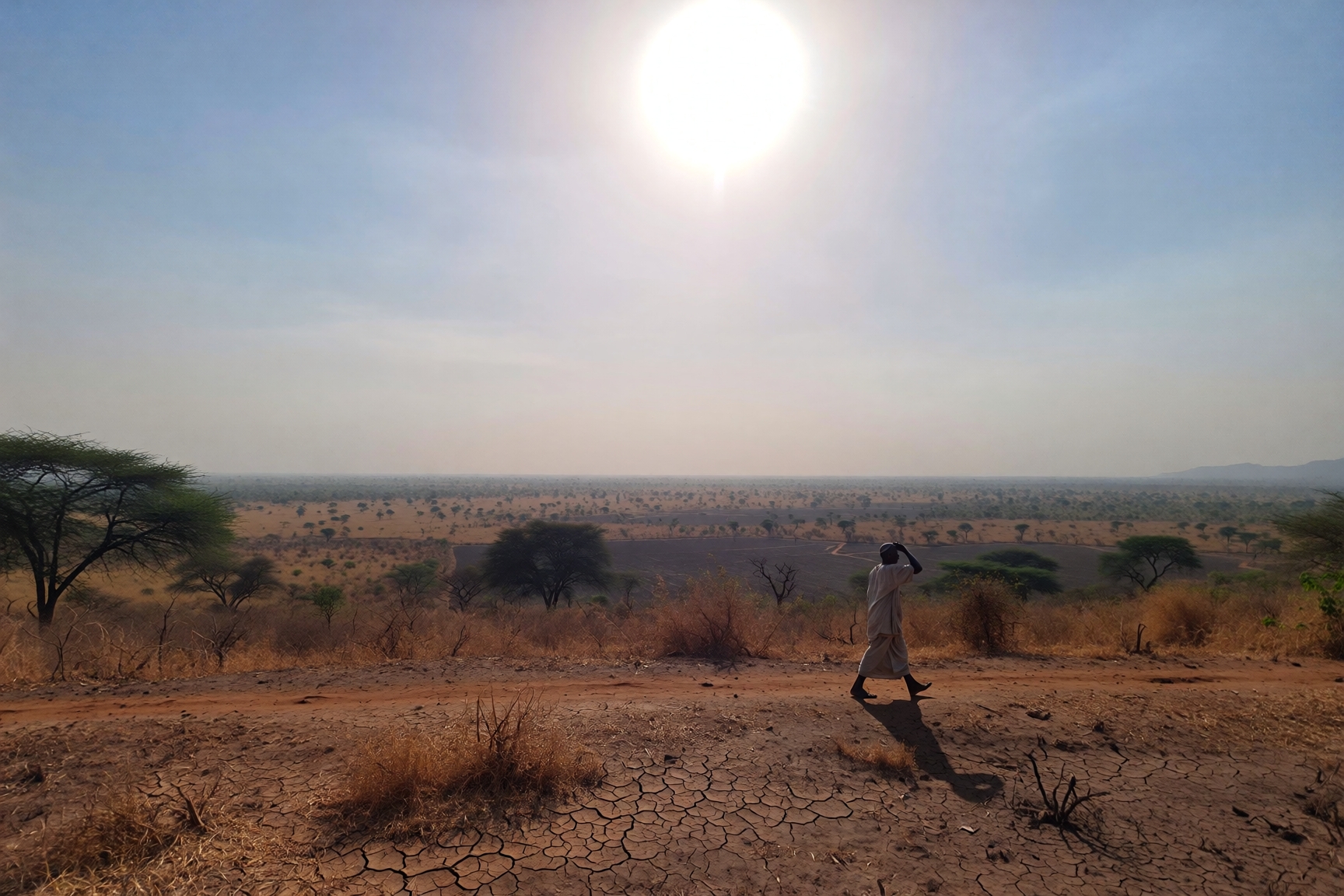
The hottest temperatures ever recorded in Nigeria have reached 45 to 47 degrees Celsius (113 to 116.6 degrees Fahrenheit) in various northern locations, particularly in Gwagwalada, Yola, Maiduguri, and parts of Sokoto state. According to research documented by Guardian Nigeria on heat wave health implications, Gwagwalada in the Federal Capital Territory consistently recorded ambient temperatures of 45 degrees Celsius and above during 2024, which meteorologists and health professionals warned posed serious threats to human health.
These extreme temperatures don’t just make people uncomfortable. They kill.
I’ve covered stories of market traders collapsing from heat exhaustion, construction workers suffering heat stroke on building sites, and children becoming dangerously dehydrated because schools lack proper ventilation or water supplies. The World Meteorological Organisation’s prediction that 2025 will be Nigeria’s second-hottest year on record suggests these extreme heat events will become more frequent, not less.
What makes Nigeria’s hottest temperatures particularly dangerous is how they interact with other factors. In northern cities, extreme heat combines with dust from the Sahara Desert to create respiratory hazards. In southern cities, high humidity means the body’s natural cooling system (sweating) becomes less effective. A 42-degree day in dry Maiduguri actually feels somewhat different from a 33-degree day in humid Lagos, though both are miserable in their own ways.
The economic cost of extreme heat extends far beyond discomfort. Farmers lose crops when temperatures exceed what plants can tolerate, workers become less productive during peak heat hours, and families spending ₦5,000 to ₦15,000 monthly on increased electricity for fans and air conditioning (when power is available) find their budgets strained.
What is the Average Summer Temperature in Nigeria?
Here’s where I need to gently correct a common misconception because Nigeria doesn’t actually experience summer in the traditional sense that Europeans or North Americans understand.
Nigeria sits close to the equator, which means we don’t have the distinct four seasons of spring, summer, autumn, and winter that temperate regions experience. Instead, we have two primary seasons: the rainy season and the dry season, with some regional variations.
What many Nigerians might call “summer” usually refers to our dry season, which runs roughly from November through March in the south and October through May in the north. During this period, average temperatures range from 28 to 35 degrees Celsius (82.4 to 95 degrees Fahrenheit) across most of the country, though northern regions regularly exceed 40 degrees Celsius (104 degrees Fahrenheit) from March through May.
The hottest part of our dry season occurs in March, April, and May, just before the rains arrive. This period feels like nature holding its breath before the relief of rainfall. If you’ve lived through it, you know that special kind of heat that makes tar roads soft, turns car interiors into ovens, and makes even cold showers feel warm after five minutes.
The rainy season, running from April through October in the south and June through September in the north, actually sees temperatures moderate slightly, typically ranging from 25 to 32 degrees Celsius (77 to 89.6 degrees Fahrenheit). The rain cools things down, though humidity levels climb dramatically, creating that sticky, damp feeling that defines southern Nigerian weather for half the year.
Understanding these seasonal patterns matters enormously for agriculture, which employs over 35 per cent of Nigeria’s population. Farmers plan their entire year around these temperature and rainfall patterns, and when climate change disrupts these established rhythms (as it increasingly does), the consequences ripple through our entire economy.
How to Navigate Nigeria’s Temperature Variations Successfully
Let me share practical steps for coping with Nigeria’s temperature realities because I’ve learned these lessons through years of reporting across all our climate zones and watching how successful Nigerians adapt to their local conditions.
1. Time your activities strategically around temperature patterns. The coolest parts of most Nigerian days occur between 6am and 9am, and again after 6pm. Schedule important outdoor work, exercise, and errands during these windows. I’ve watched Lagos joggers completely disappear from the streets between 11am and 5pm, reappearing in force once the sun loses its intensity.
2. Dress appropriately for your specific region’s climate. Northern Nigerians understand that loose, flowing garments in light colours work better than tight clothing for extreme dry heat. Southern residents need fabrics that breathe and dry quickly in humid conditions. Cotton remains king, whilst synthetics can make you feel like you’re wearing a plastic bag in 90 per cent humidity.
3. Hydrate more than you think necessary. Medical experts recommend drinking water even before you feel thirsty because by the time thirst kicks in, you’re already becoming dehydrated. Keep a water bottle handy (budget ₦200 to ₦500 daily for pure water sachets or invest ₦3,000 to ₦8,000 in a reusable bottle and home water filter). The health implications of Nigeria’s hot, humid weather include kidney problems and heat stroke that result from inadequate hydration.
4. Create cooling strategies that work with Nigeria’s power situation. Since electricity supply remains unreliable, develop multiple cooling approaches: rechargeable fans (₦8,000 to ₦25,000), strategic window placement for cross-ventilation, damp cloths for cooling pulse points, and timing baths for maximum cooling effect. Some families invest ₦15,000 to ₦50,000 in solar-powered fans that bypass grid dependency entirely.
5. Adjust your expectations and pace during extreme heat periods. Accept that you’ll accomplish less during peak heat hours and plan accordingly. Nigerian workers have intuitively understood this for generations, taking longer lunch breaks during the hottest part of the day in regions without reliable air conditioning.
6. Monitor weather forecasts and heat advisories from NiMet. The Nigerian Meteorological Agency provides seasonal climate predictions that help you anticipate temperature patterns months in advance. These forecasts inform decisions about travel, outdoor events, agricultural planning, and health precautions.
7. Protect vulnerable populations extra carefully. Children, elderly relatives, pregnant women, and people with chronic health conditions need special attention during temperature extremes. Never leave children or vulnerable adults in enclosed spaces without ventilation, and watch for warning signs of heat stress: dizziness, nausea, excessive fatigue, and altered consciousness requiring immediate medical attention.
Which is the No. 1 Hottest Country in the World?
This question adds important global context to understanding Nigeria’s temperature challenges because we’re certainly not alone in facing extreme heat.
Kuwait currently holds the record for the highest temperature ever reliably recorded on Earth: 54 degrees Celsius (129.2 degrees Fahrenheit) measured in Mitribah in July 2016. Other contenders for world’s hottest country include Mali, Burkina Faso, Djibouti, Mauritania, and parts of the Middle East like Iraq and Iran.
But here’s what makes Nigeria’s situation particularly challenging compared to some of these officially “hotter” countries. Many nations with higher average temperatures have smaller populations concentrated in areas with better infrastructure for managing heat. Nigeria, with over 220 million people spread across vastly different climate zones, faces the compound challenge of extreme temperatures affecting massive populations with limited infrastructure for heat management.
Mali and Burkina Faso, our West African neighbours, record higher average annual temperatures than Nigeria (around 28.8 to 29.3 degrees Celsius compared to our 27 degrees Celsius). But their populations are roughly 22 million and 23 million respectively, compared to Nigeria’s 220+ million. The scale of Nigeria’s heat challenge becomes clearer when you consider that temperature extremes affect more people here than in most officially “hotter” countries.
Death Valley in California holds the record for the highest air temperature ever recorded: 56.7 degrees Celsius (134 degrees Fahrenheit) in July 1913, though this measurement has been disputed. Dallol in Ethiopia recorded an average annual temperature of 34.4 degrees Celsius (93.9 degrees Fahrenheit) between 1960 and 1966, making it perhaps the hottest inhabited place on Earth by average temperature.
Nigeria doesn’t compete with these extreme locations for “hottest” titles, but our combination of high temperatures, high humidity in the south, extremely low humidity in the north, unreliable power infrastructure, and massive population creates unique challenges that pure temperature statistics don’t capture.
Climate Change and Nigeria’s Rising Temperatures
I need to be direct with you about something that affects every temperature measurement we’ve discussed: Nigeria’s climate is changing, and the changes are accelerating in ways that will reshape how we live.
According to Guardian Nigeria’s analysis of climate trends, the World Meteorological Organisation revealed that mean near-surface temperatures between January and August 2025 were 1.42 degrees Celsius above pre-industrial averages, driven by record concentrations of heat-trapping greenhouse gases. The period from 2015 to 2025 will mark the warmest 11 years in the 176-year global observational record.
This isn’t abstract science. It’s showing up in measurable ways across Nigeria right now.
Temperature increases are shortening growing seasons and disrupting planting calendars that farmers have relied upon for generations. Staple crops including maize, rice, sorghum, and cassava show declining yields in several regions. Northern states face advancing desertification that shrinks arable land, whilst southern states experience flooding and saline intrusion that destroy farmlands and contaminate freshwater sources.
Heat stress affects livestock, reducing milk output and reproductive efficiency, whilst forcing herders southward in search of pasture and triggering deadly farmer-herder conflicts that carry enormous humanitarian and economic costs. Rising temperatures expand breeding grounds for pests and crop diseases like armyworms and locusts, threatening harvests already stressed by heat and irregular rainfall.
The Food and Agriculture Organisation projects Nigeria could witness 10 to 15 per cent reduction in agricultural productivity by 2026 without large-scale improvements in irrigation, heat-tolerant seed varieties, and efficient land management. This decline threatens to deepen hunger and push more rural families into destitution in a country where over 63 per cent of citizens already live in multidimensional poverty.
Extreme heat reduces labour productivity, disrupts manufacturing, and increases electricity demand for cooling, worsening Nigeria’s chronic energy deficit. Climate-linked inflation, especially food inflation which rose over 35 per cent in 2025, squeezes household incomes whilst the World Bank estimates climate-related disruptions could cost Nigeria up to six per cent of GDP by 2030 if adaptation measures aren’t intensified.
Comparing Nigerian Temperatures to Other African Nations
Understanding where Nigeria sits in the broader African temperature picture helps contextualise our climate challenges and reveals both advantages and vulnerabilities.
East Africa’s highland regions, including parts of Kenya, Ethiopia, and Tanzania, enjoy significantly cooler temperatures than Nigeria, with Nairobi averaging 19 degrees Celsius (66.2 degrees Fahrenheit) year-round. These countries attract considerable agricultural investment in crops that require cooler temperatures, an option largely unavailable to Nigeria except in limited highland areas like Jos Plateau.
North African countries including Libya, Algeria, and Egypt record higher maximum temperatures than Nigeria, particularly in desert regions where summer temperatures regularly exceed 48 degrees Celsius (118.4 degrees Fahrenheit). However, their populations concentrate in cooler coastal or river valley areas, unlike Nigeria’s more evenly distributed population across all climate zones.
West African neighbours Ghana, Benin, Togo, and Cameroon experience temperature patterns similar to southern Nigeria, with average temperatures between 26 and 28 degrees Celsius. Coastal West African countries share Nigeria’s challenge of combining high temperatures with high humidity, creating particularly uncomfortable conditions.
Southern African nations like South Africa, Botswana, and Zimbabwe show greater seasonal temperature variation than Nigeria, with genuinely cold winters in some regions alongside hot summers. This variation provides seasonal relief that equatorial Nigeria doesn’t experience.
Adapting Architecture and Urban Planning to Temperature Realities
Nigerian architectural traditions evolved specifically to manage our temperature challenges before modern technology offered mechanical cooling solutions, and there’s enormous wisdom in these traditional approaches that modern development often ignores.
Traditional Yoruba compounds featured high ceilings (4 to 5 metres), wide verandas that shaded walls from direct sun, and central courtyards that created airflow through the compound. Hausa architecture in northern Nigeria employed thick mud walls that provided excellent insulation, small windows that minimised heat intrusion, and flat roofs designed for sleeping during hot nights when outdoor temperatures dropped below indoor heat.
Sadly, modern Nigerian construction often abandons these proven cooling strategies in favour of aesthetic choices copied from temperate climates where they make sense but prove disastrous in tropical heat. I’ve visited countless new builds in Lagos and Abuja with low ceilings (2.7 metres), inadequate ventilation, dark exterior colours that absorb heat, and minimal shading, creating homes that become unbearable without constant air conditioning.
Smart Nigerian homeowners and developers are rediscovering traditional cooling wisdom whilst incorporating modern materials. This includes installing reflective roofing materials (₦8,000 to ₦15,000 per square metre), planting shade trees strategically around buildings, designing homes with cross-ventilation that catches prevailing breezes, using light exterior colours that reflect rather than absorb heat, and incorporating covered outdoor living spaces that expand usable area during cooler morning and evening hours.
Urban planning that accounts for temperature realities would prioritise green spaces that moderate local temperatures, design street layouts that maximise airflow, preserve water bodies that provide cooling effects, and enforce building codes that mandate heat-appropriate design standards.
Economic Impacts of Temperature Variations
Temperature doesn’t just affect comfort levels. It shapes economic outcomes in ways that ripple through every sector of Nigerian life.
Agricultural productivity directly correlates with temperature patterns, with yields dropping sharply when temperatures exceed crop-specific thresholds. Rice yields decline when daytime temperatures during flowering exceed 35 degrees Celsius. Cocoa production, concentrated in southwestern and southeastern Nigeria, suffers when temperatures rise above 32 degrees Celsius for extended periods. Cassava, often considered drought-resistant, shows significantly reduced yields when temperatures exceed 38 degrees Celsius combined with water stress.
Labour productivity in outdoor sectors including construction, agriculture, and informal trade drops measurably during peak heat periods. Studies suggest workers accomplish 20 to 30 per cent less during afternoon heat peaks compared to cooler morning hours, translating to massive economic losses across an economy where most workers labour outdoors.
Energy consumption patterns follow temperature closely, with electricity demand surging during hot periods as Nigerians run fans and air conditioners seeking relief. This increased demand stresses an already inadequate power grid, triggering more frequent outages precisely when people need power most desperately. Households spending ₦10,000 to ₦40,000 monthly on fuel for generators during hot months see significant portions of income diverted from productive uses toward temperature management.
Health costs associated with temperature extremes include treating heat-related illnesses, managing temperature-exacerbated conditions like cardiovascular disease and respiratory problems, and lost productivity from heat-related sickness. Poor communities suffer disproportionately because they lack resources for effective cooling solutions, creating temperature-related health inequalities.
Exploring Climate Solutions and Future Projections
Looking forward requires confronting difficult truths about Nigeria’s temperature future whilst identifying realistic pathways toward adaptation and resilience.
Climate models project Nigeria will experience temperature increases of 1.5 to 3 degrees Celsius by 2050 under moderate emission scenarios, with more extreme outcomes possible if global emissions continue rising. This would push Nigeria’s average temperature from current 27 degrees Celsius to potentially 28.5 to 30 degrees Celsius, with peak temperatures in northern regions regularly exceeding 45 degrees Celsius during hot months.
These projections aren’t inevitable if aggressive action addresses both global emissions and local adaptation needs. Nigeria needs substantial investment in climate-resilient infrastructure including improved water management systems, heat-tolerant agricultural varieties, urban greening programmes, and renewable energy systems that reduce both emissions and dependence on unreliable power grids.
Individual adaptation strategies matter too. Planting trees provides shade and local cooling, investing in energy-efficient cooling technologies reduces power demand and costs, modifying work schedules to avoid peak heat hours protects health and productivity, and building community-level cooling centres provides refuge during extreme heat events.
The Nigerian government must strengthen meteorological services, improve early warning systems for heat waves, enforce building codes that mandate heat-appropriate design, invest in public transportation that reduces heat-trapping urban sprawl, and develop comprehensive climate adaptation strategies that protect vulnerable populations.
International climate finance could support Nigerian adaptation efforts, but we cannot wait for external assistance whilst our climate changes around us. Nigerian innovation, traditional knowledge, and community resilience offer powerful resources if properly mobilised and supported.
Understanding Nigeria’s Average Temperature: Final Thoughts
After months researching temperature data, consulting meteorological experts, and experiencing Nigeria’s climate variations firsthand across different regions and seasons, I’ve reached several clear conclusions about our temperature realities.
Nigeria’s average temperature of 27 degrees Celsius (80.6 degrees Fahrenheit) masks enormous regional variation, from Jos Plateau’s relatively cool 22-24 degrees Celsius to Maiduguri’s scorching 38-42 degree summer peaks. Understanding these variations helps Nigerians plan their lives, protects health during temperature extremes, and informs economic decisions from agriculture to construction.
Our temperature challenges are intensifying due to climate change, with 2025 projected as Nigeria’s second-hottest year on record and climate models suggesting further increases ahead. This isn’t distant science fiction but present reality affecting agricultural yields, health outcomes, economic productivity, and daily quality of life for over 220 million Nigerians.
But temperature challenges also present opportunities for innovation. Traditional architectural wisdom offers proven cooling strategies that modern development should embrace rather than abandon. Community-level adaptations from strategic tree planting to modified work schedules demonstrate Nigerian resilience and creativity. Investment in renewable energy, climate-smart agriculture, and heat-appropriate infrastructure could transform temperature challenges into catalysts for sustainable development.
Your personal experience with Nigeria’s temperatures depends entirely on where you live, when you visit, and how well you prepare. Coastal residents endure humid heat that makes clothes stick and skin slick with constant moisture. Northern residents face dry furnace heat that parches skin and makes breathing feel like inhaling fire. Central Nigerians experience the best (and worst) of both patterns depending on season.
What matters most isn’t comparing ourselves to officially “hotter” countries or debating precise temperature measurements but acknowledging our climate realities honestly, adapting intelligently to temperature patterns we cannot control, and advocating forcefully for climate policies that protect Nigeria’s future whilst we still have time to make meaningful changes.
Key Takeaways:
- Nigeria’s average temperature of 27°C (80.6°F) varies dramatically by region, with northern areas reaching 40-42°C whilst southern coastal zones typically peak around 31-33°C
- Climate change is intensifying Nigeria’s heat challenges, with 2025 projected as the second-hottest year on record and temperatures expected to rise 1.5-3°C by 2050 if current trends continue
- Practical adaptation strategies including strategic activity timing, traditional architectural approaches, and improved cooling technologies can help Nigerians manage temperature extremes whilst reducing economic and health impacts
Related Resources on Nigerian Life and Climate
Understanding Nigeria’s temperature patterns connects directly to broader questions about living conditions and adaptation strategies across our nation. If you’re curious about how Nigerians navigate other environmental and economic challenges, I’ve written comprehensive guides on what life is like in Nigeria today and how the average person makes a living, which explore how climate, economy, and daily survival intersect in complex ways that shape Nigerian experiences across different regions and communities.
Frequently Asked Questions About Nigeria’s Temperature
What is Nigeria’s coldest month?
December and January are typically Nigeria’s coldest months, when harmattan winds from the Sahara bring cooler, drier air across the country. During this period, northern states experience morning temperatures as low as 12-15 degrees Celsius (53.6-59 degrees Fahrenheit), whilst southern coastal areas rarely drop below 22 degrees Celsius (71.6 degrees Fahrenheit), though the combination of wind and lower humidity makes it feel considerably cooler than raw temperature numbers suggest.
Does Nigeria ever experience temperatures below 10 degrees Celsius?
Temperatures below 10 degrees Celsius (50 degrees Fahrenheit) are extremely rare in Nigeria and occur only in the highest elevations of Jos Plateau during exceptional harmattan periods, typically lasting just a few hours in early morning before sunrise. Most of Nigeria never experiences temperatures this low, with minimum temperatures in most regions staying above 15-18 degrees Celsius even during the coldest nights of harmattan season.
Why does Lagos feel hotter than Kano despite lower temperatures?
Lagos feels hotter than Kano despite sometimes recording lower temperatures because of dramatically different humidity levels that affect how human bodies experience heat. Lagos’ humidity regularly reaches 70-80 per cent, which prevents sweat from evaporating effectively and makes the body’s natural cooling system less efficient, whilst Kano’s humidity often drops below 20 per cent, allowing sweat to evaporate quickly and providing more effective cooling despite higher air temperatures.
How does altitude affect temperature in Nigeria?
Altitude creates significant temperature variations in Nigeria, with Jos Plateau at approximately 1,200 metres above sea level averaging 22-24 degrees Celsius year-round compared to sea-level Lagos at 27-28 degrees Celsius, demonstrating the general principle that temperature drops roughly 6.5 degrees Celsius per 1,000 metres of elevation gain. Other highland areas including Mambilla Plateau (average elevation 1,600 metres), parts of Taraba, and elevated sections of Cross River also experience notably cooler temperatures than surrounding lowlands.
When is the best time to visit Nigeria weather-wise?
The best time to visit Nigeria weather-wise is generally November through February when harmattan season brings cooler, drier weather with temperatures ranging from 20-30 degrees Celsius across most regions and significantly reduced rainfall making travel more convenient. However, visitors should note that harmattan also brings dust and haze from the Sahara that can affect visibility and respiratory comfort, whilst those specifically wanting to experience Nigerian rainy season’s lushness might prefer June through August despite higher temperatures and frequent rainfall.
Do Nigerian temperatures vary much between day and night?
Diurnal temperature variation (difference between day and night) varies significantly by region and season in Nigeria, with northern areas experiencing larger swings of 15-20 degrees Celsius between midday peaks and pre-dawn lows, whilst southern coastal regions show smaller variations of 6-10 degrees Celsius due to moderating effects of ocean proximity and higher humidity. Harmattan season increases diurnal variation across all regions, creating notably cool nights even after hot days, whilst rainy season reduces temperature swings as cloud cover retains daytime heat overnight.
What health problems does Nigeria’s heat cause?
Nigeria’s heat causes multiple health problems including dehydration leading to kidney stress and potential failure, heat exhaustion and life-threatening heat stroke particularly during extreme temperature periods, increased cardiovascular strain as the heart works harder to cool the body, worsening of respiratory conditions due to heat-related air quality degradation, and increased incidence of heat rashes and other skin conditions. Vulnerable populations including children, elderly people, pregnant women, and those with chronic health conditions face particularly high risks during temperature extremes requiring special precautions.
How accurate are Nigerian temperature forecasts?
Nigerian temperature forecasts produced by the Nigerian Meteorological Agency (NiMet) are generally quite accurate for 3-5 day predictions, with accuracy decreasing for longer-term forecasts as is standard globally in meteorology. NiMet’s seasonal climate predictions provide valuable insights into expected temperature and rainfall patterns months in advance, helping farmers, businesses, and government agencies plan for climate conditions, though specific day-to-day accuracy naturally decreases as forecast period extends beyond a week.
Why has Nigeria been getting hotter in recent years?
Nigeria has been getting hotter in recent years primarily due to global climate change driven by increasing atmospheric concentrations of greenhouse gases from fossil fuel combustion, deforestation, and other human activities that trap heat in Earth’s atmosphere. Local factors including rapid urbanisation creating heat islands in cities like Lagos and Abuja, widespread deforestation removing natural cooling provided by forests, and desertification in northern regions also contribute to temperature increases that the World Meteorological Organisation documents are making recent years the hottest in Nigeria’s recorded history.
What temperature is considered dangerous in Nigeria?
Temperatures above 40 degrees Celsius (104 degrees Fahrenheit) are considered dangerous in Nigeria, particularly when combined with high humidity that reduces the body’s cooling efficiency, with health authorities issuing heat stress advisories when these conditions occur. The danger threshold varies by humidity level, with 42 degrees Celsius in dry northern areas potentially less immediately dangerous than 35 degrees Celsius in 80 per cent humidity conditions on the coast, though both scenarios require serious precautions including reduced outdoor activity, increased hydration, and monitoring vulnerable populations for heat-related illness symptoms.
How do Nigerian farmers cope with temperature extremes?
Nigerian farmers cope with temperature extremes through multiple traditional and modern strategies including adjusting planting calendars to avoid peak heat periods, selecting heat-tolerant crop varieties that withstand higher temperatures, implementing irrigation systems to counter heat-induced water stress, shifting to agroforestry practices that provide shade and moderate local temperatures, and increasingly adopting climate-smart agricultural techniques recommended by research institutions. Additionally, many farmers modify work schedules to concentrate labour during cooler morning and evening hours, avoiding midday peak heat that reduces both worker safety and productivity.
Are Nigerian cities warmer than rural areas?
Yes, Nigerian cities are generally warmer than surrounding rural areas due to the urban heat island effect, where concrete, asphalt, and building materials absorb and retain more heat than natural vegetation, whilst reduced tree cover eliminates natural cooling and concentrated human activities generate additional heat. Lagos, Abuja, Kano, and other major cities can be 2-5 degrees Celsius warmer than nearby rural areas, particularly at night when rural areas cool more effectively, making urban temperature management an increasingly important concern as Nigeria’s urban population continues growing rapidly toward projected majority urban status by 2050.