 Follow Us on Google News


 Follow Us on Google Discover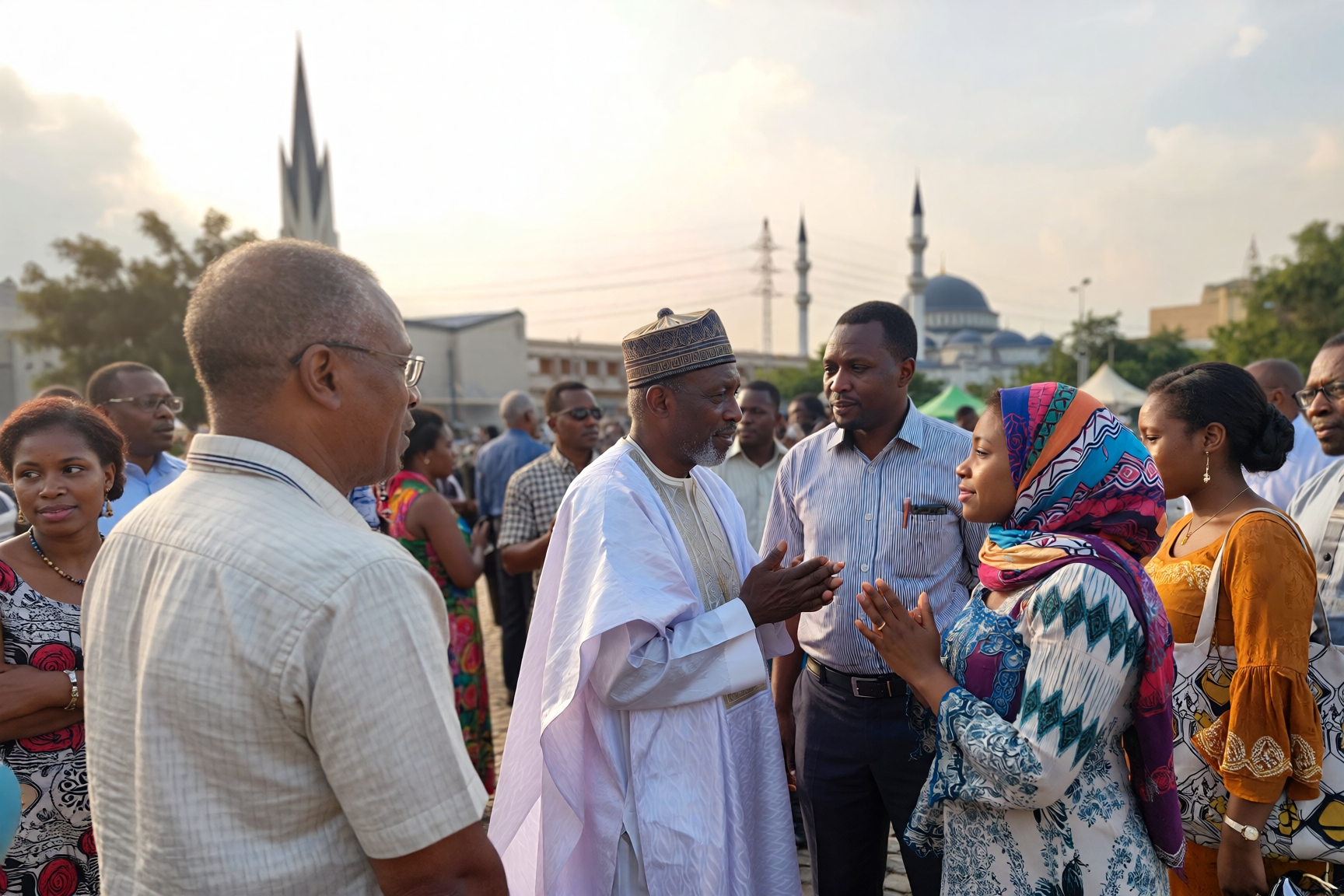
Hello there, and welcome to what I can honestly describe as one of the most fascinating explorations of my writing career. This article represents months of careful research into Nigeria’s religious tapestry and years of experience working alongside religious scholars, traditional priests, imams, and pastors across our diverse nation. Nigeria’s religious landscape is extraordinarily rich, and understanding it properly requires moving beyond simple statistics to appreciate how faith shapes daily life, politics, family structures, and cultural identity. What religions are practiced in Nigeria? The answer encompasses Christianity, Islam, and traditional African religions, each contributing distinct threads to the complex fabric of Nigerian spiritual life, with Christianity and Islam claiming roughly equal shares whilst traditional practices persist in various forms across communities.
I remember attending a wedding in Osogbo two years ago where the bride’s family performed traditional Yoruba rites in the morning, followed by a full Christian church ceremony in the afternoon, and then a reception where Islamic prayers were offered alongside Christian hymns because the groom’s family was Muslim. That single day encapsulated Nigeria’s religious complexity in a way no textbook ever could. The way religions coexist, sometimes harmoniously and sometimes tensely, tells the deeper story of who we are as Nigerians.
What Are the Top 3 Religions in Nigeria?
Nigeria’s three dominant religious traditions are Christianity, Islam, and African traditional religions, though the distribution and influence of each varies dramatically across regions and communities. Christianity and Islam are the two largest, each claiming approximately 50 per cent of Nigeria’s population according to the Ministry of Foreign Affairs, whilst traditional African religions maintain devoted followings particularly in rural areas and amongst older generations.
Christianity arrived through European missionaries during the colonial period, establishing deep roots particularly in southern Nigeria. Today, Nigeria hosts one of the world’s largest Christian populations, with denominations ranging from Anglican and Catholic to Pentecostal and evangelical movements. The sheer number of churches in Lagos alone exceeds what you’d find in many European capitals.
Islam, having reached northern Nigeria through trans-Saharan trade routes as early as the 11th century, has shaped Hausa-Fulani culture for nearly a millennium. The northern states remain predominantly Muslim, with Sharia law implemented in twelve states across the region. What fascinates me is how deeply Islam has integrated with pre-existing cultural practices, creating distinctly Nigerian expressions of the faith.
Traditional African religions, whilst often underestimated in official statistics, continue to influence Nigerian life profoundly. These indigenous belief systems centre on worship of ancestors, nature spirits, and supreme deities known by names like Olodumare amongst the Yoruba or Chukwu amongst the Igbo. Many Nigerians who identify as Christian or Muslim still maintain connections to traditional practices, creating layered religious identities.

The Guardian Nigeria has explored how religious tolerance has historically characterised much of Nigerian society, with communities often finding ways to coexist despite doctrinal differences. This tolerance, built over generations, remains one of Nigeria’s underappreciated strengths.
Understanding Christianity’s Spread Across Nigerian Regions
Christianity’s expansion across Nigeria followed colonial trade routes and missionary activities, transforming the southern and middle belt regions into predominantly Christian territories. The National Bureau of Statistics tracks religious demographics through census data, though the sensitive nature of religious identity means some figures remain contentious.
Methodist, Anglican, and Catholic missionaries established schools and hospitals throughout southern Nigeria during the 19th and early 20th centuries, creating educational infrastructure that accelerated Christian conversion. My grandmother attended a Catholic mission school in Enugu in the 1940s, where she learned to read and write alongside religious instruction. That educational advantage gave Christians in southern Nigeria significant social mobility during the colonial and early independence periods.
Pentecostal Christianity has exploded across Nigeria since the 1980s, fundamentally reshaping the religious landscape. Mega-churches with tens of thousands of members now dominate cities like Lagos, Port Harcourt, and Abuja. These churches emphasise prosperity gospel, spiritual warfare, and direct divine intervention in daily life. The economic power of these religious institutions is staggering, with some church leaders commanding influence that rivals traditional political elites.
One pattern I’ve observed during my research is how Christianity adapts to local cultural contexts whilst maintaining core doctrinal positions. Igbo Christians might invoke both Jesus and ancestral spirits during family gatherings. Yoruba Christians often retain aspects of traditional naming ceremonies even within church contexts. This religious syncretism, whilst sometimes criticised by purists, demonstrates Nigerian pragmatism in matters of faith.
The relationship between Christianity and education remains particularly strong. Christian mission schools, whilst now largely government-run, established Nigeria’s earliest formal education systems. That legacy continues today, with many Nigerians associating Christianity with literacy, professional success, and social advancement.
Islam’s Deep Historical Roots in Northern Nigeria
Islam’s arrival in northern Nigeria predates European colonialism by centuries, giving it a historical legitimacy and cultural depth that shapes regional identity profoundly. The Hausa kingdoms embraced Islam through contact with North African traders, and by the 19th century Sokoto Caliphate, Islamic scholarship and governance had become central to northern Nigerian culture.
When you travel through Kano, Sokoto, or Maiduguri, the visual landscape immediately communicates Islam’s dominance. Mosques outnumber any other religious structures, call to prayer marks daily rhythms, and Islamic dress codes are widely observed. The integration of Islam with pre-existing Hausa-Fulani culture has created distinctly Nigerian Islamic practices that differ from Saudi or Egyptian models.
Sharia law implementation in northern states beginning in the early 2000s sparked significant national debate, as explored in Guardian Nigeria’s coverage of religious politics. These laws govern personal status issues like marriage, inheritance, and criminal matters for Muslims, creating parallel legal systems within the Nigerian federation. For non-Muslims living in these states, navigating the tensions between constitutional rights and Sharia governance remains challenging.
Islamic education through Quranic schools (Almajiri system) has educated millions of northern Nigerian children, though this system faces criticism for sometimes prioritising memorisation over critical thinking skills. I visited an Almajiri school in Kaduna where young boys recited Quranic verses with impressive precision, yet struggled with basic mathematics. The tension between traditional Islamic education and modern secular requirements creates ongoing policy debates.
Nigeria’s Muslim community is far from monolithic. Sufi orders maintain distinct practices from Salafi reformers. Shiite minorities exist alongside the Sunni majority. Regional variations between Hausa, Fulani, Kanuri, and other Muslim ethnic groups add further diversity. What unites them is identification with the global Ummah whilst maintaining distinctly Nigerian cultural practices.
Traditional African Religions: Nigeria’s Indigenous Spiritual Heritage
African traditional religions represent Nigeria’s original spiritual framework, predating both Christianity and Islam by millennia. These belief systems, whilst often marginalised in contemporary discourse, continue shaping Nigerian worldviews in profound and sometimes invisible ways.
Traditional Yoruba religion centres on Olodumare (the Supreme Being) and a pantheon of Orisha deities, each governing different aspects of existence. Sango controls thunder and lightning, Ogun presides over iron and warfare, Oshun governs love and rivers. This elaborate spiritual hierarchy mirrors and sanctifies natural phenomena and human activities. I attended an Osun-Osogbo festival where thousands gathered to honour the river goddess, demonstrating how traditional worship persists alongside modernisation.
Igbo traditional religion emphasises Chukwu (the Supreme God) alongside Chi (personal deities) and veneration of ancestors. The concept that deceased family members continue influencing living relatives remains powerful even amongst Igbo Christians. During family meetings in Anambra State, I’ve witnessed libations poured and prayers offered to ancestors before proceeding with modern business discussions.
The significance of ancestors in traditional African religions cannot be overstated. Ancestors mediate between the living and the divine, offering protection and guidance when properly honoured through offerings and rituals. This explains why many Nigerian Christians and Muslims still perform burial rites that blend religious traditions, ensuring the deceased transitions properly to the ancestral realm.
Traditional priests and priestesses maintain specialised knowledge of healing, divination, and spiritual protection. The Ifa divination system amongst Yoruba people represents sophisticated philosophical and psychological frameworks, not mere superstition. When facing difficult decisions, even educated Nigerians sometimes consult Ifa priests alongside their pastors or imams, seeking multiple spiritual perspectives.
Christianity and Islam have pushed traditional religions to the margins of public life, yet their influence persists subtly. Concepts of destiny, spiritual attacks, protective charms, and communal harmony rooted in traditional worldviews surface constantly in Nigerian Christianity and Islam, creating syncretic practices that official religious authorities sometimes struggle to control.
How Religious Identity Shapes Nigerian Political and Social Life
Religion in Nigeria transcends private belief to become a defining marker of social identity, political affiliation, and regional belonging. The formula whereby northern states are predominantly Muslim whilst southern states are predominantly Christian creates a persistent north-south divide that complicates Nigerian federalism.
Presidential elections often become referendum on religious representation. Nigerians expect informal rotation between Christian and Muslim presidents, reflecting the principle that neither religious community should feel excluded from power. When this balance seems threatened, tensions escalate. I covered the 2015 elections where religious identity influenced voting patterns as much as policy positions or ethnic considerations.
Interfaith marriages remain relatively uncommon despite constitutional protections for religious freedom. When they occur, families on both sides often express concern about children’s religious identity and the social complications of mixed religious households. A friend married across religious lines and faced years of family pressure before acceptance came, and even then tentatively.
Guardian Nigeria has documented how religious extremism occasionally erupts into violence, particularly when controversial issues like blasphemy, religious conversion, or perceived discrimination arise. These conflicts, whilst not representative of daily interfaith relations, reveal underlying tensions within Nigeria’s religious plurality.
Religious institutions wield enormous economic power in Nigeria. Churches and mosques control property worth billions of Naira, employ thousands, and influence consumer behaviour through their congregations. The Christian offering and Islamic Zakat systems redistribute wealth within religious communities, creating parallel economies that sometimes rival formal financial sectors.
Yet Nigerians also demonstrate remarkable capacity for religious coexistence. Mixed communities like Jos, Kaduna, and parts of Lagos show how Christians and Muslims can be neighbours, business partners, and friends despite doctrinal differences. The everyday reality of religious tolerance doesn’t make headlines, but it sustains national cohesion more than dramatic interfaith conferences.
What Religions Are Practiced in Nigeria? A Direct Answer
What religions are practiced in Nigeria? Christianity, Islam, and traditional African religions constitute the three primary spiritual traditions, alongside smaller populations practicing Hinduism, Buddhism, Baháʼí Faith, Judaism, and other world religions. Christianity claims approximately 50 per cent of Nigeria’s population, Islam similarly accounts for about 50 per cent, whilst traditional African religions command smaller but culturally significant followings. The Ministry of Foreign Affairs notes this near-equal division between Christianity and Islam creates unique political dynamics within Africa’s most populous nation, making religious balance a constant consideration in governance and national politics.
The 250+ ethnic groups across Nigeria each brought distinct traditional belief systems that still influence contemporary religious practice. Major traditional religious frameworks include Yoruba Orisha worship, Igbo Odinani, Hausa-Fulani animism blended with Islam, Efik-Ibibio traditions, Tiv ancestor veneration, and countless other localised spiritual systems that resist simple categorisation.
Nigeria’s religious diversity extends beyond these major categories. Indian and Lebanese communities maintain Hindu and Buddhist temples, whilst small Jewish communities exist in cities like Lagos. The Baháʼí Faith has followers across the country, and various new religious movements continue emerging, blending indigenous and foreign spiritual elements.
What makes Nigeria’s religious situation unique is how these traditions interact, conflict, and sometimes merge. Pure categories rarely exist in practice. A Lagos businessman might attend Catholic mass on Sunday, consult an Ifa priest on Monday about business decisions, and join Muslim friends for Ramadan breaking of fast. This religious fluidity, whilst theologically problematic for purists, characterises actual Nigerian religious experience.
Regional Distribution of Religious Practices Across Nigeria’s Geopolitical Zones
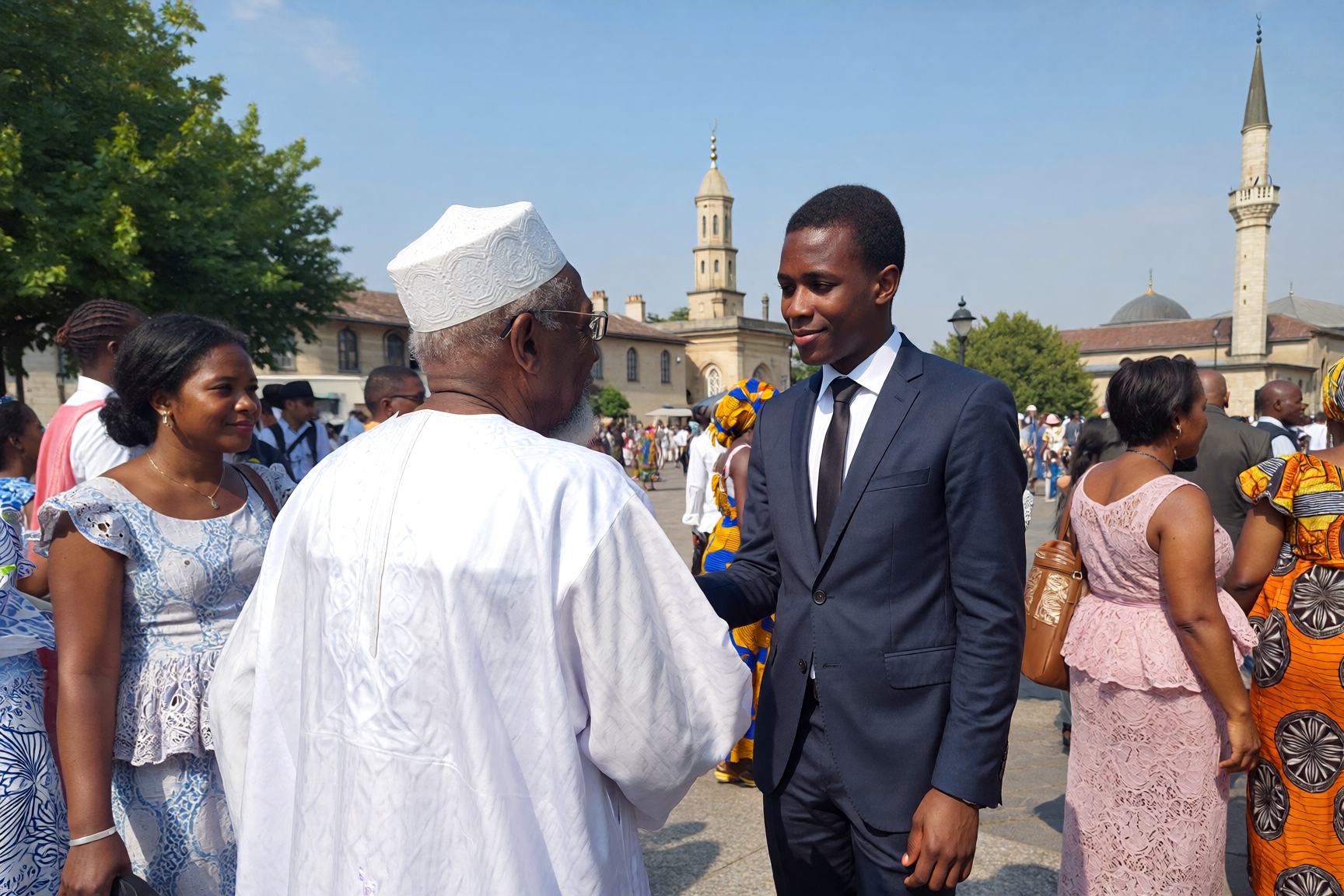
Nigeria’s six geopolitical zones demonstrate distinct religious patterns shaped by historical conquest, missionary activities, and cultural traditions. Understanding these regional variations is essential for comprehending Nigerian politics, conflicts, and social dynamics.
The North-West zone (Zamfara, Sokoto, Kebbi, Katsina, Kano, Jigawa, Kaduna) is overwhelmingly Muslim, representing the historical heartland of the Sokoto Caliphate. This region maintains the strongest adherence to Islamic practices and has implemented Sharia law most comprehensively. Traditional religions survive here primarily through syncretism with Islamic practices rather than as distinct systems.
North-East states (Borno, Yobe, Bauchi, Gombe, Adamawa, Taraba) show similar Muslim dominance, though with greater Christian minorities particularly in Adamawa and Taraba. This region faces ongoing Boko Haram insurgency, demonstrating how religious extremism can exploit economic marginalisation and governance failures.
The North-Central zone (Plateau, Benue, Nasarawa, Niger, Kwara, Kogi, Federal Capital Territory) represents Nigeria’s most religiously mixed region, earning the designation “Middle Belt.” Here Christians and Muslims exist in roughly equal numbers, with traditional religions maintaining stronger visible presence. Jos in Plateau State has unfortunately become synonymous with periodic Christian-Muslim violence, though this reflects political and economic competition as much as religious difference.
South-West states (Lagos, Ogun, Oyo, Osun, Ondo, Ekiti) demonstrate remarkable religious diversity, with substantial Christian and Muslim populations coexisting alongside active traditional religion practice. The National Population Commission data shows this region has Nigeria’s most integrated religious communities, with families often including both Christians and Muslims. Yoruba culture provides unifying identity transcending religious divisions.
South-South (Rivers, Bayelsa, Delta, Edo, Cross River, Akwa Ibom) and South-East (Abia, Anambra, Ebonyi, Enugu, Imo) zones are predominantly Christian, reflecting intense missionary activity during colonial period. These regions contain Nigeria’s highest concentration of churches and Christian educational institutions. Traditional religions persist here primarily through syncretistic practices integrated into Christian worship rather than as independent systems.
Regional Religious Demographics Overview
| Geopolitical Zone | Dominant Religion | Secondary Religion | Traditional Practice | Major Cities | Sharia Implementation |
|---|---|---|---|---|---|
| North-West | Islam (85%) | Christianity (10%) | Minimal (5%) | Kano, Kaduna, Sokoto | Full Sharia |
| North-East | Islam (75%) | Christianity (20%) | Minimal (5%) | Maiduguri, Bauchi, Yola | Full Sharia |
| North-Central | Mixed (45% each) | Christianity/Islam | Active (10%) | Jos, Abuja, Makurdi | Partial Sharia |
| South-West | Mixed (48% each) | Islam/Christianity | Visible (4%) | Lagos, Ibadan, Abeokuta | None |
| South-South | Christianity (90%) | Islam (5%) | Moderate (5%) | Port Harcourt, Warri | None |
| South-East | Christianity (95%) | Traditional (3%) | Syncretistic (2%) | Enugu, Onitsha, Owerri | None |
This regional distribution reveals how geography, history, and ethnicity intersect with religious identity to shape Nigeria’s complex spiritual landscape. The north-south religious divide corresponds roughly with the Niger River watershed, though the middle belt complicates this binary. Understanding these patterns helps explain everything from voting behaviour to marriage practices to economic networks.
7 Steps for Preserving Traditional Beliefs Alongside Modern Religious Practice
Many Nigerians struggle with maintaining connections to traditional spiritual heritage whilst practicing Christianity or Islam. Here’s a practical guide for those seeking to honour ancestral traditions without abandoning contemporary faith commitments.
Step 1: Understand your ethnic group’s traditional belief system thoroughly. Research the deities, spiritual practices, and philosophical frameworks your ancestors followed. Read ethnographic studies, interview elders, and visit cultural centres dedicated to preserving indigenous knowledge. I spent two weeks in Ife learning about Yoruba cosmology from priests who maintain oral traditions spanning centuries. That foundation helps you distinguish essential cultural practices from religious requirements.
Step 2: Identify cultural practices versus religious requirements. Not every traditional practice carries spiritual meaning. Naming ceremonies, burial rites, and festival celebrations often serve social functions that don’t conflict with Christian or Islamic theology. Learn which practices your religion genuinely prohibits versus those merely discouraged by overzealous clergy seeking to erase indigenous culture.
Step 3: Engage with progressive religious leaders who acknowledge cultural validity. Many modern pastors and imams recognise that wholesale rejection of African culture represented colonial mindset rather than theological necessity. Seek out religious communities that celebrate Nigerian cultural heritage whilst maintaining doctrinal integrity. These leaders can guide you toward appropriate cultural engagement.
Step 4: Practice ancestor veneration in theologically acceptable ways. Christianity and Islam both allow honouring deceased family members, though not worshipping them as intermediaries to God. You can acknowledge ancestors’ wisdom, maintain family history, and express gratitude for their sacrifices without violating monotheistic principles. The Catholic concept of patron saints offers useful parallel for understanding culturally appropriate ancestor honour.
Step 5: Participate in traditional festivals as cultural observers rather than spiritual devotees. Attending Osun-Osogbo, New Yam, or Argungu festivals doesn’t require abandoning Christian or Islamic faith. These events preserve cultural heritage, strengthen community bonds, and maintain artistic traditions. Your participation can be cultural celebration rather than religious worship, acknowledging the social value whilst maintaining theological boundaries.
Step 6: Teach children about traditional beliefs as cultural education. Even if you don’t practice traditional religion, your children deserve understanding their ethnic group’s spiritual heritage. This knowledge provides cultural grounding, philosophical framework, and connection to ancestral wisdom. Frame traditional beliefs as valuable cultural knowledge rather than dangerous superstition.
Step 7: Create personal synthesis that honours all aspects of your identity. You are simultaneously Christian/Muslim, Nigerian, and member of specific ethnic group. These identities needn’t conflict when approached thoughtfully. Develop personal spiritual practice that maintains your chosen religion’s core tenets whilst acknowledging cultural heritage that shaped your community’s worldview for millennia before foreign religions arrived.
Which Country Has No Muslims? Understanding Global Religious Distribution
Which country has no Muslims? No country entirely lacks Muslim residents in our globalised world, though some nations like Vatican City, North Korea, and several small Pacific island nations report negligible or zero Muslim populations. Even traditionally homogeneous societies now host Muslim minorities through immigration, diplomatic presence, and international education. The question itself reflects curiosity about religious diversity patterns, but modern mobility makes truly religionless countries virtually non-existent. Nigeria, by contrast, demonstrates how Muslim and Christian communities can each constitute half the population whilst coexisting within single national framework.
Vatican City, as independent city-state serving as Catholic Church headquarters, naturally maintains almost exclusively Catholic population. North Korea’s state atheism suppresses all religious expression, including Islam, though unofficial Muslim communities reportedly exist. Small Pacific nations like Tuvalu, Nauru, and some Caribbean islands host tiny Muslim populations, often numbering fewer than 100 individuals.
This contrasts starkly with Nigeria’s religious composition. Our approximately 100 million Muslims represent Africa’s largest Muslim population and one of world’s largest Muslim communities. Nigerian Islam’s diversity spans Sunni and Shiite branches, Sufi orders like Tijaniyya and Qadiriyya, and reformist movements. This religious scale creates political weight that smaller countries’ Muslim minorities cannot match.
Understanding which countries lack Muslim populations helps contextualise Nigeria’s religious balance. In most African, European, and Asian countries, clear religious majorities exist. Nigeria’s near-perfect Christian-Muslim split creates unique governance challenges and opportunities. No other large country maintains such evenly balanced religious demography, making Nigerian religious politics fascinating case study for scholars globally.
What Are the 5 Traditional Religions in Nigeria?
What are the 5 traditional religions in Nigeria? Nigeria’s diverse ethnic landscape means dozens of traditional belief systems exist rather than just five, but major frameworks include Yoruba religion (Orisha worship), Igbo Odinani, Edo traditional religion, Efik-Ibibio beliefs, and Hausa-Fulani animistic practices. Each system centres on supreme deity alongside intermediary spirits, ancestors, and natural forces that govern daily life. These indigenous religions share common features including belief in spiritual realm intersecting physical world, importance of ancestors as intermediaries, ritual practices for maintaining cosmic balance, divination systems for guidance, and communal worship strengthening social bonds.
Yoruba traditional religion represents Nigeria’s most internationally recognised indigenous spiritual system, partly because Yoruba diaspora spread it to Brazil, Cuba, and Haiti through transatlantic slavery. Olodumare reigns as supreme creator, whilst 401 Orisha (some accounts say 1,700) serve as intermediaries governing different life domains. Ifa divination provides decision-making guidance through elaborate philosophical system requiring years to master.
Igbo Odinani centres on Chukwu as supreme creator, with lesser deities called Alusi and ancestral spirits maintaining active involvement in living descendants’ affairs. The concept of Chi (personal spiritual double) shapes Igbo understanding of individual destiny and achievement. Market days, farming cycles, and seasonal festivals maintain spiritual connection to land and community.
Edo people’s traditional religion predates the Benin Empire’s 15th century contact with Portuguese, maintaining distinct cosmology centred on Osanobua (creator deity) and hierarchical spirits paralleling the Oba’s earthly authority. Royal ancestral veneration remains particularly important in Edo spiritual practice, with the Oba serving simultaneously as political and spiritual leader.
Efik-Ibibio traditions in Cross River region emphasise Abasi Ibom (supreme being) alongside Ekpo masquerade societies that maintain social order through spiritual authority. These traditions have influenced southern Nigerian Christianity significantly, with Efik-Ibibio Christians often maintaining cultural practices their missionaries originally condemned.
Hausa-Fulani traditional beliefs, whilst largely absorbed into Islamic practice over past millennium, retain elements of pre-Islamic animism including belief in spirits (Aljanu) inhabiting natural features and protective amulets combining Quranic verses with traditional charms. This syncretism demonstrates how Islam adapted to rather than completely replacing indigenous spiritual frameworks.
What Are the 5 Main Religions? Global Context for Nigeria’s Religious Diversity
What are the 5 main religions? Christianity, Islam, Hinduism, Buddhism, and Judaism represent the five largest world religions by adherent numbers, collectively claiming approximately 5.8 billion followers globally. Christianity leads with roughly 2.4 billion adherents, Islam follows with 1.9 billion, Hinduism has 1.2 billion, Buddhism claims 520 million, and Judaism counts 15 million worldwide. Nigeria hosts substantial Christian and Muslim populations whilst smaller Hindu, Buddhist, and Jewish communities exist primarily in urban centres through immigrant populations. Understanding global religious distribution contextualises Nigeria’s unique position as nation where Christianity and Islam coexist in near-equal proportions.
Christianity’s global dominance partly reflects European colonialism spreading the faith across Africa, Americas, and Oceania alongside political control. Nigeria’s approximately 100 million Christians make us Africa’s largest Christian nation and one of Christianity’s global strongholds. The explosive growth of Pentecostalism positions Nigeria as trendsetter shaping global Christianity’s future direction.
Islam’s 1.9 billion adherents concentrate in Middle East, North Africa, South Asia, and Southeast Asia, with significant populations across sub-Saharan Africa. Nigeria’s 100 million Muslims contribute substantially to global Islamic community, yet Nigerian Islam maintains distinct cultural flavour shaped by West African traditions rather than Arab or Persian patterns.
Hinduism remains primarily Indian religion, though diaspora communities across East Africa, Caribbean, and Mauritius maintain practice. Nigeria hosts small Hindu population, primarily Indian expatriates and business communities in Lagos and Abuja. These communities maintain temples and cultural centres, though Hindu influence on broader Nigerian society remains minimal compared to Christianity and Islam.
Buddhism’s global distribution centres in East and Southeast Asia, with growing Western convert populations. Nigerian Buddhist practitioners remain rare, primarily found amongst expatriate Asian communities. The Nichiren Buddhism school has attempted establishing Nigerian presence, though success remains limited compared to Christianity and Islam’s cultural embeddedness.
Judaism’s small global population concentrates in Israel and United States, with diaspora communities worldwide. Nigeria’s Jewish population is tiny, consisting primarily of foreign residents, though some Igbo groups claim Israelite descent and practice forms of Judaism. These claims remain controversial amongst mainstream Jewish authorities and Igbo Christians alike.
Understanding Syncretism: How Religions Blend in Nigerian Practice
Religious syncretism, where elements from multiple belief systems combine into hybrid practices, characterises much of Nigeria’s actual religious life despite official condemnation from religious authorities. This blending reflects Nigerian pragmatism and our culture’s both/and rather than either/or approach to spiritual matters.
I attended a funeral in Anambra State where Christian burial rites included traditional libations, breaking of kola nut, and consultation with diviners about the deceased’s wishes, all performed alongside Catholic mass. The family saw no contradiction in this multi-layered spiritual approach, each tradition honouring the departed through its own framework. For them, more spiritual coverage meant better protection for the deceased’s journey.
Yoruba Christians often maintain household shrines for Orisha deities whilst attending church regularly. They might pray to Jesus for salvation whilst consulting Ifa priests about business decisions or marriage prospects. This compartmentalised spirituality treats Christianity and traditional religion as addressing different life domains rather than mutually exclusive truth claims.
Muslim communities in northern Nigeria sometimes incorporate pre-Islamic practices like protective amulets, healing rituals, and divination into Islamic framework. The Bori cult, centred on spirit possession and healing, continues operating within predominantly Muslim communities by claiming compatibility with Islam. Religious authorities condemn these practices as shirk (idolatry), yet they persist because they meet spiritual and psychological needs.
The concept of spiritual attack transcends religious boundaries in Nigeria. Christians, Muslims, and traditional practitioners all acknowledge that malevolent spiritual forces cause misfortune, illness, and failure. This shared worldview means Nigerians might seek spiritual protection from their pastor, imam, and traditional priest simultaneously, ensuring comprehensive coverage against spiritual threats. Theological inconsistency matters less than practical results.
Church services across Nigeria incorporate African drumming, call-and-response patterns, and concepts like deliverance and spiritual warfare that owe more to traditional African spirituality than European Christianity. Pentecostal Christianity’s emphasis on direct divine intervention mirrors traditional religion’s expectation that deities actively intervene in human affairs. Some scholars argue that African spirituality has captured Christianity rather than vice versa.
Economic Dimensions of Religious Practice in Nigeria
Religion represents massive economic force in Nigeria, with churches, mosques, and traditional shrines generating billions of Naira annually through offerings, tithes, religious tourism, and commercial ventures. Understanding Nigerian religion requires acknowledging its economic dimensions alongside spiritual functions.
Mega-churches operate essentially as corporate enterprises, with senior pastors commanding wealth rivalling business tycoons and politicians. The Redeemed Christian Church of God, Living Faith Church, and Christ Embassy own extensive real estate portfolios, run universities, maintain banks, and control media empires. Monthly offerings in large churches can exceed ₦50 million, with annual revenues reaching billions of Naira. Critics question whether prosperity gospel serves members’ spiritual needs or enriches leadership.
Islamic communities generate substantial wealth through Zakat (obligatory charity) and Sadaqah (voluntary giving), though this wealth typically circulates within Muslim networks rather than concentrating in individual hands like prosperity gospel Christianity. Pilgrimage to Mecca injects billions of Naira annually into Saudi Arabian economy whilst creating business opportunities for Nigerian travel agents, currency exchangers, and logistics companies.
Traditional religious festivals have become tourism attractions generating significant revenue for host communities. The Osun-Osogbo festival attracts thousands annually, supporting hotels, restaurants, artisans, and tour operators in Osogbo. Argungu fishing festival, Durbar celebrations, and countless smaller cultural-religious events contribute to local economies whilst preserving traditions.
Religious institutions employ millions of Nigerians as clergy, administrators, security personnel, musicians, and maintenance staff. A large church might employ hundreds directly whilst supporting thousands more through contracted services. This employment function gives religious institutions political influence beyond their spiritual authority.
The offering and tithing culture in Nigerian Christianity represents massive wealth transfer from congregants to churches. Many churches expect 10 per cent of income as tithe plus additional offerings for special projects, thanksgiving services, and pastoral appreciation. For struggling families, these financial demands create hardship, yet social pressure and spiritual promises of divine blessing maintain compliance.
Related Articles
For deeper understanding of Nigerian cultural and religious dynamics, explore these related articles:
- How Many Ethnic Groups Are in Nigeria? examines Nigeria’s 371 distinct ethnic groups, each maintaining separate traditional belief systems that form the foundation of our indigenous religious practices discussed throughout this article.
- What is Nigerian Culture Known For? explores how religion profoundly shapes Nigerian daily life and social interactions, demonstrating the practical intersection of Christianity, Islam, and traditional African spiritual practices in contemporary Nigerian society.
Final Thoughts on Nigeria’s Religious Tapestry
Nigeria’s religious landscape represents one of Africa’s most complex and fascinating spiritual territories. The coexistence of Christianity, Islam, and traditional African religions within single national framework creates tensions, but also opportunities for interfaith learning and cooperation that benefit all communities.
Understanding Nigerian religion requires moving beyond simple statistics to appreciate how faith shapes politics, identity, social structures, and daily life. Religion in Nigeria isn’t merely private belief but public identity with profound social consequences. Whether you’re Christian, Muslim, traditional practitioner, or none of these, your religious identity influences where you live, whom you marry, your educational opportunities, and your political affiliations.
The future of Nigerian religion remains uncertain. Will increasing urbanisation and education reduce religious fervour, as secularisation theory suggests? Or will Nigerian religiosity persist, adapting to modern conditions whilst maintaining intensity? Will traditional religions continue fading, or might cultural revival movements restore their prominence? How Christian-Muslim relations evolve will significantly determine Nigeria’s political stability and national cohesion.
What seems certain is that religion will remain central to Nigerian life for generations. Our religious diversity, whilst sometimes problematic, also enriches our culture and provides spiritual resources addressing human needs across all life stages and situations. The challenge lies in ensuring religious diversity strengthens rather than fragments national unity.
Key Takeaways:
- Nigeria hosts roughly equal Christian and Muslim populations (approximately 50 per cent each) alongside traditional African religions, making religious balance essential for political stability and national cohesion.
- Regional patterns show Muslim dominance in northern states and Christian majority in southern states, with middle belt maintaining mixed populations that demonstrate both harmonious coexistence and occasional violent conflict.
- Religious syncretism characterises actual Nigerian spiritual practice despite theological opposition from religious authorities, with many Nigerians blending elements from Christianity or Islam with traditional African beliefs to address different life domains.
Frequently Asked Questions About Religions Practiced in Nigeria
What religions are practiced in Nigeria today?
Christianity, Islam, and traditional African religions constitute Nigeria’s primary spiritual traditions, with approximately 50 per cent Christian population, 50 per cent Muslim population, and smaller but culturally significant traditional religion adherents. Minor religious communities including Hinduism, Buddhism, Judaism, and Baháʼí Faith exist primarily in urban centres.
How many religions are practiced in Nigeria currently?
Three major religious traditions dominate Nigerian spiritual life: Christianity, Islam, and traditional African religions, though Nigeria’s 250+ ethnic groups maintain dozens of distinct indigenous belief systems. Additionally, immigrant communities practice Hinduism, Buddhism, Judaism, and various other world religions in Nigerian cities.
What is the oldest religion practiced in Nigeria?
Traditional African religions represent Nigeria’s oldest spiritual practices, predating Christianity and Islam by millennia and forming the indigenous spiritual framework before foreign religions arrived. These belief systems evolved over thousands of years, developing sophisticated cosmologies, ethical systems, and ritual practices specific to each ethnic group.
Which Nigerian state has the most Muslims?
Kano State maintains Nigeria’s largest Muslim population both numerically and proportionally, serving as commercial and Islamic scholarly centre for northern Nigeria. The state hosts numerous Islamic educational institutions, historic mosques, and traditional Islamic leadership structures that influence Muslim communities across West Africa.
Which Nigerian state is most Christian?
Enugu State in south-eastern Nigeria maintains overwhelmingly Christian population, hosting numerous Catholic, Anglican, and Pentecostal churches serving Igbo communities. The state’s Christian dominance reflects intensive missionary activity during colonial period and continued church expansion throughout 20th and 21st centuries.
Do Nigerians practice traditional religions alongside Christianity or Islam?
Many Nigerians maintain connections to traditional spiritual practices whilst identifying primarily as Christian or Muslim, creating syncretic religious identities that religious authorities criticise. This dual practice reflects cultural pragmatism, with individuals seeking spiritual assistance from multiple sources rather than restricting themselves to single religious framework.
How does religion affect Nigerian politics?
Religious identity profoundly influences Nigerian politics, with informal expectations that presidential power rotates between Christian and Muslim candidates to maintain national balance. Political appointments, electoral behaviour, and policy decisions all consider religious demographics, making religion inseparable from governance and power distribution.
What is Nigeria’s official state religion?
Nigeria maintains constitutional secularism without official state religion, protecting freedom of religious practice for all citizens through Section 38 of Constitution. However, twelve northern states implement Sharia law for Muslims, creating de facto Islamic legal systems alongside secular constitutional framework.
Can Christians and Muslims marry in Nigeria?
Nigerian law permits interfaith marriages between Christians and Muslims, though social pressure, family opposition, and religious community disapproval make such unions relatively uncommon. When interfaith marriages occur, couples often face challenges regarding children’s religious upbringing, extended family acceptance, and participation in religious communities.
How many churches exist in Nigeria currently?
Nigeria hosts tens of thousands of churches across denominations, from massive mega-churches with 50,000+ members to small neighbourhood congregations meeting in rented spaces. The exact number remains unknown due to constant church formation, though Nigeria likely has world’s highest church density per capita.
What role do traditional priests play in modern Nigeria?
Traditional priests and priestesses maintain specialised spiritual knowledge for healing, divination, and ritual practices that continue attracting clients despite Christianity and Islam’s dominance. Many Nigerians consult traditional spiritual specialists alongside their pastors or imams, seeking additional spiritual perspectives on challenges facing them.
How do Nigerian Muslims observe Ramadan?
Nigerian Muslims observe Ramadan through fasting from dawn to sunset, increased prayer and Quranic study, charitable giving to poor, and community gatherings for evening breaking of fast. Northern states enforce Ramadan observance through Hisbah boards, though enforcement remains controversial and sometimes leads to religious freedom concerns.

