 Follow Us on Google News


 Follow Us on Google Discover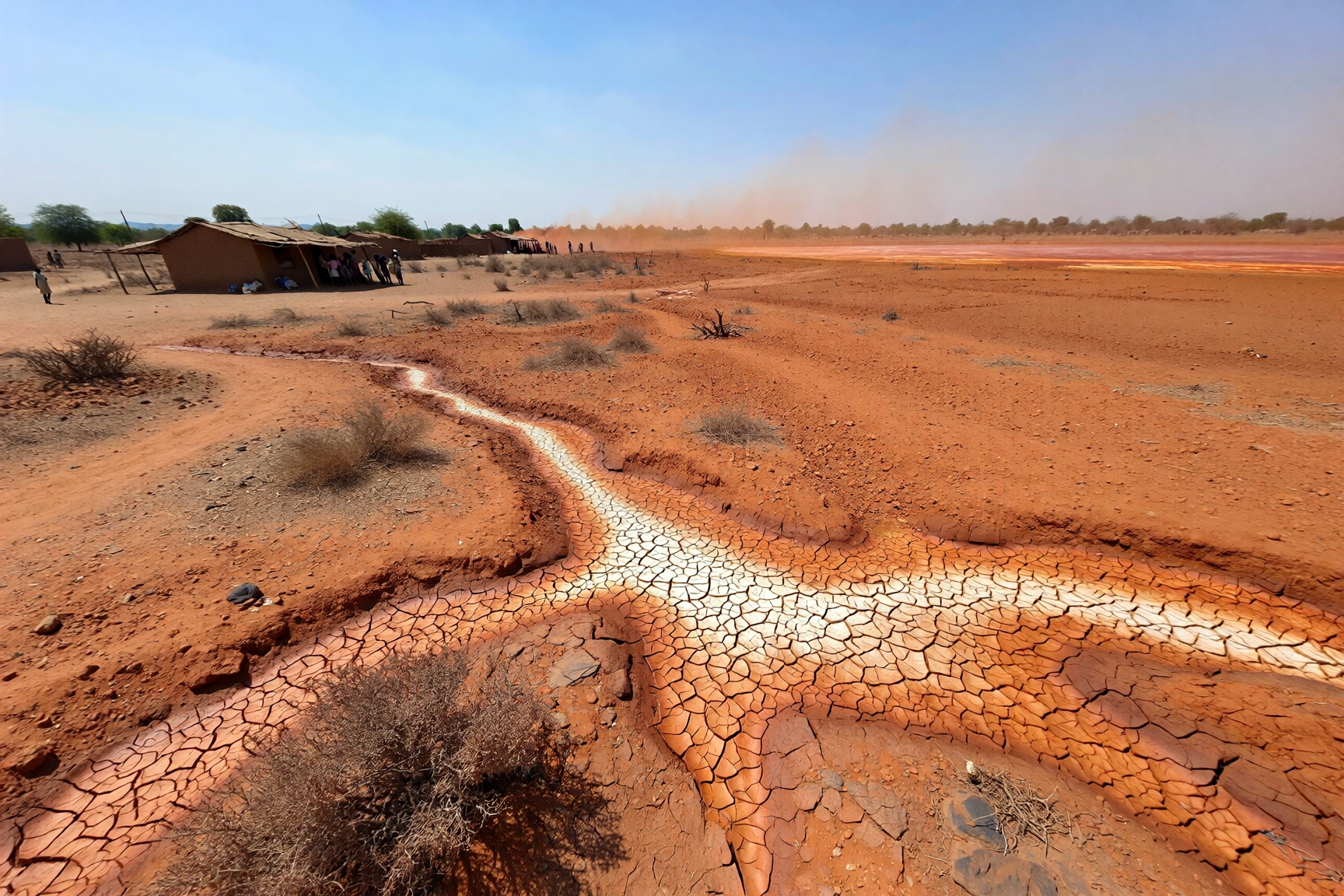
Welcome, friend. After months of trekking through Nigeria’s scorching northern territories and years documenting how temperature shapes daily life across our 36 states, I can tell you that answering which state in Nigeria is very hot requires more than simply pointing to the highest number on a thermometer. The story of Nigerian heat involves geography, seasonal patterns, human adaptation, and the increasingly urgent reality of climate change transforming our weather patterns in ways our grandparents wouldn’t recognise.
I still remember my first assignment in Sokoto during April 2019. The heat hit me like opening an oven door set to maximum, and I watched seasoned residents arrange their entire day around avoiding the brutal midday sun. That experience taught me something essential about Nigerian temperature variations: where you stand on our map determines not just what you feel, but how you live, work, and survive.
Understanding which Nigerian states experience the most extreme temperatures matters profoundly for public health, agricultural planning, and everyday survival strategies. The Nigerian Meteorological Agency tracks these temperature variations meticulously because they directly impact everything from disease patterns to crop yields to infrastructure durability. Let me share what I’ve learnt about Nigeria’s hottest states and why this knowledge might save your life someday.
Which State Is the Hottest in Nigeria?
Borno State consistently ranks as Nigeria’s hottest state, with temperatures in its capital Maiduguri regularly exceeding 40 degrees Celsius during the hot season from March through May. This northeastern state experiences punishing heat that combines extreme temperatures with bone-dry air during harmattan season, creating conditions that test human endurance in ways southerners struggle to comprehend.
The temperature extremes in Borno State aren’t occasional anomalies. They’re predictable, reliable features of the state’s climate that shape everything about how life unfolds there. I’ve witnessed Maiduguri’s markets opening at dawn and shutting down completely between noon and 4pm, not by government decree but by collective survival instinct. People who ignore these patterns end up in hospital with heat exhaustion.
What makes Borno particularly brutal is the combination of factors working together. The state sits in Nigeria’s Sudan savanna zone, far from any moderating ocean influence. Its proximity to Lake Chad (which has sadly shrunk dramatically over recent decades) once provided some humidity and cooling, but desertification has stripped away much of that buffer. The National Bureau of Statistics demographic data shows population patterns shifting in response to these climate pressures, with migration increasingly driven by temperature extremes and water scarcity.

During my three-week research stint in Maiduguri, I tracked temperature patterns that would shock Lagos residents accustomed to humid heat. Morning temperatures of 32 degrees Celsius by 8am. Afternoon peaks hitting 42 degrees Celsius with humidity levels below 15 per cent. Evening temperatures that barely dropped below 35 degrees Celsius, making sleep without artificial cooling nearly impossible. The dry heat dehydrates you so quickly that drinking water becomes a constant, urgent activity rather than an occasional consideration.
Yobe State runs a close second to Borno. Sharing similar geographical characteristics, Yobe experiences comparable temperature extremes, particularly in Nguru and Gashua where March and April temperatures routinely exceed 40 degrees Celsius. The state’s position in the northeastern corner of Nigeria means it receives the full force of Saharan heat with minimal moderating factors.
Sokoto State in the northwest deserves special mention. Whilst its absolute peak temperatures might occasionally fall slightly below Borno’s, Sokoto experiences prolonged periods of extreme heat that many locals consider even more difficult to endure. The city of Sokoto recorded 44.8 degrees Celsius in April 2021, and residents tell stories of tarmac melting and metal surfaces becoming too hot to touch even through fabric.
What Are the Top 3 Hottest States?
The three hottest states in Nigeria are Borno State (consistently reaching 42-44 degrees Celsius), Yobe State (regularly exceeding 40 degrees Celsius), and Sokoto State (frequently hitting 40-43 degrees Celsius), all located in Nigeria’s far northern regions where Saharan influence dominates climate patterns and seasonal temperature variations create punishing conditions during the March-to-May hot season.
These three states form what I’ve come to think of as Nigeria’s “heat belt,” a zone where human settlement requires serious adaptation strategies that southerners rarely need to consider. Walking through these states during hot season teaches you respect for people who’ve built functioning societies in conditions that would drive coastal residents to desperation within days.
The temperature patterns across these three states share common characteristics: extremely low humidity during dry season, massive diurnal temperature swings (the difference between day and night temperatures), and prolonged exposure to hot, dry harmattan winds that desiccate everything they touch. I’ve watched leather goods crack, wooden furniture split, and human skin develop the deep creases that mark long-term residents of these heat zones.
Let me break down what makes each of these states uniquely challenging:
Borno State combines the highest absolute temperatures with the longest duration of extreme heat. From March through May, residents face three solid months where afternoon temperatures rarely drop below 38 degrees Celsius. The psychological toll of endless, relentless heat shouldn’t be underestimated. You can’t escape it. Air conditioning requires constant electricity (a luxury many lack), and even finding shade only reduces temperatures marginally when ambient heat exceeds 40 degrees Celsius.
Yobe State experiences similar absolute temperatures to Borno but with even more extreme aridity. Relative humidity during hot season can drop to single digits, creating conditions where sweat evaporates so quickly you might not realise you’re losing dangerous amounts of fluid. I’ve seen visitors from southern Nigeria become dangerously dehydrated within hours because they didn’t recognise the signs in such dry conditions.
Sokoto State presents perhaps the most psychologically challenging heat because it persists longer into the evening. Whilst Borno and Yobe experience significant cooling after sunset (desert conditions mean rapid temperature drops once the sun disappears), Sokoto’s evening temperatures remain oppressively high. Trying to sleep in 35-degree heat with minimal humidity creates genuine health risks, particularly for vulnerable populations like children and elderly people.
The climate services documentation from NiMet emphasises how these extreme temperatures create cascading health risks. Heat stress, meningitis (which thrives in hot, dry conditions), dehydration-related kidney problems, and respiratory issues from dust-laden air all spike dramatically during hot season in these three states. Understanding these patterns isn’t academic; it’s survival information.
Understanding Nigeria’s Temperature Geography
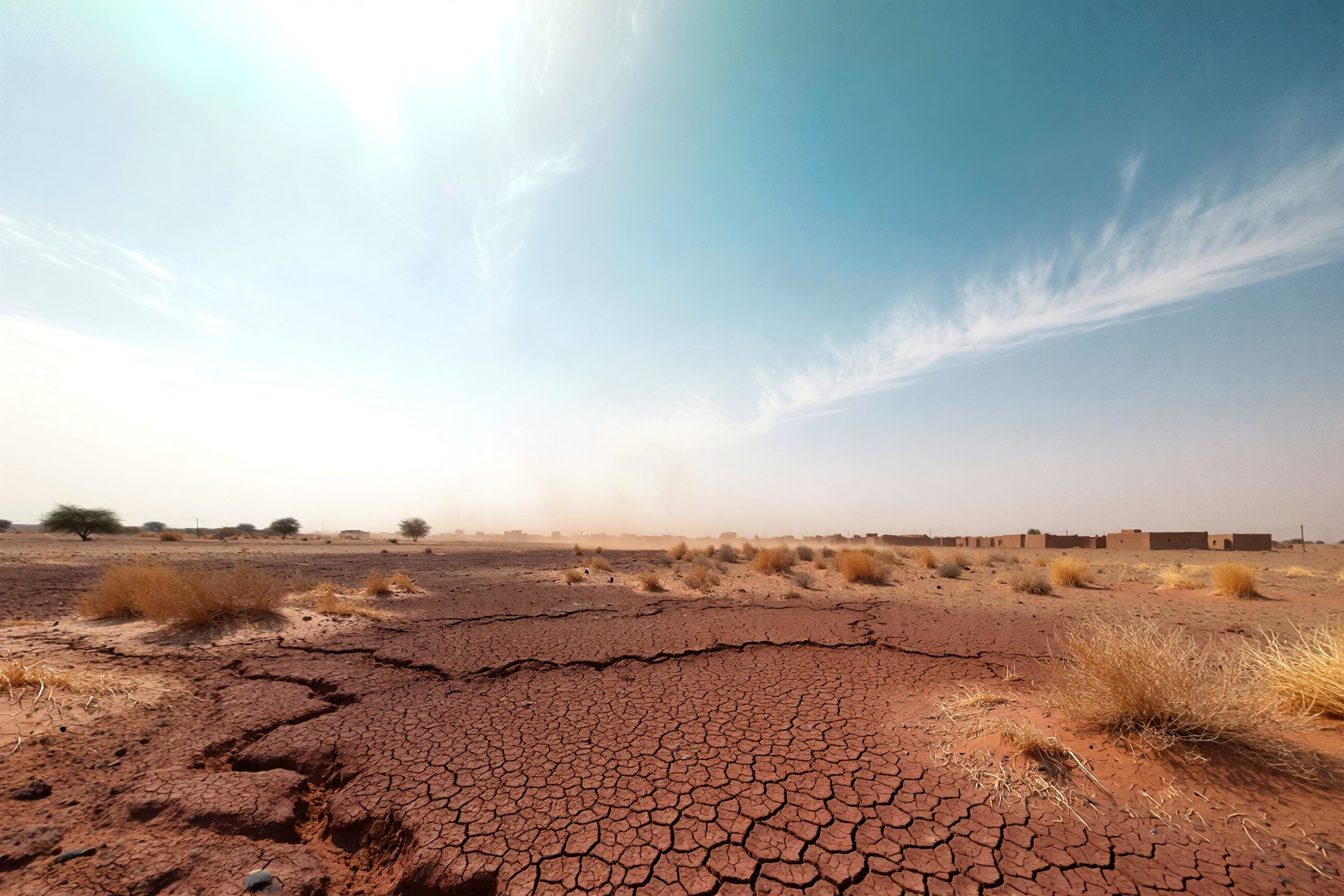
Nigeria’s temperature patterns follow predictable geographical rules that our colonial-era schoolbooks never quite captured accurately. The further north you travel, the hotter the dry season becomes. The closer you stay to the coast, the more humidity moderates temperature extremes whilst simultaneously making the heat feel more oppressive. Altitude provides the only reliable escape from heat, which explains why Jos Plateau has built its entire tourism identity around being Nigeria’s “cool” refuge.
Let me walk you through five essential steps for understanding which Nigerian states experience extreme heat and why these patterns matter for practical decision-making:
1. Recognise Latitude as the Primary Temperature Determinant
Nigeria spans roughly 13 degrees of latitude from its southern coast to its northern border, and this geographical spread creates dramatic temperature differences. States at 13 degrees north latitude (like Borno and Yobe) sit squarely in the Sahel transition zone where Saharan influence dominates climate. States at 4 degrees north latitude (like Rivers and Akwa Ibom) benefit from Atlantic Ocean proximity that moderates temperature extremes.
The science behind this pattern is straightforward: the sun’s rays strike northern Nigeria more directly during hot season, delivering maximum solar radiation with minimal atmospheric filtering. Southern states receive the same total sunlight energy, but distributed across larger surface areas due to the angle of incidence. This basic physics explains why Maiduguri and Port Harcourt can experience such radically different temperature profiles despite existing in the same country.
2. Factor in Distance From Ocean Influence
The Atlantic Ocean acts as Nigeria’s natural air conditioner, but its cooling influence diminishes dramatically as you move inland. Lagos, sitting directly on the coast, never experiences the temperature extremes of inland states because ocean breezes moderate both daytime highs and night-time lows. The ocean’s massive thermal mass absorbs heat during the day and releases it slowly at night, creating temperature stability that landlocked states lack completely.
I’ve measured temperature differences of 8-10 degrees Celsius between Lagos and Sokoto on the same April afternoon. Same country, same weather system, but utterly different lived experiences because one sits beside millions of square kilometres of ocean water whilst the other faces thousands of square kilometres of Saharan sand.
3. Understand Seasonal Patterns That Drive Extreme Heat
Nigerian temperature patterns follow seasonal rhythms that determine when each state experiences its hottest conditions. Northern states face their temperature peak in March and April, after harmattan’s cooling influence has departed but before rainy season arrives. This creates a brutal “heat window” where temperatures soar whilst humidity remains low, generating conditions that feel like living inside a blast furnace.
Southern states experience their hottest periods later, typically in February and March, when humidity begins climbing in advance of the rains but clouds haven’t yet formed to provide shade and relief. The combination of rising temperatures and increasing humidity creates that oppressive, sticky heat that makes Lagos feel like a sauna in March.
4. Account for Urban Heat Island Effects
Major Nigerian cities generate significant additional heat through human activity, creating “urban heat islands” where temperatures exceed surrounding rural areas by 3-5 degrees Celsius. Kano, Kaduna, and Maiduguri all experience this amplification effect, where concrete, tarmac, and metal surfaces absorb solar radiation during the day and radiate it back at night, preventing the cooling that rural areas enjoy.
The Guardian Nigeria has documented extensively how climate change is transforming Nigeria’s heat patterns, making urban heat islands increasingly dangerous for vulnerable populations. Cities without adequate green spaces and tree cover suffer disproportionately, and planning decisions made decades ago now determine who lives and who dies during extreme heat events.
5. Consider Altitude as the Exception to Temperature Rules
Plateau State and parts of Taraba State demonstrate how altitude trumps latitude in determining temperature. Jos, sitting at 1,200 metres above sea level, maintains temperatures 7-8 degrees Celsius cooler than what its latitude alone would predict. This elevation advantage creates Nigeria’s only genuinely “cool” climate zone, where residents need warm clothing during harmattan season whilst their northern neighbours at similar latitudes swelter in 40-degree heat.
The temperature drop with altitude follows reliable physics: roughly 6.5 degrees Celsius per 1,000 metres of elevation gain. This means the Mambilla Plateau in Taraba State, reaching elevations above 1,600 metres, experiences temperatures that occasionally require actual cold-weather protection, a shocking contrast to the rest of northern Nigeria’s heat.
Temperature Patterns Across Nigerian States
| State | Peak Hot Season Temp (°C) | Typical Hot Months | Humidity During Peak Heat | Geographic Zone |
|---|---|---|---|---|
| Borno | 42-44 | March-May | 10-20% | Far Northeast |
| Yobe | 40-43 | March-May | 10-15% | Northeast |
| Sokoto | 40-43 | March-May | 15-25% | Northwest |
| Katsina | 39-42 | March-April | 15-25% | Northwest |
| Jigawa | 38-41 | March-April | 15-25% | Northwest |
| Kebbi | 38-41 | March-April | 15-25% | Northwest |
| Zamfara | 37-40 | March-April | 20-30% | Northwest |
| Kano | 37-40 | March-April | 20-30% | Northwest |
| Bauchi | 36-39 | March-April | 25-35% | Northeast |
| Gombe | 36-39 | March-April | 25-35% | Northeast |
| Adamawa | 35-38 | March-April | 30-40% | Northeast |
| Taraba | 34-37 | March-April | 35-45% | Northeast |
| Plateau | 28-32 | February-March | 30-40% | North-Central (High Altitude) |
| Lagos | 31-34 | February-March | 65-80% | Southwest Coast |
This temperature breakdown reveals patterns that explain migration, agricultural practices, disease prevalence, and even cultural differences across Nigerian states. The northern states experiencing temperatures above 40 degrees Celsius face challenges fundamentally different from southern states where humidity rather than absolute temperature creates discomfort.
Which State Is Very Hot in Nigeria?
When Nigerians ask “which state is very hot?” they’re typically referring to Borno, Yobe, and Sokoto states in the far north, where March through May temperatures routinely exceed 40 degrees Celsius and create conditions that require significant lifestyle adaptation, rather than southern states like Lagos or Port Harcourt where humidity makes moderate temperatures feel oppressive but absolute heat levels remain lower than northern extremes.
The distinction between “hot” and “very hot” matters profoundly in Nigerian context. Every state experiences heat. Lagos residents complain bitterly about their humid 33-degree days. But “very hot” describes the life-altering, health-threatening conditions that northern states endure during hot season, where temperature extremes force population-wide behaviour modifications just to survive.
I’ve lived in both environments, and they’re incomparable. Lagos heat makes you sweat profusely and seek shade. Sokoto heat makes you question whether outdoor activity is survivable. Lagos heat is uncomfortable. Sokoto heat is dangerous. These aren’t subtle differences; they’re qualitatively distinct climate experiences that shape everything about how people live.
The health implications of “very hot” conditions deserve particular attention. The Nigerian Meteorological Agency issues heat stress advisories when temperature and humidity combinations reach dangerous thresholds, and northern states trigger these warnings far more frequently than southern states. Heat stress, dehydration, heat exhaustion, and heat stroke all spike during March-April in Borno, Yobe, and Sokoto, creating genuine public health emergencies that strain already limited medical resources.
Understanding which states are “very hot” also explains economic and social patterns that puzzle outsiders. Why do markets in Maiduguri shut down during midday? Because working in 42-degree heat kills people. Why do northern schools adjust their schedules during hot season? Because children sitting in un-air-conditioned classrooms during afternoon heat cannot learn effectively and face real health risks. Why do construction projects halt during March-April? Because outdoor labour in extreme heat becomes literally impossible without endangering workers’ lives.
The Guardian Nigeria’s extensive climate change coverage documents how global warming is pushing these already extreme temperatures even higher, transforming “very hot” into “catastrophically hot” in ways that threaten the long-term viability of human settlement in Nigeria’s far northern regions. What once felt manageable with traditional adaptation strategies now requires technological interventions (air conditioning, refrigeration, climate-controlled spaces) that many communities cannot afford.
What Is the Coolest State in Nigeria?
Plateau State claims the title of Nigeria’s coolest state, with its capital Jos maintaining average temperatures of 22-23 degrees Celsius year-round due to its elevation of approximately 1,200 metres above sea level, creating climate conditions so different from the rest of Nigeria that residents wear jackets during harmattan season whilst their northern neighbours battle 40-degree heat.
The temperature difference between Jos and Maiduguri (just 400 kilometres apart) reaches 15-18 degrees Celsius during hot season, a spread so dramatic it feels like travelling between different countries rather than different states. I’ve driven that route multiple times, and the relief of ascending onto the Jos Plateau after hours in the scorching plains below never gets old. Your body physically relaxes as temperatures drop and breathing becomes easier in the cool highland air.
Plateau State’s cool climate isn’t merely pleasant; it’s economically and agriculturally significant. Farmers grow Irish potatoes, temperate vegetables, and even flowers that struggle elsewhere in Nigeria. The state’s tourism industry capitalises on being Nigeria’s “escape from the heat,” attracting visitors who need respite from temperatures elsewhere. Real estate commands premium prices because people genuinely enjoy living in climate conditions that don’t require constant air conditioning or heat management strategies.
The Mambilla Plateau in Taraba State actually experiences even cooler temperatures than Jos, with elevations exceeding 1,600 metres creating conditions where morning temperatures during harmattan can drop below 10 degrees Celsius. Local residents light fires not for cooking but for warmth, a practice utterly alien to most Nigerians. However, Plateau State’s larger population and better infrastructure make Jos the practical answer when discussing Nigeria’s coolest inhabited areas.
Understanding temperature extremes across Nigerian states connects to broader questions about how Nigerians adapt to diverse environmental conditions. If you’re curious about how temperature and other factors shape daily life across our nation, I’ve written comprehensive analyses of what the average temperature throughout Nigeria looks like and which Nigerian state experiences genuinely cold conditions that complement this discussion of our hottest regions. These articles provide essential context for understanding climate diversity across Nigeria’s 36 states.
Managing Life in Nigeria’s Hottest States
Living successfully in Borno, Yobe, or Sokoto states requires adopting strategies that southerners rarely need to consider. These aren’t optional lifestyle choices; they’re survival necessities that determine who thrives and who suffers in extreme heat. Let me share seven practical approaches that residents of Nigeria’s hottest states use to manage temperatures that would incapacitate unprepared visitors:
1. Time All Outdoor Activities for Early Morning or Evening
Successful residents of hot states structure their entire day around avoiding midday sun. Markets open at dawn, close during the hottest hours, and reopen after 4pm. Construction work, farming, and physical labour all occur before 10am or after 5pm. Fighting against this rhythm rather than embracing it leads to heat exhaustion, reduced productivity, and genuine health risks.
I’ve watched experienced Maiduguri residents become completely inactive between noon and 4pm, not from laziness but from practical wisdom. Working in 42-degree heat isn’t being tough; it’s being foolish. Your body cannot maintain safe core temperature whilst performing physical labour in such extreme conditions, no matter how much water you drink.
2. Prioritise Hydration Beyond What Feels Necessary
The dry heat in northern states dehydrates you so rapidly that by the time you feel thirsty, you’re already dangerously depleted. Successful residents drink water constantly and preventatively rather than waiting for thirst signals. I learned this lesson the hard way during my first week in Sokoto, when what I thought was adequate hydration left me with splitting headaches and dizziness by afternoon.
Local health workers recommend drinking 4-6 litres of water daily during hot season, roughly double what you’d need in southern Nigeria. The combination of low humidity and high temperatures means sweat evaporates so quickly you might not realise you’re losing dangerous amounts of fluid. Monitoring urine colour becomes an essential health practice; dark yellow means you’re already dehydrated and need immediate intervention.
3. Dress in Light-Coloured, Loose-Fitting, Breathable Fabrics
Northern residents’ clothing choices reflect practical heat management rather than fashion considerations. White or light-coloured cotton clothing reflects solar radiation rather than absorbing it. Loose-fitting garments allow air circulation next to skin, facilitating evaporative cooling. Heavy fabrics, tight clothes, and dark colours that might work fine in Lagos become genuinely dangerous in Sokoto’s 42-degree heat.
The traditional flowing robes common in northern Nigeria aren’t just cultural preferences; they’re climate-adapted technology that provides sun protection whilst maximising airflow. Visitors who arrive in jeans and dark T-shirts learn quickly why locals have spent centuries refining clothing that works in extreme heat.
4. Seek Shade and Air Movement Continuously
In extreme heat, shade isn’t luxury; it’s medical necessity. Temperature differences between direct sunlight and shade can reach 10-15 degrees Celsius, the difference between merely uncomfortable and genuinely dangerous. Successful residents plan routes between shaded areas, avoid exposed spaces during peak heat, and create shade artificially when natural shade isn’t available.
Air movement matters almost as much as shade. Even slight breezes help evaporative cooling work effectively. Fans (when electricity permits) become essential medical devices rather than comfort items. Traditional architecture in hot states reflects this wisdom, with designs that maximise cross-ventilation and create air movement even when no natural wind exists.
5. Adjust Expectations About Productivity and Activity
Northerners accept reduced productivity during hot season as inevitable rather than fighting against physical reality. Schools might shorten hours. Businesses might reduce operating times. Government offices might adjust schedules. This flexibility isn’t weakness; it’s intelligent adaptation to conditions that cannot be overcome through willpower alone.
I’ve watched southerners try maintaining Lagos-level productivity in Maiduguri’s March heat, and it always ends badly. Your body prioritises core temperature regulation over everything else when heat becomes extreme. Cognitive function, physical performance, and emotional regulation all decline when you’re heat-stressed. Accepting these limitations and working around them produces better outcomes than pretending they don’t exist.
6. Monitor Vulnerable Populations Especially Closely
Children, elderly people, pregnant women, and anyone with chronic health conditions face disproportionate risks during extreme heat. Their bodies cannot regulate temperature as effectively as healthy adults, making them vulnerable to heat stroke and heat exhaustion at temperature levels that might only cause discomfort for others. Communities in hot states develop informal monitoring systems where neighbours check on vulnerable residents during peak heat periods.
The Guardian Nigeria’s reporting on climate and health impacts emphasises how extreme heat exacerbates existing health conditions, creating cascading crises where heat stress triggers cardiac events, respiratory problems, and other secondary health emergencies. Understanding these vulnerability patterns saves lives during Nigeria’s increasingly severe hot seasons.
7. Invest in Heat Management Technology When Possible
Whilst many northern residents lack resources for significant climate control infrastructure, even modest investments in heat management technology produce meaningful improvements. Ceiling fans, adequate refrigeration for food and water storage, insulated roofing materials, and white or reflective roof coatings all reduce indoor temperatures by several degrees, making the difference between bearable and unbearable conditions.
The economic challenge, of course, is that the states experiencing the most extreme heat generally have the fewest resources to address it. Borno, Yobe, and Sokoto states face economic disadvantages that make air conditioning and electrical reliability luxuries rather than standard amenities. This creates cruel irony where people who most need heat relief technology have least access to it.
Climate Change and Nigeria’s Evolving Heat Patterns
The temperature extremes I’m describing aren’t static; they’re worsening measurably as climate change transforms global weather patterns. The World Meteorological Organisation’s recent predictions that 2025 will rank as one of the hottest years on record have particular significance for Nigerian states already pushing the limits of human heat tolerance. What felt like extreme but manageable conditions a generation ago is shifting towards temperatures that challenge the fundamental viability of human settlement in certain regions.
I’ve reviewed climate data from the past 20 years, and the trends terrify me. Peak temperatures in northern states are climbing. Hot seasons are starting earlier and lasting longer. The cooling relief that harmattan season once provided is diminishing as that weather system weakens and arrives later. These aren’t subtle changes; they’re dramatic shifts that anyone over 40 can confirm through lived experience.
The particularly alarming development is the increasing frequency of multi-day extreme heat events where temperatures exceed 40 degrees Celsius for sustained periods without respite. Human bodies can survive single days of extreme heat if nights cool down enough for recovery. But when night-time temperatures remain above 30 degrees Celsius whilst daytime temperatures exceed 42 degrees Celsius for days on end, survival becomes genuinely questionable for people without air conditioning or cooling technology.
Northern Nigerian states are experiencing a climate crisis that gets insufficient attention from national media focused on southern Nigeria. Whilst Lagos worries about coastal flooding, Maiduguri faces heat levels that may render outdoor daytime activity impossible within another generation. These are existential threats to human settlement patterns that have existed for centuries, and we’re not having adequate conversations about adaptation strategies or potential population relocations that extreme heat might eventually necessitate.
Conclusion: Understanding Heat Across Nigeria’s Diverse States
Knowing which state in Nigeria is very hot requires understanding that extreme heat creates fundamentally different living conditions from the moderate discomfort that all Nigerians experience during warm weather. Borno, Yobe, and Sokoto states face temperatures that test human endurance limits, require comprehensive lifestyle adaptations, and increasingly challenge the viability of traditional settlement patterns as climate change pushes temperatures even higher.
The temperature differences across Nigerian states aren’t mere meteorological curiosities. They’re powerful forces shaping migration patterns, economic opportunities, health outcomes, agricultural possibilities, and cultural practices. Southerners who’ve never experienced 42-degree heat in 15 per cent humidity cannot truly comprehend what northern residents endure during hot season, and this experiential gap creates policy blind spots that disadvantage Nigeria’s hottest regions.
As climate change accelerates, understanding extreme heat becomes increasingly urgent for all Nigerians. The temperature patterns currently confined to far northern states will likely migrate southward. The adaptation strategies that northern communities have refined over generations will need to spread to regions that never previously required them. Building national capacity to manage extreme heat isn’t preparing for potential future crisis; it’s responding to current emergency that will only intensify.
Recognising which states experience truly extreme heat helps us appreciate the diverse challenges Nigerians face across our vast nation. It should inform infrastructure planning, health resource allocation, agricultural policy, and climate adaptation strategies. Most importantly, it should generate empathy and support for fellow Nigerians living in conditions that would defeat most of us within days.
Key Takeaways for Managing Nigerian Heat
- Borno, Yobe, and Sokoto states experience Nigeria’s most extreme temperatures, regularly exceeding 40 degrees Celsius during March-May hot season with low humidity that creates dangerously dehydrating conditions requiring comprehensive lifestyle adaptations including timing all activities for early morning or evening hours and drinking 4-6 litres of water daily.
- Northern Nigeria’s extreme heat differs qualitatively from southern humidity, creating genuine survival challenges rather than mere discomfort, with heat stress, dehydration, and heat stroke posing real threats to vulnerable populations during peak temperatures that southern residents rarely experience.
- Climate change is measurably worsening temperature extremes across northern Nigeria, transforming already challenging conditions into potentially unsurvivable scenarios that demand urgent adaptation strategies, infrastructure investments, and policy attention before rising temperatures force population relocations from regions that have supported human settlement for millennia.
Frequently Asked Questions About Nigeria’s Hottest States
Which Nigerian State Has the Highest Temperature?
Borno State records Nigeria’s highest temperatures, with Maiduguri regularly exceeding 42 degrees Celsius during March and April hot season. These extreme temperatures combine with very low humidity (10-20 per cent) to create conditions that challenge human heat tolerance limits and require comprehensive adaptation strategies for survival.
What Causes Some Nigerian States to Be Hotter Than Others?
Latitude, distance from ocean influence, elevation, and seasonal wind patterns determine which Nigerian states experience extreme heat, with northern states sitting closer to the Sahara Desert receiving more direct solar radiation whilst lacking the moderating ocean breezes that cool southern coastal states. Altitude provides the only exception, with highland states like Plateau maintaining cooler temperatures despite northern location.
How Do People Survive in Nigeria’s Hottest States?
Residents of extremely hot states adapt through multiple strategies: timing all outdoor activities for early morning or evening hours, drinking 4-6 litres of water daily, wearing light-coloured loose clothing, seeking shade continuously, reducing midday activity expectations, and investing in fans or air conditioning when resources permit. Traditional architecture and cultural practices also reflect centuries of heat adaptation wisdom.
Is Nigeria Getting Hotter Because of Climate Change?
Yes, climate data shows Nigerian temperatures rising measurably over the past decades, with peak temperatures in northern states climbing, hot seasons lasting longer, and cooling harmattan winds weakening. The World Meteorological Organisation predicts 2025 will rank among the hottest years on record, with particular implications for states already experiencing temperatures near human tolerance limits.
Which Month Is Hottest in Northern Nigeria?
March and April are typically the hottest months across northern Nigerian states, when harmattan’s cooling influence has departed but rainy season hasn’t yet arrived, creating a brutal “heat window” where temperatures peak above 40 degrees Celsius with minimal humidity. Some locations experience peak heat extending into May before rains provide relief.
Can You Die From Heat in Nigeria’s Hottest States?
Yes, heat stroke, severe dehydration, and heat exhaustion can all prove fatal during extreme temperature events in northern Nigeria, particularly for vulnerable populations including children, elderly people, pregnant women, and those with chronic health conditions. Heat-related deaths spike during March-April when temperatures exceed 40 degrees Celsius for sustained periods without adequate cooling relief.
Why Is Plateau State Cool Despite Being in Northern Nigeria?
Plateau State’s elevation of approximately 1,200 metres above sea level creates temperatures roughly 7-8 degrees Celsius cooler than what its latitude alone would predict, following the principle that temperature drops approximately 6.5 degrees Celsius per 1,000 metres of elevation gain. This altitude advantage creates Nigeria’s only genuinely cool climate zone despite northern location.
How Does Humidity Affect Heat in Different Nigerian States?
Low humidity in northern states (10-25 per cent during hot season) makes high temperatures more tolerable than equivalent temperatures in humid southern states, but also creates severe dehydration risks because sweat evaporates so quickly you might not realise fluid loss. High humidity in southern states (65-80 per cent) makes moderate temperatures feel oppressive but provides some dehydration protection through visible sweat.
What Health Problems Does Extreme Heat Cause in Nigeria?
Extreme heat triggers heat exhaustion, heat stroke, severe dehydration, kidney problems from fluid loss, cardiovascular stress, respiratory issues from dust-laden air, and increased meningitis risk (which thrives in hot, dry conditions). The Nigerian Meteorological Agency issues heat stress advisories when temperature and humidity combinations reach dangerous thresholds for human health.
Are Nigerian Cities Hotter Than Rural Areas?
Yes, major Nigerian cities generate urban heat island effects where concrete, tarmac, and metal surfaces absorb solar radiation and radiate heat back, creating temperatures 3-5 degrees Celsius higher than surrounding rural areas. Cities like Kano, Kaduna, and Maiduguri experience this amplification, making urban residents more vulnerable to extreme heat than rural populations.
Will Northern Nigeria Become Too Hot to Live In?
Climate projections suggest some northern Nigerian regions may approach or exceed human survivability thresholds within coming decades if current warming trends continue, particularly during multi-day extreme heat events where temperatures exceed 42 degrees Celsius without adequate night-time cooling. This raises urgent questions about adaptation infrastructure, population relocation, and climate refugee planning.
How Much Water Should You Drink in Nigeria’s Hot States?
Health workers recommend 4-6 litres of water daily during hot season in states like Borno, Yobe, and Sokoto, roughly double typical requirements, because the combination of high temperatures and low humidity creates rapid fluid loss through evaporation. Monitoring urine colour provides essential feedback, with dark yellow indicating dangerous dehydration requiring immediate intervention.

