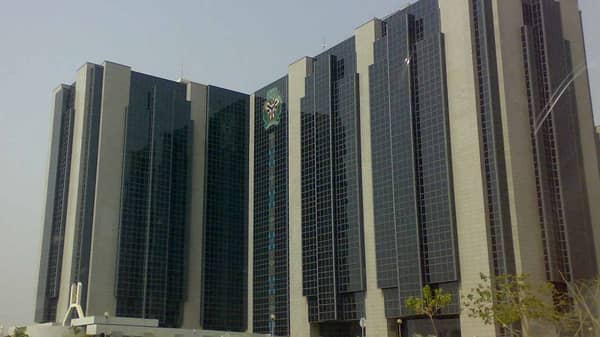
SIR: The Central Bank of Nigeria (CBN) has released its macroeconomic outlook for 2025, displaying a nuanced picture of the nation’s economic trajectory amid a shifting global landscape. The report reveals that global economic growth decelerated slightly to 3.20 per cent in 2025 from 3.3 per cent in 2024, a slowdown fuelled by persistent trade tensions and subdued demand in major economies.
Notably, global inflation eased to 4.20 per cent in 2025, reflecting the positive impact of falling energy prices and ongoing normalisation of global supply chains. These international trends inevitably set the backdrop for Nigeria’s own economic performance and policy responses, shaping the prospects for both 2025 and the coming year.
Despite formidable global headwinds, the Nigerian economy demonstrated remarkable resilience throughout 2025. Economic growth accelerated to 3.89 per cent, up from 3.38 per cent in 2024, signalling that Nigeria continues to defy some of the pessimism that has characterised emerging market outlooks.
This robust performance draws strength from both the oil and non-oil sectors, with particular gains stemming from agricultural reforms, improved crude oil production, and a more vibrant services sector. Inflation, which had soared to 24.48 per cent in January 2025, was successfully reined in by year-end, averaging 21.26 per cent. This significant moderation in price pressures can be attributed to a tight monetary policy stance by the CBN, greater exchange rate stability, and a renewed spirit of cooperation between fiscal and monetary authorities.The outcome underscores how focused policy interventions can yield tangible improvements, even amid global volatility.
A closer look at key macroeconomic indicators offers further insight into Nigeria’s 2025 performance. In the financial sector, growth in monetary aggregates slowed as the CBN maintained higher interest rates, creating tighter money market conditions. Nevertheless, the banking sector proved its soundness, with stability maintained and financial indicators staying well within regulatory limits, which is a testament to prudent oversight and risk management.
Fiscal policy also saw improvement, with the government’s ongoing reforms and stable crude oil prices providing much-needed breathing room. The fiscal deficit narrowed, and total public debt stood at a manageable 33.98 per cent of GDP by mid-2025. This improved fiscal space not only reflects better revenue mobilisation but also suggests greater discipline and transparency in public finance management.
Externally, Nigeria recorded a balance of payments surplus of $5.80 billion in 2025, underpinned by rising external reserves. This healthy external position has bolstered investor confidence and provided a crucial buffer against external shocks.
The ability to maintain a surplus in a year marked by global uncertainty is a noteworthy achievement for the country. Looking ahead to 2026, the CBN projects an even stronger growth rate of 4.49 per cent for the Nigerian economy. This optimistic projection rests on the expectation that broad-based structural reforms will continue to take hold, unlocking productivity and investment. The gradual easing of monetary policy, as inflationary pressures subside, should further stimulate economic activity.
Notably, headline inflation is forecast to decline sharply to an average of 12.94 per cent, buoyed by lower food prices and a downward trend in premium motor spirit (PMS) costs. Should these projections materialise, 2026 could mark a turning point where Nigeria moves closer to achieving both macroeconomic stability and inclusive growth.
However, it would be short-sighted to ignore the significant risks and uncertainties that could disrupt these positive trends. Inflation remains a persistent threat, with unanticipated shocks, such as supply disruptions or global commodity price spikes, potentially derailing the expected deceleration. There is also the risk that fiscal expenditure could outpace prudent benchmarks, leading to exchange rate instability and renewed inflationary pressures.
Furthermore, Nigeria’s integration into global financial markets means that sudden shifts in investor sentiment or external financial conditions could provoke capital outflows and strain the currency. Also, the perennial risk posed by unfavourable climatic conditions and possible disruptions to oil production could undermine output growth, reminding policymakers that vigilance and adaptability are essential.
To navigate these uncertainties and seize the opportunities ahead, policy recommendations from the CBN are both timely and critical. On the monetary front, the CBN must continue to strike a delicate balance between price stability and output growth, carefully calibrating interest rates and liquidity conditions as the macroeconomic environment evolves. Fiscal authorities, for their part, are urged to broaden the tax base, ensure a more efficient and equitable tax system, and maintain discipline in public spending, steps that are vital for long-term sustainability.
Meanwhile, continued vigilance over financial sector stability, including deepening the operational integration of the Global Standing Instruction (GSI) framework, will be crucial in safeguarding the banking system against emerging risks and fostering confidence among investors and the public alike.
The CBN’s macroeconomic outlook for 2025 and projections for 2026 provide both reassurance and a call to action. Nigeria’s recent performance highlights the economy’s underlying strengths and capacity for adaptation, even in the face of global uncertainty. Yet, the road ahead demands prudent, coordinated policymaking and an unwavering commitment to reform. If policymakers can successfully navigate the risks while capitalising on emerging opportunities, 2026 could be remembered as a year of real progress, one that sets the stage for sustained growth, lower inflation, and improved living standards for millions of Nigerians. As such, the coming year stands as both a challenge and an opportunity, with the outcome hinging on the policies and decisions that Nigeria will take.
Salmanu Darazo and Isah Aliyu Chiroma wrote from Abuja.