 Follow Us on Google News


 Follow Us on Google Discover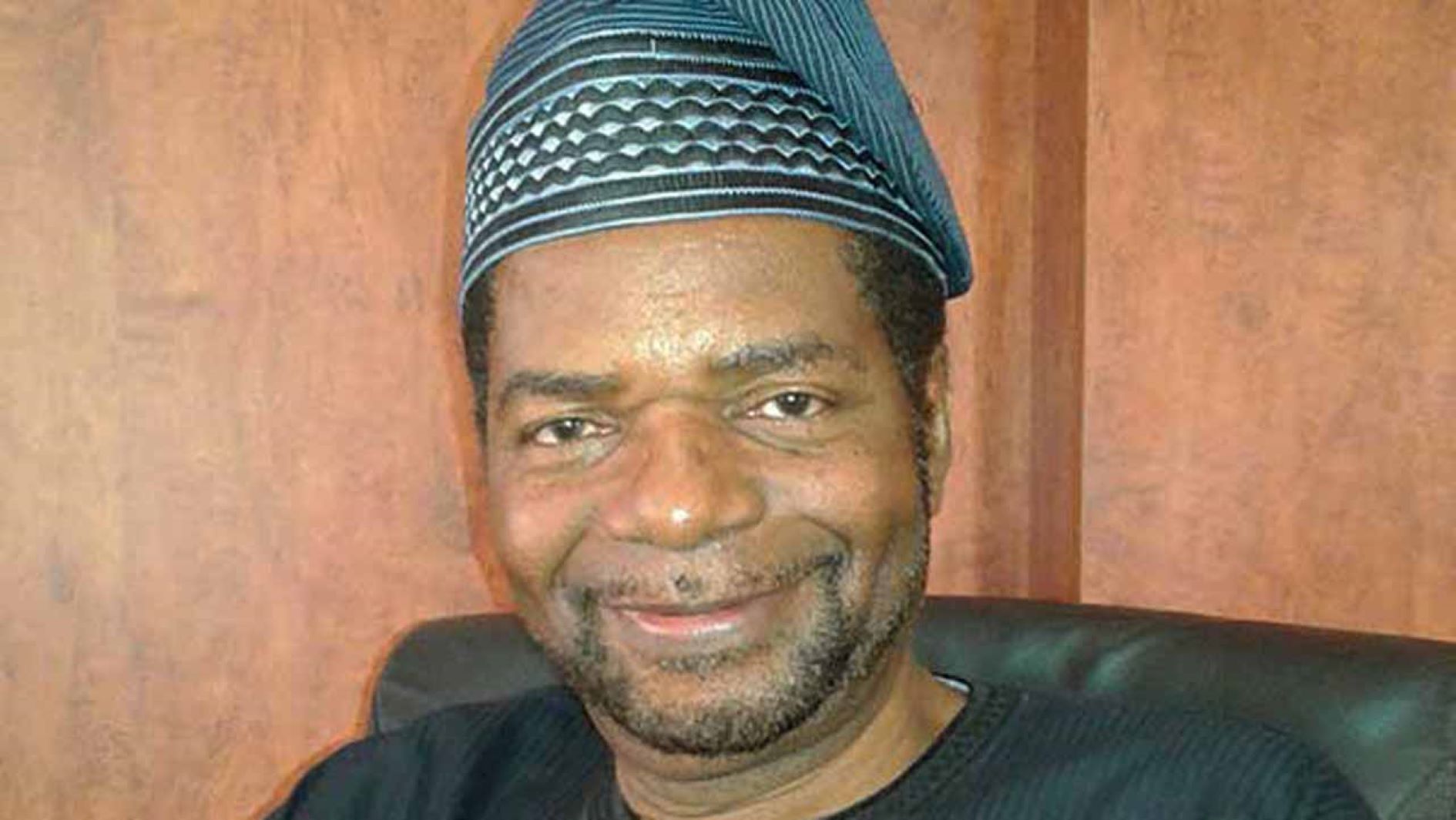
By Paul 𝚄𝚔𝚊𝚗𝚢𝚒
Dr. Goke Adegoroye’s recent intervention on the future of Nigeria’s civil service has reignited debate over the leadership of the federal bureaucracy. In an open letter to President Bola Ahmed Tinubu, the former Director-General of the Bureau of Public Service Reforms (BPSR) argued that the service has become weak and inefficient because of poor leadership and structural deficiencies.
He warned that without urgent reforms, the decline in public service delivery would continue, linking his concerns to the impending retirement of the Head of the Civil Service of the Federation (HCSF), Mrs. Didi Esther Walson-Jack, on August 27, 2026.
At the heart of Adegoroye’s argument is his long-standing opposition to the practice of appointing permanent secretaries from professional cadres as Head of Service. While acknowledging that the Constitution empowers the President to appoint any serving permanent secretary, he contends that career administrators are better suited for the office because of their grounding in administration and human resource management.
He further proposed the establishment of a Federal Public Service Council and the appointment of a Minister of Public Service, lamenting that earlier reform recommendations, including those contained in the National Strategy for Public Service Reforms, have yet to be implemented.
At first glance, these recommendations appear persuasive. They reflect the concerns of a respected public servant with decades of experience. However, they oversimplify the realities of today’s civil service and risk reopening an unnecessary divide between career administrators and professionals. The assumption that only career administrators possess the competence to lead the civil service is difficult to sustain. Experience over the past decade suggests otherwise.

Many of the most effective permanent secretaries have emerged from professional backgrounds, having excelled through the same merit-based selection process as their counterparts from administrative cadres. Their performance demonstrates that leadership is determined more by competence, vision and integrity than by professional origin.
Modern human resource management extends far beyond academic qualifications in public administration or business management. It increasingly demands emotional intelligence, strategic leadership, innovation and the ability to manage complex organisations in a rapidly changing environment. Professionals from engineering, medicine and other specialised disciplines have consistently brought the ethical standards and operational discipline of their respective fields into public administration. Engineers have applied structured project management principles to government programmes, while medical professionals have transferred the values of accountability, responsiveness and service into administrative leadership.
These contributions are neither theoretical nor anecdotal; they are reflected in the performance of many ministries, departments and agencies over the years. Equally important is the fact that the federal civil service has undergone far-reaching reforms that contradict the impression of a bureaucracy trapped in stagnation.The implementation of the Federal Civil Service Strategy and Implementation Plan (FCSSIP), covering 2017-2020 and 2021-2025, has introduced significant institutional changes. Performance Management Systems now align individual performance with government priorities and ministerial mandates, while the Enterprise Content Management System has substantially reduced paperwork, eliminated the perennial problem of missing files and improved service delivery through digitisation.
Similarly, the Integrated Personnel and Payroll Information System (IPPIS) human resource module has automated several HR processes, while the ongoing personnel audit and skills gap analysis, approved by the Federal Executive Council, is designed to reposition the service for emerging governance challenges. Beyond these reforms, the civil service has embraced digital transformation and artificial intelligence. AI-powered tools are already being deployed, and Nigeria’s collaboration with the civil services of the United Kingdom and Singapore has expanded knowledge exchange and institutional capacity. The country’s successful hosting of international civil service conferences and increasing interest from African countries seeking peer learning further underscore the progress that has been made.
Against this backdrop, it is reasonable to ask whether Adegoroye’s assessment adequately reflects the realities of today’s civil service. It is also worth recalling that he headed the Bureau of Public Service Reforms and occupied several strategic positions during his distinguished career. If the reforms he now advocates were considered essential, what concrete institutional changes did he implement to address these concerns while he was in office?
This is not to diminish his contributions or dismiss his concerns. Rather, it is to recognise that leadership challenges within the civil service have never been exclusive to officers from professional or administrative backgrounds. Cases of inefficiency, poor leadership and underperformance predate the emergence of professionals into the highest levels of the bureaucracy. Indeed, history has repeatedly shown that performance in public office is determined less by professional pedigree than by character, competence and commitment.
The same lesson is evident across government. Ministers and heads of agencies have succeeded, and failed, regardless of whether they were trained in the sectors they supervised. Administrative ability, leadership capacity and sound judgement often matter more than professional specialisation. Ultimately, the debate should not be framed as a contest between professionals and career administrators.
As Adegoroye himself rightly observed, integrity, transparency, merit, discipline and fairness in appointments, promotions and training remain the real foundations of an efficient civil service. Strengthening these values will do far more to transform the public service than restricting leadership positions to any particular cadre. The President’s constitutional discretion to appoint any qualified permanent secretary as Head of Service should therefore continue to be guided by demonstrated competence, proven leadership and the capacity to drive reform, not by the accident of professional background.
Nigeria’s civil service needs visionary leaders. Whether they began their careers as administrators, engineers, doctors or professionals in other fields should remain secondary to their ability to deliver results.
Ukanyi, a public affairs analyst, writes from Abuja.

