 Follow Us on Google News


 Follow Us on Google Discover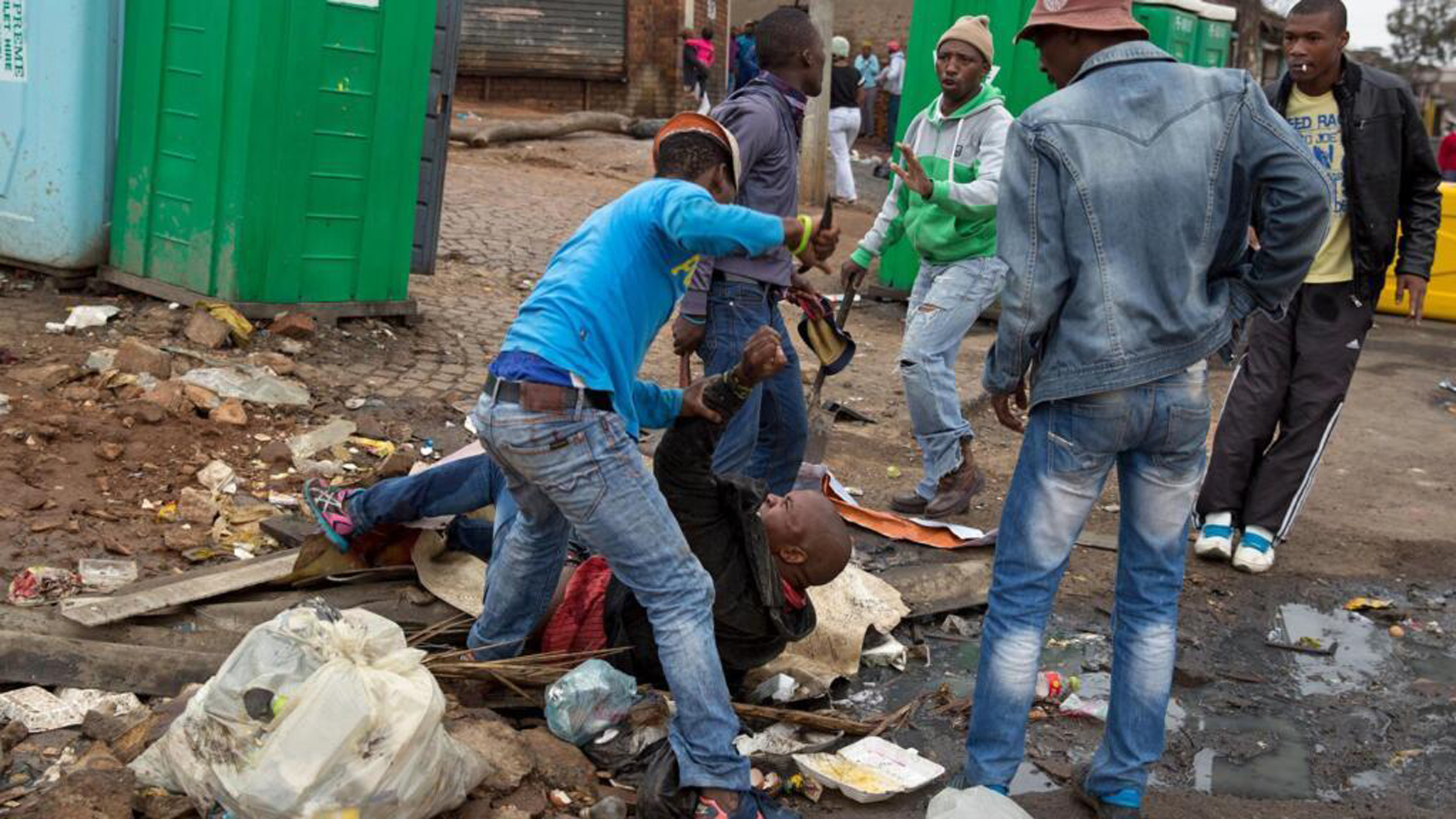
By Eliel Otote
Xenophobia remains one of the greatest threats to the dream of African unity. Beyond the tragic human cost of attacks on foreign nationals in South Africa, particularly Nigerians, it also inflicts a quieter but equally damaging wound on the continent’s creative life. It weakens the very spaces where Africans meet, imagine, collaborate, and tell their stories.
In film, music, theatre, literature, and the wider arts ecosystem, xenophobia does not merely offend dignity; it stifles creativity, interrupts collaboration, and shrinks the cultural possibilities of the continent.
The recurring hostility toward Nigerians and other Africans in South Africa contradicts the spirit of Pan-Africanism that inspired many liberation struggles. While criminality should always be addressed through lawful means, targeting innocent people because of nationality undermines justice, solidarity, and human dignity. It also sends a chilling message to artists, producers, curators, and cultural workers who depend on openness, mobility, and exchange to create meaningful work.
South Africans and Nigerians share a history rooted in a common struggle against oppression. During the dark years of apartheid, Nigeria stood firmly with the oppressed majority in South Africa. At a time when millions of black South Africans were denied their basic rights, Nigeria mobilised diplomatic, financial, and moral support for the anti-apartheid movement.
Successive Nigerian governments contributed generously to liberation efforts. The Nigerian people voluntarily donated money to support South Africans fighting against apartheid.

Nigerian universities offered scholarships to South African students in exile, while Nigerian diplomats championed sanctions against the apartheid regime in international forums. Nigeria consistently used its influence within the African community and beyond to isolate the racist government until democracy was finally achieved.
That history matters not only as political memory but as cultural inheritance. The arts have always carried the burden of memory, resistance, and reconciliation. Songs were sung against apartheid. Plays exposed injustice. Films documented struggle. Poetry preserved hope. Countless Nigerians considered the freedom of South Africa as an African cause rather than a South African issue. The sacrifices made were motivated by a belief that the liberation of one African nation represented the liberation of the entire continent. It is therefore painful when Nigerians, who once stood shoulder to shoulder with South Africans in their hour of need, become victims of hostility and violence.
However, history should not be invoked to promote resentment or division. Rather, it should serve as a reminder of the bonds that unite Africans. South Africa is a nation that emerged from the principles of reconciliation, forgiveness, and human dignity, exemplified by Nelson Mandela. (One can only imagine how Mandela is feeling in his grave right now).These same principles must guide its treatment of fellow Africans residing within its borders, especially in the creative sector where diversity is not a threat but a source of artistic strength.
Nigerians living in South Africa contribute significantly to commerce, education, healthcare, technology, entrepreneurship, and the arts. In film, they act, direct, produce, write, and distribute. In music, they collaborate across genres, bringing Afrobeats, gospel, jazz, hip-hop, and indigenous sounds into conversation with South African rhythms.
In theatre, they perform, stage, design, and interpret stories that deepen the continent’s cultural vocabulary. In literature and visual arts, they expand the imagination of what African identity can mean. Like people from many other countries, they seek opportunities, build businesses, create jobs, and enrich society through cultural exchange. They deserve the protection of the law and the respect accorded to all human beings.
Xenophobia, however, disrupts this exchange in ways that are often overlooked. A filmmaker may hesitate to shoot in a country where cast and crew fear harassment. A music collaboration may collapse because artists worry about safety, visas, or public backlash.
Theatre festivals lose their richness when performers from across the continent are unable or unwilling to travel. Producers become cautious, investors retreat, and cultural institutions begin to think in narrow, defensive terms rather than expansive, continental ones. The result is not only social division but artistic impoverishment.
The African creative economy thrives on movement. Stories travel. Sounds travel. Performances travel. Ideas travel. When xenophobia hardens borders in the minds of people, it also hardens the circulation of culture. It discourages co-productions between Nigerian and South African filmmakers. It weakens touring circuits for musicians and theatre companies. It reduces the chances of joint exhibitions, residencies, workshops, and festivals that allow artists to learn from one another. In the long run, xenophobia makes African art smaller, less daring, and less representative of the continent’s true diversity.
At the same time, Nigerians must continue to uphold the noble tradition that has earned Nigeria the reputation of being Africa’s “big brother.” Nigeria has historically played a leading role in promoting peace, stability, and development across the continent. Through the Economic Community of West African States Monitoring Group (ECOMOG), Nigeria committed substantial human and financial resources to peacekeeping missions in countries such as Liberia and Sierra Leone, helping to restore order and safeguard innocent lives. That same spirit of responsibility should extend to cultural diplomacy, where artists and institutions can help heal divisions that politics alone cannot resolve.
Nigeria’s leadership in peacekeeping, diplomacy, and humanitarian intervention demonstrates a longstanding commitment to the collective welfare of Africa. This legacy should not be abandoned because of present challenges. Nigerians must remain ambassadors of African unity, extending goodwill, cooperation, and brotherhood to all nations on the continent. In the arts, this means continuing to collaborate generously, to tell stories that humanize rather than divide, and to resist the temptation to answer prejudice with prejudice.
The future of Africa depends not on suspicion and hatred, but on collaboration and mutual respect. Xenophobia weakens African economies, destroys relationships, and undermines the vision of continental integration championed by the founding fathers of African independence. It also robs the arts of their most powerful gift: the ability to connect people across language, nationality, and history. A continent that cannot welcome its own artists cannot fully imagine its own future.
South Africans and Nigerians are not enemies; they are partners in a shared African destiny. The memories of apartheid, liberation struggles, and peacekeeping efforts should remind us that Africa’s greatest strength lies in unity. The same is true of its creative industries. Film becomes richer when stories cross borders. Music becomes more vibrant when rhythms meet. Theatre becomes more truthful when voices from different nations share the stage.
Instead of hostility, let there be dialogue. Instead of prejudice, let there be understanding. Instead of xenophobia, let there be solidarity.
Only by embracing our common humanity can Africans build the prosperous, peaceful, and united continent envisioned by generations of freedom fighters who sacrificed so much for the dignity and progress of all African people. And only by protecting the freedom of artists to move, collaborate, and create can we ensure that Africa’s cultural future is as bold, generous, and interconnected as its history deserves.
Read the remaining part of this article on www.guardian.ng
Otote is an actor, filmmaker and the author of the Nolly-pedia: “Pioneering Nollywood: The Trials and the Errors (an auto-ethnographic account).”

