 Follow Us on Google News
 Follow Us on Google Discover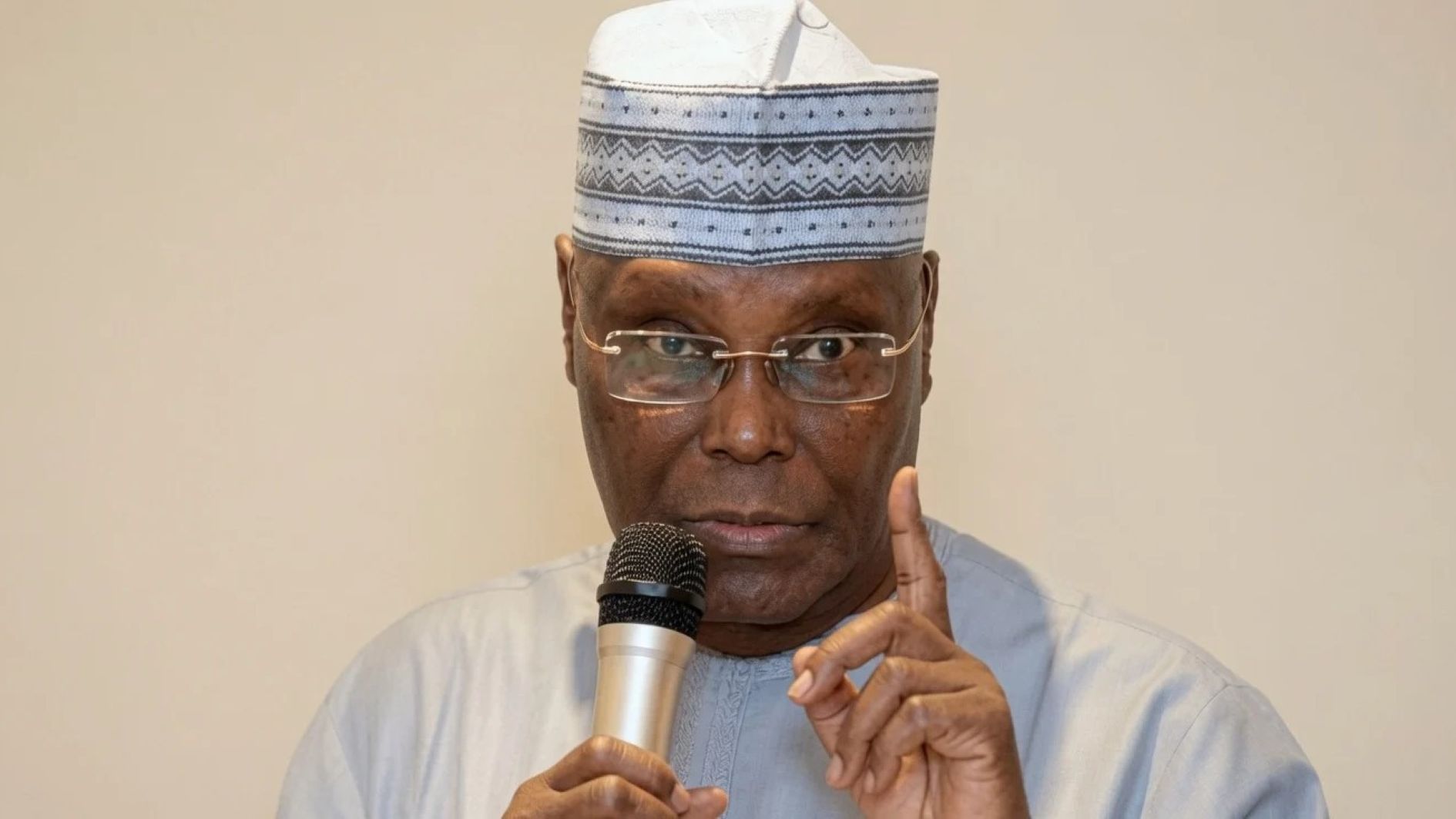
By Paul Ibe
Nigeria does not need a return to the corrupt subsidy regime of the past. It needs a production-based subsidy that puts Nigerian refineries, Nigerian jobs and Nigerian consumers first.
There comes a point in every government’s life when explanations cease to matter and results become the only language citizens are prepared to hear. For President Bola Ahmed Tinubu, that moment has arrived.
Three years after the dramatic declaration that “fuel subsidy is gone,” Nigerians are asking a brutally simple question: Are we better off today than we were more than three years ago? The answer is a no!
The government has bandied stats claiming that the economy is doing “well”. But there is another Nigeria — the Nigeria outside the conference rooms, financial markets and government statistics.
It is the Nigeria of the market woman whose transport fare has swallowed a large part of her profit. The Nigeria of the civil servant whose salary disappears within days. The Nigeria of the young graduate who cannot find work. The Nigeria of the small manufacturer whose diesel, petrol, electricity and financing costs have made production almost impossible. The Nigeria of parents who have reduced the quantity and quality of food on their children’s plates.
And it is the Nigeria of millions who have discovered that economic growth on paper, does not necessarily translate into food on the table. Reuters reported this month that the cost of living crisis remains acute despite investor optimism around the government’s reforms. It noted that petrol prices are roughly six times their level before subsidy removal and that the cost of preparing a basic jollof rice meal has more than doubled since Tinubu assumed office. That is the Nigeria Nigerians know.
Let us be clear: Nigeria’s old subsidy system was deeply flawed. It was expensive. It was vulnerable to corruption. It encouraged rent-seeking. It created opportunities for politically connected middlemen. But acknowledging the failures of the old system does not mean Nigerians were condemned to accept an equally damaging alternative.
President Tinubu has repeatedly defended subsidy removal as necessary to save Nigeria from bankruptcy. Indeed, in May 2026, the President said subsidy removal saved Nigeria from imminent bankruptcy and laid the foundation for economic recovery.
But if the reform saved government finances, why did it have to destroy so much household purchasing power and dragged millions into the poverty trap?
This is not an argument against fiscal discipline. It is an argument for better fiscal discipline. A government exists not merely to balance its books but to improve the welfare of its citizens. It is actually enshrined in the constitution: The primary responsibility of a government is to ensure the security, safety and welfare of its citizens.
And the evidence of the hardship is not merely opposition political rhetoric. The IMF reported in 2026 that Nigeria’s poverty had reached approximately 63 percent at the national poverty line and an estimated 27 million Nigerians faced food insecurity in late 2025. That is an extraordinary indictment of the gap between macroeconomic reform and human welfare.
Indeed, Tinubu’s reform forgot the average Nigerian. This is where his administration’s economic philosophy deserves serious scrutiny. The government essentially told Nigerians: “Endure today. Prosper tomorrow.”
But what happens when tomorrow keeps moving further away? What happens when inflation eats salaries faster than wages can rise? What happens when transportation costs push food prices beyond the reach of ordinary families? What happens when businesses that were barely surviving before the reform begin closing their doors? What happens when young Nigerians conclude that their country has no economic future for them?
A government cannot indefinitely ask citizens to sacrifice their present for an unspecified future.
There must be a dividend. There must be relief. There must be evidence that the pain is producing something tangible. And for millions of Nigerians, that evidence remains painfully elusive.
Atiku’s answer: Move the subsidy from consumption to production. It is important to understand that Atiku is not simply calling for a restoration of the old petrol-import subsidy system. That has gone with the wind. His proposal is to move government support: from importation to production; from middlemen to Nigerian refineries; from unverifiable claims to verifiable barrels.
Under Atiku’s proposal, government support would be capped, targeted at domestic refining and tied to verified production, with the objective of reducing energy costs while accelerating domestic refining.
That is a fundamentally different proposition. And it deserves to be judged on its economic merits. Why subsidise imports when Nigeria can subsidise production? This is the question Nigerians should be asking. Nigeria produces crude oil. Nigeria has enormous refining potential.
Nigeria now has the Dangote Refinery, a 650,000-barrel-per-day facility, alongside other emerging and existing refining capacity.
Imagine a system in which government says to a refinery: “We will provide a carefully capped production incentive, but only for verified Nigerian crude processed in Nigeria.”
No crude processed? No subsidy. No verifiable production? No subsidy. No measurable consumer benefit? No subsidy. False documentation? Criminal sanctions. Independent audit?Mandatory. Public disclosure? Non-negotiable.
For doubting Thomases, Atiku’s proposal should be understood as a carefully designed production incentive that helps Nigeria move from import dependence to domestic refining and eventually to a competitive petroleum market.
That is the difference between: subsidising consumption indefinitely and subsidising production to build capacity. The first can create dependency. The second can create industry.
Truth be told, Nigeria needs industrial policy, not economic punishment. The Tinubu administration’s defenders will argue that Nigerians had been living beyond the country’s means and that the subsidy had to go. Fair enough. But economic reform is not a religious doctrine. It is a tool. If a policy produces unacceptable consequences, governments modify it.
The objective should never be: “We removed the subsidy.” The objective should be: “We made energy affordable, built domestic refining capacity, created jobs, conserved foreign exchange and strengthened the Nigerian economy.” Those are very different objectives. And Nigerians deserve the second.
The government is now confronting the need to reform crude supply and pricing arrangements for domestic refiners. Reuters reported that Nigeria was considering reforms to crude allocation and pricing to improve feedstock access for domestic refineries, including the Dangote Refinery. Proposed measures include allowing producers to deliver crude directly to nearby refineries and discounts that reflect reduced transportation and handling costs.
The debate is about how government policy can make domestic refining economically viable and ensure Nigerians benefit from it. And Atiku’s proposal speaks directly to that question. The debate is no longer whether the reforms have produced some macroeconomic gains.
The debate is whether ordinary Nigerians are receiving a fair share of those gains. Nigeria deserves reform. But Nigerians deserve to benefit from the reform.
Ibe, a media aide to Atiku Abubakar, wrote from Abuja.

