Leveraging technology and an agile innovation process
The future generation must work with technology and innovation. This is where the power of innovation becomes non-negotiable. Victor and Thompson (1989) define innovation as the generation, acceptance, and implementation of new ideas and processes. In our context, this means fully embracing technology-driven solutions.
We must leverage drones and artificial intelligence for surveillance, biometric identification for border security, and data analytics to predict crime patterns. But technology alone is not a silver bullet. It must be part of a disciplined, cyclic innovation management process—from ideation and identification to prototyping, implementation, and evaluation—that becomes routine within our security organisations.
Structural and human capital reforms for effectiveness
In a nation, its structural and human capital must be dynamic. Therefore, for innovation to thrive, we must look beyond technology to our structures and our people. A rigid, centralised bureaucracy, as outlined in the 1999 Constitution, which places security exclusively in the hands of the federal government, severely curtails the flexible and creative processes vital for security administration. We must, therefore, seriously consider amending this framework to incorporate sub-national units, fostering a more responsive and adaptable security infrastructure.
Concurrently, we must invest in our most valuable asset: our human capital. The principle of “Getting the right people and getting the people right” is paramount. This involves not only planned recruitment but also consistent policies in training, education, and development. As Akinade (2012) astutely observes, we must distinguish between efficiency and effectiveness. A security department may be efficient in its use of resources but utterly ineffective in achieving its goal of public safety. The greatest improvement in security will come from attracting the best talent, educating it to its full capacity, and empowering it to lead.
A collaborative model: The stakeholders approach
Formalising a tripartite stakeholders partnership
Formalising a tripartite stakeholders partnership is a security strategy that enhances cooperation and coordination. This leads me to propose a strategic model for security management, one grounded in stakeholder theory as advanced by Freeman (1984). In this model, the three core stakeholders with both a legitimate and intrinsic interest in security are: the government, the security agencies, and the general public.
Currently, the relationship between these groups is unbalanced, with the public often relegated to a passive role. We must formalise this partnership.
Imagine a system where the public is actively involved in security assessment, reporting weaknesses and suspicious activities; in security control, working alongside agencies in a structured manner; and in security communication, participating in a two-way flow of information that builds trust and manages risk perception.
This creates a synergistic ecosystem where vigilance is a shared civic duty. What is obtainable now is that few volunteers and even at that, they face challenges from both the security operatives and the criminal bandits and terrorist.
Addressing intelligence gaps through citizen identification
The failure to fully embrace a collaborative intelligence-led approach to insecurity has tangible consequences. Our counter-terrorism efforts, for instance, have at times been hampered by an over-reliance on military force, which overlooks the underlying socio-economic drivers of extremism.
A critical puzzle remains our inability to ensure comprehensive citizen identification and registration in volatile regions. Without robust data, intelligence gaps widen, resource allocation is misguided, and community trust erodes. We must prioritise this, using mobile registration units and local partnerships to ensure every Nigerian is accounted for, not for political expediency, but for the security of all.
The bedrock of security: Visionary and accountable leadership
The indispensable role of strategic leadership Underpinning all these strategies is the irreplaceable element of leadership. The leadership crisis is a fundamental obstacle to our progress. As I reflected in my book, Thoughts and Principles on the Journey to Generalship (2022), a well-developed strategy is essential, but it is nothing without leaders who can execute it.
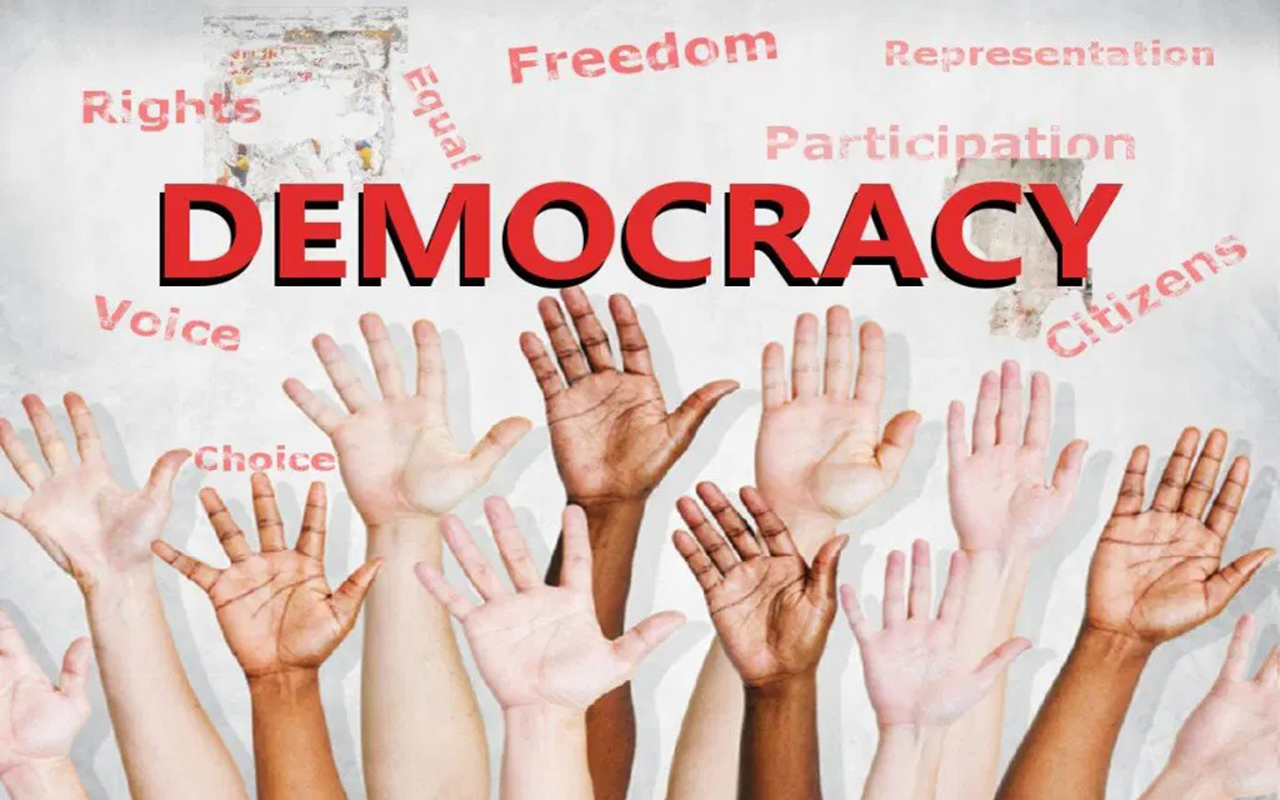
Democratic and innovative leadership is essential to foster a culture of integrity and change management. Leaders at all levels must promote transparency and accountability, encourage citizen participation, and be visionary enough to anticipate future challenges.
Peter Northouse (2010) defines leadership as “a process whereby an individualinfluences a group of individuals to achieve a common goal.” Today, that common goal is nothing less than the survival and prosperity of Nigeria.
Conclusion
Distinguished guest ladies and gentlemen. In conclusion, the task before us is monumental but not insurmountable. Expanding the frontier of innovation for security enhancement is critical for nation-building in Nigeria. It requires a productive approach that emphasises leadership, strategy, and collaboration.
As Best Agbese noted in The Great Exploits of Buratai (2021), synergy is the best antidote to terrorism and criminality. Let us, therefore, embark on this path with determination. Let us secure our borders, our communities, and the minds of our youth. Let us build a Nigeria where safety and prosperity are the birth right of every citizen.
Recommendations
I will state that our challenges are monumental but achievable. Therefore, let me recommend a call to action, grounded in concrete policy recommendations:
Constitutional and institutional reform: The National Assembly must consider amendments to the 1999 Constitution to decentralise security management, empowering states and local governments. We must also establish specialist, merit-based counter-intelligence departments.
Strategic and technological initiatives: We propose the establishment of a National Security Innovation Hub to serve as a central platform for research and development in security-related technologies.
Community and human capital development: We must strengthen community-based security initiatives and invest relentlessly in the continuous training and education of our security personnel.
Socio-economic integration: Finally, we must address the root causes of insecurity through targeted programs that combat poverty, unemployment, and radicalisation.
Lieutenant General Tukur Yusufu Buratai (RTD), former Chief of Army Staff, delivered this as a keynote address at the 18th International Security Conference with the theme: Expanding frontiers of innovation and security enhancement for nation-building in Nigeria, recently at the University of Lagos.