 Follow Us on Google News


 Follow Us on Google Discover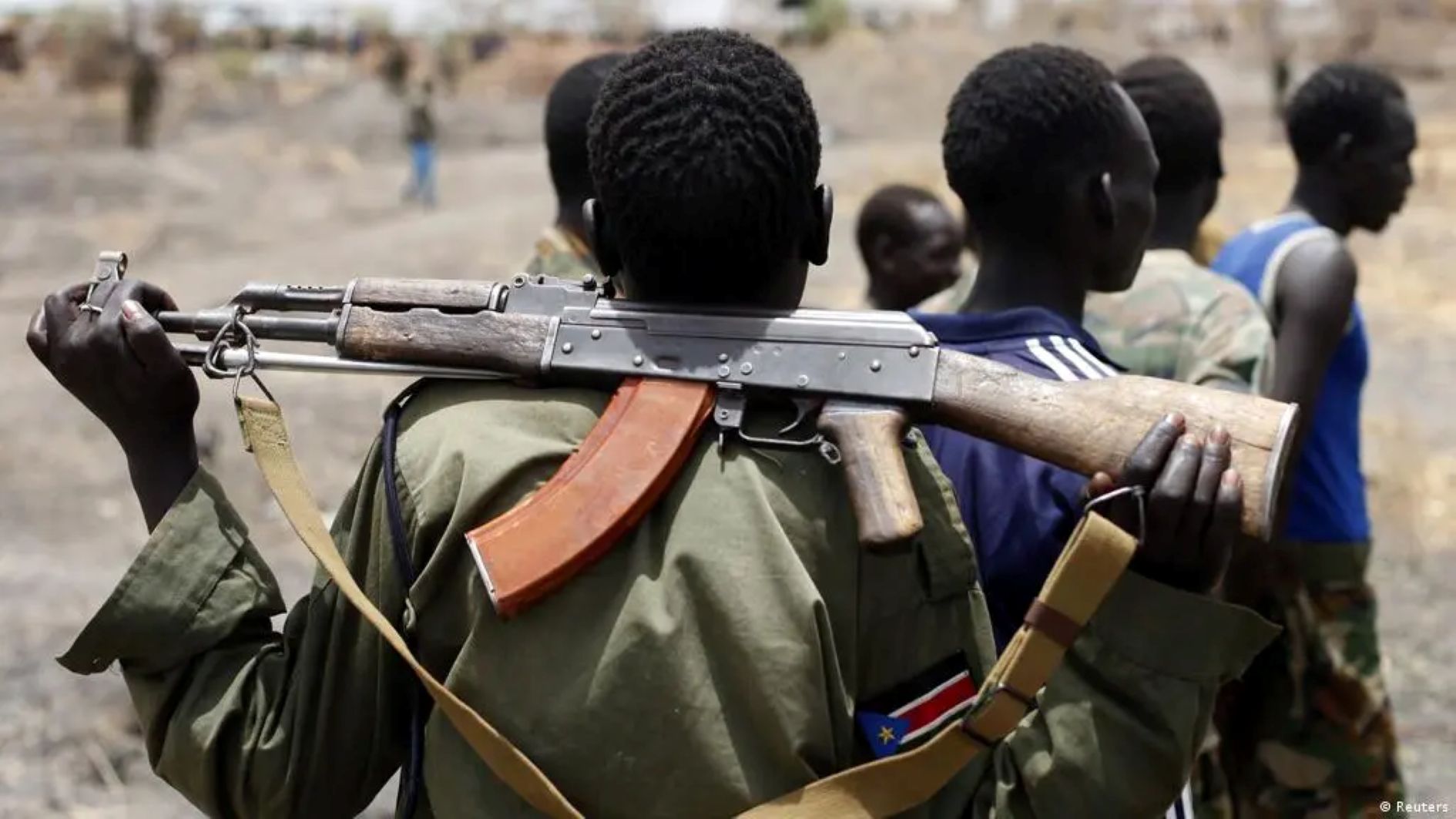
By Tony Afejuku
Let me state urgently that the glitterer wanted to display here some poems on bandits or on banditry to continue or to drive home some salient points raised in the last two discourses. The intention was to make our audience to see and understand and appreciate the current discourse as the final serial, the final installment, of the trilogy about the pains, about the lamentations, in the land.
I was setting out to present poems penned by the glitterer and one or two other bards to exemplify “Nigerian bandit literature”, which was the second installment of the would-be trilogy. But the glitterer changed his mind, sort of, at the point of execution. He is yielding the task to another time, another distant time.
However, he wants to link the previous two discourses to the current one – or better, he wants to link this discourse to the past ones – by way of sharing here and now the thoughts of two readers on what had gone before. Before this is done he wishes to offer briefly some remarks pertaining to the “Language of bandits”, the language of Nigerian bandits, that is.
From the various reports in our newspapers and other media – reports written and debated by a very long and varied roster of contributors and discussants – the glitterer could discern that the language of bandits follows the same pattern. In other words, through endless media debates, the glitterer discerned a clear truth: the language of bandits always follows the same basic pattern. There is a sort of sameness of sound in their demands. Each demand of a bandit or of bandits in different locations in the country many times have tendencies to make one bandit or a band of bandits sound a bit like another.
As a matter of fact, bands of bandits in their marvellous seclusion in their marvellous fortress in their marvellous forests where they deliver lamentations to us, their grammatical exactitude and stylish communication in whatever language they throw at us, have commas which pierce the pains and hearts of their captured victims, and of those of their relatives, friends, church and mosque members, and all of us – with the precision of knives that are more than knives and bullets that are more than bullets. Every demand they utter bleeds with a visible peril and an unseen trap. When they speak, they do so with a brutal, unforgiving malice. As far as the bandits are concerned, banditry or kidnapping or terrorism is a wholly legitimate form of activity that now has the durability of contrived business.

Their business is to make crooked straight places; and “break in pieces the gates of brass and cut in sunder the bars of iron”. Our presidency and sly security personnel who know far more than lay fellows like us, and are fully aware of their ingredients of crookedness, including their style of communication, have never ever diligently challenged them. They are the real personages of our lamentations today. They also partly constitute characters and deans in the colleges of Nigerian bandit literature. Their virtuosity in the art of the lamentations they cause us by not caging the bandits as they should is unchallenged and will remain unchallenged until their bile of virtuosity is broken. So let us break their bile of virtuosity with a vow – even though the glitterer realises that to defy them is to trigger a terrifying, explosive rage.
Now let the glitterer bring to the fore patriotic words of wisdom from highly accomplished masters of literature and experienced readers.
Professors Emeritus Olu Obafemi:
“The articulate media intellectual and notable glitterer…. This is a fitting and apt subject as you have boldly and coherently marshalled to our satisfaction. In sync, the Third Biennial Conference of our Academy, the Nigerian Academy of Letters, in which we are both Fellows confronted the security menace ravaging our nation with ample recommendations centralising the humanities in the eventual resolution.
The need to humanise our nation, by giving the humanists a firm place along the sciences in a digital age, came to the fore. Promotion of human values, fellow feeling and so on, rather than merely robotizing our society via AI was put on the platform. Your lamentation and call for action is timely”.
Professor Owojecho Omoha:
Search for a theory of lamentations in Nigerian no more. Take this bag, from Theory Empire. In it, is Capture Theory. I invented the attention-driven theory in literature, using cognitive approach in 2019, knowing full well that poets like you are always searching for literary theories to anchor their imaginations.
Imagine, Afejuku! You wittingly caught my attention, the attention of Nigerians, and of the world, using your column to ask for the whereabouts of the 29 Nigerian pupils, their captive headmistress, and the remains of the beheaded teacher in Ibadan. That is how attention capture embedded in Capture Theory works. Indeed, they think that you have forgotten, and that we have forgotten, the way the Chibok Girls are now forgotten.
With wits, further draw our attention to the Chibok Girls, and to those that are currently held captive at Old Oyo Stadium, mocking the whole nation and the world, for daily eating, drinking, sleeping, and waking, with the pains of terrorism. If nothing else, Afejuku, you have drawn our attention to our attention and have captured the complacency in our system, saying the Old Oyo Stadium is in Ibadan, and that, if birth is truly death, we are yet to see the death of terrorism in Nigeria. To put it bluntly, terrorism started somewhere in Nigeria, and, it must end, somewhere, in Nigeria.
“Spare less play with your imagination, using Capture Theory’s cognitive approach to draw further attention in the series of lamentations, our lamentations, in your column. Even as their ears hear, no more, while they celebrate on the streets, your essay will always remind them in their sleeps, that terrorism, forever, is their biggest achievement in Nigeria.
“As for Bandit literature, let me exclaim thus: ‘Bandit literature! Nigerian bandit literature! Your original essay, Tony Afejuku, has creatively and critically baptised it.” The great analyst and master stakeholder in our nation, whatever you write is law in literature.’”
How should the glitterer end this? Simple: the language of bandits is the language of animals, of insane feeling-less animals. We must have the guts to compose them and their insane command out of our existence. If we don’t our country will fall, and no longer stand.
Afejuku can be reached via: 08055213059.

