 Follow Us on Google News
 Follow Us on Google Discover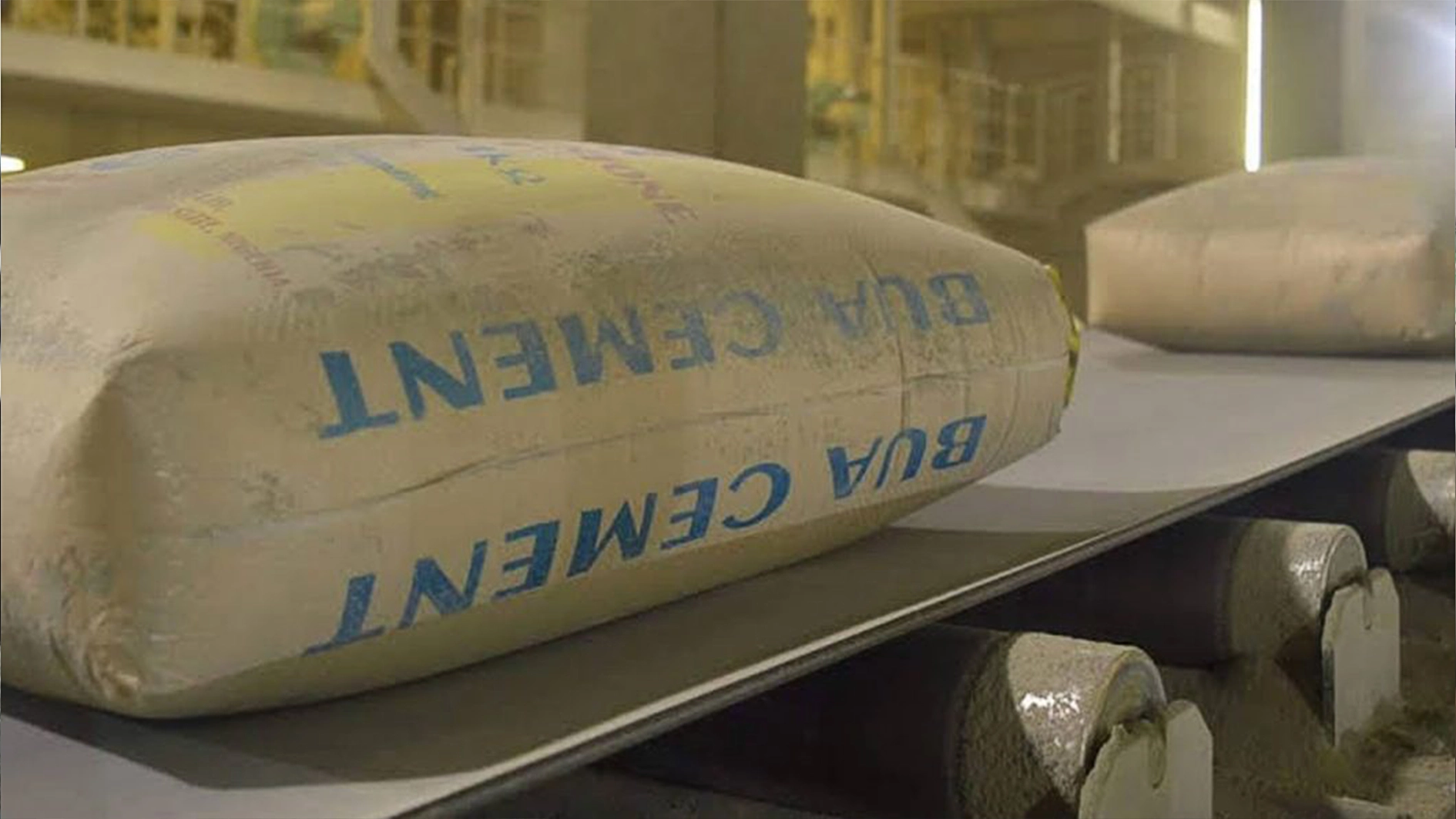
By Oluwole Osagie – Jacobs
Any sensitive and informed mind will allude to it that Nigeria is currently experiencing a cement crisis. The problem is not about availability as cement is everywhere in good quantity. For good measure, God endowed Nigeria with limestone, clay, bauxite and gypsum which are the core materials for cement manufacture. Our current experience with cement is a doppelganger, a twin evil, with our current experience with the price of petroleum products.
Out of the 193 sovereign countries of the United Nations, Nigeria is number 11th and 9th in crude oil and gas endowments respectively. It is pertinent to ask why citizens of a country well endowed with crude oil and cement are battling with prohibitive prices of these commodities? It was for the reason of a similar circumstance that Apostle Paul wrote his letter to the Ephesians – a group of believers who are rich beyond measure but living as beggars.
Most Nigerians are now hedged from accessing cement due to its high price. It is, therefore, a paradox that with the high price of cement in the market Nigerian cement companies are making fantastic profits.
The reason for this is simple. The cement companies in Nigeria operate under a market structure called Oligopoly. Here, a small number of large firms dominate the entire industry. This is possible because of high start-up costs and expensive technology.
In Nigeria, the dominant cement companies are; Dangote, BUA and Mangal. There is a good demand for cement in spite of high price because of these reasons: Under Oligopoly, cement is an essential good with inelastic demand. This means the amount of the product people buy change very little when the price goes up or down. It is like the demand for table salt; Cement has no substitute in modern construction; Government infrastructure projects and Real Estate Developers keep purchase orders active at high costs.

In an Oligopoly market one dominant company sets the price and others follow. With collusion and price fixing price will remain rigid. These cement companies have been luxuriating in a good market and cared less if we perish.
This scenario has been sustained for about ten years because cement production in Nigeria is an unregulated terrain. The three cement companies in Nigeria have a combined production capacity of about 65 million metric tons. This is compared to Egypt with nineteen cement companies with a combined production capacity of about 80 million metric tons.
Dangote Cement Company with plants in Obajana, Ibese and Gboko has over 50 per cent share of the Nigerian market. In the financial year 2025, Dangote Cement Company posted a revenue of N4.31 trillion (With approximately N3 trillion from Nigerian operations) and net profit of N1 trillion. Net profit doubled with a dividend payout of N45 per share.
Net Profit is what is left after paying all expenses, taxes and bills. Posting a quarter of revenue as net profit is a very rare occurrence in great economies. In the same year under review, BUA Cement Company earned a revenue of N1.18 trillion and a net profit of N356 billion. This gives about 33 per cent of revenue.
This is incredible! Mangal Cement Company operates as a private company and for this reason is not required by law to file or share its income statements.
When Nigeria attempted opening its borders to bring in cement from Egypt there was an outcry by local manufacturers. They canvassed the need to protect home industries. They overlook the fact that Nigerians are enduring a housing deficit currently estimated at 25 million units.
This is due partly to increase in population, urbanisation, inflation, cost of land, cost of building materials and poor mortgage plan. Not up to ten percent of civil servants can build a three bedroom bungalow from their legitimate earnings at this time. The problem is compounded by gentrification – a process in which a poor area experiences the influx of middle class or wealthy people who renovate and rebuild homes. Here, the poorer residents are displaced. This aggravates the mushrooming of squatter settlements common in Nigerian cities.
A home is a fundamental need and a secure place for rest. A situation where senior civil servants cannot build a house from their salary after 35 years in service and without access to mortgage is a serious matter. The seriousness of the housing deficit is underscored by the advice of the Lagos State Deputy Governor to young workers to consider living with their parents or relatives until such a time they can afford house rent.
It is imperative that Nigerians are rescued from cement captivity. We should not be choked to death in the name of protecting local production. In advanced countries antitrust laws are enacted to promote fair market competition and banning unfair business practices. It outlaws price – fixing and cartels.
The government should audit profit margins of dominant producers and provide cheap credit to new entrants into the market. If all these fail the government should open borders for foreign imports preferably from Egypt.
Osagie-Jacobs is an economist and chartered accountant.He can be reached via :[email protected]

