 Follow Us on Google News
 Follow Us on Google Discover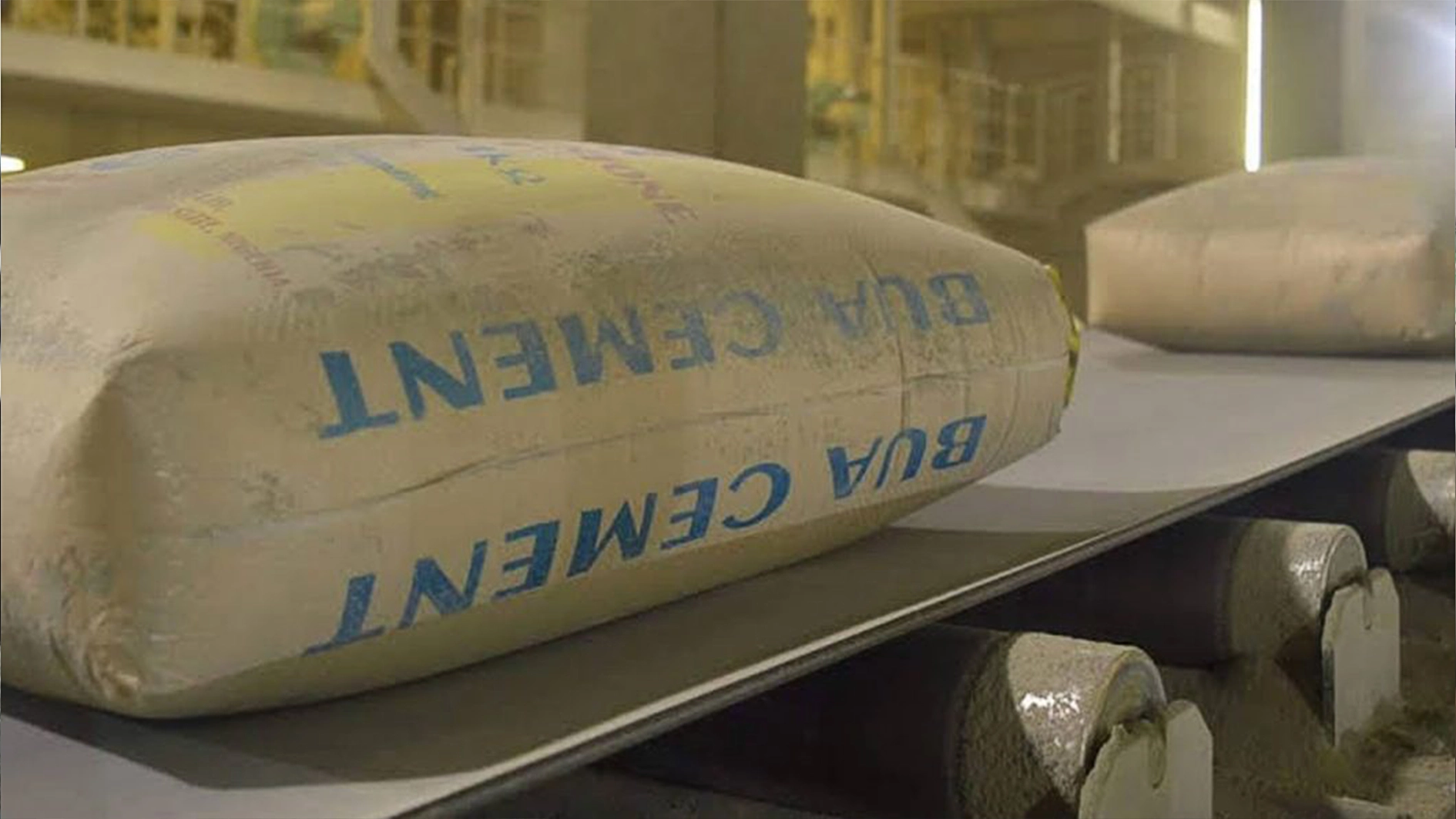
But despite prices that have galloped far beyond the reach of ordinary citizens, Nigeria’s cement industry should ordinarily be a shining example of industrial success. With an installed production capacity exceeding 60 million metric tonnes yearly, one of the largest in Africa, and plans to expand to about 85 million tonnes in the next few years, the country should be enjoying the benefits of abundant local supply through affordable prices.
Instead, Nigerians are paying between N12,500 and N15,000 for a 50-kilogramme bag of cement, almost double the prevailing prices in many African countries with smaller production capacities and, in some cases, greater dependence on imports.
This contradiction exposes a deeper structural problem in the nation’s industrial and economic policy. It raises legitimate questions about whether the gains of local manufacturing are reaching consumers or are being concentrated in the hands of a few dominant market players. It also challenges the effectiveness of government policies aimed at promoting local production as a pathway to lower prices, job creation and improved living standards.
The irony is difficult to ignore. Nigeria currently produces far more cement than it consumes. Domestic demand is estimated at between 25 and 30 million metric tonnes yearly, leaving a substantial surplus for export. The industry is dominated by three major manufacturers, Dangote Cement, BUA Cement and Lafarge Africa (now HBM Nigeria Plc), whose combined production capacity comfortably exceeds local demand. Yet the average Nigerian builder, contractor and prospective homeowner continue to grapple with some of the highest cement prices on the continent.
Comparative figures paint an even more disturbing picture. In South Africa, a 50kg bag sells for the equivalent of between N6, 000 and N7,000. In Egypt, another major cement-producing nation with surplus capacity, prices are estimated at N4,000 to N5,000 per bag. Kenya and Ghana also record significantly lower prices than Nigeria. The expectation that local production naturally translates into lower domestic prices has clearly not materialised.
To be fair, cement manufacturers have presented convincing arguments for the high prices. Cement production is energy-intensive, relying heavily on gas, coal, diesel and alternative fuels. Since fuel subsidies were removed, energy costs have risen substantially. The depreciation of the naira has also driven up the cost of imported machinery, spare parts, packaging materials and industrial inputs. Poor transport infrastructure, expensive diesel-powered haulage, rising financing costs, inflation and security challenges have all combined to increase operating expenses.
These are genuine concerns that no responsible observer should dismiss. Nigeria remains an expensive place to manufacture almost any product. Industries continue to bear costs that governments elsewhere absorb through efficient infrastructure, stable electricity, competitive financing and predictable macroeconomic policies.
However, these explanations cannot entirely account for the extraordinary gap between Nigerian prices and those in comparable African markets. They also cannot be divorced from the reality that the three dominant producers generated more than N6.5 trillion in revenue in 2025 and recorded combined after-tax profits of about N1.65 trillion, a remarkable 142 per cent increase over the previous year. While profitability is a legitimate reward for investment and innovation, such exceptional returns, amid worsening affordability for consumers, inevitably raise questions about market structure, pricing dynamics and competition.
The implications extend beyond the cement industry. Cement is not an ordinary commodity; it is a strategic national product that underpins housing, roads, bridges, schools, hospitals and virtually every major infrastructure project. Nigeria’s housing deficit, estimated at over 16 million units, cannot be addressed if one of the most essential construction materials remains beyond the reach of millions of citizens.
The consequences are visible everywhere. Developers are scaling back projects because construction costs have become prohibitive. Many families have abandoned plans to build homes or have resorted to completing projects in stages over several years. Contractors handling public infrastructure are requesting repeated contract reviews because of escalating material costs, thereby placing additional pressure on already stretched public finances.
It is therefore understandable that the Minister of Works, David Umahi, has called for formal engagement with cement manufacturers to explore ways of reducing prices. The Federal Government cannot continue to revise project costs indefinitely because the price of a locally produced commodity remains persistently high. Lower cement prices would significantly reduce the cost of public infrastructure while improving access to affordable housing.
Nevertheless, government intervention must go beyond negotiations and moral persuasion. The time has come for a comprehensive review of the cement industry’s competitive landscape. The Federal Competition and Consumer Protection Commission should undertake periodic assessments of pricing behaviour, distribution practices and possible anti-competitive conduct. While no evidence of price-fixing has been established, transparency is essential in a market dominated by a few powerful players.
Competition must also be strengthened. New investors seeking to establish cement plants should receive appropriate policy support, particularly in regions currently underserved by existing manufacturers. Access to limestone deposits, financing and industrial infrastructure should not become barriers that entrench existing market dominance. Policies such as the proposed “use-it-or-lose-it” approach to quarry licences deserve careful consideration if they can encourage broader participation in the industry.
Government must equally address the structural costs confronting manufacturers. Reliable electricity, improved gas supply, expanded rail infrastructure linking major cement plants to consumption centres and targeted fiscal incentives for industrial equipment would reduce production costs significantly. These savings should, however, translate into measurable benefits for consumers rather than simply boosting corporate profitability.
The distribution network also requires urgent reform. Multiple layers of intermediaries often inflate retail prices far beyond ex-factory costs. Greater transparency in pricing, mandatory publication of regional ex-factory prices and wider participation by independent distributors could help curb excessive mark-ups and improve consumer confidence.
Ultimately, Nigeria must determine whether its industrial policy exists primarily to create profitable corporations or to improve national welfare. Industrial success should not be measured solely by production volumes, export earnings or corporate profits. It should also be reflected in the affordability of essential goods, the competitiveness of the domestic economy and the quality of life of ordinary citizens.
Nigeria’s cement industry has undoubtedly demonstrated impressive investment capacity and manufacturing capability. It now needs to demonstrate equal commitment to serving the domestic market that has enabled its growth. The Federal Government, regulators and industry operators must work together to ensure that abundant local production translates into affordable prices.
A nation that produces more cement than it consumes should not be paying some of Africa’s highest prices for one of its most basic construction materials. Until that contradiction is resolved, the dream of affordable housing, accelerated infrastructure development and inclusive economic growth will remain unnecessarily elusive.

