The removal of fuel subsidies in 2023 was a watershed moment for Nigeria’s economy. For decades, subsidies had acted as both a political tool and an economic cushion, keeping fuel prices artificially low while consuming billions of dollars in government revenue. Their elimination, hailed by reformists as a bold step toward fiscal responsibility, came with painful consequences. Transport and energy costs soared, households saw disposable income shrink, and businesses struggled to keep operating margins intact. The ripple effects spread rapidly to the banking sector, where loan repayment pressures mounted and non-performing loans began to climb.
What unfolded was more than a financial adjustment; it was a test of resilience. Banks that had long relied on traditional models of credit risk management suddenly found themselves exposed. Yet, as daunting as the challenges were, the crisis also became an opportunity for adaptation. Those institutions willing to embrace innovation, diversify their portfolios, and rethink their approach to credit not only survived but in some cases strengthened their market positions.
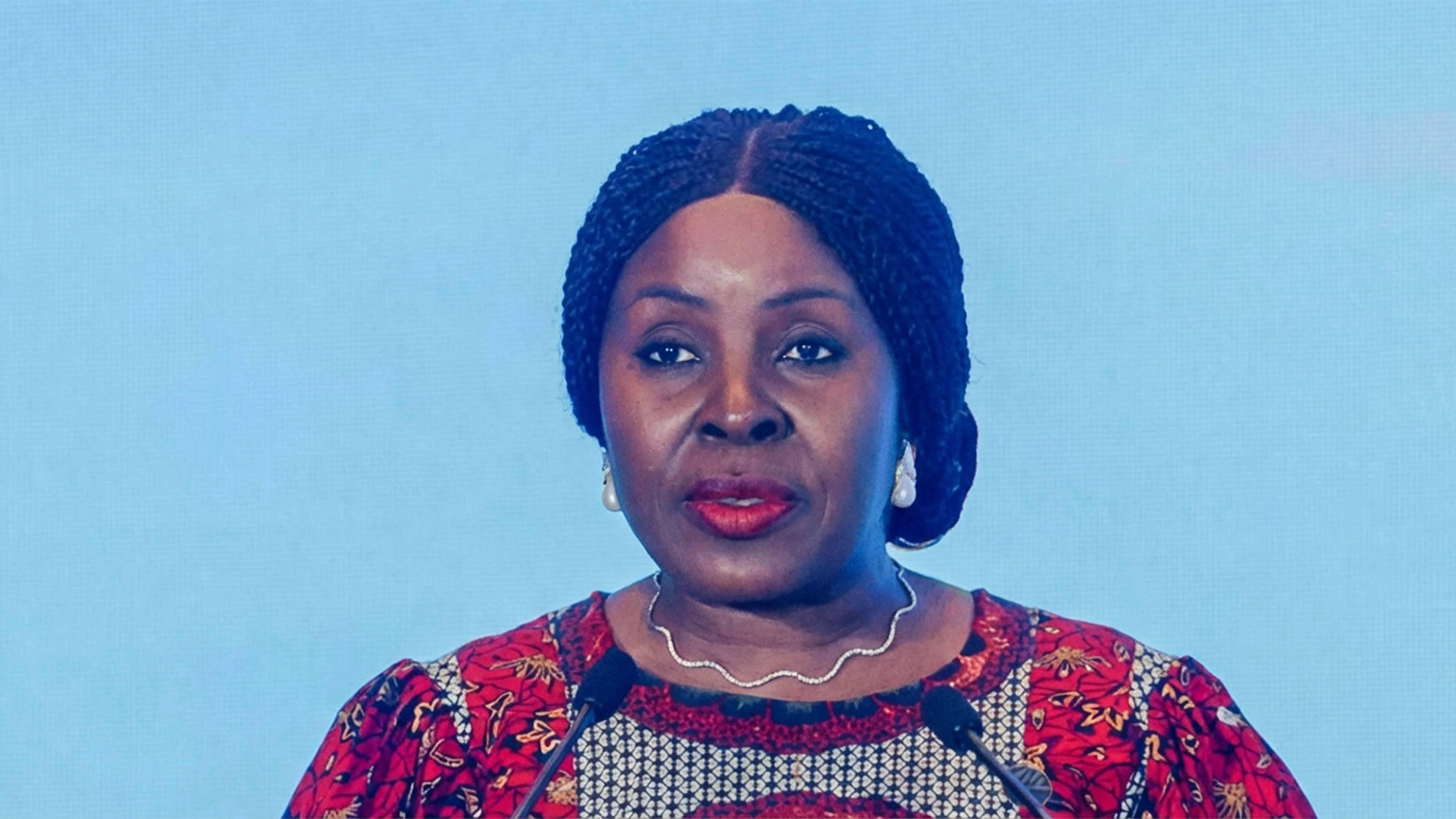
In an exclusive interview, credit risk expert Mobolaji Olalekan Komolafe reflected on the first year after subsidy removal and offered a nuanced analysis of what it has meant for Nigeria’s financial system. With more than two decades of experience, Komolafe has built a reputation for steering banks through turbulent periods, particularly in SME financing and portfolio risk management. His insights, delivered with both candor and precision, reveal not only what went wrong but also what must be done to protect the future.
“SMEs were the first to feel the impact,” he explained. “Transport costs rose sharply, and energy bills consumed far more of their revenue. Margins collapsed, and many struggled to meet repayment schedules. Banks were confronted with rising defaults and, at the same time, increasing requests for restructuring. The easy option would have been to pull back, but that would have triggered broader economic collapse. Supporting SMEs was not just a business decision—it was a national necessity.”
His framing underscores a critical truth: SMEs are not a marginal sector but the backbone of Nigeria’s economy. Accounting for more than 40 percent of GDP and employing millions across trade, manufacturing, and services, SMEs represent both the greatest vulnerability and the greatest opportunity in times of shock. For Komolafe, the survival of this sector is synonymous with the survival of the banking industry itself.
He was particularly critical of the historic over-reliance on collateral in lending practices. “Collateral loses value if a business collapses,” he argued. “The true safeguard is to design credit around actual cash flows—aligning repayment terms with revenue cycles and embedding covenant-driven buffers. When we implemented such models, SMEs survived shocks, and default rates dropped. After subsidy removal, this approach became essential, not optional.”
Komolafe pointed to real examples from his career, where sector-specific credit terms helped SMEs remain afloat even when costs spiked. In one case, repayment schedules were restructured to mirror seasonal cash flow patterns, reducing pressure on borrowers during lean periods. Such pragmatic measures not only stabilised SMEs but also preserved the banks’ loan books. “We learned that flexibility creates resilience,” he said.
Diversification, he added, was another indispensable tool. Banks heavily concentrated in transport, manufacturing, or fuel-related sectors were hit hardest by the subsidy shock. By contrast, those with exposure spread across agriculture, technology, healthcare, and consumer services absorbed the turbulence more effectively. “Diversification insulated many institutions from systemic shocks,” he explained. “By spreading risks across different sectors, downturns in one area did not sink the entire portfolio. That lesson has only grown more important since 2023.”
Yet frameworks alone are not enough. Komolafe stressed the value of internal rating systems that function like early warning radars. “Embedding Moody’s style internal ratings allowed us to anticipate distress before defaults occurred,” he said. “We could step in early, restructure terms, and protect both the client and the bank. Without such proactive measures, losses would have been far worse.” This approach, he argued, shifted risk management from being reactive to anticipatory, and in doing so, gave institutions a competitive edge during the subsidy shock.
Throughout the interview, Komolafe returned repeatedly to the human element of resilience. Models and systems, no matter how sophisticated, are only as effective as the people who operate them. “Analysts must be trained to understand SME behavior in volatile environments,” he stressed. “Mentorship is vital. In moments of crisis, leadership provides the anchor that keeps institutions steady. I have seen well-prepared analysts anticipate risks others overlooked, and those insights often made the difference between recovery and collapse.” His own record of mentoring younger professionals, shaping agile teams, and promoting forward thinking was evidence of his conviction that human capital is the most enduring hedge against volatility.
The profitability dilemma also emerged as a central theme. Faced with rising risks, many banks considered pulling back from SME financing or hiking lending rates to offset potential defaults. Komolafe was firm in his opposition to this reflex. “Retreating would have been catastrophic,” he cautioned. “The collapse of SMEs would not only damage the economy but would also circle back to harm the banks themselves. The smarter path was to accept thinner margins in exchange for long-term stability. Supporting SMEs was not benevolence—it was survival.”
His assessment has been borne out by results. Institutions that embraced cash flow-based lending, diversified their portfolios, strengthened internal rating systems, and invested in training have weathered the turbulence more effectively. They sustained their SME clients, contained defaults, and even built investor confidence by demonstrating resilience. Those that clung to rigid collateral models or scaled back SME lending saw deeper loan losses and reputational damage.
The implications extend beyond balance sheets. International investors and rating agencies closely monitored the post-subsidy transition, evaluating Nigerian banks not only on profitability but on their adaptability. Institutions that demonstrated innovation were able to retain credibility and attract capital even in a challenging macroeconomic environment. For Komolafe, this confirmed his long-held view that credit governance is as much about reputation as it is about risk management.
Looking ahead, the lessons of subsidy removal remain pressing. Inflationary pressures persist, households continue to struggle with higher costs, and SMEs are still adjusting to the new normal. Yet, for banks willing to innovate, the opportunity to strengthen trust and expand their role in economic development is significant. “The cost of inaction is far greater than the cost of adaptation,” Komolafe concluded. “Banks must continue to adapt, diversify, and lead. By supporting SMEs, we are not just protecting loan books—we are safeguarding the future of Nigeria’s economy.”
The story of subsidy removal is still unfolding, but one lesson is already beyond dispute: Nigerian banks will not be judged by whether they avoided risk, but by how they managed it. For experts like Komolafe, the future belongs to institutions that blend innovation with pragmatism, discipline with flexibility, and above all, leadership with foresight.