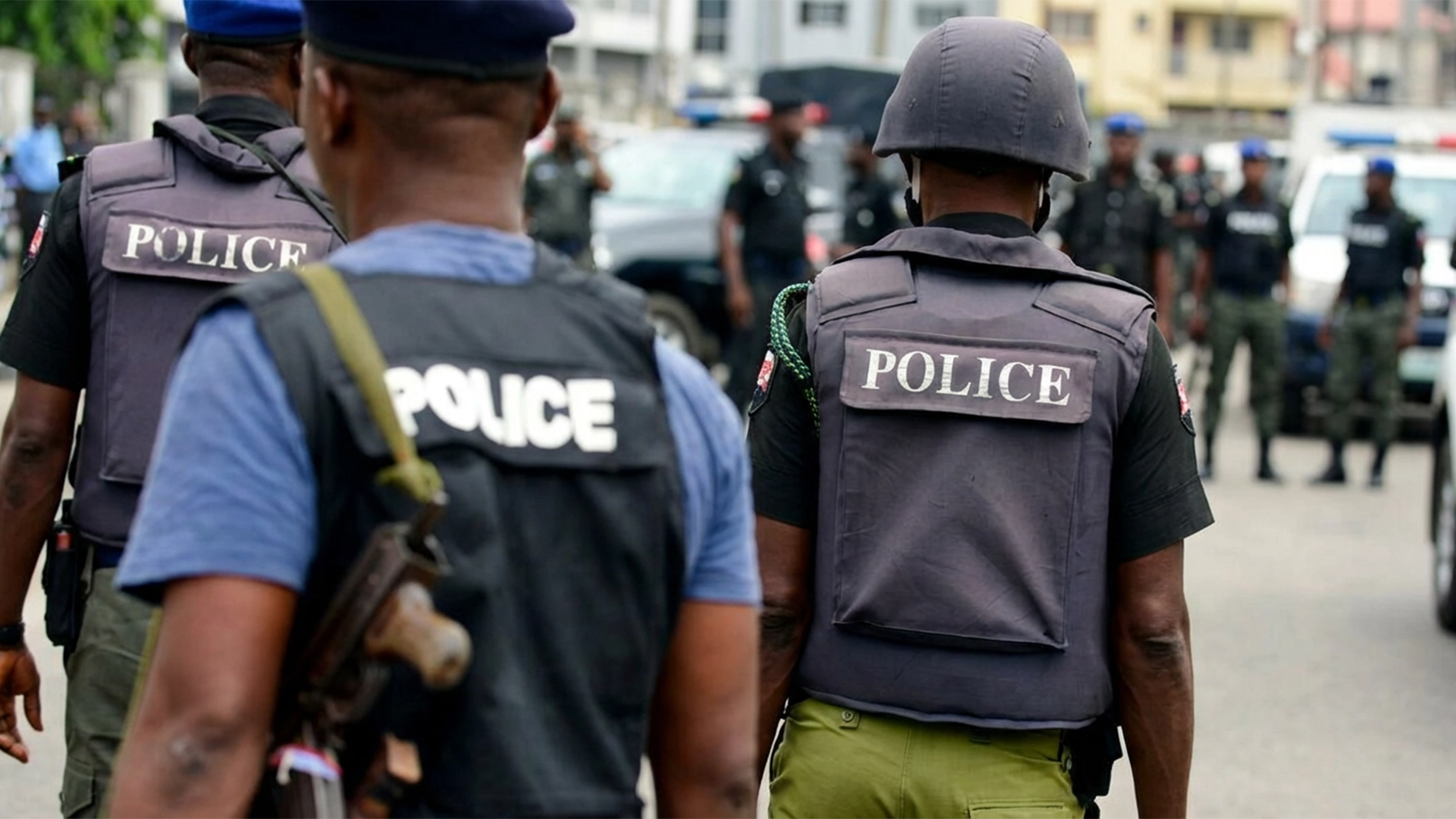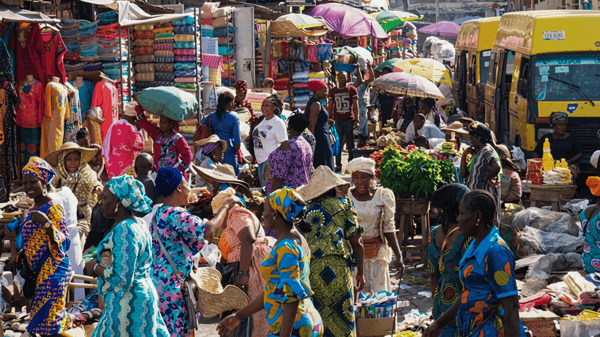
There is a saying that “worrying is like worshipping the problem.” At first, this may sound exaggerated, even unfair, especially in a country like Nigeria, where daily life feels like a constant struggle. How do you tell a mother in Lagos, struggling to feed her children, or a young graduate in Abuja, burdened by unemployment, or a trader in Kano, navigating runaway prices, not to worry? In a society where uncertainty has become routine, worry often feels less like a choice and more like a survival mechanism. Yet beneath this familiar discomfort lies a profound truth: how we carry our burdens matters, and what we give our attention to can either enslave or empower us. This is not abstract philosophy; it is lived reality.
The weight of worry in everyday life
Worry is not merely anxious thoughts. It is a form of devotion, not to solutions, growth, or action, but to the very problems we hope to escape. Religion, psychology, and common sense all confirm that whatever occupies our minds consistently begins to dominate our emotions, decisions, and even physical health.
In Nigeria today, worry is almost a shared experience. Families grapple with rising food prices and volatile costs. Healthcare can erase years of savings in a single hospital visit. Young people fret about jobs that seem forever elusive, while business owners worry about policies that change overnight. Parents juggle school fees, rent, and basic necessities in a climate where inflation and currency instability are constant companions.
Statistically, these are not just feelings. Nigeria’s headline inflation, though easing in late 2025 to around 14 to 18 per cent, remains high by global standards, with food prices straining households. Nearly 31 million Nigerians face acute food insecurity, and United Nations agencies warn the situation could worsen in 2026, with 35 million people at risk of severe hunger, the highest on the continent. Poverty remains widespread, with over 100 million Nigerians living below the poverty line. Youth unemployment continues to burden families and communities, contributing to broader economic strain. In such an environment, worry feels reasonable, even responsible. Yet when it dominates, it stops being a response to reality and begins to govern the inner world.
The human and physical cost of chronic worry
The toll of constant worry extends far beyond thoughts and emotions. Chronic stress activates the amygdala, the brain’s fear centre, keeping the body in a heightened state of alert even when danger is not immediate. Over time, this produces real physical consequences: hypertension, ulcers, insomnia, anxiety disorders, and chronic fatigue. Patience weakens, judgment clouds, and trust erodes, both in others and in oneself.
Economically, worry multiplies challenges rather than solving them. Panic-driven financial decisions, risky investments, and unsustainable debt worsen both personal and national outcomes. Without deliberate strategy, worry pushes people toward short-term fixes instead of long-term resilience.
There is a distinction that must be understood between concern and worry. Concern is deliberate, reflective, and action-oriented. Worry is undisciplined concern that loops endlessly around uncertainty. Concern motivates planning, skill acquisition, and community collaboration, whereas worry leads to paralysis, exhaustion, and despair.
Consider a Lagos trader who was once kept awake by fear of rising food costs. She began bulk buying strategic staples, negotiating with suppliers, and adjusting pricing models. She discovered predictability and shared risk with fellow traders, replacing sleepless nights with strategic planning. Similarly, a young graduate in Abuja, tired from endless job applications, turned worry about unemployment into a structured schedule of skills development and freelance work, creating a portfolio that led to income opportunities. In both cases, worry was reframed into purposeful action.
Policy inconsistencies, budget chaos, governance failures, and rule of law erosion
Systemic governance failures amplify daily anxiety. Policy summersaults and abrupt reversals leave citizens and businesses uncertain, eroding trust and adding mental burdens. Contradictory agricultural and economic policies, for instance, leave small businesses unsure which regulations apply, contributing to market failures.
Budget credibility is another critical issue. Nigeria has seen multiple budgets implemented simultaneously, as old fiscal plans extend into new years, creating confusion over project execution and public spending. Allegations of budget padding further erode trust, with over 11,000 questionable projects identified in the 2025 federal budget, diverting trillions of naira from essential services.
At the state level, some State Houses of Assembly have approved budgets within 24 hours of presentation by governors, bypassing meaningful legislative scrutiny. Executive dominance over legislative functions has left critical spending decisions unexamined, making public funds vulnerable to misallocation and misuse.
Budget credibility issues extend beyond the federal sphere into states, where uneven allocations and low implementation rates are pervasive. States collectively budgeted over N1.3 trillion for healthcare in 2024, but actual spending was well under two-thirds of that amount, with per capita health spending staggeringly low. Only seven states implemented more than 80 per cent of their health budgets, leaving many communities with underfunded clinics or no access to basic services at all. The situation in education mirrors this pattern. Analysis of state budgets shows that education and health together account for less than a quarter of aggregate state spending, and even within that, capital allocations for dilapidated school buildings and primary health facilities often go unrealised due to late releases or poor planning.
Worry is further compounded by the bastardisation of the rule of law in Nigeria. Judicial decisions are now allegedly procured, and the judiciary is losing credibility. The weak are trampled upon, while elections are rigged with impunity. The same laws are interpreted differently for the rich and the poor. Many poor citizens languish in jail awaiting trial for years, while wealthy individuals who commit crimes daily remain free, attend parties, and continue offending without consequence. Such systemic injustice not only heightens fear and mistrust but corrodes faith in institutions and fuels despair.
Corruption, abandoned projects and infrastructure deficits
Endemic corruption deepens Nigeria’s challenges. Mismanagement of public funds, inflated contracts, and procurement fraud have left roads half-built, hospitals without electricity and needed human resources and infrastructure, and schools in ruins. Experts estimate that 30 to 40 per cent of capital budgets could be lost yearly to such practices, weakening the state’s capacity to deliver basic services and infrastructure.
To be continued tomorrow.
Prof. Uba is economist, policy expert and governance consultant with over 25 years of experience working with the Nigerian government and international organisations.