 Follow Us on Google News


 Follow Us on Google Discover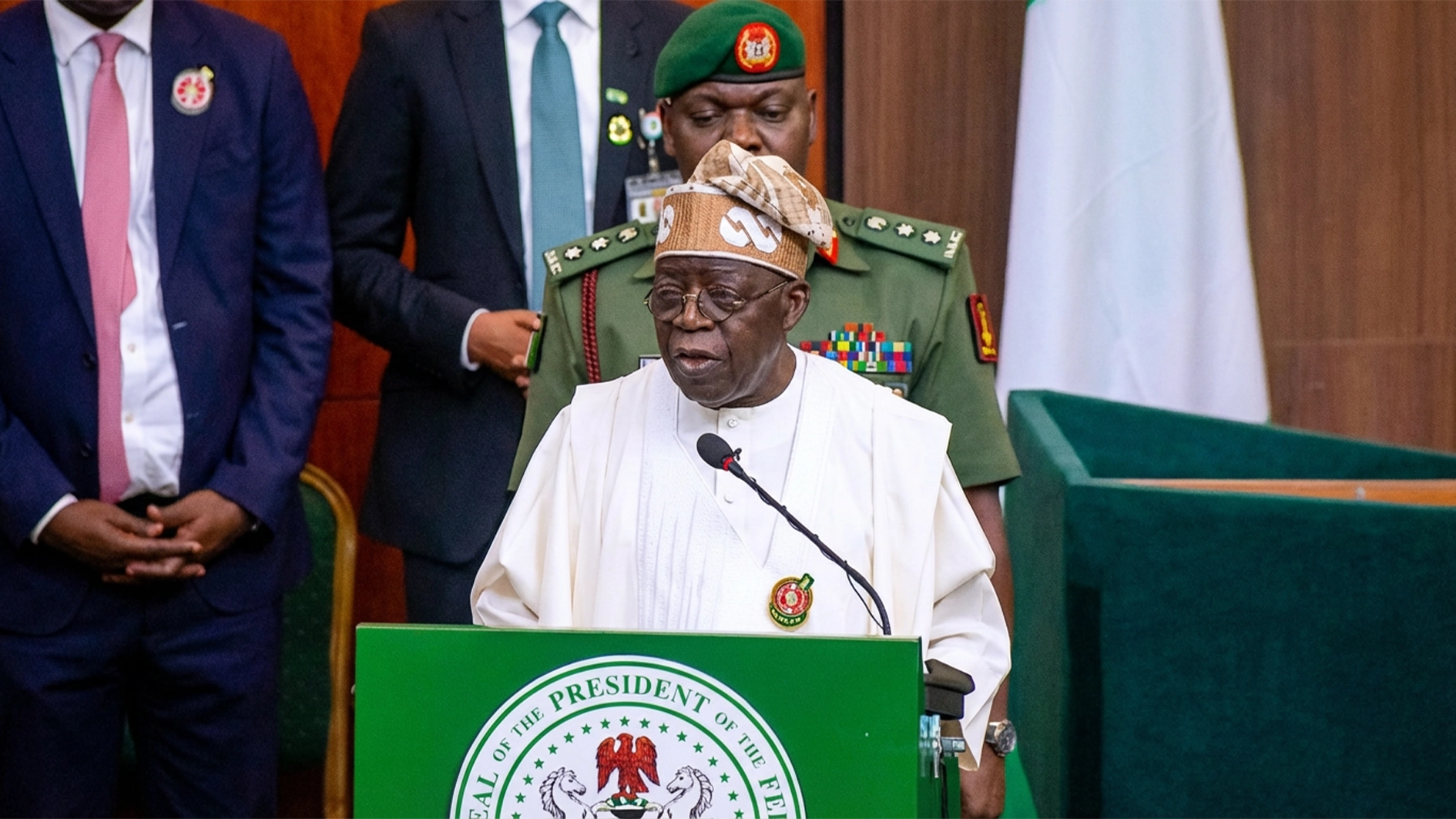
Coming after three years of Nigeria’s non-representation in the comity of nations, President Bola Tinubu’s eventual appointment of 47 ambassadors to represent the country is set to mark the beginning of an arduous task of managing the country’s image internationally. The government has explained that 45 of these 47 ambassadors were deployed as career ambassadors-designate to their respective countries, and that the ambassadors would resume duties this year. According to the Minister of Information and National Orientation, Mohammed Idris, the deployment of the ambassadors will further strengthen Nigeria’s bilateral relations and enhance the country’s global visibility and strategic engagement.
Considering the core functions of ambassadors as high-ranking diplomats who represent a country abroad on behalf of its government, especially on diplomatic matters, three years without them certainly puts pressure on the country’s image. This is more so because of the political, economic and social volatility the country has witnessed in those three years. While some misrepresentations or negative narratives about the country have been presented over the years, correcting or even defending them with relevant information and intervention has been manifestly lacking. All hands should therefore be on deck, as they say, to salvage the country’s battered image abroad.
This assignment is sadly compounded by the perception in many quarters that the president’s nominees, approved by the National Assembly, are suspect and do not reflect the best diplomatic hands Nigeria could offer. Critics have observed that the appointment exercise fell short of expectations, and that from the nomination of ambassadors to vetting by the federal legislature, the process was casual and unprofessional; certainly below the high scrutiny of the past when the country prioritised and put a premium on its foreign relations.
For a start, posting ambassadors was put in abeyance for three years too long, leaving the country’s diplomatic outposts unmanned for that period, thereby depriving it of opportunities to mingle with the world and particularly to showcase its economic and trade policies.
Ambassadors represent the government in foreign countries. They are the ears and eyes of the country wherever they are sent. They are promoters of the values and ideals the country holds dear. The new ambassadors are expected to carry out specific duties such as taking charge of the embassies, representing and advancing the foreign policy goals of the Nigerian government. They also ensure the security of embassy staff and property, manage communications, hold bilateral talks with government officials of the host country, sign trade agreements, and protect Nigerians overseas.
For these reasons, ambassadors must not be frivolous persons or individuals of doubtful character. They must be stable, mentally and socially. Constituting the diplomatic team is not an exercise to be taken lightly or mistaken as payment for political favours. Many stakeholders have observed, however, that these qualities are missing in many of the persons appointed; that their selection process was bereft of due diligence; and that many of them lack personal recognition or the relevant cognate experience, and so do not represent the crème of Nigeria’s finest.
While the President has the prerogative to appoint ambassadors, the job of ambassador is not an all-comers trade for housewives and other feather-weight characters. The Presidency could have taken advantage of wise counsel to do a better job. Nigeria is blessed with an array of experienced and globally rated diplomats. Similarly, the vetting process conducted by the Senate Committee on Foreign Affairs was far from being thorough. The government missed the opportunity to redefine and reenact Nigeria’s golden era in diplomacy.
Yet, the new appointees have a duty to project the country’s name and image positively, and to appreciate the place of diplomacy in shaping the character of the Nigerian State. They should address observed weaknesses in Nigeria’s foreign relations objectives, which are presently not well defined.
Years ago, the government launched a policy making Africa the centrepiece of Nigeria’s foreign policy. The country stood for the liberation of Africa from colonial rule. Nigeria stepped into the role of a frontline country in the fight to liberate Southern African countries from apartheid and foreign domination. Nigeria was non-aligned during the Cold War era between the West and East, and she championed the formation of the Economic Community of West African States (ECOWAS) in 1975. Nigeria also funded and spearheaded military operations in Liberia and Sierra Leone when civil wars broke out in those countries. In the African Union (AU), which used to be the Organisation for African Unity, Nigeria sat in the front row. In global affairs, she could not be ignored. There is a dire need to reenact that era and retool Nigeria’s foreign relations.
In an era when countries use diplomacy to project their economic and military well-being, Nigeria cannot afford to be casual. She should prepare intellectually to stay abreast of global geopolitical manoeuvrings. It begins with having the right personnel in the right places, defining the country’s foreign policy and orienting the ambassadors to be on top of their duties.

