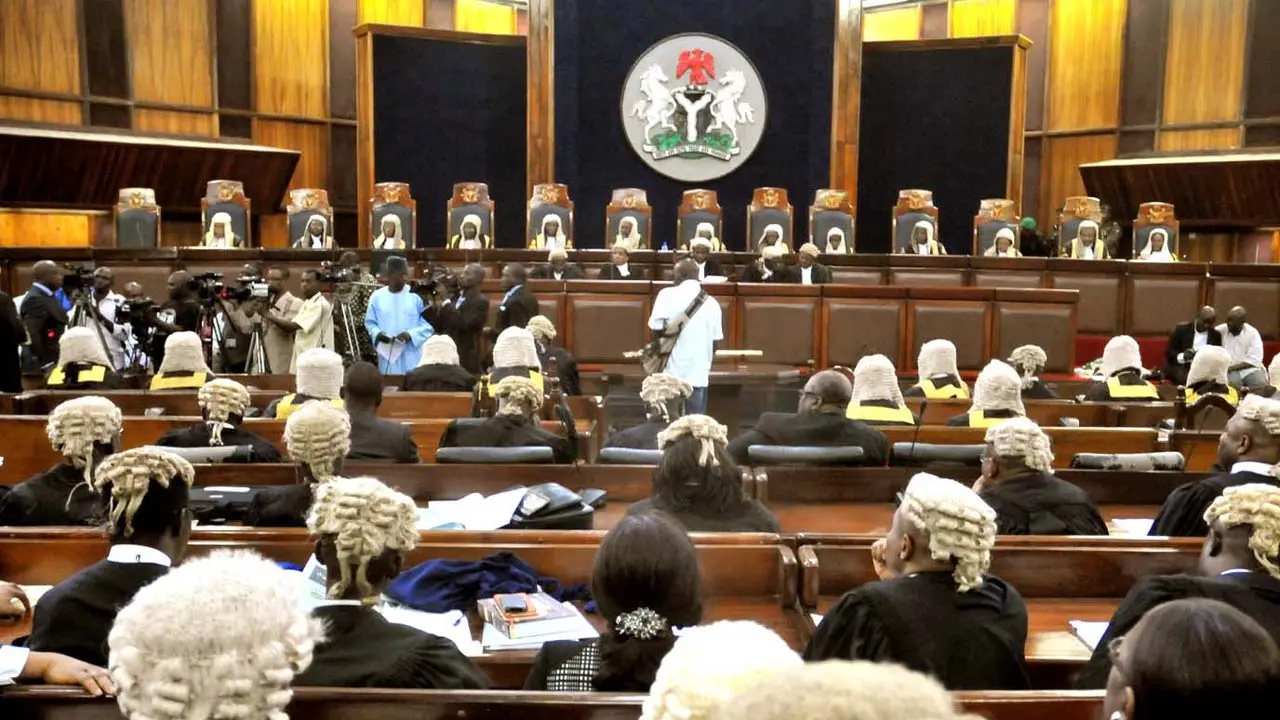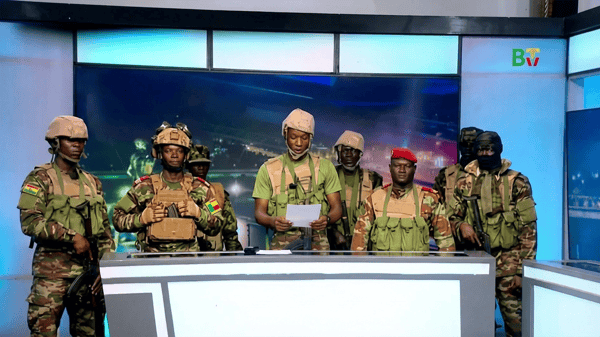
The resurgence or attempts by the military to take over governments in parts of West Africa, as recently witnessed in Guinea Bissau and Republic of Benin should be worrisome to all lovers of democracy and the freedom associated with it. Within a space of two weeks, the West African sub-region witnessed attempts at undermining democracy in Guinea-Bissau and Benin Republic. Without doubt, these incursions into governance by the ‘boys in khaki’ is a major setback to the culture of democracy, human rights, freedom and inclusivity in governance ordinarily signposted by civilian administrations., and which many West African countries are already familiar with.
While the resurgence is palpably condemnable as reversing the gains of democracy over the years, it is worth observing that failure of democratic governments and institutions to improve markedly the lives of citizens is largely to blame, although exuberant soldiers will always seek to justify their action in toppling government. Inclination for staging coups by elements within the military is of genuine concerns across countries of the West African sub-region as the failings of political actors appear to be reducing faith in democracy.
On November 26, the President of Guinea-Bissau, Umaro Sissoco Embaló, in a rather curious circumstance, abdicated office on account of a coup plot that looked suspiciously as a subterfuge. On December 7, the people of Benin Republic woke up to the reality of a coup d’état by a group of soldiers led by Lieutenant Colonel Pascal Tigri with the announcement of the overthrow of the country’s president; Patrice Talon. Luckily, Nigeria immediately intervened and, along with Beninois military, was able to foil the coup. The intervention is cheery, coming barely six weeks after rumours of a coup plot was fueled by the arrest of some Nigerian military officers, who are said to be under investigation by the Nigerian authority.
Post-independent history of most of the West African countries is replete with tales of authoritarianism presided over by successive military regimes. Mostly, decades of military rules in the sub-region were typified by divisive political upheavals, profane corruption and socio-economic stagnation. Military rule which became a trend across the sub-region, in the aftermath of independence, stymied political emancipation and led to the suppression of civil liberties. The citizenry in most of the countries of the sub-region only began to heave a sigh of relief when agitation for constitutional governance gained momentum in the last two decades of the 20th Century.
However there should be no denying that political stability across the West African sub-region has remained fragile in spite of the fact that democratic governance has been in place in most of the countries for close to three decades. The hope that restoration of civil rule will deepen political pluralism, democratic consolidation and better living standards appears to be fading in most of the countries thus making military intervention to come across as plausible alternative. Yet, given the atrocities associated with military governments in the region, military intervention should not be considered an option; regardless of the situation in the countries. Attempts at truncating democracy in any of the countries through military intervention have wider implications for the sub-region considering the worsening challenge of cross-border insecurity.
While the stage appears to have been set in Guinea-Bissau for a full blown military dictatorship with no terminal date, the mutiny in Benin Republic which has necessitated deployment of troops from ECOWAS countries should leave no one in doubt that democracy is at a tipping point in that country after over three decades of unbroken democratic journey. As recent happenings suggest that democracy is under serious threats, it is equally of concern that most of the populace in Benin appear to be indifferent to the challenge posed by the unfolding scenario. Yet, resurgence of military coups portends uncertainties for sub-regional stability; more so when such trend come across as attractive to sections of citizenry for reasons that may be real or imagined or wrongly calculated.
In spite of the challenges that have manifested as undesirable features of democracy in countries across the region, military rule cannot offer the impetus for navigating the sub-region out of the quagmire of festering terrorism amid growing multi-dimensional poverty. It should be imperative to assert that prevalence of military coup has overarching consequences for economic cooperation needed for harnessing the resources which abound across the sub-region. It is recalled that the withdrawal of Burkina Faso, Mali, and Republic of Niger from the Economic Community of West African States (ECOWAS) in January 2024 was triggered by the military coups that led to the truncation of democracy in the affected countries. No doubt, the decision by the military regimes in Burkina Faso, Mali and Niger Republic to establish a separate sub-regional bloc known as the Alliance of Sahel States (AES) has implication for forging common ground in defence of good governance in the sub-region. Undoubtedly, the antagonism between the AES countries and ECOWAS cast uncertainties on the future of democracy and stability in West Africa.
The military intervention in Guinea-Bissau portends unwarranted assault on democracy considering that the country’s election management body was on the verge of concluding the process of a decisive presidential election. It is disturbing that the citizens of Guinea-Bissau were eagerly awaiting the outcome of a peaceful process when the incumbent president, a former Army General who was a candidate in the election announced his deposition by a coup; thus stalling democracy in Guinea-Bissau with opposition figures on the run while President Umaro Sissoco Embaló has reportedly fled the country.
The fact that the incentive for the coup attempt in Benin Republic has partly been attributed to political troubling undercurrent in the country should not be overlooked. It is believed that the new amendments to the constitution as well as the electoral laws constituted deliberate attempts at stifling the opposition and restricting democratic pluralism. Therefore, the antidote to coup in any country is popular participation of citizens anchored on political pluralism. Notwithstanding that military coups could no longer be considered an option, political leadership must be guarded by need to allow genuine democratic participation. Attempts to shrink the democratic space through overt control of critical institutions or covert political manipulations are bound to undermine citizens’ faith and imperil democracy .