 Follow Us on Google News


 Follow Us on Google Discover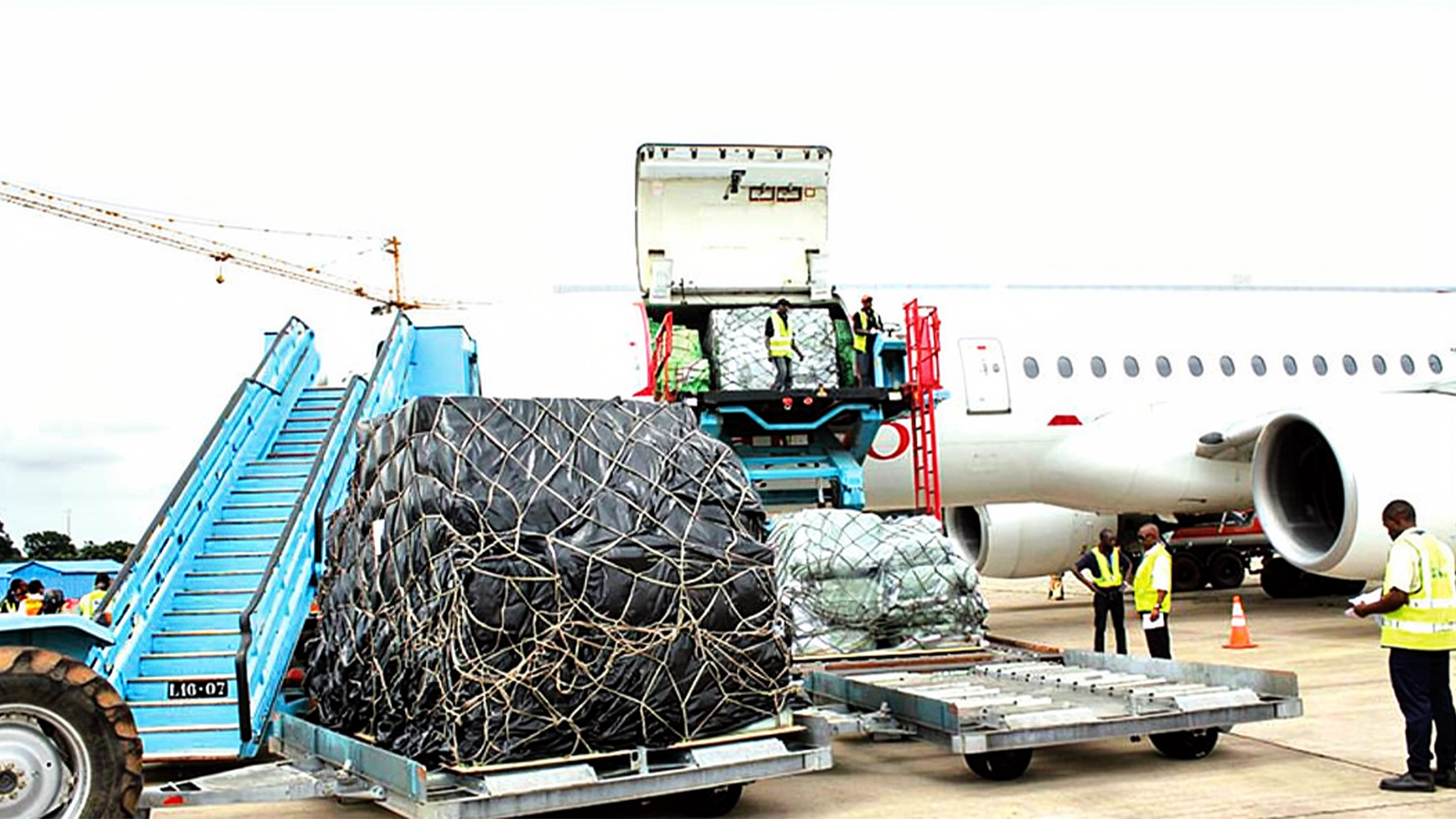
The whopping 257 per cent increase in the tariff on cargo by the Federal Airports Authority of Nigeria (FAAN) has naturally been a source of concern for many stakeholders, given its wide-ranging implications for economic stability and ease of doing business.
This is an increase from N7 to 25 per kilogramme of cargo and has indeed caused some unrest in the industry involving the Association of Professional Freight Forwarders and Logistics of Nigeria (APFFLON), whose President, Frank Ogunnojemite, has lamented that the new development would further negatively impact cargo and other businesses nationwide. His reasoning is logical.
The government agencies’ penchant for increasing tariffs on their services has become quite worrisome. There is always the complaint of inadequacy of funds to carry out their operations, even though virtually all these agencies are on government subventions and always troop to Abuja to defend their budgets before the National Assembly.
Hence, there is cause for concern about this new FAAN initiative, especially since the increase was against the advice and objections of key industry stakeholders during one of the body’s interactions with FAAN management on the issue. The implications of this move by FAAN are many.
First is the impact on inflation in the country. The poor performance of the seaports has diverted some cargo from there to the airports, implying that the landing costs of a sizeable number of incoming cargoes would increase, with, of course, implications for the prices of such goods in the market. Depending on the degree of price elasticity of the goods in question, the bulk of the increase in the tariff will be borne by the final consumer, who is already crying over the unfavourable state of the economy as it affects living standards, as most salaries and wages of the low and middle classes of the societies cannot take them home. The FAAN initiative is bringing another spike to the inflation rate, which the monetary authorities have been working hard over the past months to bring under control. Indeed, the increase would significantly escalate the cost of air cargo operations, discourage exports, increase import costs, and ultimately place additional pressure on Nigerian businesses and consumers.
Second, the pattern of infrastructural development at airports is not particularly encouraging, aside from the recent federal government refurbishment of some airports across the country. There is no guarantee that the new increase will lead to more efficient services in cargo processing operations, if past experience is anything to go by. Many allegations abound regarding the significant leakages in the operations of government agencies generally, and the case of FAAN is no exception. So, these worries exist, and at the end of the day, it is the ordinary Nigerian who will bear the brunt of all tariff hikes, which have largely further impoverished the hapless Nigerians as they seek to eke out a living for themselves and their families.
FAAN’s response to the development, while not particularly convincing, may also warrant some consideration. According to FAAN in its official statement, the tariff increase, initially scheduled for 2025, was deliberately deferred to allow time to address systemic inefficiencies and that “an operational report released by the authority shows that recent adjustments to legacy processes are already yielding measurable results, with improved revenue assurance across major cargo terminals.” It considers this review a “strategic reform” with the potential to significantly improve cargo operational efficiency and revenue performance, enhance monitoring of unaccompanied luggage, and effectively block major revenue leaks that previously affected cargo operations. At face value, these are laudable expectations, but many are sceptical as the FAAN is largely seen as a cash cow for its top officials. It is also seen as one of the agencies where politicians lobby to gain oversight over their operations, as there is always a prospect of enrichment. The bottom line is that the common man is at the receiving end of all these “strategic reforms” in the government agencies.
These tariff increases are becoming too numerous across the agencies, and the government should review some of them to bring them down. Some tariff increases need to be reversed, especially those deemed unnecessary. The new tariff on cargo by FAAN is one such increase. The Airport Authority has to look elsewhere, especially inward, to secure the funds needed to run its operations efficiently. FAAN’s plans to better manage its operations are laudable, but not by increasing its tariff by as much as 257 per cent. The airport authority should be more concerned about leaks in its system, whereby increased revenue is largely diverted to private pockets rather than the airport authority’s purse.
With tariff increases for cargo processing, provision of electricity, and a multiplicity of others countrywide, how is the ordinary man expected to survive? With the multiplicity of price increases across the country, real incomes are falling, especially for those on fixed nominal incomes. This is not exactly the case in other countries or jurisdictions where these increases are within the income capacity of end users, and where efficient cargo-handling services are provided at airports.

