 Follow Us on Google News
 Follow Us on Google Discover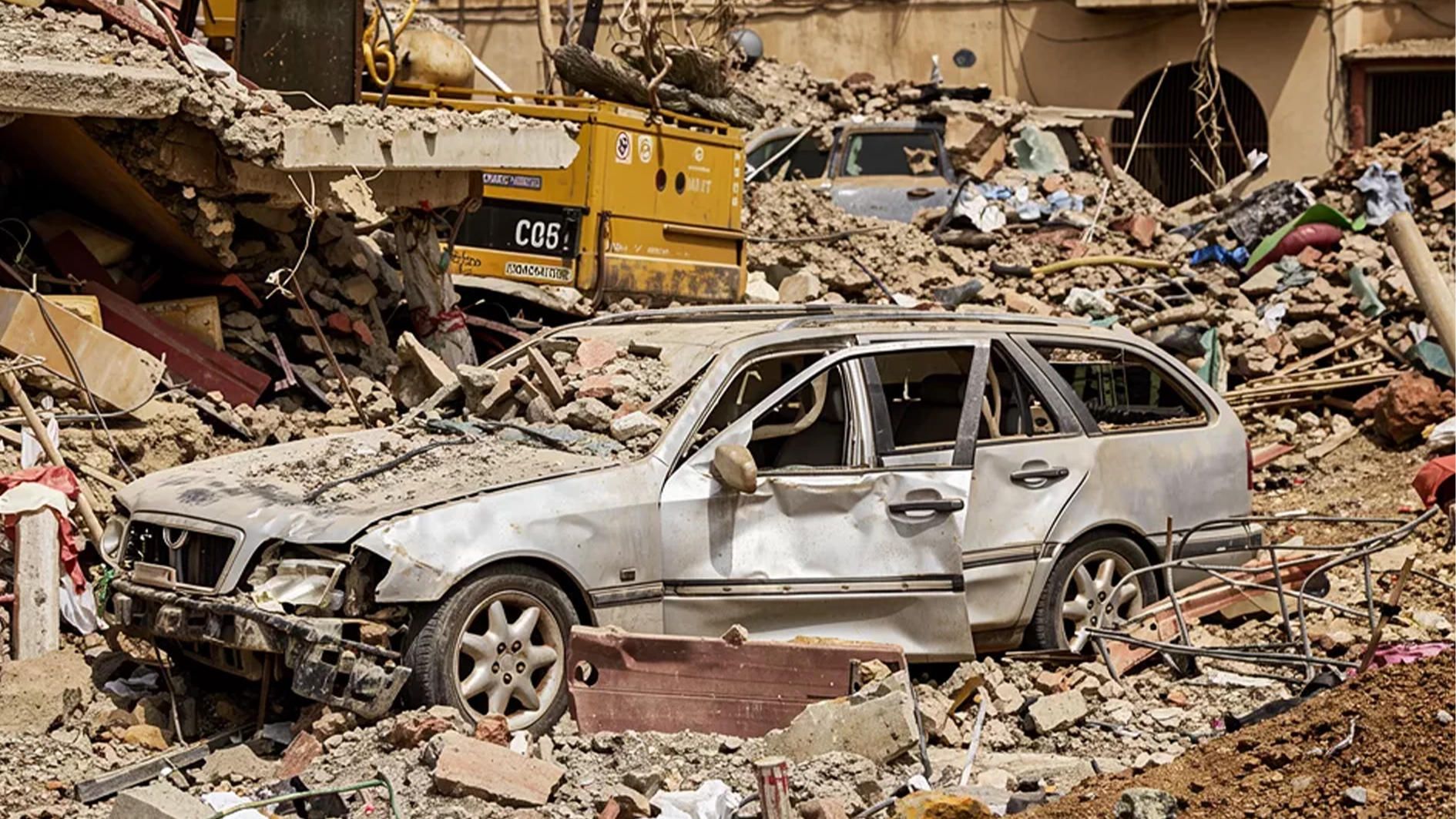
Circumstances surrounding the handling of N50 billion paid in part by the federal government to the Oyo state government to address massive structural and human damages arising from the January 2024 bomb explosions in Bodija, Ibadan, are unnecessarily shrouded in opacity. It is untenable that the federal funding support meant to alleviate losses and damages is enmeshed in such controversy and lack of clarity, given the magnitude of the damage and impact on victims. An occasion to show love to victims and rebuild damaged infrastructure does not call for acrimony and a lack of transparency.
Regrettably, the controversy surrounding the Bodija bomb blast relief fund and its utilisation tends to deepen the political differences between the Federal Government and Oyo State. As political parties prepare for the 2027 general elections, minor differences should not be unduly magnified and facts misrepresented.
The crux of the matter is that first, it has taken 24 months after the bomb disaster for facts to emerge on the funding arrangement. As the story went, the Oyo State Government approached the Federal Government for assistance to the tune of N100 billion. The Federal Government approved N50 billion, but only N30 billion was released. The remaining N20 billion, the Oyo government claimed, was withheld without explanation. The federal assistance was to be channelled towards clearing of rubble, conducting integrity tests on affected environment and buildings, demolishing unsafe structures, compensating affected property owners and reconstructing the Old Bodija surrounding, among others.
The Oyo State government had explained that because the entire N50 billion was not released at once, it decided to lodge the first tranche of N30 billion in an account untouched for two years after the tragic incident. Why? The government explained that it deliberately refrained from accessing the relief fund because the remaining N20 billion was withheld without explanation.
Curiously, Oyo State left the N30 billion untouched, simply because the remaining N20 billion had not been released. It is rather illogical for the government to refuse to administer the fund to achieve the purpose for which it was disbursed. And that purpose, as stated, was urgent and compelling. The Federal Government deserves praise for releasing the first tranche of N30 billion, even though it came in November 2024.
That may explain why Oyo State provided the initial funding for the rehabilitation and relief for victims. However, when the money was released in November 2024, it was meant to address specific needs. It is expected that the state government would put the money to use and go back to demand the balance, with evidence of work done.
While the relief aid from the federal government was kept in the bank, the Oyo government claimed it spent N24.6 billion of its resources to address the impact of the bomb explosion, including spending N20.141 billion on infrastructure in Bodija and surrounding areas and paying N4.085 billion in compensation to victims. It is difficult to locate the fiscal logic that warranted that idea. There are, of course, political inferences.
Particular note may be taken that it was the former governor of Ekiti State, Ayo Fayose, who is not an operative of the Federal Government, but is at the same time a confessed adversary of Governor Makinde, through whom leaks were made available of the intervention assistance of the Federal Government to states.
It was revealed that around N915.5 billion was approved as an intervention fund for states across the country. Apart from Oyo, which was allocated N50 billion, another Southwest state reportedly got N150 billion. While Oyo can claim to have suffered the consequences of bomb explosions, for which it reportedly got the lowest compensation in the Southwest, it is good to make public the other states that benefited from the intervention fund. Which state in the Southwest was allocated N150 billion and for what purpose? Disbursements from the Federal Government must be matched with actual and verified needs to guarantee a measure of accountability. Oyo state had further explained that the reason it left the fund idle was to “wait and see” what happened to the remainder. Does this suggest a calculated attempt to short-change the state? The Special Adviser on Media to the governor, Dr Sulaiman Olanrewaju, said the remaining N20 billion was withheld because the state government refused to offer a bribe.
The public concern is that there must be transparency and equity in the allocation of the federal government’s relief assistance. The process must be needs-based and not administered as slush money to cater to political prejudices. It is evil and an act of cowardice to politicise efforts to ameliorate human suffering, particularly victims of the devastating bomb explosion. It is painful that facts are just emerging regarding the sums allocated and disbursed for the rehabilitation efforts, with some victims alleging they were not well compensated.
There should be accountable and transparent ways to manage resources meant to provide comfort for the people. Apart from support from the Federal and Oyo State governments, were there no pledges and assistance by corporate individuals and organisations to ease the pains of the Bodija tragedy? What about the company responsible for storing the explosives? Was it indicted in any way, or was it sanctioned? Nigerians demand a robust disclosure to bring a fitting closure to that ugly encounter, including summaries of the fact-finding committees that were set up.
Like other matters in the country, the Oyo case raises questions on financial integrity, corruption and prudence in the management of public finance. Both the Oyo government and the Federal Government should come clean on this.

