 Follow Us on Google News


 Follow Us on Google Discover
The FIFA World Cup has long stood as one of humanity’s greatest unifying events. Every four years, political differences, ideological divides, and historical rivalries are expected to give way, however briefly, to the universal language of football.
It is a tournament built on the values of friendship, inclusion, equality, and fair competition. Yet the controversies surrounding visa restrictions and the treatment of certain players, officials, and visitors during the ongoing World Cup have raised troubling questions about whether those ideals are being compromised.
Every host nation has a sovereign right to protect its borders and ensure the safety of its citizens and guests. Security considerations cannot be dismissed, especially in an age marked by terrorism, transnational crime, and geopolitical tensions.
However, there is a significant difference between legitimate security measures and actions that create the perception of discrimination, political bias, or unequal treatment.
For instance, the controversy surrounding the treatment of a Somali referee has generated concerns among football stakeholders. While immigration decisions remain within the authority of the host country, the incident has inevitably invited political interpretations.
Some observers have linked it to broader debates about U.S. immigration policies and the country’s often contentious political environment. Whether such suspicions are justified or not, perceptions matter. FIFA should have anticipated the possibility that domestic political controversies in a host nation could spill over into a supposedly neutral global sporting event.
The case of Ghanaian footballer Thomas Partey presents another difficult question. Reports that visa complications prevented his participation have generated widespread debate. If such decisions were influenced by unresolved legal allegations, then important principles of justice come into play.
In democratic societies, individuals are presumed innocent until proven guilty. A sporting event is not a criminal trial, and participation in football should not become contingent upon allegations that have not resulted in a conviction. Unless there are compelling security concerns, denying athletes the opportunity to compete risks creating a dangerous precedent.
The treatment of Iranian players and officials raises even more complex issues. The United States and Iran have a long history of political hostility. Understandably, security agencies would subject visitors from countries with strained diplomatic relations to heightened screening procedures. Governments have a duty to identify genuine threats and prevent criminal infiltration.
Nevertheless, such measures must be conducted with transparency, fairness, and proportionality. When players and officials feel singled out because of their nationality, the spirit of international sport suffers. Athletes should not become casualties of geopolitical disputes over which they have little or no control.
What is perhaps most concerning is the perception that FIFA has been unwilling or unable to challenge the host nation’s decisions. The governing body has argued that immigration policies fall outside its authority. While technically correct, that argument is only partially convincing. FIFA exercises enormous influence over host nations before awarding tournaments. It imposes strict requirements concerning stadiums, infrastructure, commercial rights, broadcasting arrangements, and even local legislation. It is therefore difficult to accept that the organisation is powerless when fundamental issues affecting participating nations arise.
Historically, FIFA has not hesitated to pressure host countries over matters it considered important to the tournament’s success. The organisation possesses significant leverage, including the ultimate sanction of withdrawing hosting rights. While such measures may be extreme, the mere existence of that power means FIFA cannot entirely distance itself from controversies that undermine the tournament’s integrity.
The visa disputes are not the only issues clouding this World Cup. Complaints about ticketing arrangements, perceptions of unequal treatment among participating nations, and accusations that some countries receive preferential consideration have all contributed to growing unease. Whether these claims are entirely justified is less important than the fact that they are gaining traction among fans and stakeholders.
Equally troubling are concerns that commercial and political interests increasingly influence decisions that should be based solely on football. Scheduling adjustments designed to maximise television audiences and commercial revenues have long been criticised. More recently, rule modifications and tournament management decisions have fuelled debate about whether football’s governing authorities are prioritising business interests over sporting considerations.
The introduction and expanded use of hydration breaks, though defensible in extreme weather conditions, have also sparked discussion about their impact on the flow and rhythm of matches. While player welfare must always remain paramount, changes to the game’s traditional structure should be carefully evaluated to ensure they serve sporting rather than commercial objectives.
Taken together, these controversies risk creating a perception that the World Cup is becoming increasingly vulnerable to political influence, commercial pressure, and selective application of principles. Such perceptions can damage the credibility of both FIFA and the tournament itself.
Looking ahead, FIFA must learn important lessons from this experience. Future bidding and hosting agreements should contain clearer guarantees regarding the treatment of players, officials, referees, journalists, and supporters. Host nations should be required to provide assurances that all accredited participants will receive fair and non-discriminatory access, subject only to legitimate and clearly defined security concerns.
Football’s greatest tournament cannot thrive if participants fear they may be excluded because of nationality, politics, or unresolved controversies unrelated to the game itself. The World Cup belongs to the world, not to any single government, political ideology, or commercial interest.
Ultimately, FIFA faces a fundamental question: is it still serving as an impartial guardian of world football, or is it increasingly willing to accommodate the preferences of powerful hosts and stakeholders? The answer will shape not only the future of the World Cup but also the credibility of the institution that governs the global game.
For a competition founded on unity, inclusion, and fair play, anything less than equal treatment for all participants represents a betrayal of the very spirit the World Cup was created to celebrate.
The World Cup and FIFA’s credibility crisis
Date: 24 June 2026 4:44am WAT
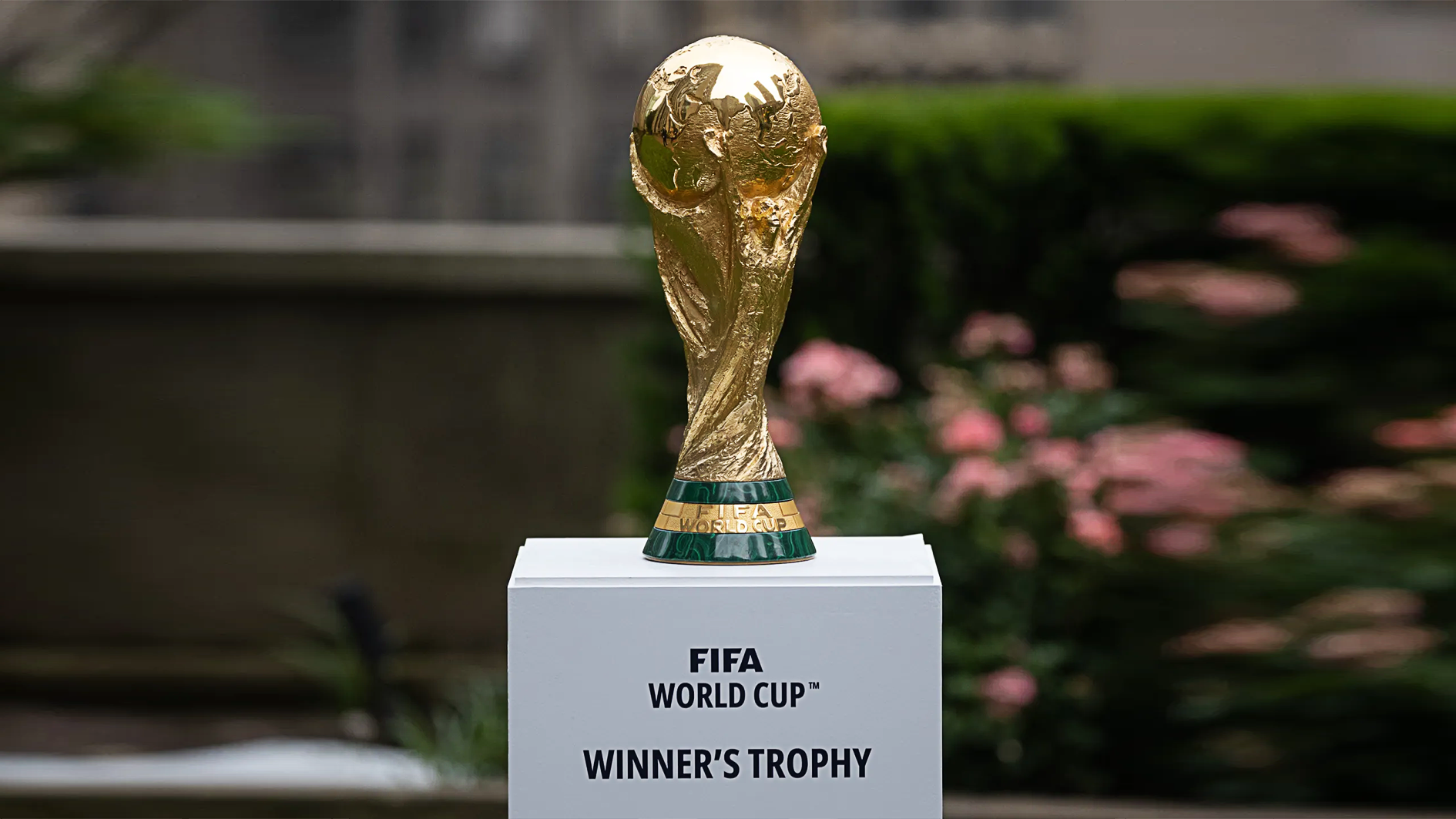
Fifa World cup
Fifa World cup

