
INDICATIONS that the Federal Government’s Subsidy Reinvestment and Empowerment Programme (SURE-P) may be discontinued from this year are not surprising, considering its projected failure from the outset. The concept was almost infallible on the face of it; it was overshadowed by suspicions that government’s implementation would most likely be insincere. In any event, government’s plan to gradually withdraw subsidy on petroleum products, particularly petrol, necessitates a rebranding process that will actually benefit Nigerians in real terms.
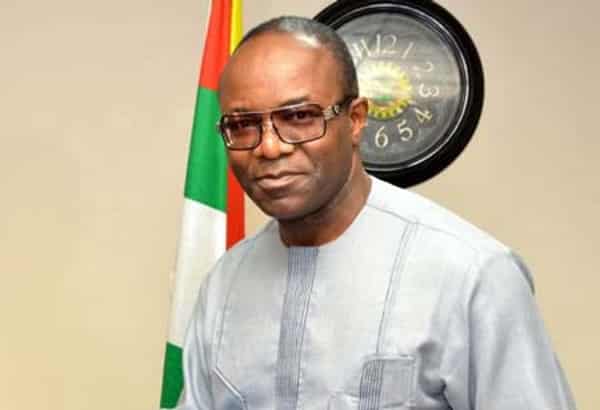
First, it was the Minister of State for Petroleum, Dr. Ibe Kachiku who announced that the Federal Government would commence gradual withdrawal of fuel subsidy in 2016. This corroborated the contents of the Medium Term Expenditure Framework document sent to Senate for approval which did not include SURE-P for the framework period (2016-2018).
The SURE-P was scripted by the Federal Government in January 2012, in the aftermath of protests that attended the withdrawal of petroleum subsidy. The Government applied the federal share, for “re-investment” in programmes in various segments, ostensibly intended to alleviate poverty and to contribute to provision of infrastructure. The scheme was heckled from the outset, by stakeholders who stated that it was a panic measure that would also lead to duplication of roles for which there were appropriate ministries, departments and agencies of government.
Late in 2015, the Senate Committee set up to look into SURE-P informed the nation that half a trillion Naira, which should have been used to execute SURE-P projects nationwide, could not be accounted for. That amount was for savings on 25 billion litres of petrol consumed in the 21 months from January 2012 to September 2013. It was clear that the management of the funds was far from transparent. At the time, the revelations served to add to calls for the termination of the programme. Its first Chairman, Dr. Christopher Kolade resigned.
Now, apparently forced by the exigencies of a down-turn in the global economy and the assessed reduced revenue because of falling oil prices, the government is sounding notice of the termination of the scheme. Development economists have consistently suggested that while market forces are allowed to operate to some extent, the government must fulfill its role to institute enduring policies for the welfare of the citizens. The experience of this nation is that agencies set up in panic had been inimical to the development of the country.
Recent pronouncements by the Minister of State for Petroleum that the local refineries will commence production and that NNPC will be solely responsible for importation of finished products (to fill any short-falls) indicate clearly that the days of providing subsidy for imported petroleum products are numbered. In terminating SURE-P, government must be ready to find ingenious ways to manage the country’s economy particularly in its post oil era; it must also accept advocacy for the setting up of enduring institutions for the development of the country.