 Follow Us on Google News


 Follow Us on Google Discover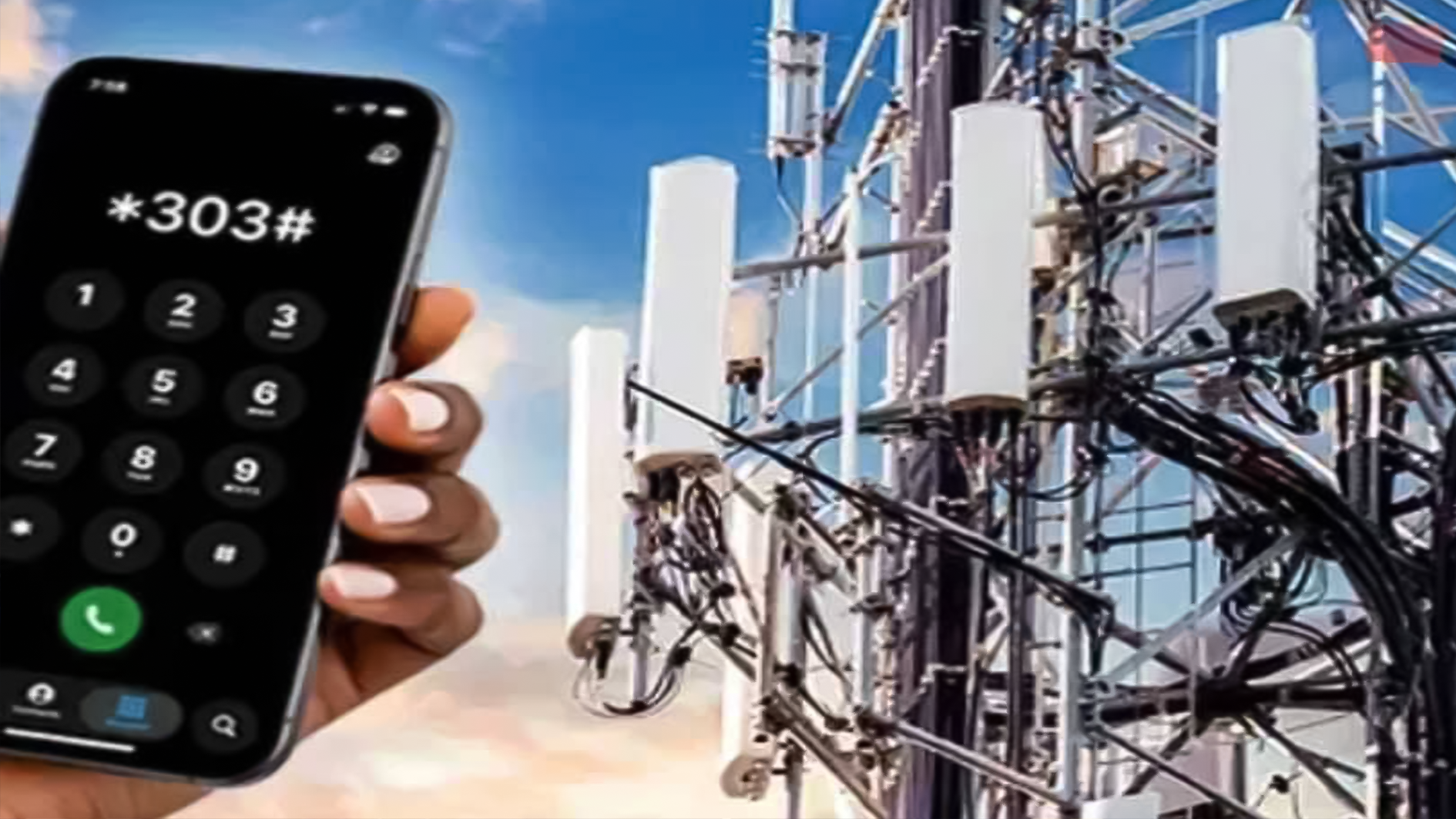
By: Ayotunde Moses
All eyes will be on the Federal High Court in Lagos tomorrow, Monday, July 20, 2026, where Justice Ambrose Lewis-Allagoa is expected to deliver what could become a landmark judgment on the future regulation of Nigeria’s estimated ₦400 billion airtime and data lending market.
The verdict in Suit No. FHC/L/CS/760/2026 will determine whether airtime lending falls exclusively under telecommunications regulation or can also be regulated as a form of digital consumer lending.
The legal dispute, instituted by the Wireless Application Service Providers Association of Nigeria (WASPAN) against the Federal Competition and Consumer Protection Commission (FCCPC), centres on a critical question: Who has the legal authority to regulate airtime borrowing in Nigeria?
Here is a breakdown of the dispute, the competing arguments and what tomorrow’s judgment could mean for millions of Nigerian subscribers.
The Genesis: What Triggered the Clash?

The dispute began after the FCCPC introduced the Digital, Electronic, Online and Non-Traditional Consumer Lending (DEON) Regulations, a framework aimed at sanitising Nigeria’s digital lending industry following concerns over the activities of some unregulated digital lenders.
The commission subsequently extended the framework to cover Airtime Credit Services (ACS)—the emergency service that enables mobile subscribers to borrow airtime or data when they exhaust their balance.
Following the commencement of enforcement, several major Mobile Network Operators (MNOs) temporarily suspended airtime borrowing while regulatory issues were being addressed. The temporary disruption highlighted the extent to which many Nigerians depend on the service for emergency communication and everyday business activities.
The Core Contention: Telecom Service or Digital Loan?
At the heart of the lawsuit is how airtime lending should be classified under Nigerian law.
The FCCPC’s Position
The FCCPC argues that when subscribers receive airtime or data today and repay later with an associated service fee, the transaction amounts to a form of digital consumer lending. Consequently, providers should comply with the DEON Regulations, including registration requirements and other consumer protection provisions.
WASPAN’s Position
Represented by Kemi Pinheiro, SAN, WASPAN argues that airtime lending is a telecommunications Value-Added Service (VAS) delivered through telecom infrastructure and governed by the Nigerian l Communications Act, 2003. The association contends that regulatory oversight therefore falls within the exclusive jurisdiction of the Nigerian Communications Commission (NCC).
Who Bears the Financial Risk?
Although subscribers typically access the service through their mobile network operators, court filings indicate that the underlying lending infrastructure is largely managed by specialised Value-Added Service providers.
According to WASPAN, these VAS providers undertake subscriber credit profiling, facilitate airtime advances and bear the financial risk associated with customer defaults, while telecom operators primarily provide the network infrastructure through which the service is delivered.
The association argues that subjecting the same service to both NCC and FCCPC oversight would create dual licensing obligations, additional compliance costs and operational inefficiencies.
Why the Case Matters to Millions of Nigerians
For many Nigerians, particularly those
operating in the informal economy, airtime credit serves as an emergency communications tool rather than a conventional loan product.
Small traders, artisans, transport operators and other micro-business owners often rely on modest airtime or data advances to remain reachable when cash is temporarily unavailable.
According to WASPAN’s court filings, more than 40 million subscribers use airtime lending services, while industry estimates value the market at approximately ₦400 billion.
The association argues that additional regulatory obligations could increase operating costs and affect the long-term sustainability of the service. The FCCPC, on the other hand, maintains that its regulatory framework is necessary to strengthen consumer protection and ensure appropriate oversight of deferred-payment digital products.
Why the Judgment Matters Beyond Airtime
The court’s decision could have implications beyond airtime borrowing.
Legal analysts say it may provide judicial guidance on the regulatory boundaries between telecommunications services and digital consumer lending, potentially influencing how future digital financial products are supervised where the mandates of different regulators intersect.
The judgment could also shape future cooperation between the NCC and FCCPC on emerging digital services.
Two Possible Scenarios Tomorrow
Scenario A: A Win for WASPAN
If the court rules that airtime lending is exclusively a telecommunications service, the FCCPC’s DEON Regulations would not apply to Airtime Credit Services. Regulatory oversight would remain with the NCC, removing the prospect of dual regulatory compliance for VAS providers.
Scenario B: A Win for the FCCPC
If the court dismisses WASPAN’s suit, the FCCPC would be free to enforce the DEON framework on airtime lending providers. Affected operators would be required to comply with the commission’s registration and consumer protection requirements applicable to digital lending services.
Whatever the outcome, tomorrow’s judgment is expected to provide important judicial guidance on where the regulatory boundary lies between telecommunications services and digital consumer lending in Nigeria, with implications for industry players, regulators and the millions of subscribers who depend on airtime lending every day.
Ayotunde Moses
[email protected]

